
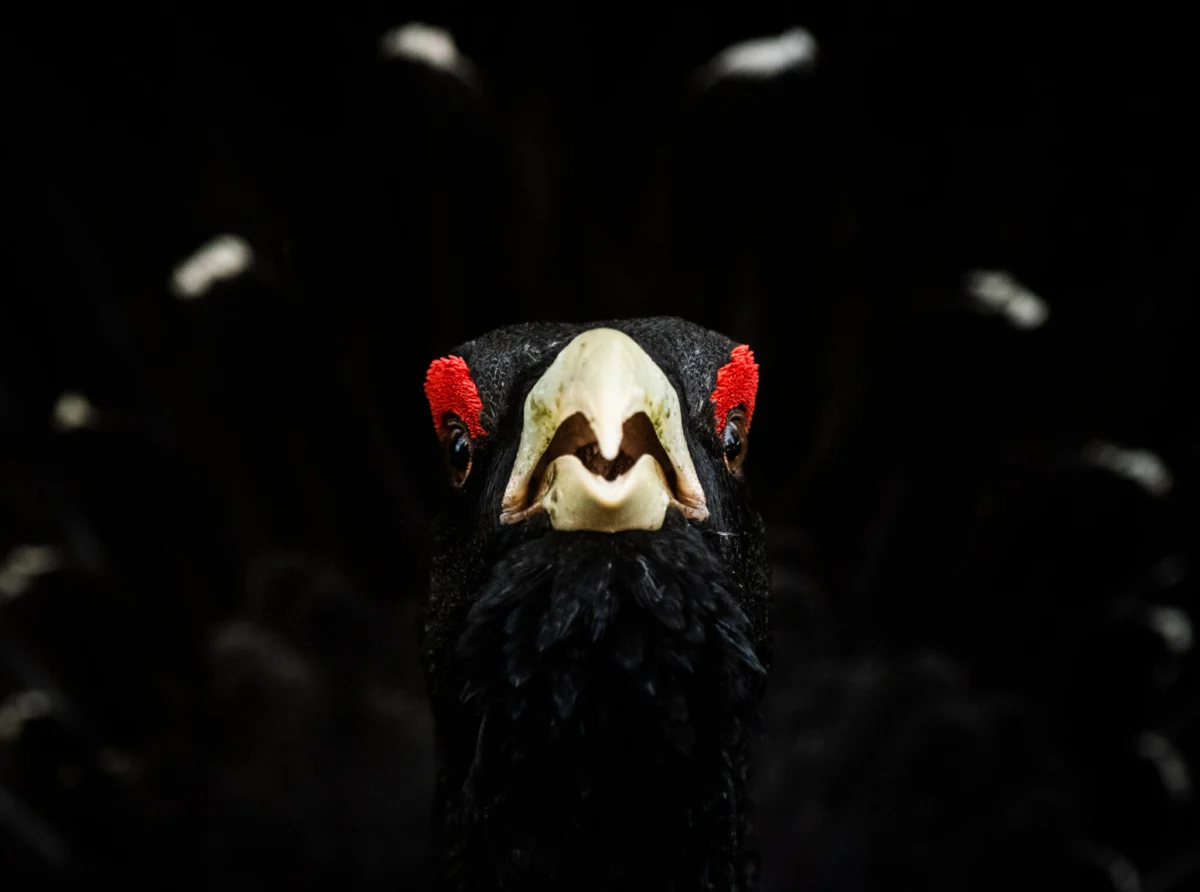
In the dynamic and ever-evolving realm of nature photography, one artist’s distinctive approach stands out, characterized by a deliberate embrace of extreme photographic techniques. This methodology transcends mere documentation, aiming instead to convey profound impressions and emotions experienced in nature by intentionally manipulating conventional norms. The photographer explores the very edges of technical possibility—from ultra-wide to super-telephoto perspectives, stark blackout to luminous whiteout exposures, extended shutter speeds, and unconventional compositional frameworks—arguing that at these extremities, superficial distractions recede, essential elements are heightened, and the underlying narrative within an image gains unparalleled strength.

The Philosophical Underpinnings of Extreme Nature Photography
Photography, at its core, is an endeavor to distill order from an often chaotic world. Nature frequently presents itself as an overwhelming tapestry of elements: dense forests, vast animal herds, or the intricate plumage of a bird. For a nature photographer, the challenge lies in discerning and articulating the hidden structures and patterns within this apparent disarray, translating them into a compelling visual form. While seemingly straightforward, mastering this translation is exceptionally difficult. The pursuit of presenting nature’s inherent chaos in a visually impactful manner has led this particular photographer to consciously seek out the most extreme photographic techniques available. This deliberate choice serves a singular purpose: to craft a more potent visual story, one capable of transmitting the photographer’s personal emotions and immersive experiences directly to the viewer, thereby forging a deeper connection between the art and its audience.

Atmosphere as the Canvas: Mastering Extreme Exposure
The perception and experience of nature are inherently multi-sensory. Beyond visual input, scents, textures, and sounds collectively contribute to a holistic impression of a scene. Still photography, by its very nature, faces an inherent limitation: it can only work with vision to reconstruct this rich, multi-dimensional experience. It is a common sentiment among photographers to feel a sense of inadequacy when reviewing images captured after a particularly moving encounter in the field, as the photographs often fail to evoke the same intensity of emotion spurred by the full spectrum of sensory input. This phenomenon underscores the challenge of conveying atmosphere in a two-dimensional medium.

To overcome this limitation and to immortalize specific atmospheres and emotions, the photographer frequently employs the extreme ends of the exposure spectrum. This involves crafting images that are either dramatically dark and moody through heavy underexposure, or strikingly bright and ethereal through significant overexposure. These techniques, widely known as "blackout" and "whiteout" respectively, are not merely technical adjustments but powerful artistic tools used to enhance and emphasize the emotional core of the experience.
Blackout images, characterized by their profound darkness, inherently evoke drama and mystery. They can strip away peripheral details, focusing the viewer’s attention on subtle forms or highlights, much like a spotlight in a theatre. Conversely, whiteout images, with their overwhelming brightness, tend to convey purity, elegance, or a sense of otherworldliness. This technique proves particularly effective in isolating a subject, whether it be a specific species or an environmental feature, against a luminous, almost abstract backdrop. The choice of exposure, therefore, transcends a purely technical decision; it becomes a deliberate act of emotional communication. By consciously dictating the luminosity of a scene, the photographer guides the viewer towards the specific feelings and sensations encountered during the photographic process. This nuanced control over light allows for the articulation of a visual language that speaks directly to the subconscious, inviting viewers to share in the photographer’s intimate connection with the natural world.

Playing with Perspective: The Art of Focal Length Extremes
Beyond controlling light, perspective is a crucial determinant of how viewers engage with a subject. Within a photographer’s technical arsenal, focal length stands as one of the most effective means to alter the perceived relationship between a subject and its surrounding environment. Each extreme end of the focal length spectrum—from expansive wide-angle to intensely magnified super-telephoto—narrates a distinct story. The more one ventures from standard focal lengths, the more pronounced and impactful this storytelling effect becomes. This deliberate manipulation of perspective is employed to reinforce the specific narrative the photographer wishes to convey.

In recent years, technological advancements, particularly in mirrorless camera systems, have significantly broadened the possibilities for photographers, especially regarding extra-long focal lengths. Mirrorless technology has led to the development of telephoto lenses that are not only superior in optical performance but also more affordable and accessible to a wider range of photographers. A notable innovation is the improved compatibility of even inexpensive telezoom lenses with teleconverters, allowing for extended reach while maintaining reliable autofocus and high image quality. For this photographer, embracing such extreme focal lengths has opened up an entirely new world of creative perspectives.
Ultra-wide-angle lenses (e.g., 14-24mm) are used to immerse the viewer within a scene, emphasizing the vastness of the landscape and placing the subject within a grand environmental context. They can create a sense of being "there," showcasing the scale and dominance of nature. Conversely, super-telephoto lenses (e.g., 600mm, 800mm, or even 1200mm with teleconverters) compress perspective, isolating subjects from their backgrounds and highlighting intricate details often invisible to the naked eye. This extreme magnification can foster an intimate connection with wildlife, revealing subtle behaviors or textures that convey a powerful sense of presence and vulnerability.

The effectiveness of extreme focal lengths is not limited to individual images; they become particularly potent when integrated into a portfolio that uses both ends of the spectrum to tell a comprehensive story. A compelling example comes from the seabird island of Hornøya in Norway. Located above the Arctic Circle, the island remains snow-covered as European shags return for their breeding season, facing harsh conditions and stunning, dramatic light. The photographer documented this struggle, using focal lengths ranging from 24mm to 1200mm. This diverse approach allowed for the capture of expansive environmental shots illustrating the shags’ challenging habitat, detailed close-ups showcasing their individual characteristics and interactions, and creative perspectives that highlighted their resilience against snowstorms. This range of focal lengths provided a visual vocabulary rich enough to paint a vivid picture of the shags’ breeding season, covering both their broader ecological context and their intimate struggles.
The Magic of Movement: Unleashing Shutter Speed and ICM

At its very essence, photography is the art of arresting moments and preserving movements to construct a compelling narrative. For this photographer, a particular allure lies in working with shutter speeds that capture phenomena beyond the capabilities of the human eye. This exploration delves into both ends of the shutter speed spectrum, from extended exposures that blur reality to ultra-fast speeds that freeze fleeting moments.
Long exposures, especially when combined with Intentional Camera Movement (ICM), unlock a vast new realm of photographic possibilities. This technique transcends the conventional limits of merely capturing the landscape’s colors and shapes surrounding a subject. Instead, the camera becomes a brush, allowing the photographer to "paint" the image with the very structures and textures of the entire landscape, all within a single exposure. ICM images are inherently unique and impossible to replicate precisely, as each shot involves a distinct, deliberate camera movement during a prolonged exposure. This experimental nature, however, comes with a steep learning curve and a high number of "failed" images, demanding immense patience and dedicated practice to master. The photographer openly admits to still being in the early stages of mastering this demanding yet rewarding technique. The resulting images often evoke a sense of ethereal beauty, motion, and abstraction, transforming familiar scenes into artistic interpretations that resonate deeply.

Conversely, recent advancements in mirrorless camera technology have also extended the capabilities at the other end of the shutter speed spectrum. In the era of DSLR cameras, the practical limit for shutter speed was typically around 1/8000th of a second. This often meant that extremely bright scenes, such as those shot directly towards the midday sun, risked blown-out highlights and loss of detail. Modern mirrorless cameras have pushed this boundary significantly, now offering shutter speeds up to several ten-thousandths of a second. This capability is invaluable in extremely bright conditions, allowing photographers to capture intricate details in scenes that the human eye cannot fully process. For instance, shooting directly into the sun can now yield an intriguing image that reveals nuanced details in both the sun itself and the backlit clouds, creating dramatic and previously unattainable visual effects. This expanded range of shutter speeds empowers photographers to explore light and movement in unprecedented ways, revealing hidden aspects of the natural world.
Redefining Visual Narratives: Embracing Unconventional Compositions

Composition in photography is often taught through a set of clear, well-established rules, and for good reason. Principles like the Golden Ratio or the Rule of Thirds typically lead to balanced, aesthetically pleasing, and well-structured images. However, no rule in art is absolute. A rigid adherence to compositional guidelines can inadvertently stifle creativity and prevent the emergence of truly innovative visual narratives.
For this photographer, composition has evolved from a strict adherence to prescriptive rules to a more fluid understanding of how elements within the frame interact dynamically. While classic advice, such as leaving space in the direction a subject is facing, often yields harmonious results, blindly following it can mean missing opportunities for more engaging and thought-provoking images. These opportunities arise when other elements within the frame, perhaps unexpectedly, create a sense of balance even if the primary subject is deliberately placed off-center or in a seemingly "incorrect" position.

In certain instances, an unconventional composition can dramatically amplify the power and impact of an image. By consciously challenging traditional norms, the photographer encourages viewers to perceive the scene differently, fostering a deeper, more active engagement with the artwork. This approach necessitates training one’s eye to keenly observe the interplay of light, shadow, form, and line within a scene, rather than merely checking off compositional boxes. This refined sensitivity to elemental interaction is, in the photographer’s view, one of the most critical steps in elevating one’s photography from merely good to truly exceptional. It’s about moving beyond formulaic beauty to discover a unique visual rhythm that resonates with the emotional core of the image.
The Imperative of Experimentation: Creativity for Creativity’s Sake

A prevailing norm in photography emphasizes intentionality: every choice, from lens selection to shutter speed and composition, should ideally serve a clear, pre-visualized purpose. While this systematic approach often yields consistent results, balanced exposures, and predictable outcomes—qualities seemingly ideal for creating order from chaos—it can also inadvertently limit creative exploration and foster a reluctance to deviate from established paths.
In contrast, the photographer champions the importance of embracing creativity purely for its own sake, without the burden of a predetermined purpose or specific vision. This playful approach acts as a vital counterbalance to systematic methodology, actively encouraging spontaneity and serendipity. Not every compelling photograph can be meticulously pre-visualized; the human eye and mind are simply incapable of anticipating every coincidence, every random occurrence—a fleeting reflection, an unexpected movement, or a sudden shift in light. Yet, it is precisely these unpredictable moments that often inject a missing piece of magic into an image, transforming it from a mere representation into a truly captivating piece of art.

For this photographer, nature photography is an ongoing journey of exploration and experimentation. This philosophy encourages challenging assumptions: what if a static subject could be enhanced by deliberate camera movement? Why not underexpose a scene when conventional wisdom would dictate overexposure? This approach, admittedly, generates a significant number of "failed" shots. However, amidst these discards, genuine gold can emerge—sometimes in the form of a spectacular, instantly recognizable image, but more frequently as a subtle discovery of an effect, a technique, or a compositional nuance that can be further developed and integrated into the photographer’s evolving artistic practice. It is through this continuous cycle of experimentation and refinement that true innovation flourishes.
Broader Implications and the Future of Nature Photography

When observing the work of other photographers, the most captivating images are often those that provoke a sense of wonder, leaving the viewer to question the very methods of their creation. These are typically images produced by artists who possess the courage to challenge established rules, to innovate techniques previously unimagined, and to delve into the nuanced interactions between the natural world and the camera’s capabilities. Whether through the masterful application of long shutter speeds, the strategic deployment of extreme focal lengths, or the ingenious crafting of unconventional compositions, the fundamental wellspring for capturing truly unique and creative images lies in a spirit of playfulness, relentless experimentation, and an abiding, profound interest in the natural world. In this perspective, curiosity stands as the most potent and indispensable creative tool available to nature photographers.
This philosophy has significant implications for the broader field of nature photography. It challenges the sometimes-staid conventions that prioritize technical perfection and literal representation, advocating instead for a more expressive, emotive, and interpretive approach. By demonstrating that pushing technical and artistic boundaries can lead to deeper storytelling and emotional resonance, this work inspires other photographers to look beyond the obvious and to develop their unique visual voices. It highlights the dynamic relationship between technology and artistry, showcasing how advancements in mirrorless cameras facilitate unprecedented creative freedom.

Ultimately, this approach contributes to the evolution of nature photography as an art form. It encourages a shift from merely documenting nature to actively interpreting and experiencing it, transforming the photographic image into a powerful conduit for personal expression and universal emotion. As the tools of photography continue to advance, the emphasis on curiosity, experimentation, and a willingness to break rules will remain paramount for those who seek to truly capture the soul of the wild.
