
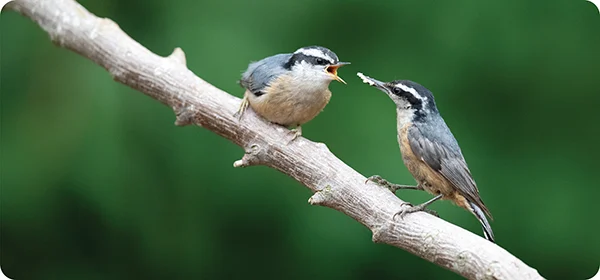
The presence of young birds, from their tentative first appearances in yards to their lively interactions at feeders, offers a profound sense of joy and connection to the natural world. Observing freshly-fledged bluebirds being guided by their parents, or witnessing the energetic demands of fledgling chickadees and goldfinches for food, provides a compelling glimpse into the intricate cycles of avian life. Even the clumsy attempts of young woodpeckers to master feeder techniques, or their patient waiting for parental sustenance in the form of suet or specialized blends like Bark Butter®, contribute to a rich tapestry of natural entertainment. This influx of a new generation underscores the vital role that human-provided resources can play in ensuring the survival and flourishing of these avian families.
The Scientific Impact of Backyard Bird Feeding on Nesting Success
Beyond the emotional uplift, research has illuminated the tangible benefits that consistent access to bird feeders provides to nesting bird populations. Studies indicate that birds with reliable feeder access tend to initiate egg-laying earlier in the season compared to their counterparts without such resources. This temporal advantage is significant; earlier broods often face less competition for food and nesting sites, leading to demonstrably higher rates of survival and fledging success. The ability to secure a food source more readily allows breeding females to dedicate more time and energy to crucial reproductive tasks.
This shift in parental focus translates directly into improved nesting outcomes. Females can invest more effort in selecting optimal nesting locations, a decision that directly impacts the safety and environmental conditions for developing eggs and chicks. Furthermore, they can construct more robust and well-insulated nests, offering better protection against environmental stressors. Critically, the reduced need for constant foraging frees up parental time for nest defense. This enhanced vigilance is paramount in safeguarding eggs and young from a myriad of predators, a constant threat in the avian world.
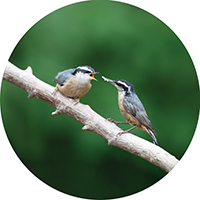
The availability of abundant feeder food also influences parental foraging strategies. When feeders provide a significant portion of their dietary needs, parent birds can afford to diversify their search for natural food sources. This allows them to seek out a broader spectrum of nutrient-rich insects, seeds, and fruits, which are essential for the growth and development of their offspring. Research suggests that this improved nutrition within the nest can lead to a reduction in aggression among siblings, fostering a more cooperative environment within the nest. Moreover, well-nourished young birds exhibit increased growth rates, better preparing them for the challenges of fledging and independence.
Beyond Feeders: Essential Elements for Successful Nesting
While food availability is a critical factor, successful avian nesting encompasses a broader set of environmental considerations. The provision of appropriately designed and installed nesting boxes can significantly enhance nesting success rates, particularly during periods of inclement weather. These structures offer a secure and sheltered environment, shielding vulnerable birds from extreme cold, excessive dampness, and harsh winds. For many cavity-nesting species, such as bluebirds and certain wrens, a well-placed nesting box can be the difference between successful reproduction and complete failure.
The quality of a yard’s natural habitat also plays an indispensable role. An overly manicured or immaculately groomed yard may inadvertently lack the essential resources that birds require for nest construction and sustenance. Birds rely on a variety of natural materials for building their nests, including twigs, grasses, mosses, and even spiderwebs for binding. An environment that is too sterile can limit the availability of these building materials. Furthermore, a diverse range of native plants—trees, shrubs, and wildflowers—provides not only crucial nesting spaces but also a continuous supply of food resources, such as insects, berries, and seeds, that may be absent in a less biodiverse landscape.
Specialized Nutrition for Nesting Families
To further support the unique dietary demands of nesting birds and their young, specialized bird food blends have been developed. Products like Wild Birds Unlimited’s Nesting SuperBlend® and Bark Butter® are formulated to provide the essential protein and calcium required during the breeding season. Nesting SuperBlend®, for example, is a nutrient-dense mixture incorporating ingredients such as sunflower chips, peanuts, mealworms, Bark Butter Bits®, Nutrasaff, tree nuts, and calcium. This comprehensive blend is ideally suited for birds in the pre-nesting phase, during active nesting, and for the fledglings as they transition to independence. The inclusion of calcium is particularly vital for eggshell formation in females and for the skeletal development of growing chicks.

The Broader Implications: Human Stewardship and Biodiversity
The act of providing food, shelter, and habitat for nesting birds extends beyond individual acts of kindness; it represents a form of active human stewardship that can have significant ecological implications. By supporting local bird populations through thoughtful backyard management, individuals contribute to the overall health and resilience of avian communities. This, in turn, can have cascading effects on the broader ecosystem, including pest control through insectivorous birds and seed dispersal via frugivores.
The documented increase in earlier nesting and higher fledging success rates in areas with consistent bird feeding highlights the potential for human intervention to mitigate some of the pressures faced by wild bird populations. These pressures can include habitat loss, fragmentation, and the increased prevalence of invasive species. While artificial provisioning cannot replace the complex ecological services provided by natural habitats, it can serve as a vital supplementary resource, especially in urban and suburban environments where natural food sources may be limited.
A Chronology of Avian Reproduction and Human Support
The avian reproductive cycle is a finely tuned process that begins long before eggs are laid. The period of courtship and nest building, often occurring in early spring, requires significant energy reserves. Providing high-energy foods like suet and seed mixes during this time can bolster the health and readiness of breeding pairs. Following egg-laying, the incubation period, which varies by species but typically lasts from 10 to 20 days, is followed by the nestling period. During this intensive phase, both parents are engaged in a relentless cycle of foraging and feeding their rapidly growing young, a process that can last another two to three weeks. The fledgling period, where young birds are learning to fly and forage independently, is perhaps the most vulnerable stage, and continued access to feeders can be critical during this transition.
The recognition of these needs has led to the development of specialized products and advice from organizations like Wild Birds Unlimited. Their consistent emphasis on providing appropriate nutrition and habitat solutions reflects a growing understanding of the symbiotic relationship that can develop between humans and backyard wildlife. This commitment to education and product development aims to empower individuals to become more effective stewards of their local environment.
Official Recognition and Future Outlook
Organizations dedicated to ornithology and conservation often recognize the value of backyard bird feeding when conducted responsibly. While the primary focus remains on habitat preservation and restoration, the role of supplementary feeding in supporting bird populations, particularly in human-dominated landscapes, is increasingly acknowledged. The data supporting earlier nesting and improved fledging success provides a factual basis for these practices.
The implications of sustained and informed backyard bird feeding extend to a broader appreciation for biodiversity. As more people engage in these activities, they often develop a deeper understanding of bird behavior, ecology, and the challenges faced by wild populations. This increased awareness can translate into greater support for conservation initiatives and a more conscientious approach to land use and environmental stewardship. The simple act of observing and supporting nesting birds can foster a powerful connection to nature, inspiring individuals to take further action to protect the natural world.
The ongoing research into avian ecology and the impact of human activities on wildlife continues to refine our understanding of best practices. The integration of scientific findings into practical advice for backyard bird enthusiasts, as exemplified by resources such as the Nature Centered Podcast episode "Joy of Summer Birds," is crucial for maximizing positive outcomes. This collaborative approach, combining scientific inquiry with public engagement, is essential for ensuring the continued presence and vitality of nesting birds in our shared landscapes. The joy derived from witnessing these natural cycles is amplified by the knowledge that we can actively contribute to their success, fostering a more harmonious coexistence between humans and the diverse avian life that enriches our world.
