
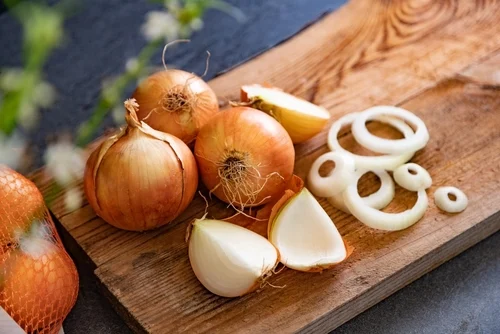
The practice of feeding kitchen scraps to backyard poultry has long been a staple of sustainable homesteading, yet veterinary experts are increasingly warning of the hidden dangers found in common culinary ingredients. Foremost among these concerns is the feeding of onions to chickens, a practice that poses significant physiological risks due to the presence of a specific toxin known as thiosulphate. While many vegetables serve as nutritious supplements to a standard grain-based diet, the Allium family—which includes onions, shallots, leeks, and chives—contains chemical compounds that can lead to a condition known as Heinz body anemia, potentially resulting in the death of the birds.
The Chemical Mechanism of Thiosulphate Toxicity
To understand why onions are detrimental to avian health, one must look at the biochemistry of the Allium genus. These plants produce organosulfur compounds as a defense mechanism against herbivores and pathogens. When an onion is damaged—whether by slicing, chewing, or digestion—enzymes convert these compounds into a variety of thiosulphates.

In chickens, as well as in other animals like dogs and cats, the digestive process releases these thiosulphates into the bloodstream. Once in the blood, the toxin causes oxidative damage to the hemoglobin within red blood cells. Hemoglobin is the protein responsible for carrying oxygen from the lungs or gills to the rest of the body. The oxidative stress caused by thiosulphate results in the formation of "Heinz bodies," which are clumps of damaged hemoglobin that attach to the surface of the red blood cell.
The avian spleen and liver identify these damaged cells as defective and remove them from circulation. However, because the thiosulphate continues to circulate and damage new cells, the rate of red blood cell destruction eventually outpaces the bone marrow’s ability to produce replacements. This leads to hemolytic anemia, a condition where the body lacks enough healthy red blood cells to transport oxygen to vital organs.
Chronology of Toxicity: From Ingestion to Physiological Failure
The onset of symptoms following the ingestion of onions is rarely instantaneous, often leading poultry keepers to believe the food is safe in the short term. However, the internal damage follows a predictable chronological progression:

- Ingestion and Absorption (0–6 Hours): The chicken consumes the onion material. Thiosulphate is absorbed through the gastrointestinal tract and enters the portal circulation.
- Oxidative Phase (6–24 Hours): The toxin begins reacting with the hemoglobin. Heinz bodies start forming on the red blood cells. At this stage, the bird may appear normal, though its internal oxygen-carrying capacity is already beginning to drop.
- Hemolytic Phase (24–72 Hours): The body begins the mass removal of damaged red blood cells. It is during this window that clinical symptoms become visible. The bird may show signs of lethargy as its muscles and brain are deprived of oxygen.
- Critical Anemia and Secondary Organ Failure (3 Days+): If the dose was high enough, the bird develops jaundice as the liver struggles to process the byproduct of destroyed blood cells (bilirubin). Respiratory rates increase as the bird attempts to compensate for low blood-oxygen levels. Without intervention or if the damage is too severe, the bird may collapse and die from heart failure or hypoxia.
Identifying Symptoms and Clinical Signs
Poultry owners must be vigilant in monitoring their flocks for signs of Allium poisoning, particularly if the birds have access to compost piles or garden beds. The clinical signs are often subtle initially but escalate as the anemia worsens.
- Lethargy and Depression: Affected birds will often stand apart from the flock, appearing hunched or "puffed up." They may show a lack of interest in foraging or treats.
- Respiratory Distress: Because the blood cannot carry oxygen efficiently, the chicken may pant or breathe rapidly even in cool weather.
- Pale Combs and Wattles: The characteristic bright red color of a healthy chicken’s comb is a reflection of robust blood circulation. In anemic birds, the comb may turn pale pink or even a yellowish hue, indicating jaundice.
- Digestive Issues: Diarrhea is a common secondary symptom of the metabolic stress caused by the toxin.
- Reduced Egg Production: The physiological stress of fighting toxicity and anemia causes the bird’s body to redirect energy away from reproduction.
The Allium Family: A Spectrum of Risk
While the common bulb onion (Allium cepa) is the most frequent culprit in cases of domestic poultry poisoning, the entire Allium genus carries varying degrees of risk. Agricultural researchers categorize these plants based on their concentration of thiosulphate and related disulfides.
- Shallots and Scallions: These possess high concentrations of the toxin and should be avoided entirely.
- Leeks: While often perceived as "milder," leeks still contain sufficient thiosulphate to cause red blood cell damage in small livestock.
- Chives: Often grown in herb gardens accessible to free-ranging chickens, chives are frequently pecked at by curious birds. While a single blade of chive may not be fatal, cumulative ingestion can be harmful.
The Garlic Paradox: Benefits vs. Risks
One of the most debated topics in poultry nutrition is the use of garlic (Allium sativum). While garlic belongs to the same family as onions, it contains significantly lower levels of thiosulphate. Veterinary data suggests that the concentration of the toxin in garlic is roughly one-fifteenth of that found in onions.

Lisa Steele, a well-known expert in natural poultry care and author of "Fresh Eggs Daily," notes that garlic can actually provide significant health benefits when administered correctly. Garlic is rich in allicin, a compound with antimicrobial, antifungal, and antiparasitic properties.
"Garlic powder, once dried and processed, has only negligible amounts of thiosulphate," Steele explains. Many poultry keepers use garlic powder in daily feed or add crushed fresh cloves to waterers to support the immune and respiratory systems of their flocks. The consensus among many natural-rearing experts is that a chicken would need to consume an improbable amount of garlic to reach toxic levels, making it a rare exception within the Allium family.
Supporting Data and Veterinary Perspectives
Research into avian toxicology has highlighted that chickens are particularly sensitive to oxidative stress compared to some other livestock. According to data from ChickenDVM, a leading resource for avian health, the toxicity of onions is dose-dependent. While a small, accidental nibble might only cause sub-clinical anemia—where the bird survives but is weakened—consistent feeding of onion-heavy kitchen scraps is almost certainly detrimental.

Furthermore, the impact of onions extends beyond the health of the bird to the quality of the agricultural product. Studies have shown that the strong volatile oils in onions can actually permeate the egg-laying process. Chickens fed significant amounts of onions or wild garlic may produce eggs with a distinct, off-putting onion flavor, rendering them unmarketable for commercial or home use.
Broader Implications for Backyard Farmers
The prohibition of onions in poultry diets reflects a broader shift in backyard farming toward evidence-based nutrition. Historically, farm birds were viewed as "disposal units" for all household waste. However, the rise of the backyard poultry movement has led to a more sophisticated understanding of avian physiology.
The implications of feeding toxic scraps are not merely individual but can affect the biosecurity and sustainability of a small farm. A weakened flock with compromised immune systems due to anemia is more susceptible to environmental pathogens, such as Avian Influenza or Coccidiosis. Therefore, maintaining a "clean" diet is considered a primary pillar of flock management.

Official Recommendations and Safe Alternatives
To ensure the longevity and productivity of a flock, agricultural experts recommend a strict "no onion" policy for kitchen scrap buckets. Instead, farmers are encouraged to provide treats that offer high nutritional value without the risk of thiosulphate poisoning.
Safe and beneficial alternatives include:
- Leafy Greens: Kale, Swiss chard, and romaine lettuce provide essential vitamins and minerals.
- Berries and Fruits: Blueberries, watermelon, and apples (without seeds) are excellent sources of antioxidants.
- Protein Supplements: Mealworms and Black Soldier Fly larvae support feather growth and egg production.
- Herbs: Oregano, thyme, and parsley are safe and have been linked to improved gut health in poultry.
Conclusion
The danger posed by onions to chickens is a matter of clear chemical reality. The thiosulphate found in the Allium family serves as a potent oxidizing agent that targets the very essence of avian life: the red blood cell. While the allure of reducing food waste by feeding scraps to the flock is strong, the potential for Heinz body anemia, jaundice, and death makes onions an unacceptable risk. By prioritizing a diet free of these toxins and understanding the nuanced difference between harmful onions and beneficial garlic, poultry keepers can ensure their birds remain healthy, vibrant, and productive members of the farm ecosystem.
