
The dietary requirements of backyard poultry have become a subject of significant interest as the trend of urban and suburban chicken keeping continues to expand globally. Among the various supplemental treats offered to flocks, raisins occupy a unique position. While raisins are famously toxic to canines and felines, causing acute kidney failure in those species, they are safe for avian consumption. However, veterinary experts and poultry specialists emphasize that safety does not equate to unlimited access. The inclusion of raisins in a chicken’s diet must be managed with a rigorous understanding of avian nutrition, focusing on the concentration of sugars, the risk of obesity, and the mechanical challenges of ingestion for smaller birds.
The Nutritional Profile of Raisins for Poultry
Raisins are essentially dehydrated grapes, a process that concentrates both the nutrients and the sugars found in the original fruit. From a nutritional standpoint, raisins offer several beneficial components that can support the overall health of a laying hen or a meat bird when provided as a supplement to a balanced commercial feed.
First and foremost, raisins are a dense source of dietary fiber. Fiber is essential for maintaining the motility of the avian digestive tract, ensuring that feed moves efficiently through the crop, proventriculus, and gizzard. Furthermore, raisins contain a significant array of essential minerals. Calcium, though present in smaller amounts than in crushed oyster shells, contributes to bone density and the formation of strong eggshells. Magnesium and potassium play critical roles in heart health and muscle function, while iron is vital for the production of hemoglobin and the efficient transport of oxygen through the bloodstream.

In addition to minerals, raisins are rich in polyphenols and other antioxidants. These compounds help neutralize free radicals within the bird’s body, potentially reducing oxidative stress and bolstering the immune system. For a flock owner, this can translate to birds that are more resilient to environmental stressors and common pathogens.
The Sugar Concentration Concern
Despite the vitamin and mineral content, the primary characteristic of the raisin is its high sugar content. During the dehydration process, the water content of the grape is removed, leaving behind concentrated fructose and glucose. For chickens, whose metabolic systems are optimized for the steady digestion of grains and proteins, a sudden influx of concentrated sugar can be problematic.
Excessive sugar intake in poultry is directly linked to weight gain and obesity. An obese chicken faces a variety of health complications, most notably Fatty Liver Hemorrhagic Syndrome (FLHS). This condition occurs when the liver accumulates excess fat, making it friable and prone to rupture, which can lead to sudden death in otherwise productive hens. Furthermore, overweight birds often experience a decrease in egg production and are more susceptible to heat exhaustion during summer months.
Kidney Health and the Toxicity Paradox
The most striking aspect of feeding raisins to chickens is the lack of the toxic reaction seen in dogs. In the canine world, even a small number of raisins can lead to rapid renal failure. While the exact mechanism of grape toxicity in dogs was long a mystery, recent research suggests that tartaric acid may be the culprit. Chickens, however, do not share this sensitivity.

That stated, the avian renal system is not invincible. Excessive consumption of any high-sugar, high-mineral treat can place undue stress on a chicken’s kidneys. There is a prevailing concern among poultry experts that if raisins are fed in extreme excess, the concentrated nature of the fruit could lead to kidney strain or long-term renal issues. This reinforces the necessity of the "moderation" rule that governs all supplemental poultry feeding.
Mechanical Risks and Choking Hazards
Beyond the chemical and nutritional composition of raisins, flock owners must consider the physical form of the treat. Raisins are leathery, sticky, and relatively large compared to the beak size of certain poultry breeds. For standard-sized breeds like Rhode Island Reds or Orpingtons, a whole raisin is typically manageable. However, for bantam breeds or young chicks, raisins pose a legitimate choking hazard.
Chicks, in particular, have developing digestive systems. Their crops are small, and they may not yet have the grit necessary in their gizzards to break down the tough skin of a dried raisin. To mitigate these risks, experts recommend a two-fold approach for smaller or younger birds:
- Chopping: Slicing raisins into smaller, manageable pieces reduces the risk of airway or crop obstruction.
- Soaking: Rehydrating raisins in warm water for several minutes softens the fruit, making it easier to swallow and digest, while also providing a small boost in hydration.
The 10 Percent Rule: A Standard for Poultry Nutrition
To maintain a healthy and productive flock, nutritionists suggest that at least 90% of a chicken’s daily intake should come from a professionally formulated commercial feed. These feeds are scientifically balanced to provide the exact ratios of protein, fat, carbohydrates, vitamins, and minerals required for the bird’s specific stage of life (e.g., starter, grower, or layer).

The remaining 10% of the diet can consist of treats, including kitchen scraps, garden waste, and dried fruits like raisins. For an average adult hen, this equates to approximately one to two tablespoons of treats per day. When raisins are the treat of choice, this portion should be even smaller due to their caloric density. Exceeding this 10% threshold can dilute the essential nutrients found in the primary feed, leading to deficiencies that may manifest as poor feather quality, weak eggshells, or lethargy.
Expert Perspectives on Supplemental Feeding
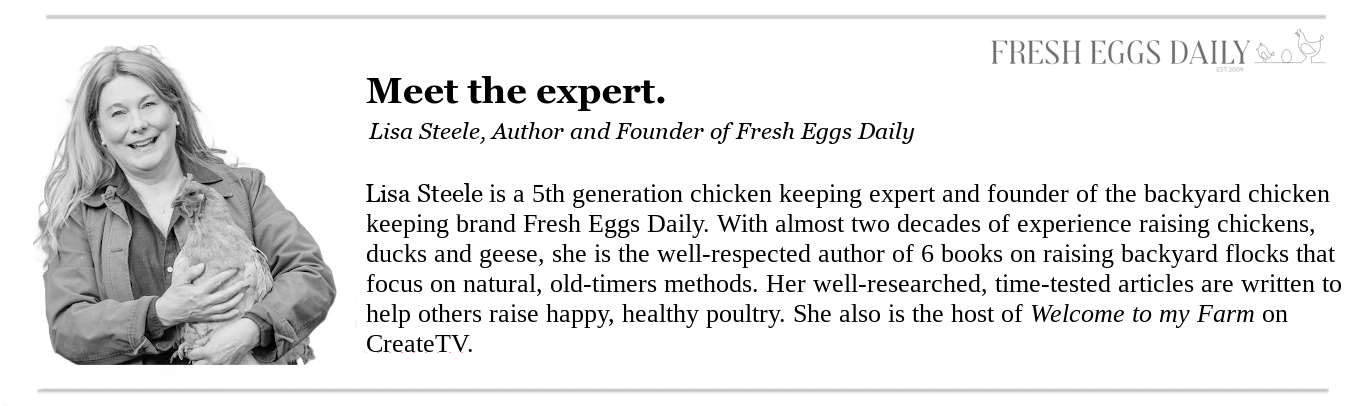
Lisa Steele, a fifth-generation chicken-keeping expert and author of "Fresh Eggs Daily," has long advocated for a "natural" approach to poultry management, emphasizing the use of herbs and wholesome treats. Steele notes that while raisins are a popular treat that chickens find highly palatable, the responsibility lies with the keeper to ensure they are not over-delivered.
The consensus among avian experts is that treats should be used as a tool for socialization and flock management rather than a primary food source. Using raisins to encourage birds to return to the coop at night or to build trust between the keeper and the flock is an effective strategy. However, the "humanization" of poultry diets—treating chickens like household pets that require constant snacks—can lead to the aforementioned health crises.
Broader Implications for the Backyard Poultry Industry
The discussion regarding raisins and chicken health reflects a broader shift in the agricultural landscape. As more individuals move toward self-sufficiency and small-scale egg production, the demand for detailed nutritional information has surged. This has led to a more nuanced understanding of avian biology among hobbyists.

The implications of improper feeding extend beyond individual bird health. A flock that is malnourished or obese is less productive, increasing the cost of egg production for the owner. Furthermore, birds with compromised immune systems due to poor diet can become vectors for common diseases, potentially impacting neighboring flocks.
In the context of the global poultry industry, the move toward "clean" and "natural" supplemental feeding mirrors trends in human nutrition. Flock owners are increasingly looking for treats that provide functional benefits—such as the antioxidants in raisins—rather than just "empty calories."
Summary of Best Practices for Feeding Raisins
For the poultry keeper looking to integrate raisins into their flock’s diet, the following chronology of best practices is recommended:
- Assessment: Determine the age and size of the birds. Do not feed raisins to chicks under eight weeks old.
- Preparation: For bantams or smaller birds, chop and soak the raisins to ensure safety and ease of digestion.
- Portion Control: Adhere strictly to the 10% rule. Ensure that the total volume of raisins does not exceed a small fraction of the daily treat allowance.
- Observation: Monitor the flock for signs of weight gain or changes in droppings. If birds appear lethargic or egg production drops, reduce treat intake immediately.
- Diversification: Do not rely on raisins as the sole treat. Rotate them with fresh greens, mealworms, and seeds to provide a wider spectrum of nutrients.
Ultimately, raisins represent a safe and nutritious supplement for chickens, provided the keeper exercises discipline. By balancing the high sugar content with the beneficial minerals and fiber, and by ensuring the physical size of the treat is appropriate for the bird, poultry enthusiasts can safely enjoy the benefits of this common pantry staple in their backyard coops.
