
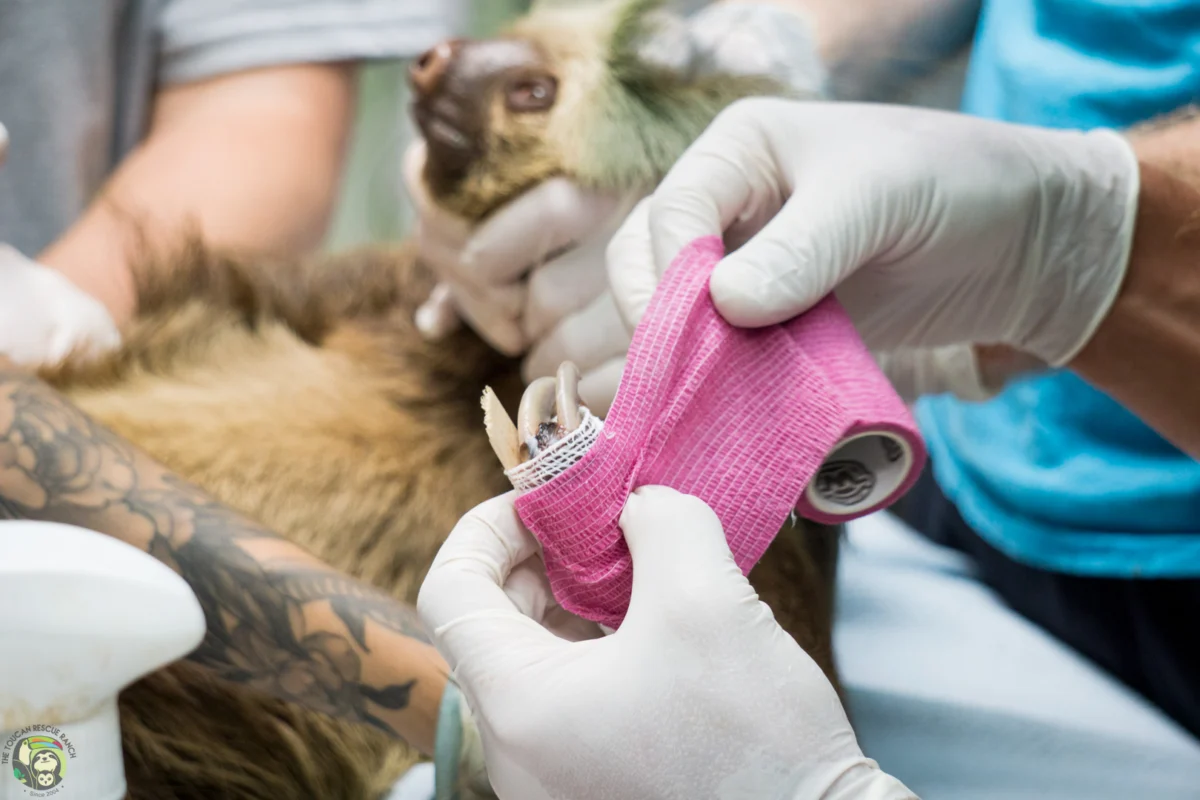
The Toucan Rescue Ranch, a premier wildlife rescue and rehabilitation facility located in the heart of Costa Rica, has issued a comprehensive call to action for global supporters to assist in its mission through strategic material donations. As a multifaceted organization dedicated to the rescue, rehabilitation, and eventual release of Costa Rica’s iconic wildlife—including orphaned sloths, injured toucans, and a variety of other avian and mammalian species—the ranch relies heavily on a steady stream of specialized supplies. These contributions are not merely supplementary; they are foundational to the operation of the facility’s veterinary clinic, animal husbandry departments, and administrative infrastructure. By bridging the gap between international generosity and local necessity, the Toucan Rescue Ranch (TRR) continues to set a benchmark for conservation efforts in one of the world’s most biodiverse regions.
The Foundation of Rescue: Context and Mission
Founded on the principles of compassion and scientific rigor, the Toucan Rescue Ranch has evolved from a small bird rescue into a world-renowned sanctuary and rehabilitation center. Costa Rica, while comprising only 0.03% of the Earth’s landmass, contains nearly 6% of the world’s biodiversity. This high concentration of life necessitates robust conservation frameworks, as wildlife frequently faces threats from habitat loss, illegal pet trade, and human-wildlife conflict, such as power line electrocutions and road accidents.
The TRR veterinary team operates a state-of-the-art clinic that serves as the first point of entry for injured animals. The rehabilitation process is often long and resource-intensive, requiring specialized nutritional formulas, medical equipment, and enrichment tools to ensure that animals maintain their natural instincts for eventual release. The ranch’s "Release Site," located in a more remote area of the country, serves as the final stage of this journey, where animals are monitored as they reintegrate into the wild.
The Logistics of Giving: Overcoming Geographical Barriers
One of the primary challenges facing non-governmental organizations (NGOs) in Central America is the logistical complexity of international shipping. The Toucan Rescue Ranch has identified significant hurdles within Costa Rica’s postal infrastructure, which can be prone to delays and lost packages. Consequently, the organization has developed a tiered strategy for the acquisition of donated goods, emphasizing reliability and cost-effectiveness.
The "Checked Luggage" Strategy
For individuals planning to visit the ranch—whether as interns, volunteers, guests at the onsite guesthouse, or day-tour visitors—the most effective method of contribution is the "checked luggage" approach. By bringing high-priority supplies directly in their personal baggage, donors eliminate the risks associated with international shipping and bypass high customs fees and potential bureaucratic delays. This direct-delivery model ensures that 100% of the donated value reaches the veterinary and animal care teams immediately.
The Knoxville Hub: A Strategic US Foothold
To facilitate donations from North American supporters who may not be traveling to Costa Rica in the near future, TRR has established a strategic partnership with a board member based in Knoxville, Tennessee. This board member provides warehouse space for the collection and storage of donated items. While this method is highly effective for consolidating goods, the ranch notes that the transit of these items to Costa Rica is dependent on logistical windows, such as when staff or board members travel between the two countries. This hub serves as a critical bridge, allowing the organization to take advantage of domestic shipping rates within the United States before coordinating the final leg of the journey to the rainforest.
Direct Shipping via Trusted Carriers
For those who prefer to ship items directly to the facility in Costa Rica, the ranch exclusively recommends the use of DHL. While more expensive than standard postal services, DHL provides the tracking and reliability necessary to ensure that sensitive medical supplies or expensive equipment arrive safely. The organization explicitly advises against other shipping methods to prevent the loss of valuable resources.
Strategic Procurement: The Amazon and Cuddly Wish Lists
In an era of digital philanthropy, the Toucan Rescue Ranch has leveraged e-commerce platforms to streamline the donation process. By maintaining curated "Wish Lists" on Amazon and Cuddly, the organization provides donors with a real-time inventory of urgent needs. These lists are categorized by priority, ensuring that the most critical items—such as specialized neonatal formulas for orphaned sloths or surgical instruments for the clinic—are addressed first.
The Cuddly platform, in particular, focuses on the welfare of individual animals, allowing donors to see the direct impact of their contributions. This transparency fosters a deeper connection between the global community and the specific residents of the ranch, turning a simple transaction into a meaningful act of conservation.
Categorization of Needs: From Clinic to Canopy
The resource requirements of a full-scale rescue operation are diverse. The TRR has categorized its needs into three priority levels to guide prospective donors:
High Priority: Life-Saving Essentials
These items are the backbone of the clinic and the nursery. They include medical-grade supplies, specialized milk replacers for various species, and diagnostic tools. Without these, the veterinary team’s ability to treat trauma cases—such as toucans with broken beaks or sloths with severe burns—would be severely compromised.
Medium Priority: Husbandry and Maintenance
Animal care extends beyond medical treatment. Medium-priority items often include enclosure maintenance materials, enrichment toys to prevent psychological distress in captive animals, and dietary supplements. These items ensure that the animals remain healthy and stimulated during their rehabilitation period.
Lower Priority: Administrative and Operational Support
While less "glamorous" than medical supplies, administrative items such as office supplies, electronics for data tracking, and cleaning materials for the facility are essential for the ranch’s sustainability. Efficient administration allows the ranch to manage its volunteer programs and fundraising efforts, which in turn funds the core mission.
Financial Transparency and Tax Incentives
As a dual-registered entity, the Toucan Rescue Ranch offers significant tax advantages to its supporters. In the United States, TRR is a registered 501(c)(3) nonprofit (EIN: 80-0516453), making donations tax-deductible for U.S. taxpayers. Simultaneously, it is a registered foundation in Costa Rica (#300667701803), ensuring compliance with local laws and providing a framework for domestic support.
This dual status reflects the organization’s commitment to fiscal responsibility and transparency. By maintaining rigorous accounting standards in both jurisdictions, the ranch ensures that every dollar—and every donated item—is utilized to its maximum potential.
Chronology of a Rescue: The Impact of a Single Donation
To understand the importance of these supplies, one must look at the lifecycle of a typical rescue at the ranch.
- Intake: An animal is brought in by the Ministry of Environment and Energy (MINAE) or a concerned citizen. At this stage, high-priority medical supplies from the wish list, such as sterile gloves and antiseptic solutions, are immediately deployed.
- Stabilization: The animal is placed in the clinic. If it is an orphan, specialized formula purchased through donor funds becomes its lifeline.
- Rehabilitation: As the animal gains strength, it moves to an outdoor enclosure. Here, enrichment items and specialized feeding stations—often donated by supporters—help the animal regain the physical skills needed for survival.
- Release: The final stage involves transporting the animal to the Release Site. Equipment such as transport crates and GPS tracking collars (frequently listed as high-value wish list items) are used to ensure a successful transition back to the wild.
Analysis of Implications: The Future of Community-Driven Conservation
the model adopted by the Toucan Rescue Ranch represents a shift in modern conservation. By decentralizing the supply chain and involving the global public in the granular details of animal care, TRR creates a sense of shared "ownership" in the survival of Costa Rican wildlife.
This approach also serves as a hedge against economic volatility. While cash donations can fluctuate based on global economic trends, a steady supply of physical goods ensures that the clinic remains stocked and the animals remain fed. Furthermore, the "Suitcase Support" model encourages "voluntourism" and educational travel, bringing more people into direct contact with the realities of conservation.
Conclusion: Joining the TRR Family
The Toucan Rescue Ranch’s appeal for supplies is more than a request for goods; it is an invitation to participate in a global effort to preserve biodiversity. By following the recommended logistical pathways—whether through the Knoxville hub, DHL, or personal travel—donors become an integral part of the "TRR Family."
As habitat loss continues to challenge the survival of species across Central America, the work of organizations like the Toucan Rescue Ranch becomes increasingly vital. Through the simple act of donating a bottle of specialized formula or a box of medical gauze, individuals around the world can contribute to the enduring legacy of Costa Rica’s natural heritage, ensuring that sloths, toucans, and countless other species continue to thrive in the wild.
