
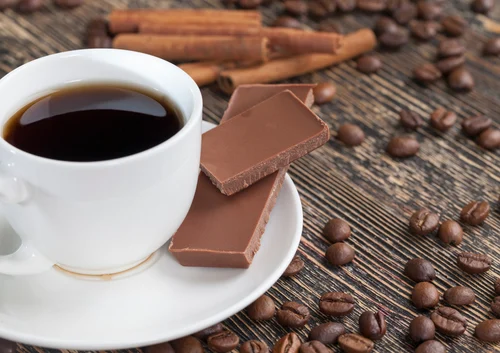
The increasing popularity of backyard poultry farming has led to a significant rise in the number of households treating chickens as both productive livestock and domestic pets, a shift that brings critical dietary responsibilities to the forefront of avian care. While chickens are often celebrated for their ability to process kitchen scraps and garden waste, avian experts and veterinary nutritionists are issuing stern warnings regarding certain common human foods that can prove fatal to these birds. Among the most dangerous substances are chocolate and various sources of caffeine, including coffee grounds and tea bags. These items contain chemical compounds that the avian physiology is not equipped to process, leading to severe health complications, including rapid heartbeat, seizures, and sudden cardiac arrest.
The Chemical Profile of Toxicity: Methylxanthines and Theobromine
To understand why chocolate and caffeine are so hazardous to chickens, one must examine the chemical composition of these substances. Both chocolate and coffee belong to a class of chemicals known as methylxanthines. In humans, these act as mild central nervous system stimulants, providing the familiar "energy boost" associated with a morning cup of coffee or a piece of dark chocolate. However, in the avian world, the metabolic pathway for processing these alkaloids is significantly different and far less efficient.
The primary toxic components are caffeine and theobromine. While caffeine is found in coffee, tea, and many soft drinks, theobromine is most concentrated in chocolate—particularly dark chocolate and baking cocoa. For a chicken, these substances act as potent stimulants that over-accelerate the cardiovascular and nervous systems. Because chickens have a high metabolic rate and relatively small body mass compared to humans, even trace amounts can reach toxic thresholds rapidly.
Theobromine, specifically, is a vasodilator, a diuretic, and a heart stimulant. When ingested by poultry, it is absorbed into the bloodstream but cannot be broken down quickly. This leads to a prolonged state of physiological stress. As the compound accumulates, it interferes with the normal functioning of the heart muscle and the transmission of nerve impulses.

Symptomatology and the Physiological Impact on Avian Health
The clinical signs of caffeine or chocolate poisoning in chickens can manifest shortly after ingestion. Because chickens are prey animals, they often instinctually hide signs of illness until they are in a state of advanced distress. However, observant owners may notice a variety of alarming symptoms.
Initially, a chicken that has consumed caffeine may exhibit hyper-excitability or restlessness. This is often followed by physical tremors as the nervous system becomes overstimulated. As the toxicity progresses, the bird’s heart rate increases—a condition known as tachycardia. This puts immense pressure on the avian heart, which already beats significantly faster than a human heart under normal conditions (typically between 250 to 350 beats per minute).
In cases of severe poisoning, the cardiovascular system reaches a breaking point. The bird may suffer from cardiac arrhythmia, where the heart beats irregularly, eventually leading to full cardiac arrest. Beyond the heart, the digestive system is also impacted; theobromine and caffeine can cause severe gastrointestinal distress, manifesting as vomiting or diarrhea. In the final stages of toxicity, the bird may experience seizures or fall into a coma before succumbing to the internal stress.
The "Kitchen Scrap" Trap: A Chronology of Dietary Mismanagement
The history of backyard poultry keeping has evolved from the mid-20th century, where chickens were primarily kept for utility and fed standardized grains, to the modern era of "pet" chickens. In the past, chickens were often left to forage in open fields, where their natural instincts guided them away from toxic plants and substances. However, in confined backyard settings, chickens rely entirely on their human caretakers for nutritional intake.
A common trend in modern homesteading is the use of chickens as a "biological disposal" for kitchen waste. While this is an effective way to reduce landfill contributions and provide chickens with a varied diet, it creates a dangerous environment if owners are not vigilant. The chronology of a typical poisoning event often begins with the disposal of leftovers—a discarded chocolate donut, the remnants of a mocha latte, or used tea bags tossed into a compost pile that the chickens can access.

Agricultural extensions and veterinary experts note that as the "humanization" of poultry increases, so does the risk of feeding "treats" that are inappropriate for avian biology. Junk foods, baked goods, and processed snacks often contain a combination of caffeine, high sugar, and unhealthy fats, all of which contribute to the long-term decline of flock health, even if the caffeine dose is not immediately lethal.
Comparative Data: Caffeine Concentrations and Risk Levels
The level of risk associated with caffeine and chocolate depends heavily on the concentration of the alkaloids within the specific food item. To provide context for poultry owners, it is helpful to look at the varying levels of these substances in common household products:
- Baking Chocolate and Cocoa Powder: These contain the highest concentrations of theobromine and are the most dangerous. A single ounce of baking chocolate can contain enough toxins to severely sicken an entire small flock.
- Dark Chocolate: Contains significant amounts of theobromine and caffeine. It is considerably more toxic than milk chocolate.
- Milk Chocolate: While lower in theobromine, it contains high levels of fats and sugars, which can lead to obesity and fatty liver hemorrhagic syndrome (FLHS) in chickens.
- Coffee Grounds and Beans: These are highly concentrated sources of caffeine. Even "spent" coffee grounds used in gardens can retain enough caffeine to be toxic if pecked at by curious birds.
- Tea Bags and Leaves: Both black and green teas contain caffeine and theophylline, another methylxanthine that affects the heart and kidneys.
Data suggests that the lethal dose (LD50) for theobromine in birds is significantly lower than in many other animals, though specific avian-focused clinical trials are limited due to ethical concerns. However, anecdotal evidence from veterinary pathology reports consistently links the ingestion of chocolate scraps to sudden death in backyard flocks.
Expert Reactions and Veterinary Perspectives
Leading experts in avian medicine emphasize that there is no "safe" amount of caffeine or chocolate for a chicken. Dr. Harrison, a specialist in avian nutrition, notes that "the primary issue is the lack of specific enzymes in the avian liver to detoxify methylxanthines. What a human processes in an hour may circulate in a bird’s system for a day, causing cumulative damage."
Veterinary professionals also highlight the danger of secondary ingredients. Sugar, for instance, is not a natural part of a chicken’s diet. Excessive sugar can lead to an imbalance in the gut flora, potentially causing sour crop or other digestive ailments. Furthermore, the high-fat content in many chocolate-based treats can lead to rapid weight gain and reproductive issues, such as egg binding or decreased egg production.

The consensus among the scientific community is clear: prevent access entirely. This includes securing compost bins, being mindful of where coffee grounds are spread in the garden, and educating all family members—especially children—about the dangers of sharing snacks with the birds.
Broader Implications for Flock Management and Welfare
The discussion regarding chocolate and caffeine is part of a broader conversation about responsible poultry management. The health of a backyard flock has direct implications for the quality of the eggs produced and the overall longevity of the birds. When a chicken’s system is stressed by toxins, its immune system is compromised, making it more susceptible to common poultry diseases like Coccidiosis or Respiratory infections.
Furthermore, the economic impact for small-scale egg producers cannot be ignored. The loss of a high-producing hen to a preventable poisoning event represents a loss of investment in feed, time, and future egg yield. For those raising heritage breeds or expensive show birds, the stakes are even higher.
To mitigate these risks, poultry owners are encouraged to adopt a "safety-first" feeding protocol. This includes:
- Designated Treat Zones: Only feeding treats in specific areas where the owner can monitor what is being consumed.
- Approved Lists: Sticking to known safe treats such as leafy greens (spinach, kale), certain fruits (watermelon, blueberries), and proteins (mealworms, scrambled eggs).
- Compost Security: Ensuring that all toxic kitchen waste—including onion peels, avocado pits, and caffeinated products—is kept in lidded containers that chickens cannot breach.
Conclusion: Fostering a Culture of Informed Care
As the backyard chicken movement continues to grow, the dissemination of accurate nutritional information is vital. The misconception that chickens can eat "anything" is a dangerous fallacy that threatens the welfare of thousands of domestic birds. By understanding the chemical realities of substances like chocolate and caffeine, owners can provide a safer environment for their flocks.

The goal of modern poultry keeping should be to mimic the natural, nutrient-dense diet that chickens require to thrive. While the occasional kitchen scrap can provide enrichment and variety, the exclusion of toxic substances like methylxanthines is a non-negotiable aspect of avian husbandry. Through education and vigilance, backyard farmers can ensure their chickens live long, healthy, and productive lives, free from the hidden dangers found in the human pantry.
