
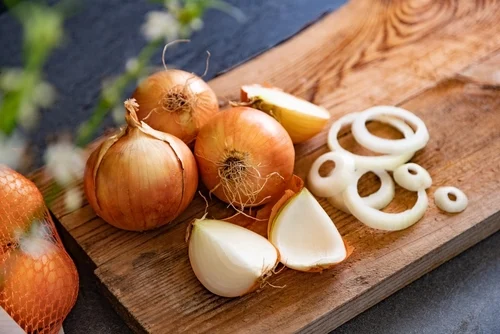
The practice of feeding household kitchen scraps to backyard poultry has long been a staple of sustainable homesteading, yet veterinary experts are increasingly issuing warnings regarding the specific dangers posed by the Allium family of vegetables, most notably onions. While chickens are opportunistic omnivores capable of digesting a wide array of organic matter, the inclusion of onions in their diet introduces a potent toxin known as thiosulphate. This compound, while harmless to humans in standard culinary quantities, triggers a cascade of physiological failures in avian subjects, leading to a condition known as Heinz body anemia. As the popularity of backyard chicken keeping continues to rise globally, understanding the biochemical interactions between common garden produce and poultry health has become a critical priority for both hobbyists and agricultural professionals.
The Biochemical Mechanism of Allium Toxicity
The primary threat presented by onions (Allium cepa) and their close relatives—including shallots, leeks, chives, and scallions—is the presence of organic sulfur compounds, specifically thiosulphate. When a chicken consumes an onion, these compounds are absorbed into the bloodstream. Unlike the digestive systems of humans, the avian metabolic pathway cannot effectively neutralize these specific disulfides.

Once in the circulatory system, thiosulphate induces oxidative stress on the red blood cells (erythrocytes). This oxidative damage causes the hemoglobin within the cell to precipitate, forming small, round inclusions known as Heinz bodies. These inclusions weaken the cell membrane and signal the bird’s spleen and liver to identify the red blood cell as damaged or foreign. Consequently, the body begins to destroy its own red blood cells at a rate far exceeding its ability to regenerate them. This process, known as hemolytic anemia, significantly reduces the blood’s capacity to transport oxygen to vital organs, leading to systemic hypoxia and, in severe cases, total organ failure.
Clinical Symptoms and Chronology of Ingestion
The onset of onion toxicity in chickens is not always immediate, often depending on the quantity consumed and the frequency of exposure. Veterinary data suggests a chronological progression of symptoms that keepers must be vigilant in identifying.
In the initial hours following ingestion, a chicken may exhibit subtle signs of digestive distress. However, as the thiosulphate begins to interact with the blood supply, the symptoms become more pronounced. Within 24 to 72 hours, birds typically display lethargy and a noticeable reduction in physical activity. Because their blood is failing to carry sufficient oxygen, the birds will often exhibit rapid, labored breathing (polypnea) as they attempt to compensate for the internal oxygen deficit.

Physical manifestations of the condition include a pale or shrunken comb and wattles, which are usually vibrant red in healthy birds. This pallor is a direct result of the decreased red blood cell count. In advanced stages, jaundice may occur as the liver struggles to process the byproduct of destroyed red blood cells (bilirubin). Other common symptoms reported by poultry owners include diarrhea, a decrease in egg production, and a general state of weakness that leaves the bird vulnerable to secondary infections or predation. If a lethal dose is consumed—estimated by some researchers to be as little as 0.5% of the bird’s body weight in a single sitting—death can occur within a few days of the initial exposure.
Comparative Risk: Onions vs. Garlic
A common point of confusion among poultry keepers involves the distinction between onions and garlic (Allium sativum). While both belong to the Allium genus, their chemical profiles and subsequent impacts on avian health differ significantly. Garlic contains a much lower concentration of thiosulphate compared to onions.
Furthermore, garlic is rich in allicin, a compound known for its antimicrobial and immune-boosting properties. Many poultry experts and holistic veterinarians advocate for the controlled use of garlic in chicken diets to deter internal parasites and support respiratory health. When garlic is dried or processed into a powder, the levels of thiosulphate are further reduced to negligible amounts. Consequently, while onions are strictly contraindicated, garlic is often viewed as a beneficial supplement when administered in moderation—typically in the form of a small amount of powder added to feed or a crushed clove in the water supply.

However, even with garlic, the principle of "the dose makes the poison" remains relevant. Excessive consumption of fresh garlic over a prolonged period can still lead to the same hemolytic issues associated with onions, though the threshold for toxicity is much higher.
The Evolution of Poultry Nutrition and Table Scraps
The historical context of poultry husbandry reveals a long-standing tradition of "scratch and scrap" feeding. In the early 20th century, farm chickens were largely self-sufficient, foraging for insects and seeds while being supplemented with whatever remained from the farmhouse kitchen. During this era, specific toxicities were less documented, as the shorter lifespan of production birds and the lack of diagnostic veterinary medicine often masked the underlying causes of sudden flock mortality.
In the modern era, the shift toward backyard chickens as "productive pets" has led to a more scrutinized approach to nutrition. Commercial feeds are now scientifically formulated to provide a precise balance of proteins, minerals, and vitamins. The introduction of kitchen scraps is now viewed by nutritionists as a "treat" rather than a primary food source. Experts recommend that treats—including safe vegetables like kale, spinach, and cucumbers—should make up no more than 10% of a chicken’s total caloric intake. Within this framework, the total exclusion of high-risk items like onions is a fundamental rule of modern avian biosecurity.

Expert Reactions and Veterinary Guidelines
The consensus among avian veterinarians is one of strict avoidance. Dr. Jennifer Lane, a specialist in backyard poultry health, notes that the "cumulative effect" of feeding small amounts of onions over time can be just as dangerous as a single large dose. "Owners often assume that because a bird doesn’t drop dead immediately after eating a piece of onion, it is safe," Dr. Lane explains. "In reality, you may be inducing a chronic state of low-level anemia that weakens the bird’s immune system and shortens its productive life."
Official guidelines from agricultural extension offices and veterinary associations consistently list onions alongside chocolate, caffeine, and avocado pits as "never-feed" items. The recommendation for keepers who suspect their flock has ingested onions is to immediately remove the source, provide fresh, electrolyte-enhanced water, and increase the protein content of the feed to support the bird’s efforts to regenerate red blood cells.
Broader Implications for the Backyard Poultry Movement
The onion toxicity issue highlights a broader challenge in the growing movement toward domestic food sovereignty. As more urban and suburban residents take up chicken keeping, there is a significant "knowledge gap" regarding the biological limitations of these animals. Unlike mammalian pets like dogs—who are also susceptible to onion toxicity—chickens have a much higher metabolic rate, meaning toxins can move through their system with devastating speed.

Furthermore, there is an economic implication for small-scale egg producers. A flock suffering from sub-clinical anemia due to poor dietary choices will see a sharp decline in egg quality and quantity. The shells may become thin or brittle, and the nutritional profile of the egg itself can be compromised. For those raising chickens for sustainability, the loss of a productive bird due to a preventable dietary error represents a setback in both resources and animal welfare.
Safe Alternatives and Nutritional Best Practices
To satisfy the chicken’s natural instinct to forage and peck, keepers are encouraged to provide safe, nutrient-dense alternatives that do not carry the risks associated with the Allium family.
- Leafy Greens: Swiss chard, kale, and romaine lettuce provide essential vitamins without toxic compounds.
- Berries and Fruits: Blueberries, watermelon, and apples (without seeds) are excellent sources of antioxidants.
- Herbs: Oregano, parsley, and thyme are not only safe but have been shown to improve gut health in poultry.
- Grains and Seeds: Sunflower seeds and oats provide healthy fats and proteins that support feather growth and egg production.
In conclusion, while the image of a chicken happily pecking at kitchen leftovers is a hallmark of farm life, the science of avian nutrition dictates a more cautious approach. The presence of thiosulphate in onions poses a non-negotiable risk to the hematological health of poultry. By prioritizing a diet centered on high-quality commercial feed and strictly vetted botanical treats, poultry keepers can ensure the longevity, productivity, and well-being of their flocks. The exclusion of onions is not merely a suggestion but a foundational requirement for responsible poultry husbandry in the 21st century.
