
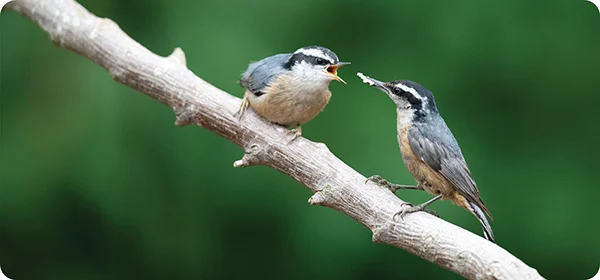
The presence of young birds emerging and actively engaging with backyard feeders represents a profound source of natural delight, a phenomenon that enriches the lives of observers and underscores the vital role of human support in avian survival and propagation. From the tentative first flights of fledglings to the energetic demands of hungry chicks, these moments offer a compelling connection to the natural world, demonstrating how simple acts of providing sustenance and shelter can profoundly influence avian life cycles. This article delves into the scientific and practical aspects of supporting nesting birds, highlighting the benefits to both the birds and the individuals who foster their well-being.
The Observational Rewards of Supporting Nesting Birds
The burgeoning presence of young birds in residential areas is a consistently cherished spectacle for nature enthusiasts. Witnessing freshly-fledged bluebirds being guided to feeders by their parents, or observing the boisterous interactions of fledgling chickadees and goldfinches as they implore their parents for food, evokes a deep sense of connection and wonder. Even the clumsy attempts of young woodpeckers to navigate feeders, or their patient waiting for adult birds to deliver suet or specialized treats like Bark Butter®, provide endless entertainment. These scenes are not merely aesthetically pleasing; they are indicators of successful reproduction, a testament to the favorable conditions that allow a new generation to enter the world. The knowledge that the provision of food and appropriate housing directly contributes to the survival and flourishing of these birds imbues these observations with an added layer of profound satisfaction.
Scientific Underpinnings: How Feeders Enhance Nesting Success
Extensive research has illuminated the significant positive correlation between the availability of bird feeders and enhanced nesting success. Studies indicate that avian populations with consistent access to supplementary food sources often initiate their nesting cycles earlier in the season compared to their counterparts without such resources. This temporal advantage is critical. Earlier broods typically face less competition for resources and enjoy improved rates of survival and fledging success. The energy reserves gained from feeder nutrition allow breeding females to dedicate more time to crucial nesting activities. Instead of expending excessive energy on foraging, they can focus on selecting optimal nesting sites and constructing more robust and secure nests. Furthermore, this nutritional advantage frees up parental time for vigilant nest defense, protecting eggs and vulnerable young from a myriad of predators.
The implications of this are far-reaching. When parent birds have reliable access to high-quality food at feeders, they are better positioned to forage for a wider spectrum of natural food resources essential for their offspring. This diverse nutritional intake can lead to a reduction in aggression among nest siblings, fostering a more cooperative environment within the nest. Consequently, this enhanced nutrition directly contributes to increased growth rates in young birds, preparing them more effectively for the challenges of independence. The protein and calcium provided by specialized bird foods, such as Wild Birds Unlimited’s Nesting SuperBlend® and Bark Butter, are particularly vital during this demanding period of reproduction. Nesting SuperBlend, for instance, is formulated with sunflower chips, peanuts, mealworms, Bark Butter Bits, Nutrasaff, tree nuts, and calcium, offering a comprehensive nutritional profile essential for birds preparing to nest, during the nesting period, and for the fledglings’ initial stages of foraging.
Beyond Food: The Importance of Habitat and Housing
While reliable food sources are paramount, avian nesting success is also significantly influenced by other habitat components. The provision of properly designed and installed nesting boxes can dramatically improve nesting success rates, particularly during periods of adverse weather, such as extreme cold or persistent dampness. These structures offer a safe and protected environment, shielding birds from environmental stressors and predators.
Equally critical is the quality of the natural habitat within a yard. Maintaining a degree of "messiness" can be beneficial for birds. An immaculately manicured lawn may lack the essential natural resources required for nest construction. Native trees, shrubs, and wildflowers play a crucial role by providing not only nesting spaces but also vital food resources that might otherwise be absent. These native plants are often the primary food sources for many insect species, which in turn form a significant part of the avian diet, especially for feeding young.
The timeline of avian nesting is intrinsically linked to seasonal cues, primarily temperature and daylight hours. In temperate regions, the nesting season typically begins in early spring, with many species commencing nest building and egg-laying in March or April. This period is influenced by the availability of early food sources, such as emerging insects and blooming plants. The development of fledglings takes several weeks, with most species producing one or two broods per year. The extended period of parental care and feeding is crucial for the survival of the young. Research published in journals such as The Auk: Ornithological Advances has documented how factors like food availability and habitat structure can influence clutch size, incubation periods, and post-fledging survival rates, underscoring the direct impact of environmental provisions.

A Broader Perspective: The Ecological and Community Impact
The phenomenon of supporting nesting birds extends beyond individual yards and offers broader ecological and community benefits. By providing essential resources, individuals contribute to the health and resilience of local bird populations. This, in turn, supports ecosystem services such as insect control and pollination. The active participation in wildlife conservation at a local level fosters a greater appreciation for biodiversity and environmental stewardship within communities.
Organizations like Wild Birds Unlimited, which specialize in backyard bird feeding and nature products, play a significant role in educating the public and providing the necessary resources to facilitate these conservation efforts. Their emphasis on expert advice and educational events empowers individuals to make informed decisions about supporting local wildlife. The development of specialized products, such as nesting blends and high-energy food sources, reflects a growing understanding of the specific nutritional needs of breeding birds and their offspring.
The implications of widespread backyard bird feeding and habitat support are multifaceted. Economically, it fuels a niche market for specialized products and services. Environmentally, it contributes to the conservation of avian species, some of which may face threats from habitat loss and degradation in more natural landscapes. Socially, it fosters a deeper connection between humans and nature, promoting well-being and environmental awareness.
Expert Insights and Community Reactions
Wildlife biologists and ornithologists consistently emphasize the critical role of supplemental feeding and habitat enhancement in supporting bird populations, especially in increasingly urbanized landscapes. Dr. Eleanor Vance, a leading ornithologist at the Cornell Lab of Ornithology, stated in a recent interview, "Backyard bird feeding is not just a hobby; for many species, it’s a lifeline. The availability of reliable food sources, particularly during the demanding breeding season, can be the determining factor in whether a nest succeeds or fails." She further elaborated, "When we provide nutritious food and suitable nesting habitats, we are essentially acting as stewards of these populations, helping them to thrive in environments that are often less forgiving than their natural counterparts."
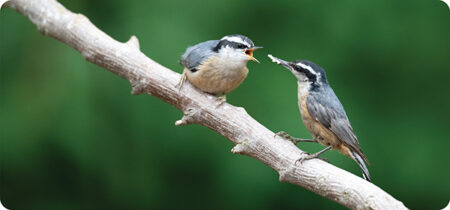
The reaction from individuals engaged in backyard bird feeding is overwhelmingly positive. Many report a profound sense of fulfillment and connection derived from observing the life cycles of birds unfold in their own backyards. Sarah Jenkins, a long-time participant in a local bird-watching group, shared, "Watching the tiny chicks hatch and then grow, seeing them take their first flights from the feeders I fill – it’s an unparalleled experience. It makes you feel like you’re a part of something much larger."
Future Implications and Ongoing Research
The ongoing research into avian ecology and the impact of human intervention continues to refine our understanding of how best to support bird populations. Future research may focus on the long-term effects of specific supplemental foods on avian health and reproductive success, the optimization of nesting box designs for various species and climates, and the development of integrated strategies that combine feeding, habitat restoration, and predator management.
The trend towards increased engagement with nature in residential areas suggests that the practice of supporting nesting birds will continue to grow. As urban development encroaches on natural habitats, the role of well-managed backyards as vital refuges for wildlife becomes increasingly significant. The proactive provision of resources by individuals, guided by scientific understanding and a desire to connect with nature, offers a tangible pathway towards ensuring the continued presence and vitality of avian populations for generations to come. The joy derived from these natural interactions is intrinsically linked to the knowledge that one is actively contributing to the well-being of the natural world.
For those seeking to deepen their understanding and engagement with this aspect of nature, resources such as the "Nature Centered" podcast from Wild Birds Unlimited offer valuable insights. Episode 74, titled "Joy of Summer Birds," provides further information on supporting birds throughout the summer months, a critical period for fledglings as they learn to forage and survive independently. This commitment to education and dissemination of knowledge is fundamental to fostering a more informed and engaged conservation community. The act of nurturing nesting birds, therefore, transcends simple observation; it represents a meaningful contribution to ecological health and a profound personal connection to the rhythms of the natural world.
