
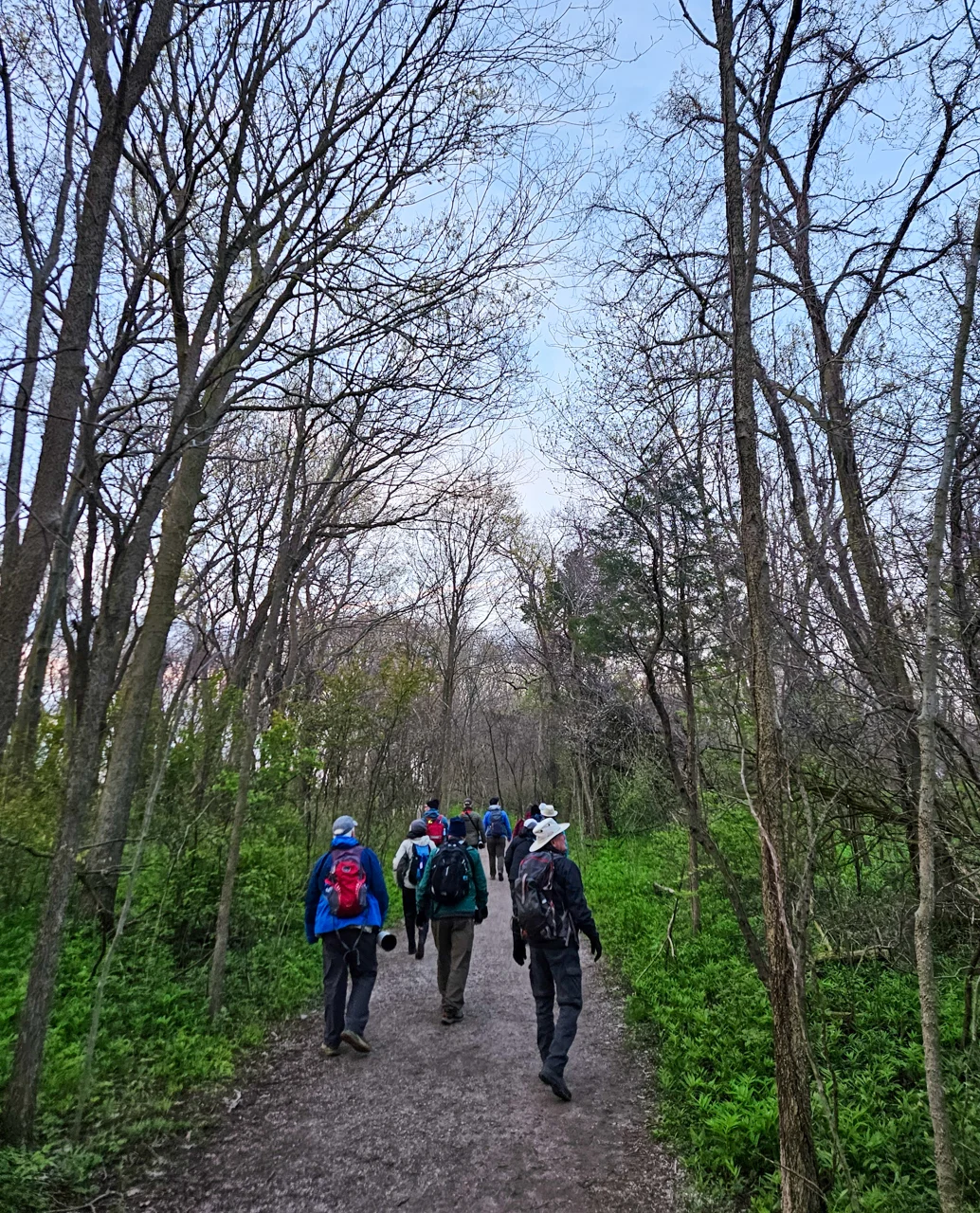
Lake Erie’s northern shoreline has once again solidified its reputation as one of North America’s premier migratory corridors following a successful nine-day spring expedition that documented 156 bird species, several rare vagrants, and a diverse array of regional flora and fauna. The expedition, which traversed the critical habitats of Point Pelee, Rondeau, and Long Point, provided a detailed window into the peak of the Neotropical migration. This annual phenomenon, driven by the geography of the Great Lakes, funnels millions of songbirds, shorebirds, and raptors through a series of peninsulas that serve as vital "stopover" points for exhausted migrants crossing the water from the United States into Canada.
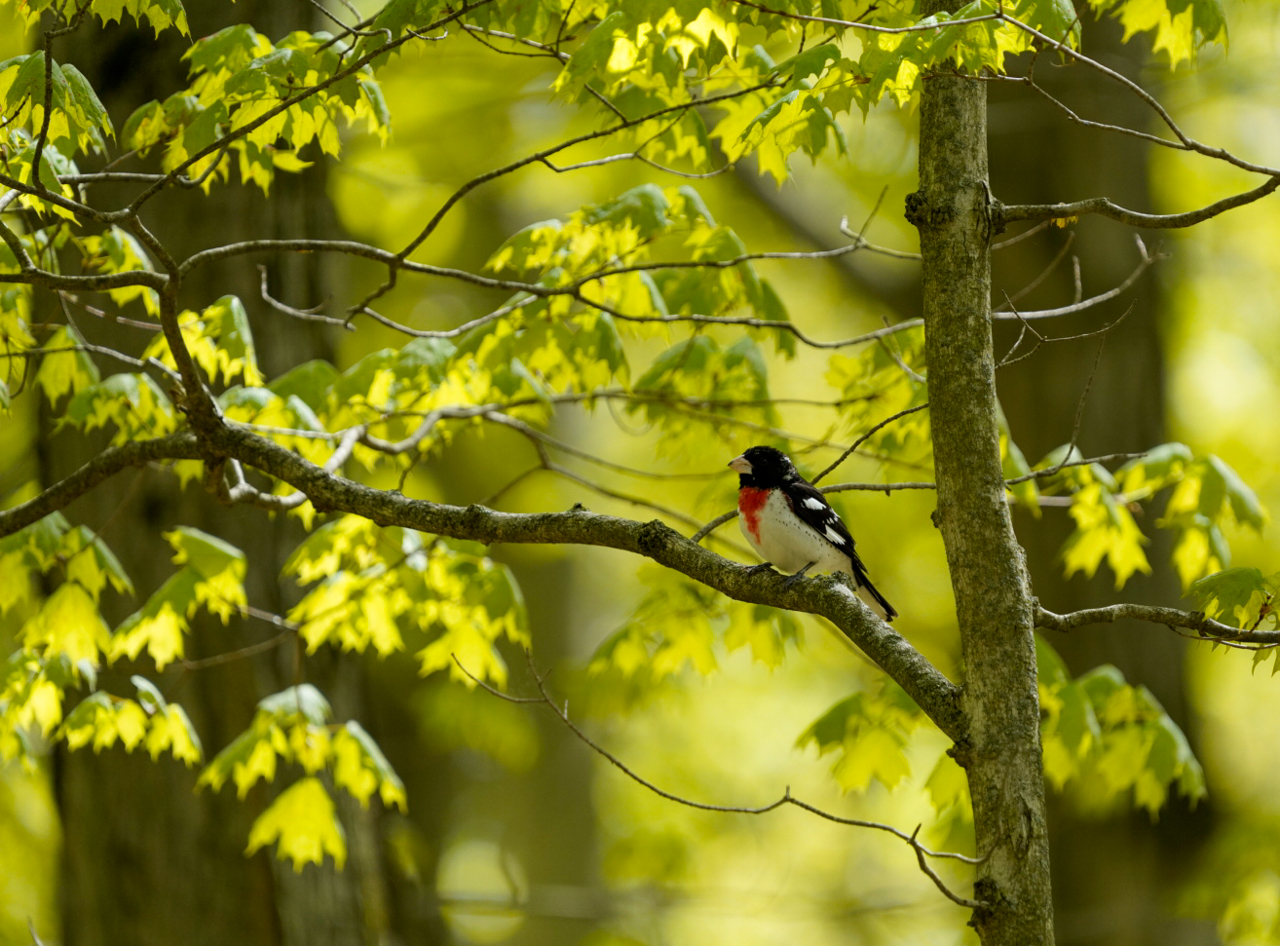
The 2024 Lake Erie Spring Migration tour combined citizen science, ecological education, and high-level field identification. Led by experienced naturalists, including coordinators from the Long Point Bird Observatory (LPBO) and Birds Canada, the group analyzed the broader ecological health of the region while documenting specific avian trends. The findings from this year’s survey highlight the ongoing importance of the Carolinian forest zone and the specialized wetland habitats that characterize the north shore of Lake Erie.
The Strategic Importance of the Lake Erie Flyway
The geography of Southwestern Ontario creates a natural bottleneck for birds migrating north from Central and South America. As birds reach the southern shores of the Great Lakes, they often hesitate to cross large expanses of open water. This leads to high concentrations of birds along peninsulas like Point Pelee and Long Point, which extend deep into Lake Erie. These landmasses offer the first available forage and shelter for birds that have completed a nocturnal crossing.
The region is also home to the Carolinian Life Zone, a unique ecological band in Canada that supports species more commonly found in the southern United States. This includes rare hardwoods like the Black Gum and Tulip Tree, which in turn support specialized bird species such as the Prothonotary Warbler and the Cerulean Warbler. The expedition’s focus on these regions allowed for a comprehensive assessment of both common migrants and "species at risk" that rely on these fragile ecosystems.
Initial Observations and the Toronto Corridor
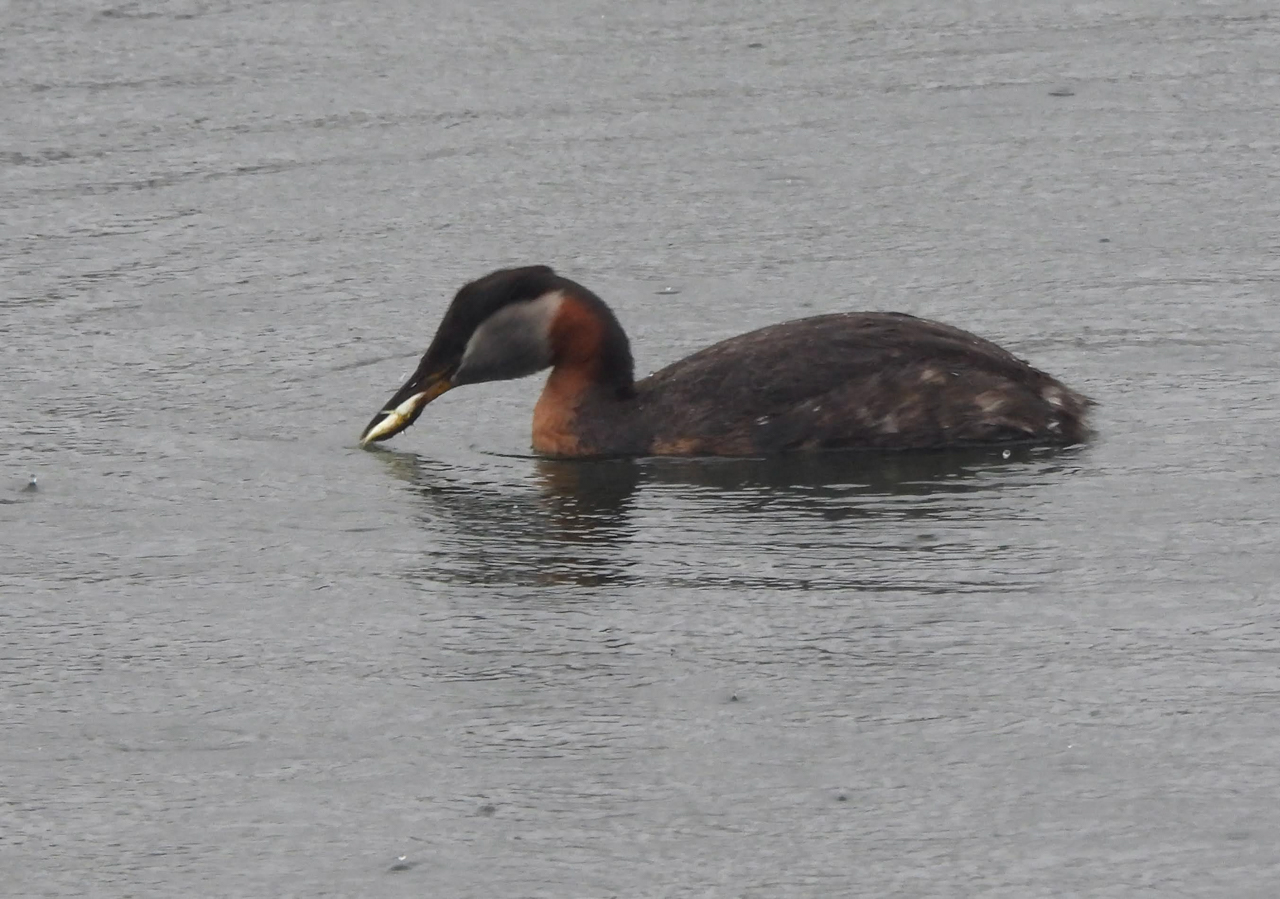
The expedition commenced in Toronto, utilizing the city’s waterfront parks as a baseline for early-season migrants and resident breeders. At Colonel Samuel Smith Park, participants observed the reproductive behaviors of Red-necked Grebes and Black-crowned Night-Herons. The park’s managed Tree Swallow nest box grid served as a case study in aerial insectivore conservation, demonstrating the high level of activity required to support brood rearing in early May.
A significant lingering population of Long-tailed Ducks was noted along the lake edge, providing researchers and enthusiasts with an opportunity to observe a variety of plumage states, from winter to transitional breeding colors. This was supplemented by the presence of Red-breasted Mergansers and Common Loons in full breeding plumage, indicating a healthy aquatic food web. As the group moved toward Leamington, the focus shifted to shorebirds. At Hillman Marsh, a flock of 15 American Avocets was a primary highlight. The presence of these striking birds, alongside Lesser and Greater Yellowlegs and Dunlin, signaled a robust shorebird passage supported by the managed water levels of the marsh’s shorebird cells.
Point Pelee National Park: The Epicenter of Spring Migration
Point Pelee National Park, often referred to as the "Warbler Capital of Canada," served as the primary site for the third and fourth days of the tour. The "Tip" of Point Pelee is the southernmost point of mainland Canada and acts as a landing strip for exhausted migrants. A pre-dawn arrival allowed the group to witness "reverse migration," where birds that have overshot their targets in the dark fly back toward the tip to find land.

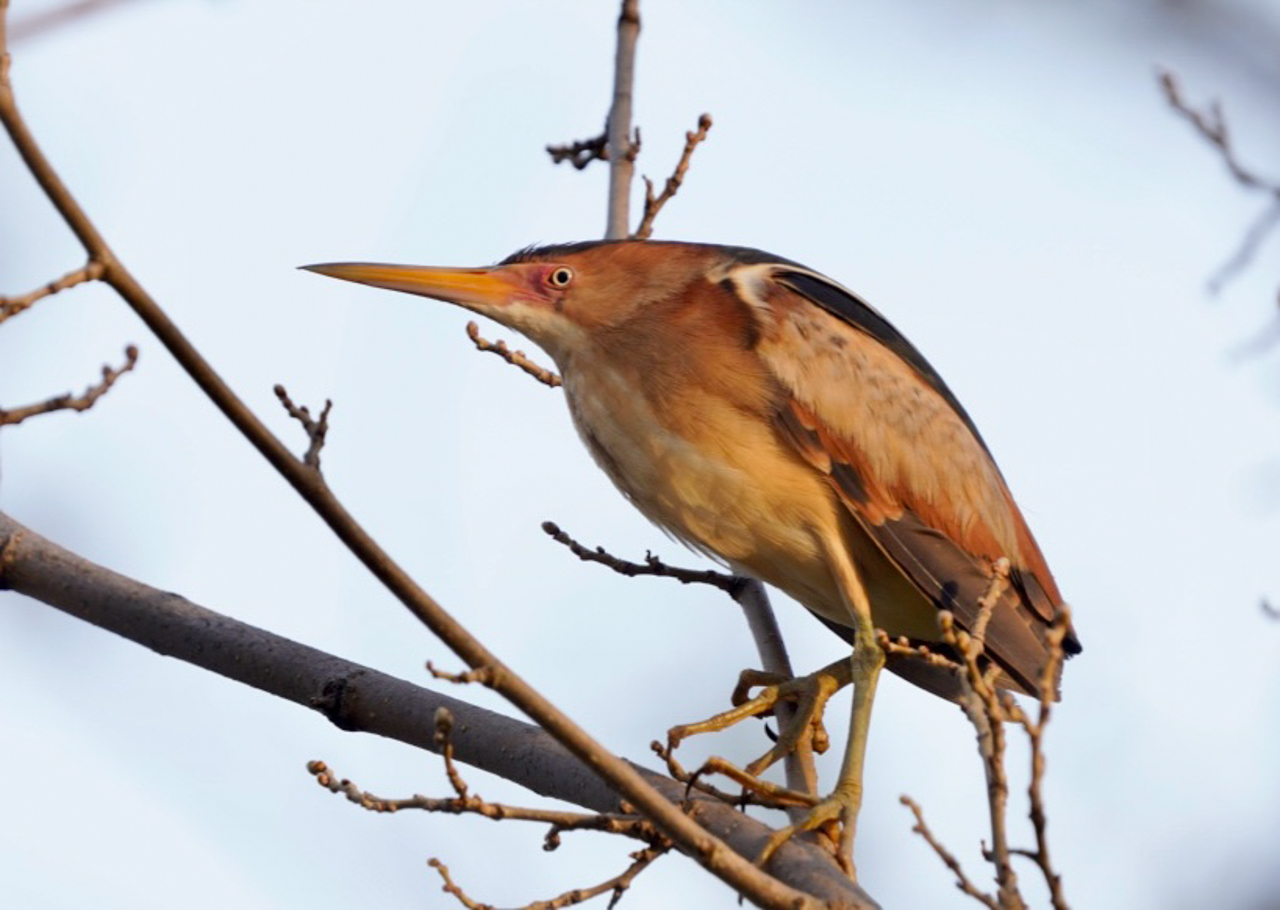
Observations at the Tip included an American White Pelican and a steady passage of Common Terns and Bald Eagles. However, the songbird diversity was the hallmark of the visit. High-visibility species such as the Scarlet Tanager and Blue-winged Warbler were recorded, but the most significant find was a Least Bittern. Typically a secretive marsh dweller, this individual was observed perched in the open in a tree near the beach—a rare behavioral display likely caused by the exhaustion of migration.
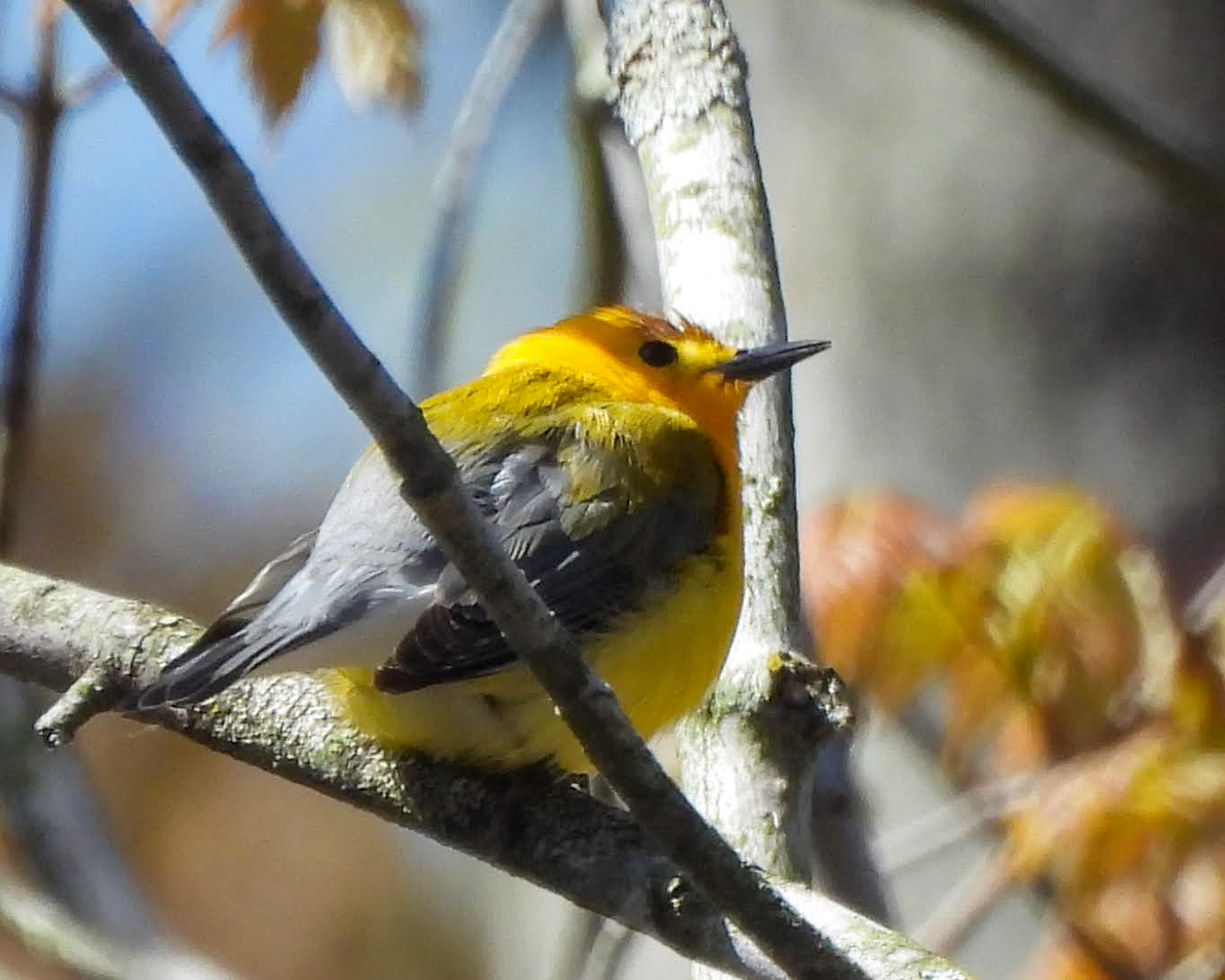
Further inland, the Woodland Trail provided views of the Prothonotary Warbler, a species currently listed as Endangered in Canada due to habitat loss. The presence of a roosting Great Horned Owl and a Fish Crow—a species that has been slowly expanding its range northward into Ontario—added significant data points to the regional survey.
Rare Occurrences and Vagrant Sightings
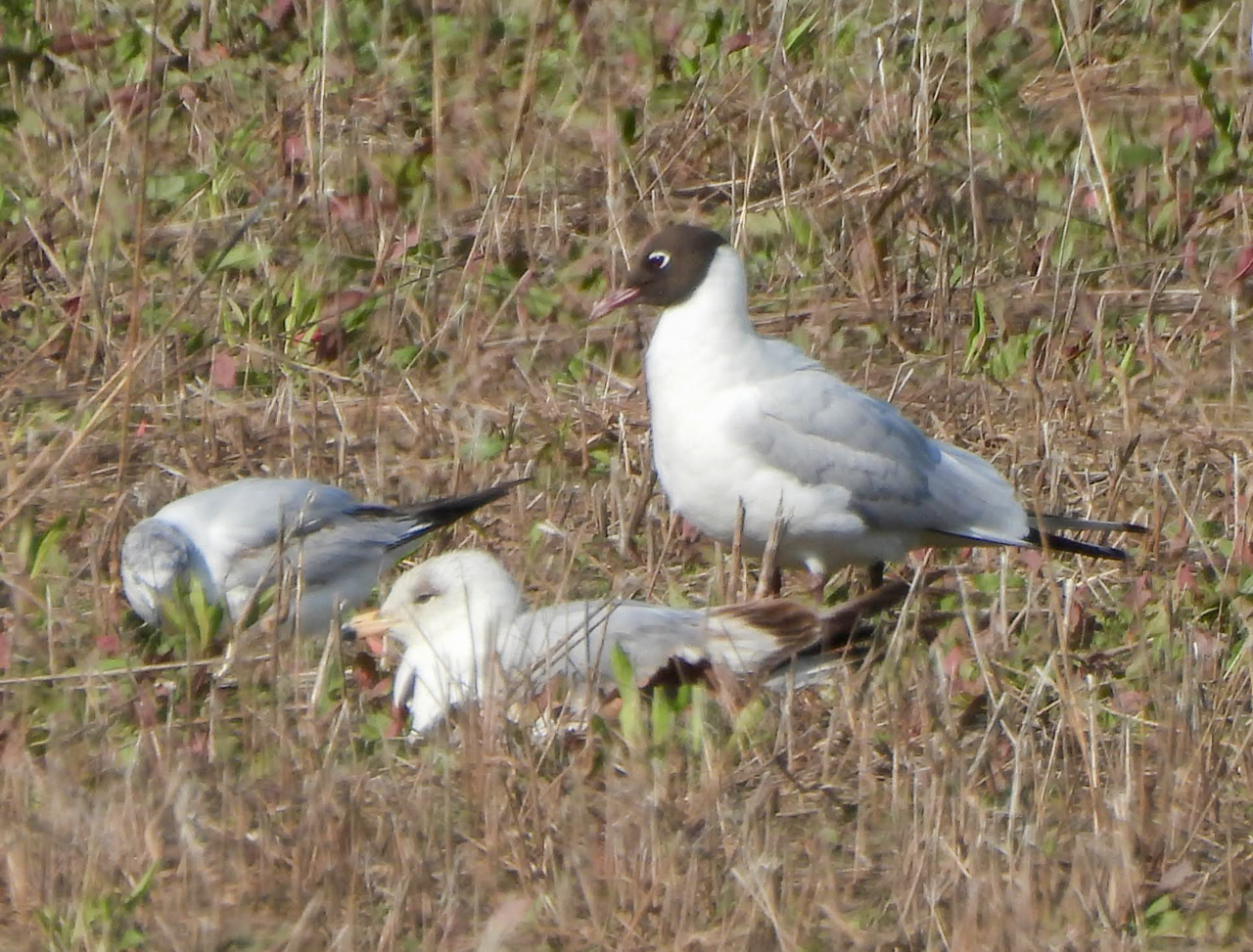
One of the most notable events of the expedition occurred at Hillman Marsh during the "golden hour" of late afternoon. Amidst a feeding flock of Long-billed Dowitchers and Dunlin, the group identified a Black-headed Gull. This species is a rare European vagrant, typically wintering on the Atlantic coast of Newfoundland and Nova Scotia. Its appearance in Southwestern Ontario is an infrequent event that drew over 100 local birders to the site, underscoring the role of such tours in contributing to real-time ornithological records.
The evening hours at Point Pelee were dedicated to observing the American Woodcock. The group witnessed the species’ elaborate "sky dance" aerial display, a critical breeding behavior. This segment of the tour also integrated celestial observations, using high-powered scopes to view Jupiter, highlighting the multidisciplinary nature of modern natural history expeditions.
Rondeau Provincial Park and the Carolinian Influence
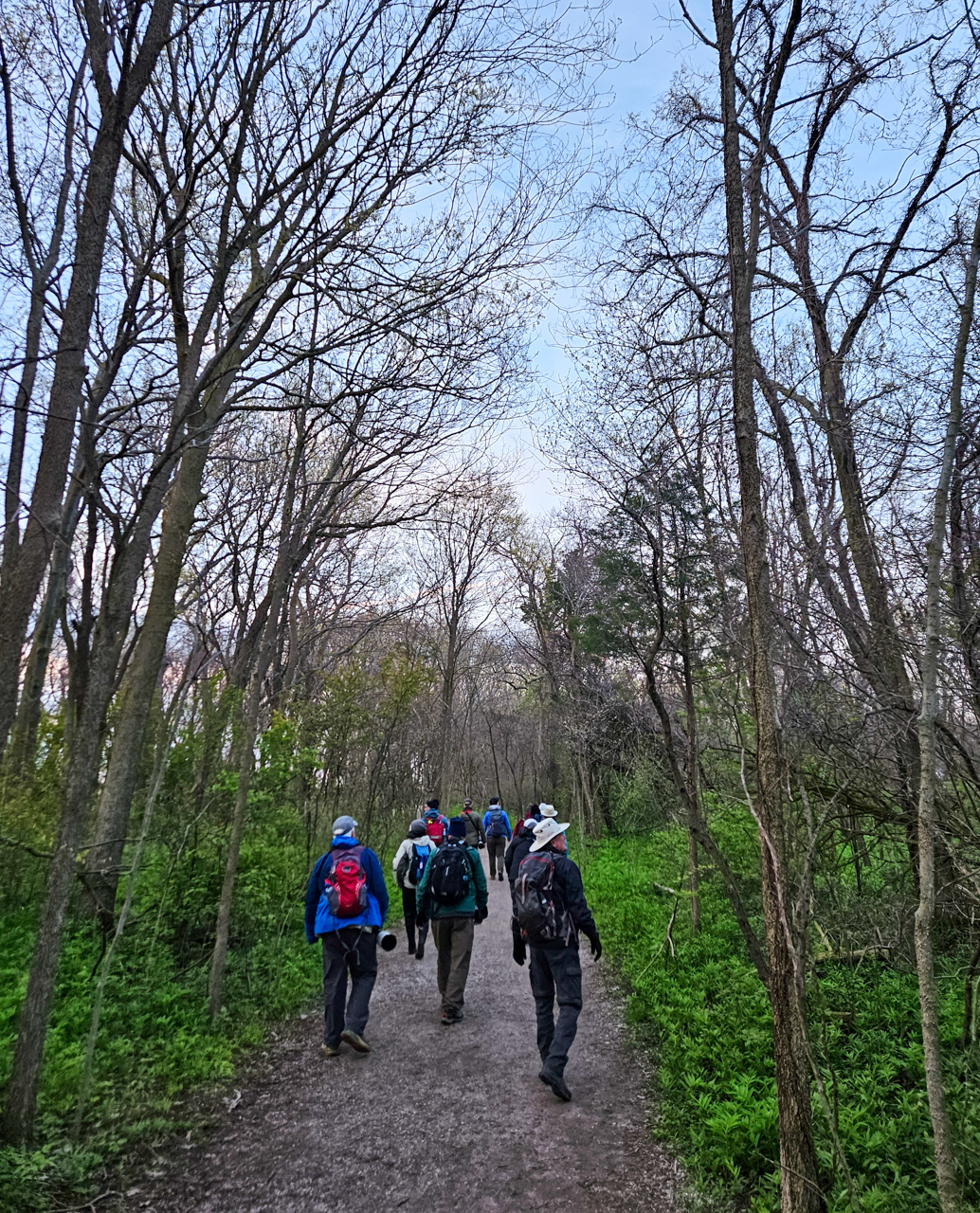
On the fifth day, the expedition moved eastward to Rondeau Provincial Park. Rondeau is characterized by its old-growth Carolinian forest and extensive marshlands. Upon arrival, the group immediately recorded a Yellow-throated Vireo, followed by Wood Thrushes and a Pileated Woodpecker.
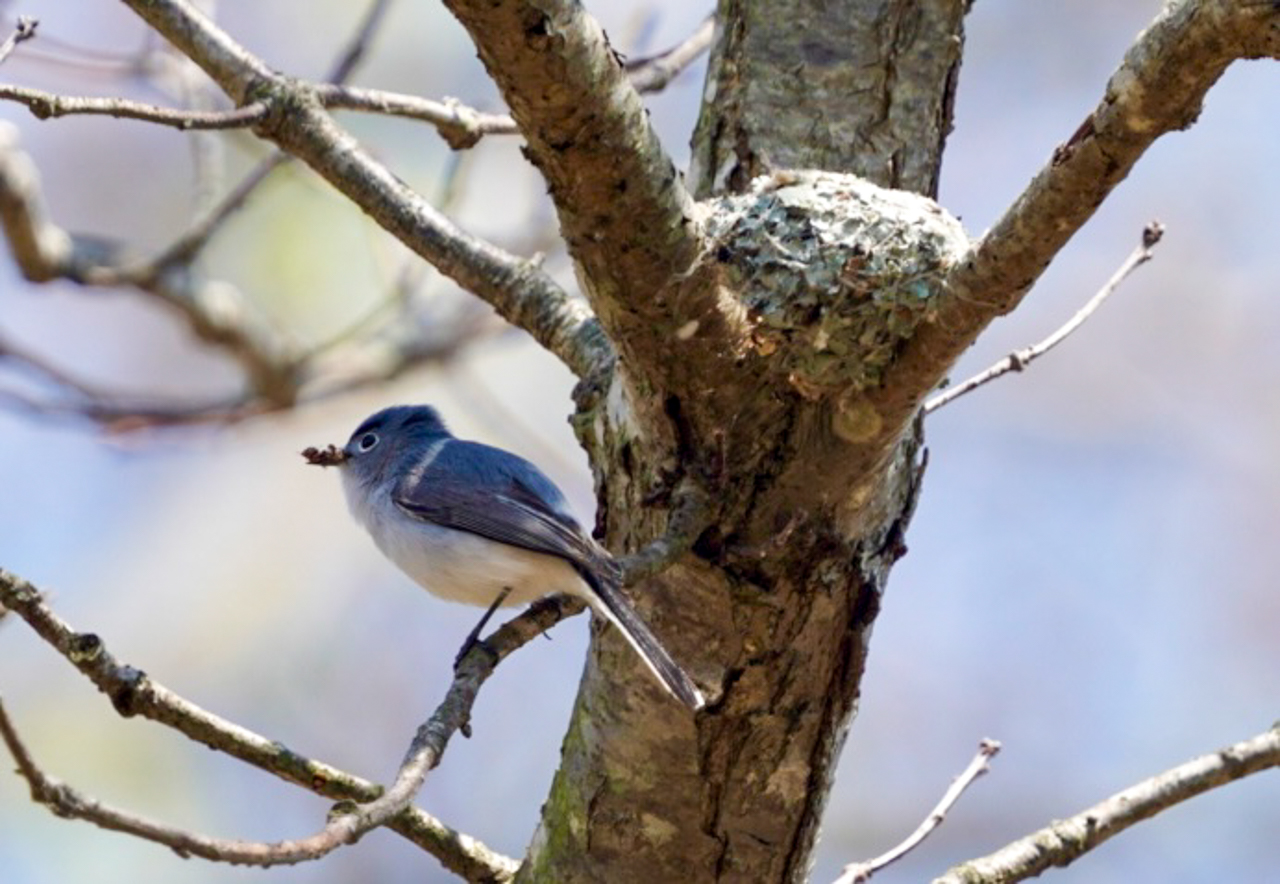
A key observation at Rondeau involved the nest-building activities of Blue-gray Gnatcatchers. Participants were able to observe the birds using lichen and spider webs to construct their delicate, cup-shaped nests, providing insight into the specialized nesting requirements of small passerines. The day concluded with the sighting of a Yellow-throated Warbler at Bennet Avenue and a Cerulean Warbler feeding in the high canopy. The Cerulean Warbler is a species of high conservation concern, and its presence in Rondeau’s mature deciduous stands is a positive indicator of the park’s ecological integrity.
Long Point Bird Observatory: Integration of Science and Field Observation
The final leg of the tour focused on the Long Point region, a UNESCO Biosphere Reserve. This phase was heavily influenced by the work of the Long Point Bird Observatory (LPBO), the oldest bird observatory in the Western Hemisphere. Under the guidance of Samuel Perfect and Natasha Barlow, participants were given a front-row seat to the bird banding process at the Old Cut research station.
Banding provides essential data on avian longevity, migration routes, and physiological health. During the demonstration, the group examined the "moult limits" of a Blue Jay and the subtle morphological differences in Least Flycatchers and Nashville Warblers. Such close-proximity analysis is vital for understanding the stresses migration places on small birds, including fat-score assessments and muscle condition.
Aerial Insectivores and Nighttime Monitoring Efforts
A specialized component of the Long Point visit involved joining Birds Canada’s aerial insectivore team. Aerial insectivores—birds that hunt insects while flying—have seen some of the most dramatic population declines of any avian group in North America. The group participated in the monitoring of Eastern Whip-poor-wills.
The successful capture and banding of a young male Whip-poor-will allowed for a detailed examination of its cryptic plumage and the "pectinate claw" (a comb-like structure on the middle toe used for preening). This data collection is part of a larger effort to understand why this nocturnal species is disappearing from much of its former range. The evening also highlighted the presence of Western Cattle Egrets and nesting Osprey, showcasing the diversity of the Long Point marshes.
The Remote Frontier: Reaching the Tip of Long Point
The expedition’s penultimate day featured a rare trip to the remote Tip of Long Point, an area largely inaccessible to the general public. Reached via a one-hour boat crossing, the Tip is a landscape of sand dunes and primary successional vegetation. This isolated environment serves as a critical final jumping-off point for birds heading further north across the province.
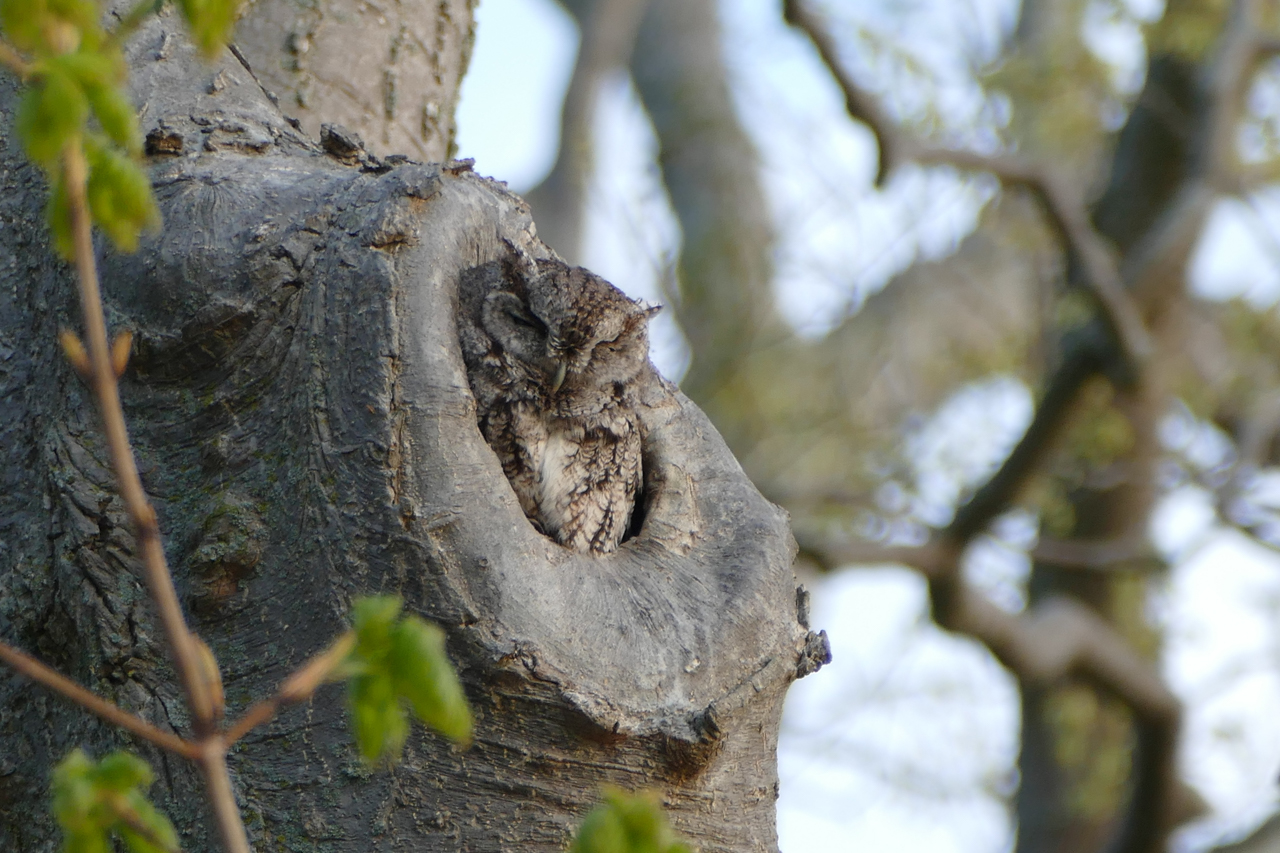
Observations at the Tip included Northern Mockingbirds, White-winged Scoters, and Bank Swallows. The presence of Bonaparte’s Gulls and Spotted Sandpipers along the shoreline illustrated the importance of these remote sandy spits for both trans-continental migrants and regional breeders. The day ended with a final significant find: a Long-eared Owl roosting in a pine grove near Old Cut, a species known for its elusive nature and strict habitat requirements.
Ecological Implications and Conservation Outlook
The documentation of 156 species over nine days serves as a vital snapshot of the current state of the Lake Erie flyway. The success of the tour highlights the resilience of migratory species but also the precarious nature of the habitats they depend upon. The sightings of Endangered species like the Prothonotary Warbler and "Special Concern" species like the Cerulean Warbler emphasize the need for continued habitat restoration and protection within the Carolinian zone.
Furthermore, the integration of professional biologists from Birds Canada and the LPBO into the tour structure ensures that the data gathered by participants contributes to long-term population monitoring. As climate change alters the timing of insect emergence and spring vegetation, the "mismatch" in migration timing remains a significant threat. Programs like the Lake Erie Spring Migration tour are essential for documenting these shifts in real-time, providing the scientific community with the data necessary to implement effective conservation strategies across the Great Lakes basin.
The expedition concluded in Toronto on the ninth day, with participants and guides reflecting on a season that provided not only remarkable rarities like the Black-headed Gull but also a deeper understanding of the complex migratory systems that define the Great Lakes region.
