
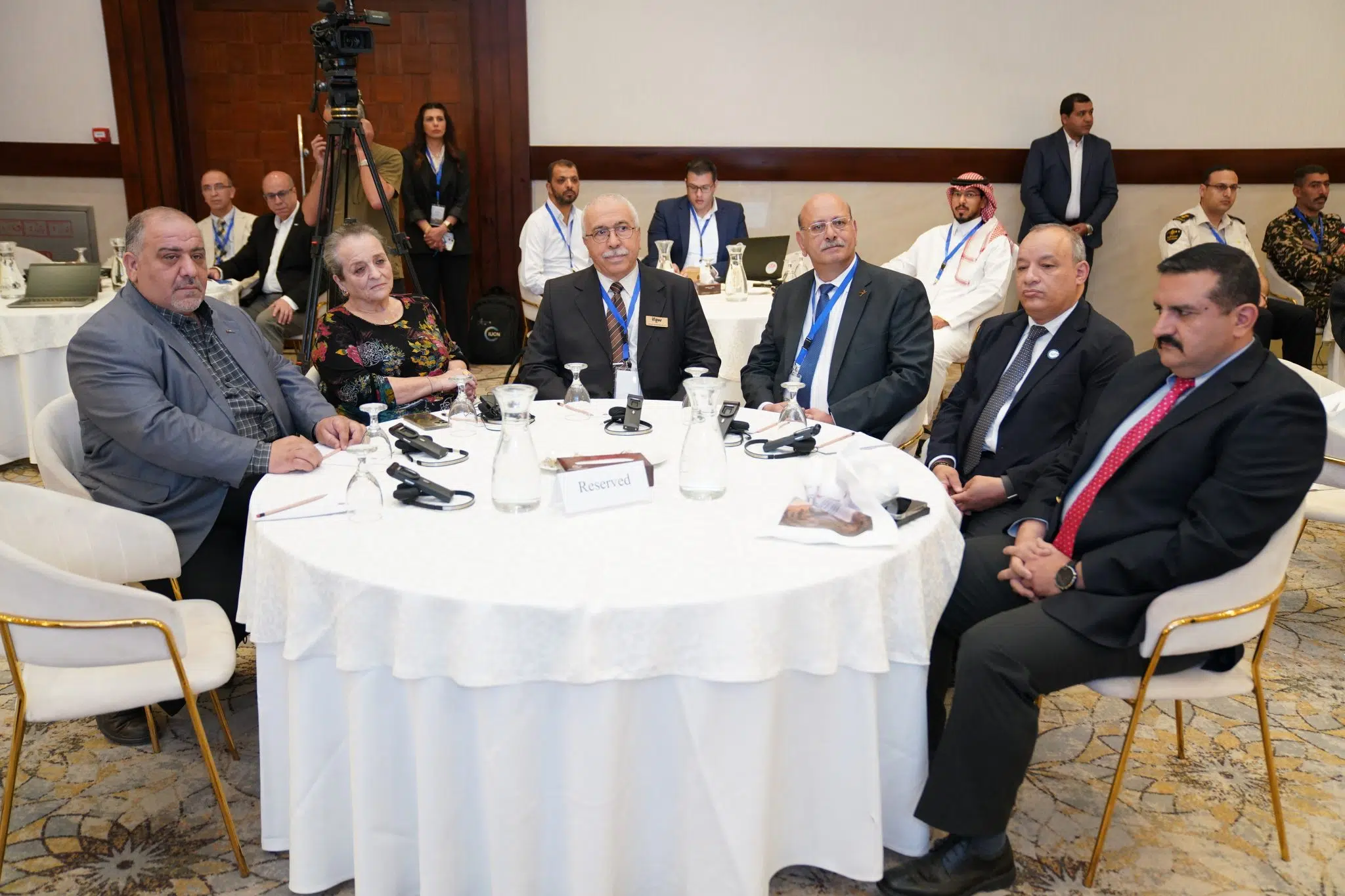
Amman, Jordan – On June 3, 2026, a critical regional workshop titled "Promoting Positive Community Behaviour to Reduce Demand for Wildlife and Birds in the Middle East" commenced in Amman, Jordan, under the distinguished patronage of Her Royal Highness Princess Alia Bint Al Hussein. This significant gathering brought together a diverse consortium of stakeholders, including governmental representatives, leading national, regional, and international environmental organizations, alongside esteemed experts in nature conservation from across the Middle East. The workshop aims to confront the escalating threats to the region’s rich biodiversity, particularly focusing on the illegal killing, taking, and trade of birds and other wildlife, by fostering positive societal attitudes and behaviours.
The Royal Call for Cultural and Behavioral Change
In her compelling opening address, Her Royal Highness Princess Alia bint Al Hussein underscored the profound importance of cultivating positive societal attitudes and behaviours towards the preservation of nature and wildlife. Princess Alia highlighted that a deep reverence and appreciation for the natural world are intrinsically woven into the fabric of Arab culture and traditions, a heritage that must be rekindled and reinforced in contemporary society.
Her Royal Highness elaborated on the pivotal role of comprehensive awareness-raising campaigns, robust educational initiatives, and the active encouragement of positive behaviours, particularly among the region’s youth. She emphasized empowering children and young people to become ambassadors of conservation, capable of disseminating vital knowledge to their peers and families. Such concerted efforts, she noted, are instrumental in fostering an informed and environmentally conscious populace that fully comprehends the severe repercussions of biodiversity loss and recognizes the imperative of safeguarding natural resources for the prosperity of future generations.
Princess Alia further stressed the indispensable value of convening regional workshops of this nature. By bringing together participants from across the Arab world, these forums facilitate the invaluable exchange of expertise, knowledge, and best practices. They provide a crucial platform for discussing shared challenges and collaboratively identifying potential, actionable solutions. This spirit of regional cooperation, Her Royal Highness concluded, is vital for fortifying wildlife conservation efforts and, critically, for securing safe migratory routes for birds as they traverse countries and regions along one of the world’s most globally significant flyways.

A Crucial Juncture for Migratory Birds: The Middle East Flyway
The Middle East lies at the heart of one of the world’s most vital migratory bird flyways – the Afro-Eurasian flyway. This aerial highway witnesses the annual passage of billions of birds, connecting breeding grounds in Europe and Asia with wintering grounds in Africa. For millennia, this region has been a critical stopover, offering essential resting, feeding, and breeding sites. However, this ancient passage is increasingly perilous. The illegal killing, taking, and trade of birds represent a monumental threat to species that are already facing pressures from habitat loss, climate change, and pollution.
Recent comprehensive assessments paint a stark picture. The "The Killing 3.0" report, recognized as the most thorough independent evaluation of illegal bird killing in the Mediterranean region, revealed that approximately 25 million birds are illegally killed, trapped, or poisoned each year across this vast area. These victims range from the smallest, most delicate songbirds to the majestic and globally threatened birds of prey. While the report did offer a glimmer of hope, estimating a 20 percent decline in illegal bird killing levels compared to previous assessments, it also highlighted a critical challenge: progress remains highly uneven across countries. High levels of illegal bird killing in a single nation can tragically undermine conservation gains painstakingly achieved elsewhere along the interconnected migratory flyways. This disparity unequivocally underscores the urgent need for intensified regional cooperation, sustained financial investment, and unwavering long-term political commitment to secure lasting and equitable conservation results.
The current workshop serves as a direct response to this ongoing crisis, building upon foundational work to implement the "Safe Flyways for Migratory Birds Project 3: Reducing Illegal Killing of Birds." This critical project is actively being implemented in Lebanon, Syria, Palestine, and other Mediterranean countries, aiming to create safer passage for migratory species through targeted interventions and regional collaboration.
Workshop Objectives: Bridging Science and Action
Organized collaboratively by BirdLife International – Middle East and the International Fund for Animal Welfare (IFAW), in partnership with the Royal Society for the Conservation of Nature (RSCN), the Princess Alia Foundation, and the Jordanian Ministry of Environment, the workshop is meticulously designed to introduce and integrate behavioural change principles and approaches drawn from the social sciences. A core objective is to deepen the collective understanding of the intricate behavioural, social, economic, and cultural factors that fuel the illegal killing, taking, and trade of birds across the Middle East.

Furthermore, the event aims to catalyse the development of robust, evidence-based solutions and innovative future initiatives specifically tailored to reduce the demand for illegally sourced wildlife and birds. A paramount goal is to significantly strengthen regional cooperation among governments, diverse civil society organizations, leading experts, and international partners, forging a united front to protect migratory birds and safeguard the rich tapestry of biodiversity throughout the entire region.
Leading Voices on Conservation and Behavioural Change
Several prominent figures delivered insightful remarks, emphasizing various facets of the conservation challenge and the path forward.
Ibrahim Al Khader, Regional Director of BirdLife International – Middle East, articulated BirdLife’s indispensable role, through its extensive network of national partners worldwide, in elevating the issue of illegal bird killing onto the agendas of international agreements and forums. He highlighted the organization’s commitment to supporting independent monitoring efforts and generating the crucial scientific evidence required to inform government policies and strategic decision-making processes. Al Khader pointed out that the workshop’s timing is particularly pertinent, as global assessments consistently identify unsustainable human activities and behaviours as primary drivers of biodiversity loss. Conversely, he noted, positive behavioural change holds immense potential as a critical solution to these multifaceted challenges. He reiterated that in the Middle East, a region pivotal to global bird migration, illegal and unsustainable killing, taking, and trade continue to pose grave threats to numerous migratory and resident bird species, including those of acute global conservation concern. Al Khader stressed that achieving meaningful progress necessitates transcending a sole reliance on legislation and law enforcement. Instead, it demands a profound and nuanced understanding of the underlying social, economic, and cultural factors that perpetuate the demand for birds and other wildlife.
Mr. Abdul Razzaq Al Hamoud, Director of Protection and Sustainable Hunting at the Royal Society for the Conservation of Nature (RSCN), reaffirmed Jordan’s unwavering commitment to nature conservation, a priority since the very establishment of the Kingdom. This commitment, he explained, has been demonstrated through continuous efforts to promote public awareness and foster robust partnerships between national institutions and civil society organizations. Al Hamoud highlighted RSCN’s ongoing implementation of various conservation programmes and its dedication to promoting sustainable hunting practices, all in support of broader biodiversity conservation goals. He affirmed the Society’s active role in national and regional efforts aimed at protecting nature and wildlife. While acknowledging that the "Safe Flyways Project" is not directly implemented in Jordan, Al Hamoud emphasized RSCN’s steadfast commitment to sharing its extensive expertise and successful experiences, thereby contributing to advancing wildlife conservation efforts across the entire region. He further illuminated that challenges stemming from regional instability have regrettably contributed to a discernible increase in illegal hunting and wildlife trafficking. In response, RSCN is collaborating closely with a diverse array of partners to develop and deliver accurate awareness and information campaigns designed to promote positive behaviours that bolster nature conservation and the sustainable management of natural resources.
Dr. Akram Issa Darwish, Regional Director of the International Fund for Animal Welfare (IFAW), underscored that a primary driver behind IFAW’s global focus on transforming social perceptions and behaviours is the profound impact these factors exert on the sustainability and survival of wildlife and its intricate components. He asserted that achieving genuine and lasting change mandates strong coordination, the systematic exchange of expertise and research findings, and close collaboration among all relevant stakeholders within each country, encompassing both governmental and non-governmental entities. Such comprehensive cooperation, Dr. Darwish contended, is vital for reshaping attitudes and behaviours that have historically inflicted detrimental impacts on wildlife and the delicate ecosystems upon which they depend.

Dr. Hani Al Shaer, Regional Director of the International Union for Conservation of Nature (IUCN) – West Asia Regional Office, profoundly emphasized that sustainable and lasting conservation impact fundamentally originates from understanding human populations, effectively influencing their behaviour, and empowering local communities to evolve into true champions of nature. This human-centric approach, he stressed, is paramount for successful long-term conservation outcomes.
Eng. Bilal Qteishat, Director of the Nature Protection Directorate at the Jordanian Ministry of Environment, asserted that the Ministry considers behavioural change to be one of the foundational pillars of biodiversity conservation and habitat protection. He underscored that local communities are, in essence, the primary and most crucial partners in safeguarding and ensuring the sustainability of biodiversity components. Through a combination of national programmes and strategic partnerships with national and international civil society organizations, the Ministry actively strives to promote behavioural change. This is achieved by delivering carefully targeted awareness and guidance messages that encourage positive environmental practices and robustly support broader conservation efforts.
A Legacy of Commitment: Building on Past Successes
This significant workshop marks the second of its kind at the regional level, strategically building upon the substantial outcomes of the inaugural regional workshop held in Jordan in 2024. The previous gathering highlighted the pressing need to strengthen regional cooperation and to innovate new tools and strategies to effectively address the complex underlying causes and motivations driving the illegal killing, taking, and trade of birds. The continuity of these workshops underscores a long-term commitment to evolving strategies and adapting to new insights in the fight against wildlife crime.
Throughout the current workshop, participants will delve deeply into how behavioural change approaches, rooted in social science, can be effectively applied to diminish the demand for illegally sourced wildlife and birds across the Middle East. Discussions will meticulously explore core behavioural change concepts and practical tools, alongside a comprehensive examination of the multifaceted social, economic, and cultural factors that propel the illegal killing, taking, and trade of birds.
Dedicated sessions will also critically examine the pervasive role of traditions and established social norms, the potential of sustainable livelihood alternatives to reduce reliance on illegal activities, and the strategic deployment of effective communication, awareness-raising, and educational initiatives in fostering positive attitudes and behaviours towards birds and the broader spectrum of wildlife. Furthermore, participants will engage in robust discussions concerning the opportunities and inherent challenges for regional and international cooperation in comprehensively addressing these complex issues. The workshop will additionally explore current and emerging trends within the bird trade across the region, critically assessing the role of technology and digital platforms in influencing the demand for wildlife. Future priorities for the seamless integration of behavioural change approaches into ongoing and prospective bird conservation projects and initiatives will also be thoroughly addressed.

Pathways to Sustainable Conservation and Regional Harmony
A central tenet expected to emerge from the workshop’s deliberations is the resounding emphasis that understanding the profound and varied motivations behind human behaviour is absolutely fundamental to developing more effective, sustainable, and equitable conservation solutions. These motivations, it will be highlighted, are not monolithic; rather, they vary significantly across diverse social, economic, and cultural contexts, thereby necessitating highly tailored responses that meticulously reflect the specific circumstances and unique needs of individual communities.
The workshop is poised to culminate in the production of a comprehensive set of practical recommendations and actionable initiatives. These outcomes will be specifically aimed at significantly reducing the demand for illegal activities involving birds and other wildlife, while simultaneously bolstering regional cooperation and substantially supporting the overarching biodiversity conservation efforts throughout the Middle East. This collective commitment promises to lay a stronger foundation for a future where both human communities and the natural world can thrive in harmony, ensuring the enduring legacy of the region’s invaluable natural heritage. The sustained success of these efforts hinges on the unwavering dedication of all stakeholders to translate these recommendations into concrete actions, fostering a culture of respect and protection for the region’s extraordinary wildlife.
