
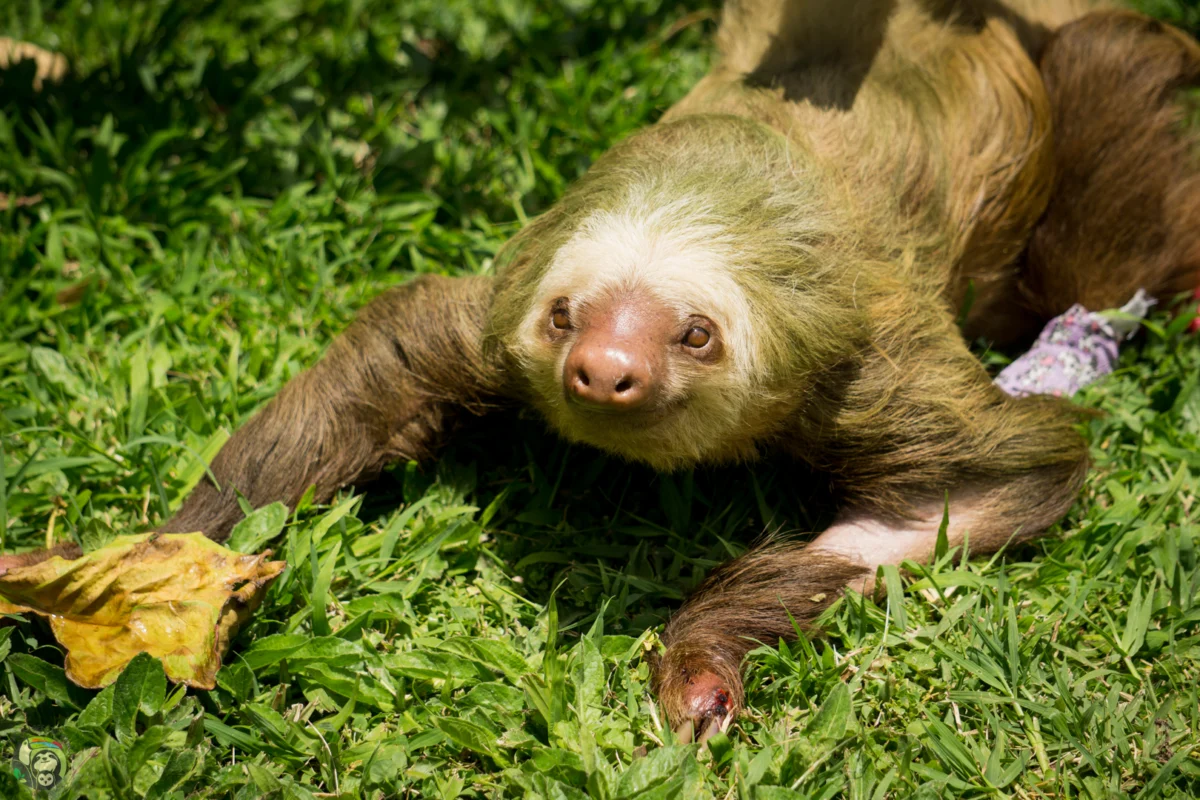
The Toucan Rescue Ranch, a premier wildlife rescue and rehabilitation center located in the lush highlands of San Josecito, Heredia, Costa Rica, has established itself as a global leader in the specialized field of wildlife medicine. Founded in 2004, the organization has evolved from a small sanctuary for rescued birds into a sophisticated medical facility capable of treating a diverse array of Costa Rican fauna, including sloths, wild cats, owls, and various species of toucans. The cornerstone of the ranch’s success lies in its rigorous application of veterinary science, which bridges the gap between compassionate rescue and high-level clinical intervention. As human encroachment and infrastructure development continue to pose significant threats to tropical biodiversity, the medical protocols developed at Toucan Rescue Ranch (TRR) serve as a vital defense for the nation’s "green" heritage.
The Foundations of Specialized Wildlife Veterinary Care
The medical philosophy at Toucan Rescue Ranch is predicated on the understanding that wild animals require a fundamentally different approach than domestic pets. Unlike cats or dogs, wildlife patients possess unique physiological stressors and a biological imperative to hide signs of illness or injury—a survival mechanism known as the "masking phenomenon." To counter this, the TRR veterinary team employs a multifaceted diagnostic strategy. Every animal admitted to the facility, whether a victim of the illegal pet trade, a car strike, or an electrocution, undergoes a comprehensive health assessment.
This initial evaluation includes detailed physical examinations, hematology, and biochemistry panels. Because many of these animals are found in states of extreme trauma, the ranch utilizes advanced imaging technology, such as digital radiography and ultrasonography, to detect internal fractures or organ damage that are not visible to the naked eye. This data-driven approach allows the medical team to move beyond symptomatic treatment, developing targeted intervention plans that address the root cause of an animal’s distress while minimizing the "capture stress" that can often be fatal to sensitive species like sloths and hummingbirds.
A Chronology of Care: From Rescue to Release
The lifecycle of a patient at Toucan Rescue Ranch follows a strict chronological progression designed to maximize the chances of successful reintegration into the wild. This process begins with the "Rescue and Stabilization" phase. In many cases, animals are brought to the ranch by the Ministry of Environment and Energy (MINAE) or by concerned citizens. The first 24 to 48 hours are critical; the focus is on fluid therapy, pain management, and thermal regulation.
Once stabilized, the "Clinical Intervention" phase begins. This may involve complex surgeries, such as the shell reconstruction of a turtle injured by a boat propeller or the orthopedic stabilization of a bird with a broken wing. The ranch’s clinic is equipped for avian and exotic medicine, utilizing specialized anesthesia protocols that account for the varied metabolic rates of different species.
Following surgery or medical treatment, the "Rehabilitation and Behavioral Recovery" phase takes center stage. This is perhaps the most labor-intensive stage, as it requires the animal to regain its natural instincts. TRR utilizes recovery enclosures that are meticulously designed to simulate the animal’s natural habitat. For a sloth, this means vertical climbing structures and a canopy-like environment; for an aquatic bird, it involves filtered water features. During this time, the veterinary team monitors the patient through "soft" observation to ensure it is self-feeding and exhibiting species-appropriate behaviors.
The final stage is "Pre-Release Conditioning." Before an animal is returned to the wild, it must pass a series of rigorous health and behavioral benchmarks. For example, birds must demonstrate "flight fitness" in large aviaries, and predators must show they can hunt or forage effectively. The organization often utilizes a "soft release" method at their Sarapiquí site, where animals are allowed to transition back into the jungle gradually while still being monitored by conservationists.
Specialized Treatments and Technological Integration
One of the most remarkable aspects of the medical program at Toucan Rescue Ranch is its adoption of cutting-edge technology to treat injuries that were once considered terminal. Electrocution, caused by uninsulated power lines, is one of the leading causes of death for sloths in Costa Rica. These injuries often result in severe tissue necrosis and nerve damage. To treat these cases, TRR has pioneered the use of laser therapy to stimulate cellular repair and reduce inflammation.
Furthermore, the ranch’s expertise in avian medicine has led to breakthroughs in treating "Iron Storage Disease" (hemochromatosis) in toucans, a condition often exacerbated by improper diets in the illegal pet trade. By combining nutritional science with pharmaceutical intervention, the ranch has successfully reversed the effects of this metabolic disorder in numerous residents. The medical team also utilizes 3D-printing technology and innovative prosthetic designs to assist animals with permanent physical disabilities, though the ultimate goal remains the restoration of full functionality for release.
Nutritional Support and Preventative Protocols
At Toucan Rescue Ranch, nutrition is viewed as a form of medicine. The facility employs a dedicated team of nutritionists who formulate species-specific diets that replicate the complex nutrient profiles found in the rainforest. For folivores like the three-toed sloth, this involves sourcing specific species of Cecropia leaves, while for frugivorous birds, it requires a precise balance of vitamins and minerals to prevent bone density issues.
Preventative medicine is equally critical to the sanctuary’s biosecurity. With a high density of animals in a concentrated area, the risk of zoonotic disease transmission is a constant concern. The veterinary team implements strict quarantine protocols for all new arrivals and conducts routine screenings for parasites and infectious diseases. Vaccinations are administered where appropriate, and the staff follows rigorous hygiene standards to prevent the cross-contamination of pathogens between different species and enclosures.
Supporting Data and Conservation Impact
The impact of Toucan Rescue Ranch’s medical work is reflected in its impressive survival and release statistics. While wildlife rehabilitation is notoriously difficult—with global success rates often hovering below 40%—TRR has consistently reported higher success rates for specific flagship species. In recent years, the ranch has handled hundreds of cases annually, with a significant portion of those animals being successfully returned to protected biological corridors.
Data collected from the clinic also contributes to broader scientific knowledge. By documenting the types of injuries and illnesses seen in the facility, TRR provides researchers with a "canary in the coal mine" perspective on the health of Costa Rica’s ecosystems. For instance, a spike in respiratory issues among rescued owls might indicate a localized environmental toxin or a shift in climate-driven pathogen distribution.
Education, Training, and the Global Exchange of Knowledge
Toucan Rescue Ranch is not merely a hospital; it is a center for higher learning. The organization hosts an international internship and residency program that draws veterinary students, biologists, and conservationists from across the globe. These participants receive hands-on training in exotic animal medicine, learning techniques that are rarely taught in traditional domestic-focused veterinary schools.
By sharing their medical protocols through workshops and published case studies, the ranch ensures that their innovations have a global reach. "The goal is not just to save the animal in front of us, but to elevate the standard of care for wildlife worldwide," noted a representative of the medical team. This educational outreach is vital for creating a new generation of veterinarians equipped to handle the unique challenges of biodiversity conservation.
Official Responses and Institutional Collaboration
The success of the ranch is bolstered by its close collaboration with the Costa Rican government and other non-governmental organizations (NGOs). MINAE officials have frequently lauded the ranch for its professional standards and its role as a primary receiver for confiscated wildlife. According to local conservation authorities, facilities like TRR are essential infrastructure for the enforcement of wildlife protection laws. Without a high-quality medical center to receive injured animals, the legal system would struggle to manage the logistics of wildlife rescue.
Statements from international conservation partners highlight the ranch’s role in the "One Health" initiative—a global framework that recognizes the interconnectedness of human, animal, and environmental health. By treating wildlife and monitoring for emerging diseases, TRR acts as a frontline defender against potential pandemics and ecological collapses.
Broader Implications for Wildlife Conservation
The work performed at Toucan Rescue Ranch carries profound implications for the future of conservation in the 21st century. As habitat fragmentation continues to force wildlife into closer contact with human environments, the frequency of traumatic injuries is expected to rise. The ranch’s focus on "Wildlife Medicine" represents a shift from passive conservation (simply protecting land) to active conservation (intervening to save individuals and species).
While some critics of wildlife rehabilitation argue that resources should be spent exclusively on habitat preservation, the team at TRR argues that every individual matters for the genetic diversity of a species. In a world where some species have dwindled to just a few hundred individuals, the survival of a single breeding adult can be the difference between extinction and recovery.
Furthermore, the medical care provided at the ranch serves as a powerful tool for public engagement. Each animal’s story of recovery provides a narrative that connects the public to the abstract concept of "biodiversity." When people see the meticulous care given to a wounded oncilla or a blinded owl, it fosters a culture of empathy and environmental stewardship.
In conclusion, Toucan Rescue Ranch stands as a testament to what can be achieved when scientific rigor is paired with a deep-seated commitment to animal welfare. Through its comprehensive health assessments, specialized treatments, and dedication to rehabilitation, the ranch is not only saving individual lives but is also contributing to the long-term resilience of Costa Rica’s incomparable natural heritage. As they continue to innovate and educate, the ranch ensures that the call of the toucan and the slow movement of the sloth will remain a permanent fixture of the Central American landscape.
