
Published on: May 19, 2026
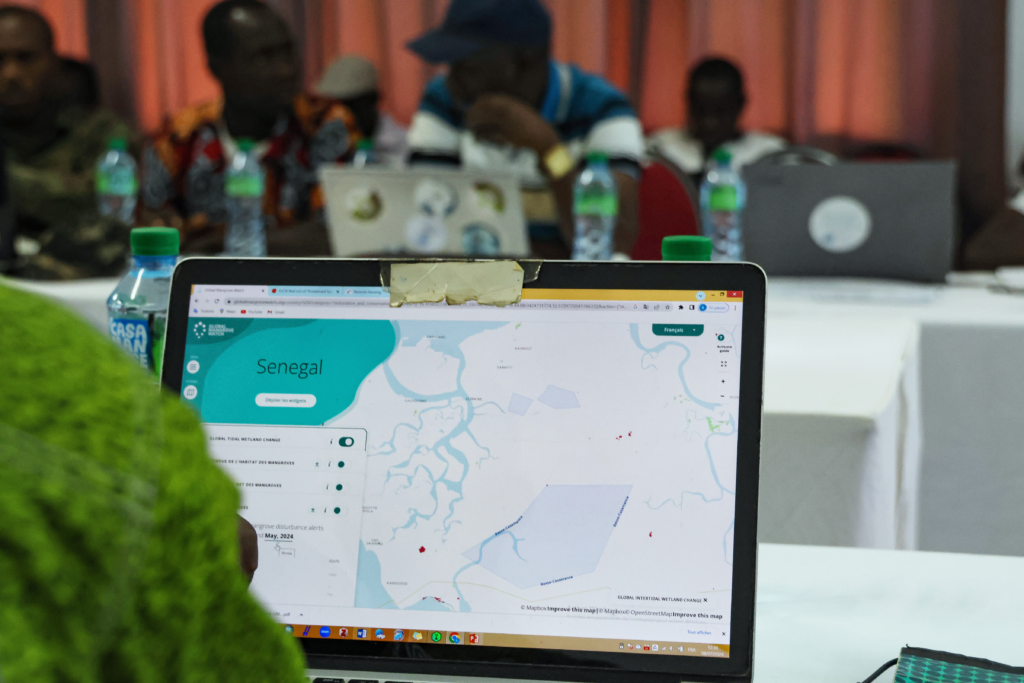
In the tranquil village of Séleki, nestled deep within Senegal’s biodiverse Casamance region, a silent crisis was unfolding. The vital mangrove forests, a natural bulwark against coastal erosion and a cornerstone of local livelihoods, were diminishing. This erosion, however, was not the result of overt logging, but a more insidious threat – human intervention altering natural water flows. Fortunately, the Global Mangrove Watch (GMW) platform, an innovative initiative leveraging satellite technology, provided an early warning system that allowed local conservationists to intervene. Boubacar Sagna and Khadim Diop, members of Wetlands International’s local team, were alerted to a significant loss of approximately two hectares of mangrove cover. Acting swiftly, they collaborated with Capitaine Agustin Sadio, an officer from the Marine Protected Area (MPA) service, to investigate the site. Their on-the-ground assessment revealed the culprit: constructed dikes, designed for aquaculture, were inadvertently strangling the life out of the surrounding mangrove ecosystem.
The Ecological and Economic Significance of Casamance Mangroves
The mangrove forests of the Casamance are far more than mere collections of trees; they are intricate, dynamic ecosystems of immense ecological and economic importance. These coastal wetlands serve as critical natural defenses, absorbing the brunt of storm surges and acting as a vital buffer against the relentless rise of sea levels, a growing concern for low-lying coastal nations like Senegal. Beyond their protective functions, mangroves are nurseries for a rich diversity of marine life. They are the bedrock of local economies, providing essential resources that sustain the livelihoods of numerous communities. Fish, crustaceans, mollusks, and a unique variety of honey harvested from mangrove blossoms are all products derived from these vibrant ecosystems. The intricate root systems of mangroves also play a crucial role in trapping sediment, preventing coastal erosion and maintaining the integrity of the shoreline.
However, these invaluable ecosystems face a precarious existence. They are constantly assailed by a confluence of pressures, ranging from direct human activities to the inherent dynamism of natural coastal processes. The challenge for conservationists has always been the vastness of these protected areas and the limited resources available for effective monitoring. A small team of rangers, no matter how dedicated, cannot possibly patrol the entirety of these sprawling mangrove landscapes. This is where advanced technological solutions, such as the Global Mangrove Watch, become indispensable.
Global Mangrove Watch: A Technological Leap in Conservation
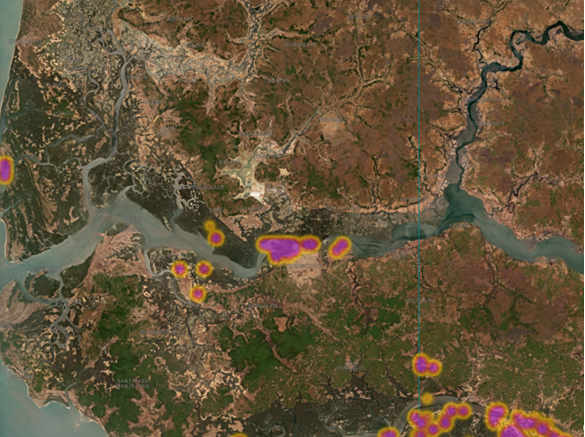
The advent of satellite monitoring has revolutionized the field of environmental conservation, offering a bird’s-eye view of ecosystems that were previously difficult to assess comprehensively. The Global Mangrove Watch is a prime example of this technological advancement in action. It is a sophisticated online platform that integrates remote sensing data with analytical tools, providing users with high-resolution information on mangrove cover and changes over time. This platform acts as an early warning system, flagging areas where mangrove loss is detected.
For managers of Marine Protected Areas, conservation practitioners, policymakers, and local communities, GMW offers irrefutable evidence to guide their actions. It empowers them to respond effectively to threats such as illegal logging, to pinpoint the underlying causes of mangrove degradation, and to meticulously track the progress of restoration efforts. The ability to detect changes in near real-time allows for a more proactive and targeted approach to conservation, ensuring that limited time and resources are directed to where they are most needed. This shift from reactive to proactive conservation is crucial for the long-term survival of these fragile ecosystems.
Rooted Resilience: Empowering Local Action Through Training
The successful deployment of GMW in Senegal is a testament to the efficacy of targeted capacity-building initiatives. Under Wetlands International’s “Rooted Resilience” project, generously supported by The Swedish Postcode Lottery Foundation, comprehensive training programs were conducted for a diverse range of stakeholders in the Casamance region. These stakeholders included local authorities, community leaders, students, and MPA rangers. The objective was to equip them with the skills and knowledge necessary to effectively utilize the Global Mangrove Watch platform.
This training has yielded tangible results. MPA rangers are now empowered to monitor their entire designated areas with unprecedented efficiency. This enhanced monitoring capability allows them to allocate their limited patrol time more strategically, focusing on direct engagement with communities to foster mangrove conservation and sustainable resource management. The project underscores a critical principle: effective conservation is not solely about technological solutions, but also about empowering the local stewards of these environments.
The Séleki Story: From Aquaculture to Sustainable Livelihoods
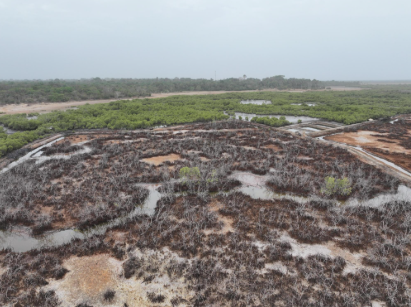
The situation in Séleki serves as a compelling case study illustrating the transformative impact of GMW and the subsequent interventions. The village, situated within the UKB Marine Protected Area (Ufoyaal Kassa-Bandial), was experiencing a significant decline in its mangrove health. The investigation by Sagna, Diop, and Capitaine Sadio revealed that dikes had been constructed to create ponds for aquaculture operations. While intended to boost local economic activity, these dikes had a devastating unintended consequence: they obstructed the natural ebb and flow of brackish water.
Mangrove species are uniquely adapted to thrive in intertidal zones, requiring a specific hydrological regime characterized by regular inundation and drainage. By blocking this natural tidal rhythm, the dikes effectively deprived the mangroves of the water they needed to survive. Over time, this chronic water deprivation led to the widespread wilting and death of the mangrove trees. The loss of two hectares, while seemingly small, represented a significant ecological and economic blow to the local community.
Recognizing that conservation must be intrinsically linked to the well-being of the people who depend on these ecosystems, Wetlands International Afrique has been actively facilitating dialogue and collaboration. The organization is working to bridge the gap between the Séleki community, the National Aquaculture Agency, and the owner of the aquaculture dikes. The goal is to collaboratively develop alternative, sustainable livelihood strategies that do not necessitate the destruction of the mangrove environment. This approach focuses on finding innovative solutions for food security that are compatible with the preservation of the delicate mangrove ecosystem. The proposed solution involves reopening the dikes to restore natural water flow, allowing the ecosystem to gradually heal and regenerate. Wetlands International’s approach emphasizes Community-Based Ecological Mangrove Restoration (CBEMR), a participatory methodology that works hand-in-hand with communities to recreate the conditions conducive to natural mangrove regrowth.
Beyond Human Intervention: Natural Threats in Kalone-Bliss Kassa
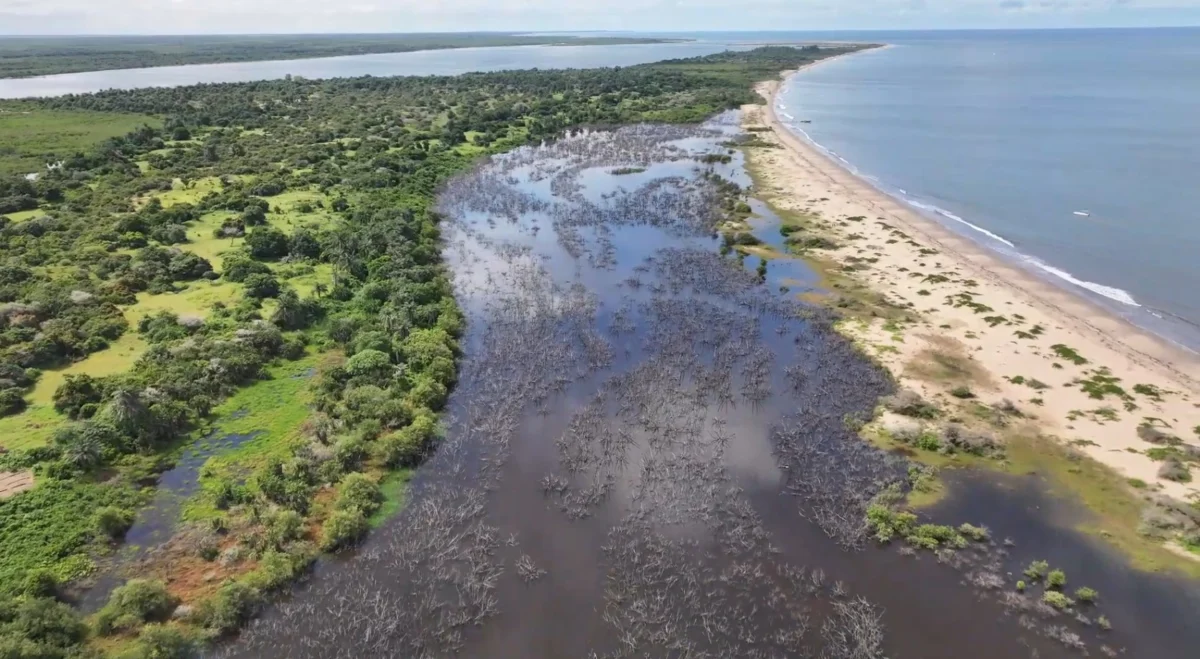
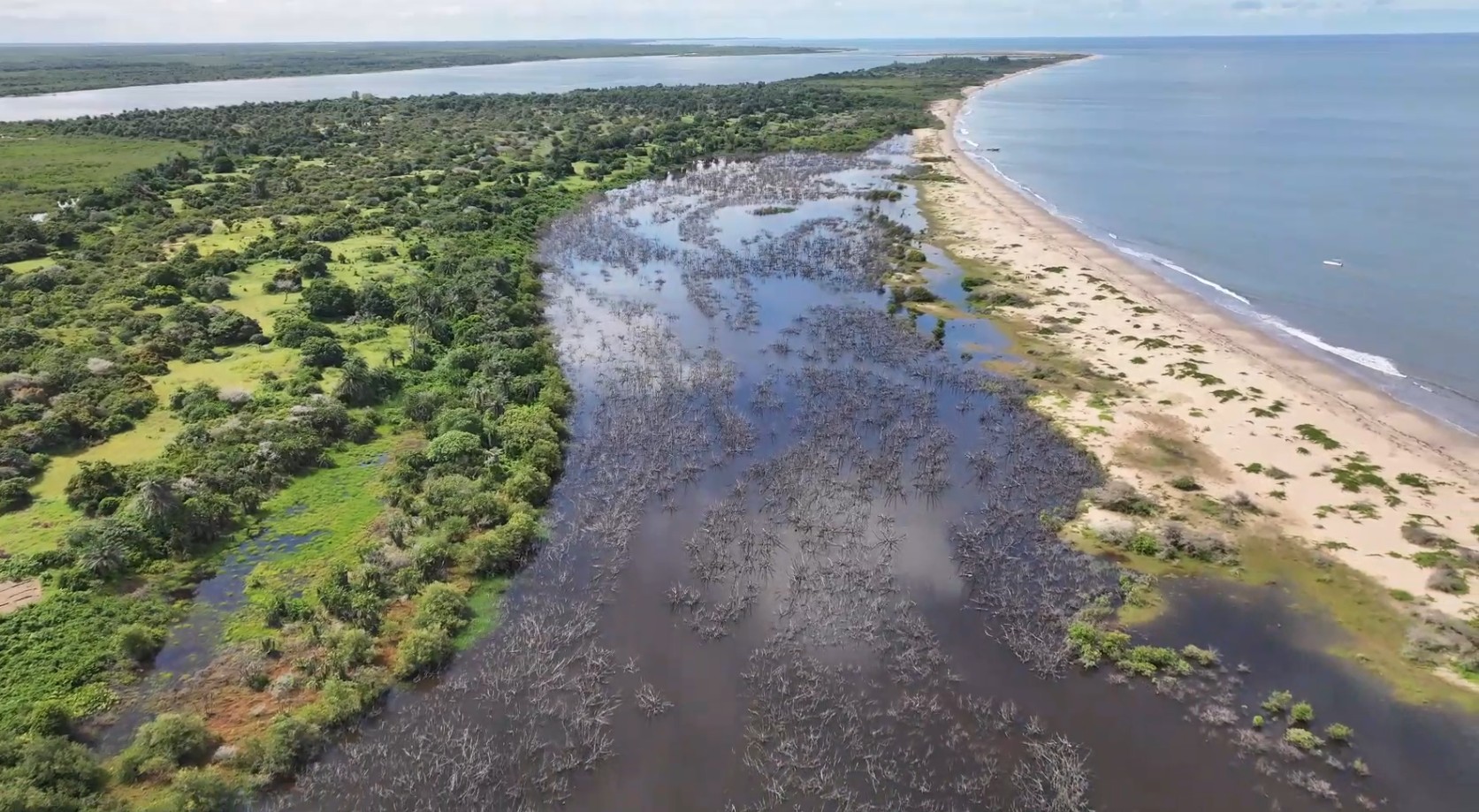
The Global Mangrove Watch has also been instrumental in identifying mangrove loss driven by natural phenomena, highlighting the complex challenges faced in coastal conservation. In the KBK Marine Protected Area (Kalone-Bliss Kassa), GMW detected a different, yet equally concerning, pattern of mangrove decline. Here, approximately 16 hectares of mangroves are succumbing to a natural geological process: the relentless shifting of a large sand dune.
This dynamic dune has, over time, acted as a natural dam, effectively severing the vital inflow of water upon which the mangrove forest depends. This situation serves as a stark reminder that even within designated protected areas, mangrove ecosystems are inherently vulnerable to the profound physical transformations occurring along shifting coastlines. The KBK MPA is a critical habitat for a variety of bird species, including cormorants and egrets, whose presence underscores the ecological significance of this area. An urgent impact study is currently underway to assess the potential outcomes and feasibility of interventions aimed at mitigating the effects of the shifting sand dune and preserving this vital avian sanctuary.
Niamone-Kalounayes: Addressing Direct Human Impact
A third significant alert was issued by the Global Mangrove Watch in the Niamone-Kalounayes MPA. In this instance, the evidence pointed towards direct human activity, with clear signs of mangrove cutting. While the extent of the cutting was evident, the precise motivations behind it remained unclear at the time of the alert, making it difficult to ascertain the legality of these actions.
Initial assessments suggest that the wood may have been harvested for local use, potentially for fencing vegetable gardens in the vicinity or for transformation into wood-based products. The alert generated by GMW has prompted a proactive response from the MPA authorities. Regular patrols are now being conducted in the affected area to monitor the situation closely and to ensure that no further degradation occurs. This immediate response, facilitated by the GMW alert, is crucial in preventing the escalation of illegal logging and in protecting the remaining mangrove stands.
A Future Rooted in Collaboration and Technology
The collaborative efforts in Senegal’s Casamance region, integrating cutting-edge satellite technology with intensive community engagement and robust government partnerships, are forging a pathway towards the enduring protection of these vital mangrove ecosystems. The journey from a digital alert on a screen to the tangible recovery of a mangrove forest is undoubtedly a long and complex one. However, in places like Séleki, the initial, crucial steps towards healing and restoration have already been taken. These efforts bring renewed hope to the communities whose lives and livelihoods are inextricably linked to the health and resilience of the mangrove ecosystems they call home. The success of these initiatives in the Casamance region can serve as a model for mangrove conservation efforts worldwide, demonstrating how technology, community involvement, and strategic partnerships can effectively safeguard these critical coastal environments for generations to come. The future of these vital ecosystems hinges on our ability to continue monitoring, understanding, and acting decisively upon the information provided by tools like the Global Mangrove Watch.
