
The Quebec in Spring – Gaspé Peninsula tour recently concluded its first official expedition, marking a significant milestone in the documentation of avian migration patterns within one of North America’s most critical ecological corridors. While the Gaspé Peninsula has long been recognized by the scientific community as a vital stopover for migratory species, it has historically remained under-explored by international birding enthusiasts. The inaugural tour was meticulously curated to highlight the region’s biodiversity, navigating through challenging meteorological conditions that provided a unique lens into the resilience of neotropical migrants and the complex dynamics of the Atlantic Flyway.
The Lower Saint Lawrence and the Rimouski Corridor
The expedition commenced in Quebec City, where participants transitioned from the cultural heritage of the provincial capital to the expansive natural preserves of the lower Saint Lawrence. The initial phase of the journey focused on the Kitsokuk marsh in Cacouna, a massive preserve characterized by its diverse wetland habitats. Observations at this site included 12 distinct species of ducks and significant flights of Snow Geese (Anser caerulescens), which utilize the Saint Lawrence estuary as a primary staging ground during their northward journey to Arctic breeding sites.
As the group moved toward the coast, the ecological narrative shifted from waterfowl to raptors and marine mammals. A notable observation involved a Common Raven (Corvus corax) nest containing fledglings nearly reaching adult proportions, illustrating the early start of the breeding season for resident species. The transition to the coastal town of Rimouski was marked by a simultaneous migration event involving Broad-winged Hawks (Buteo platypterus) and a rare sighting of the Saint Lawrence estuary Beluga whales (Delphinapterus leucas). This isolated population of Belugas is currently listed as endangered under the Species at Risk Act (SARA), making their presence a highlight for conservation-minded observers.
Ornithological Research and Raptor Monitoring at Raoul Roy
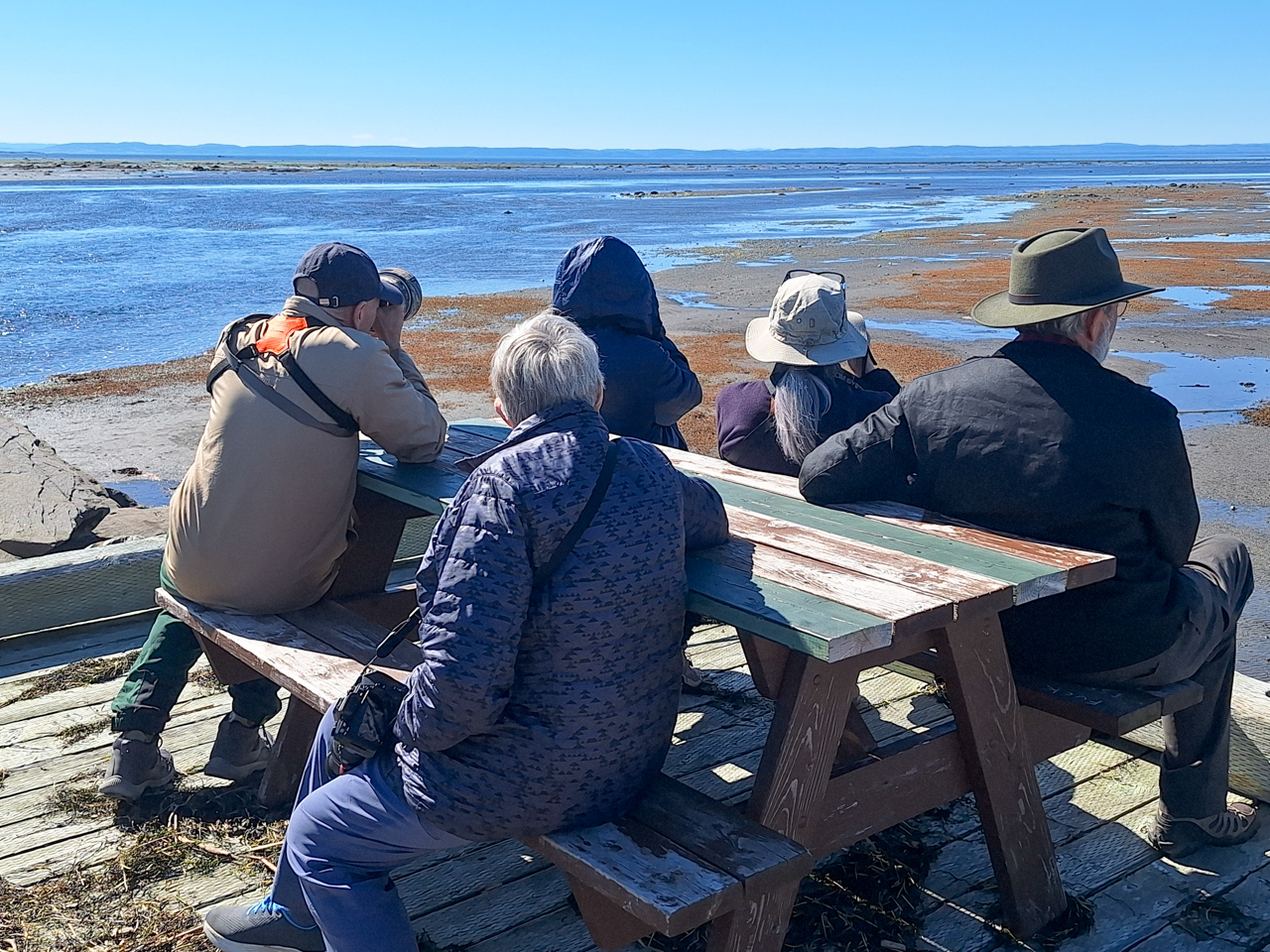
In Rimouski, the expedition integrated citizen science with professional ornithological research. At Rocher Blanc, a wooded area utilized by the Rimouski Bird Observatory, participants observed bird-banding demonstrations led by expert guides. A primary target in this boreal habitat was the Boreal Chickadee (Poecile hudsonicus), a year-round resident of the northern coniferous forests.
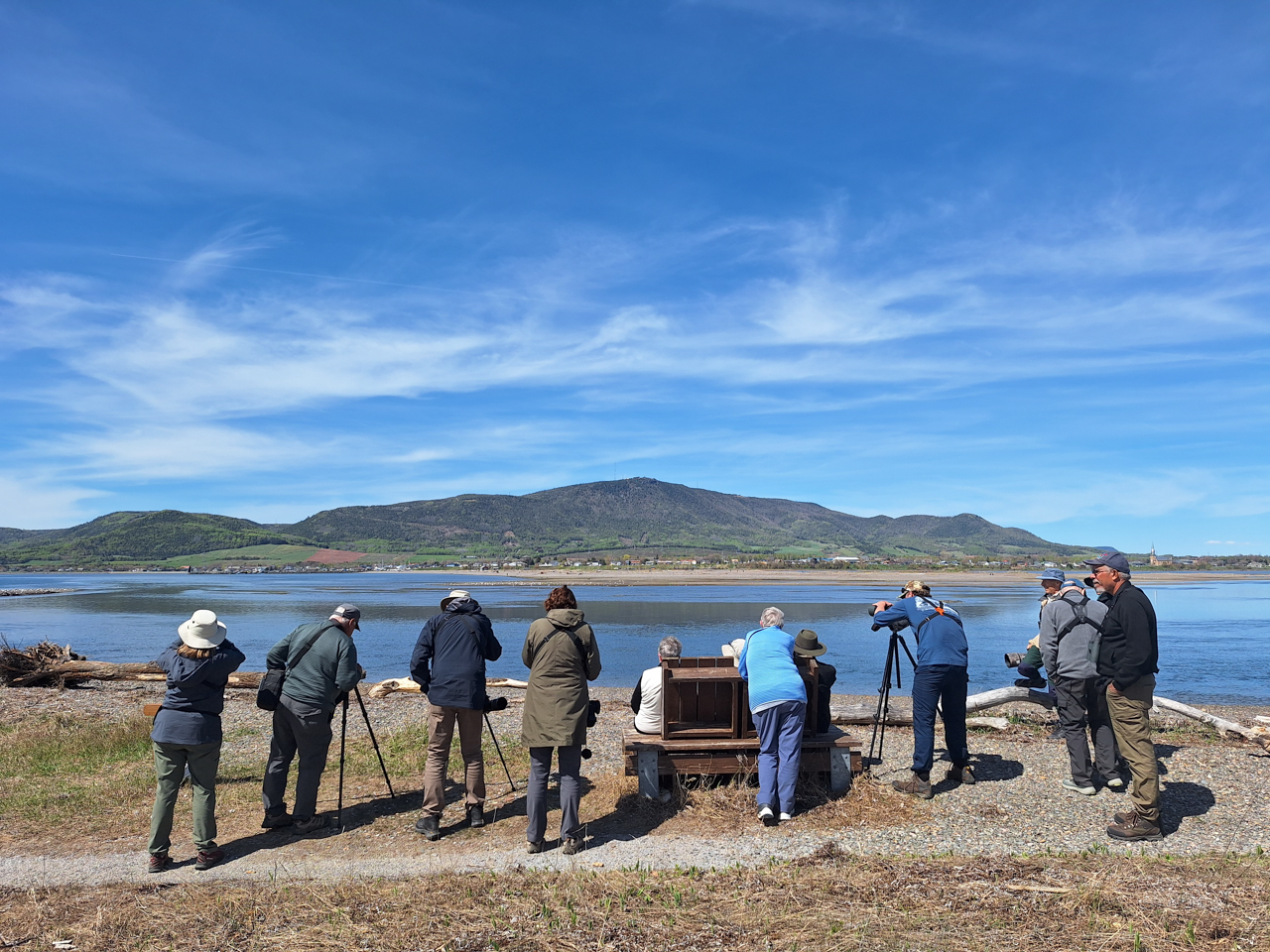
The group subsequently visited Bic National Park and the Raoul Roy lookout, a premier site for monitoring raptor migration. The observatory at Raoul Roy provides critical data on the health of raptor populations as they navigate the coastal winds. Observations included Broad-winged and Red-tailed Hawks passing at eye level, alongside more elusive migrants such as the Sandhill Crane (Antigone canadensis). The presence of various warbler species heading toward northern breeding grounds underscored the site’s importance as a migratory funnel.
The Matapedia Valley and the Gulf Gulls of Chaleur Bay
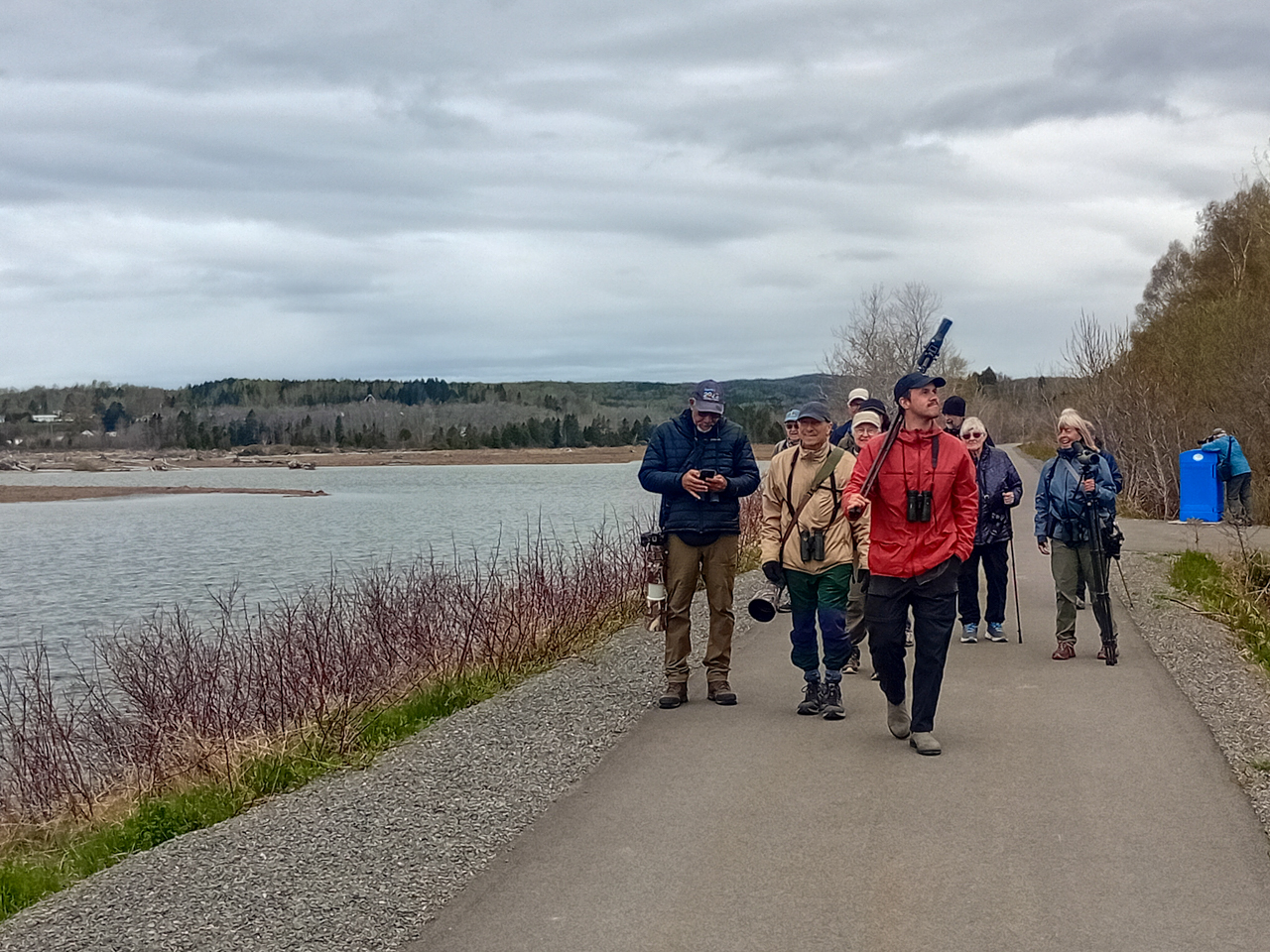
The inland leg of the tour crossed the Gaspé Peninsula through the Matapedia Valley, a mountainous region that serves as a terrestrial bridge between the Saint Lawrence and the Atlantic coast. The expedition identified Lac Castonguay as a "hidden gem" for local birding, recording 12 species of warblers, including a highly cooperative Wilson’s Warbler (Cardellina pusilla). The wetland fringes of the lake also revealed Lesser and Greater Yellowlegs, as well as the secretive Sora (Porzana carolina) and Pied-billed Grebes (Podilymbus podiceps).
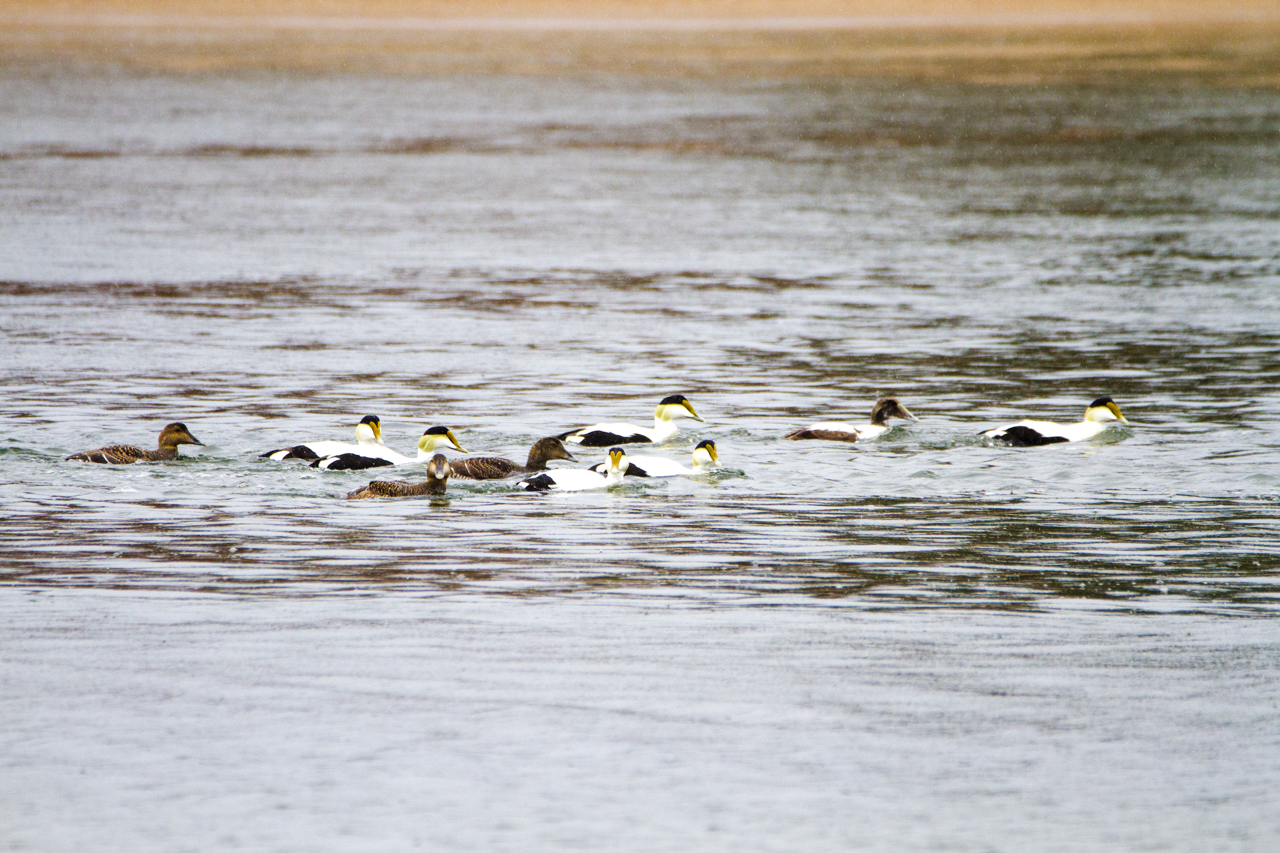
Upon reaching the southern shore at Chaleur Bay, the focus shifted to the Carleton Lagoon. This site serves as a resting ground for thousands of gulls. While American Herring Gulls were the most populous, the flock contained several notable species, including Bonaparte’s, Lesser Black-backed, Iceland, and Glaucous Gulls. The presence of Black-legged Kittiwakes and Common Terns provided an opportunity for intensive study of gull identification—a notoriously difficult skill for many birders that requires precise observation of plumage patterns and structural nuances.
Reverse Migration and the Impact of Cold Fronts
One of the most scientifically compelling aspects of the trip occurred near the Grand-Pabos saltmarshes in Chandler. As a significant cold front moved across the peninsula, the group witnessed "reverse migration." This behavioral phenomenon occurs when migratory birds, encountering adverse weather or lack of forage, fly southward or back toward their previous stopover points to survive the temporary environmental stress.
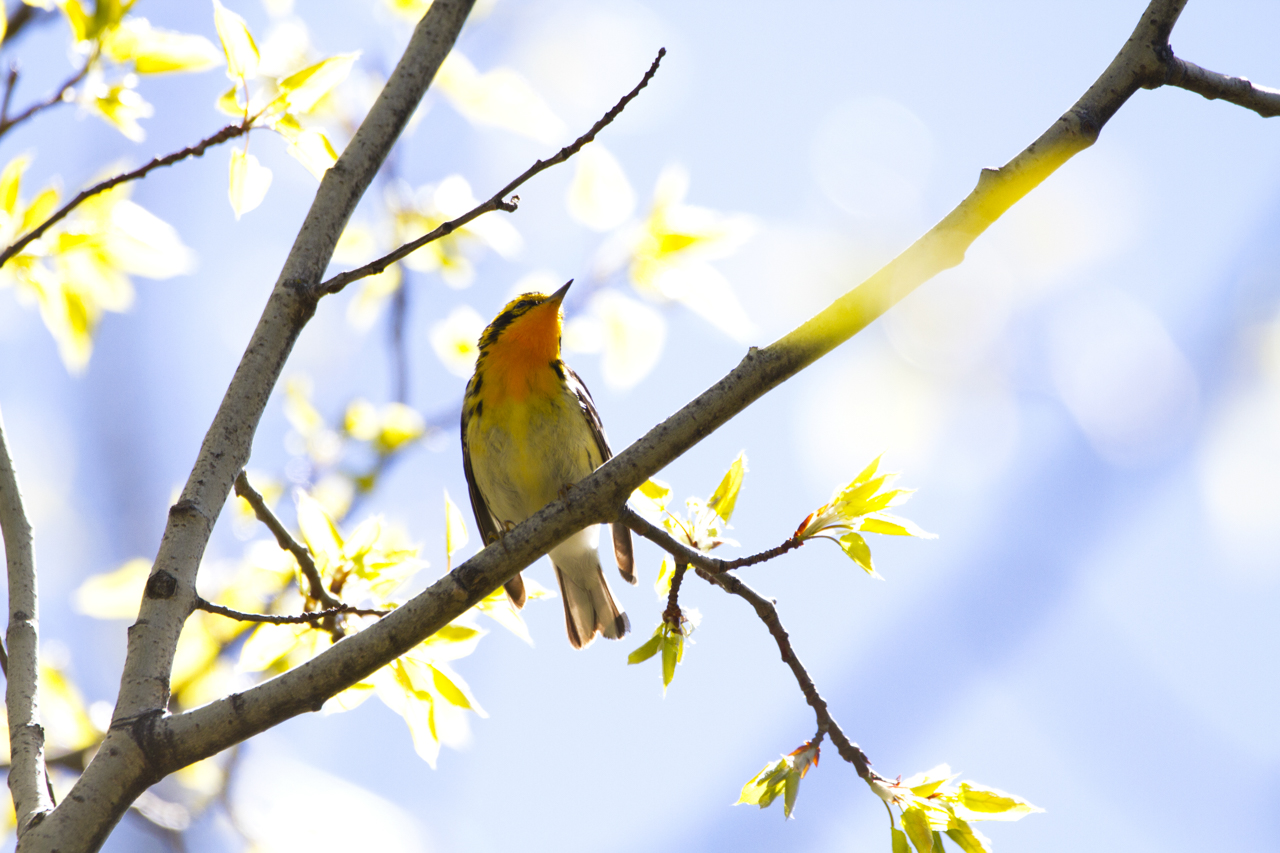
During this event, participants observed Northern Parulas, Tennessee Warblers, and Yellow-rumped Warblers flying low across the vegetation. The sighting of Philadelphia Vireos and Bobolinks flying southward provided a stark reminder of the energy-intensive and often perilous nature of avian migration. Such observations are critical for understanding how climate variability and unseasonable weather patterns can disrupt the timing and success of migratory cycles.
The Pelagic Spectacle of Bonaventure Island
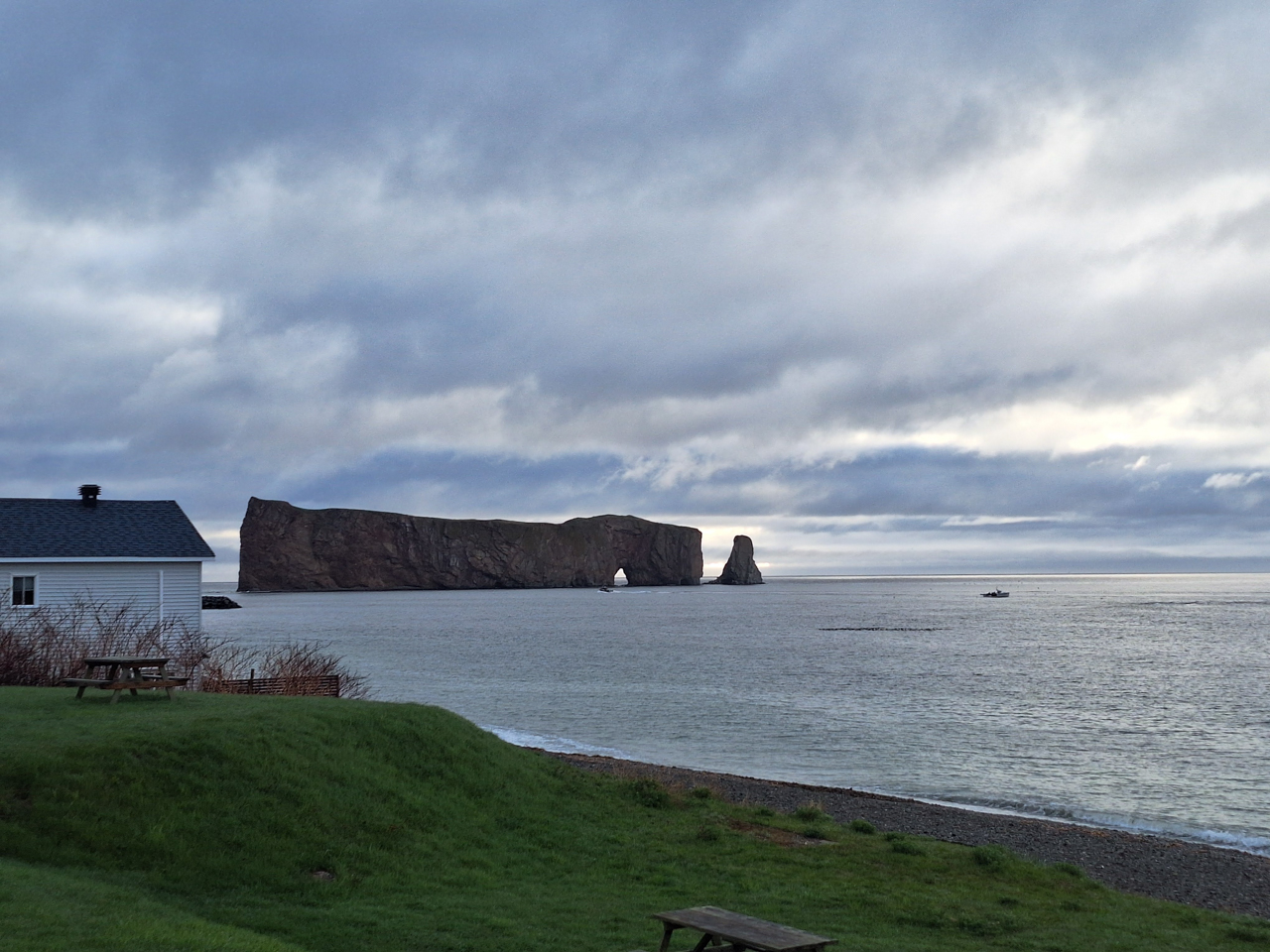
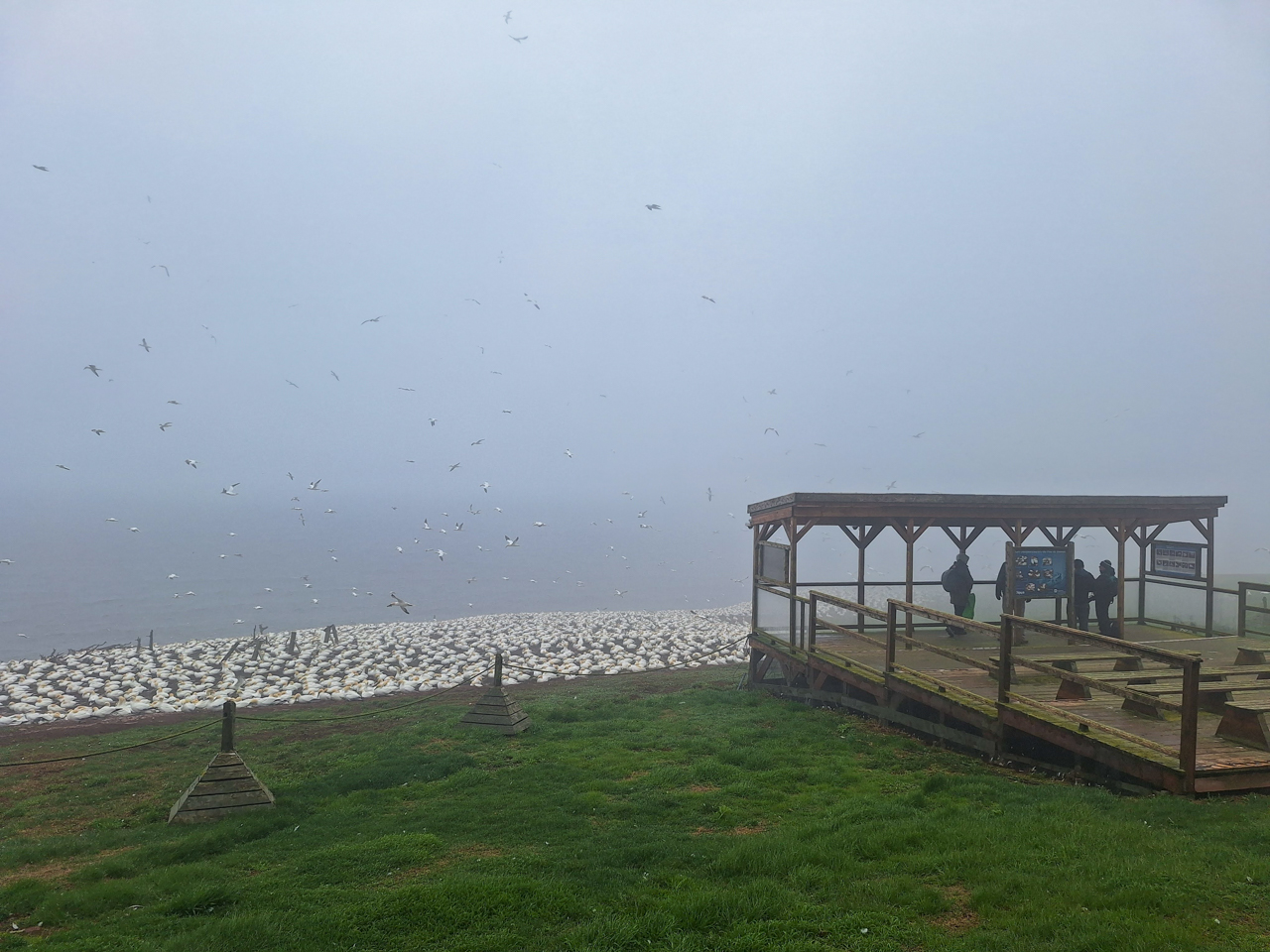
The expedition reached a crescendo at the tip of the peninsula with a visit to Bonaventure Island and Percé Rock National Park. Although the park was officially closed for the season, a private expedition facilitated by SEPAQ (Société des établissements de plein air du Québec) allowed the group to access the island’s world-renowned seabird colonies.
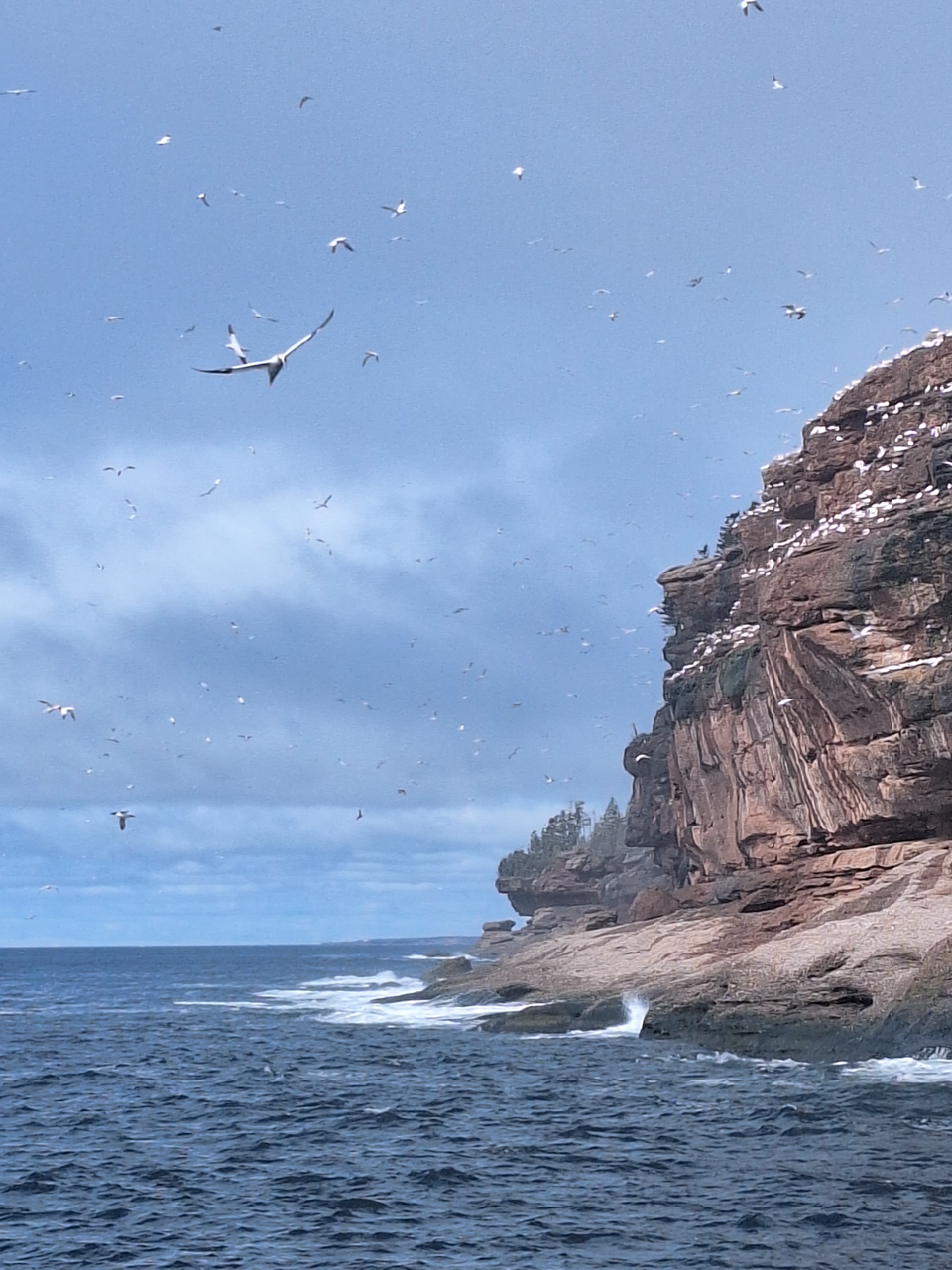
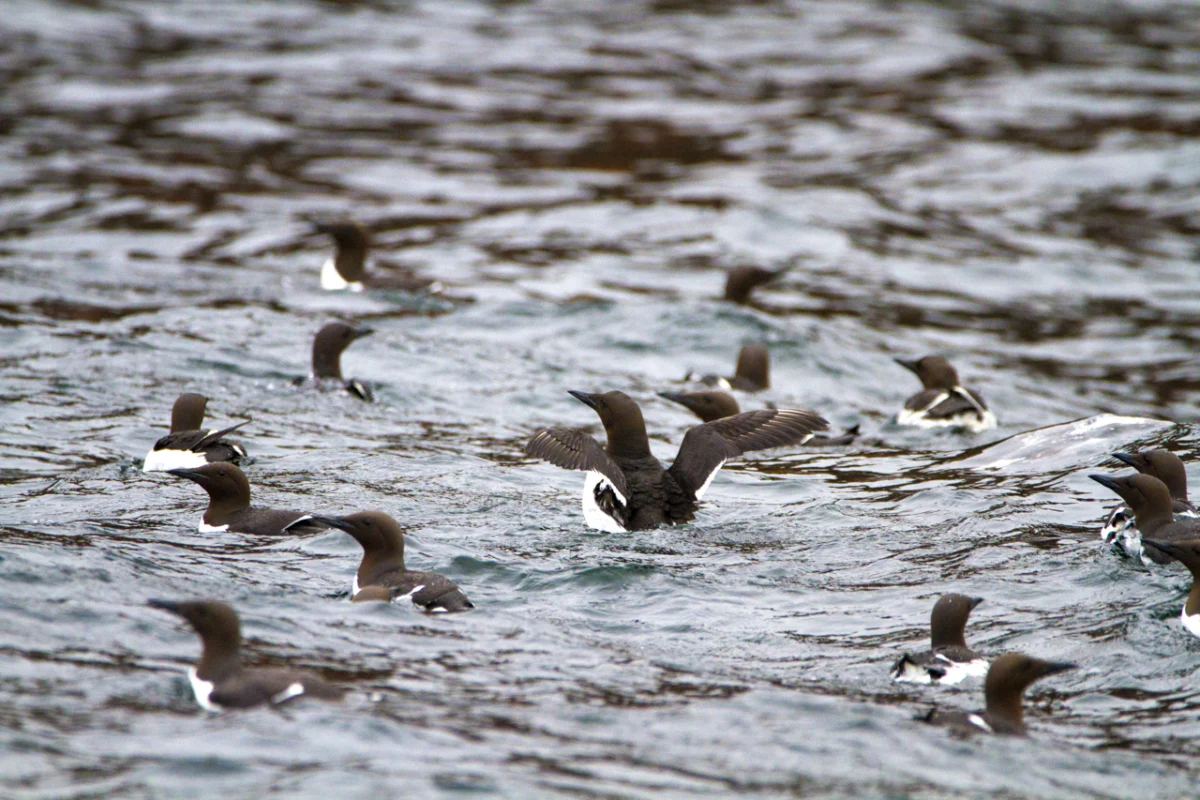
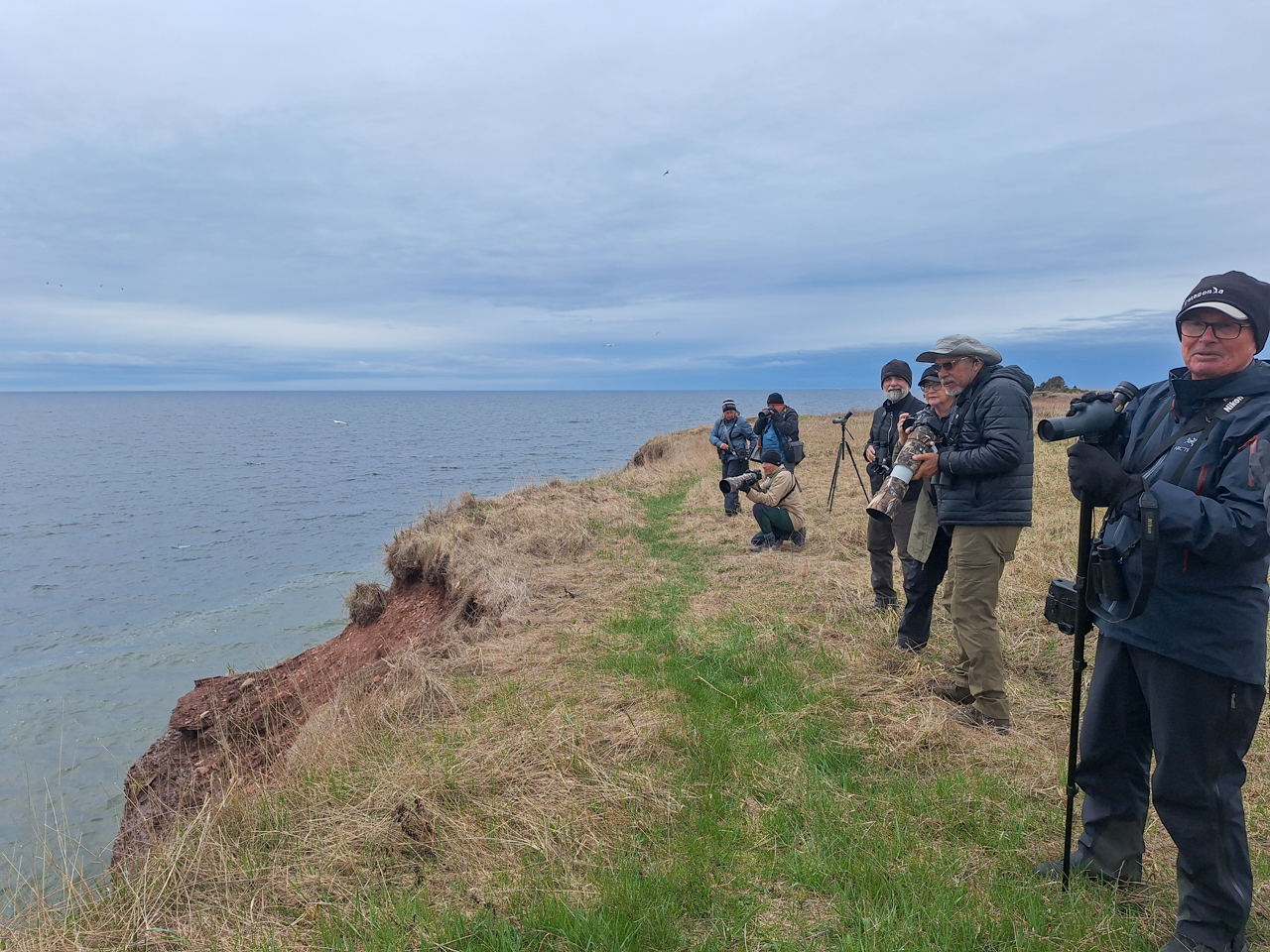
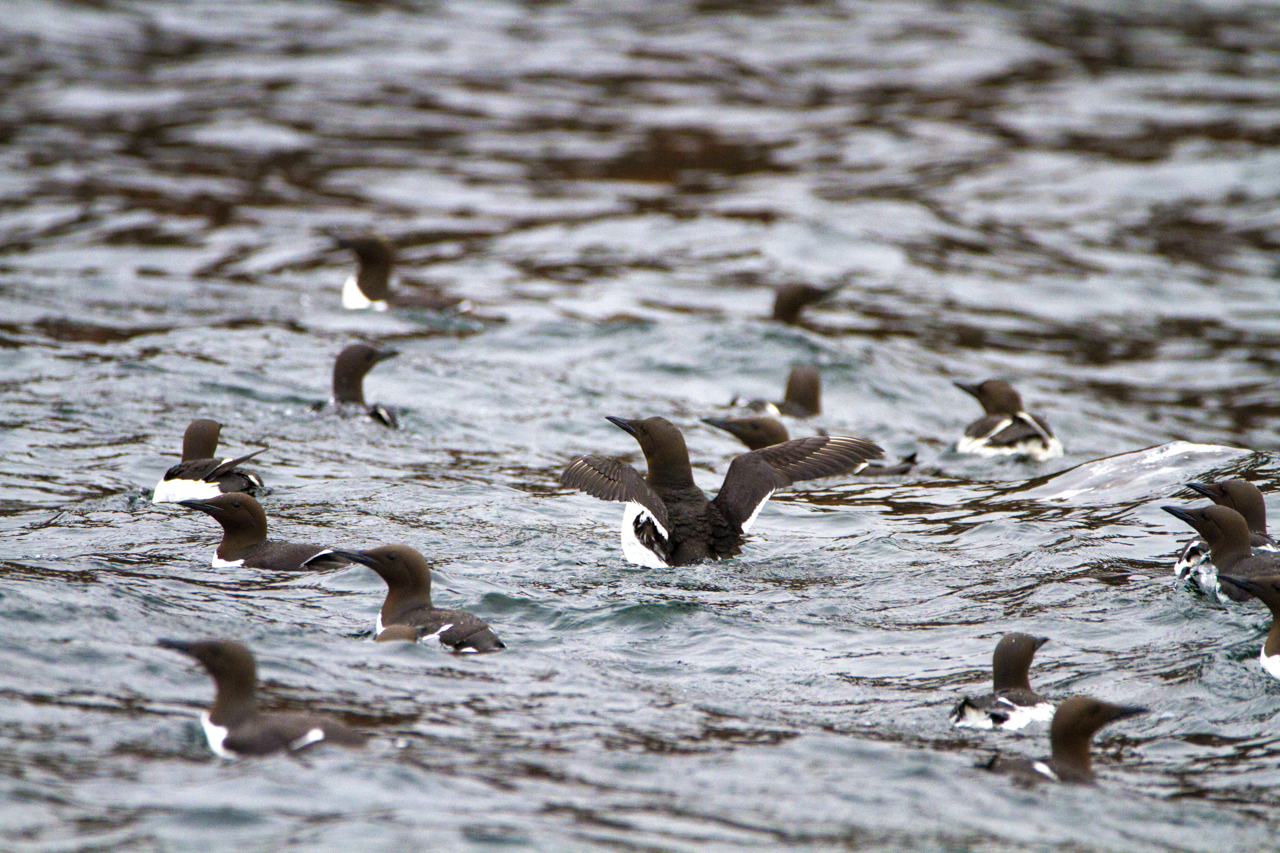
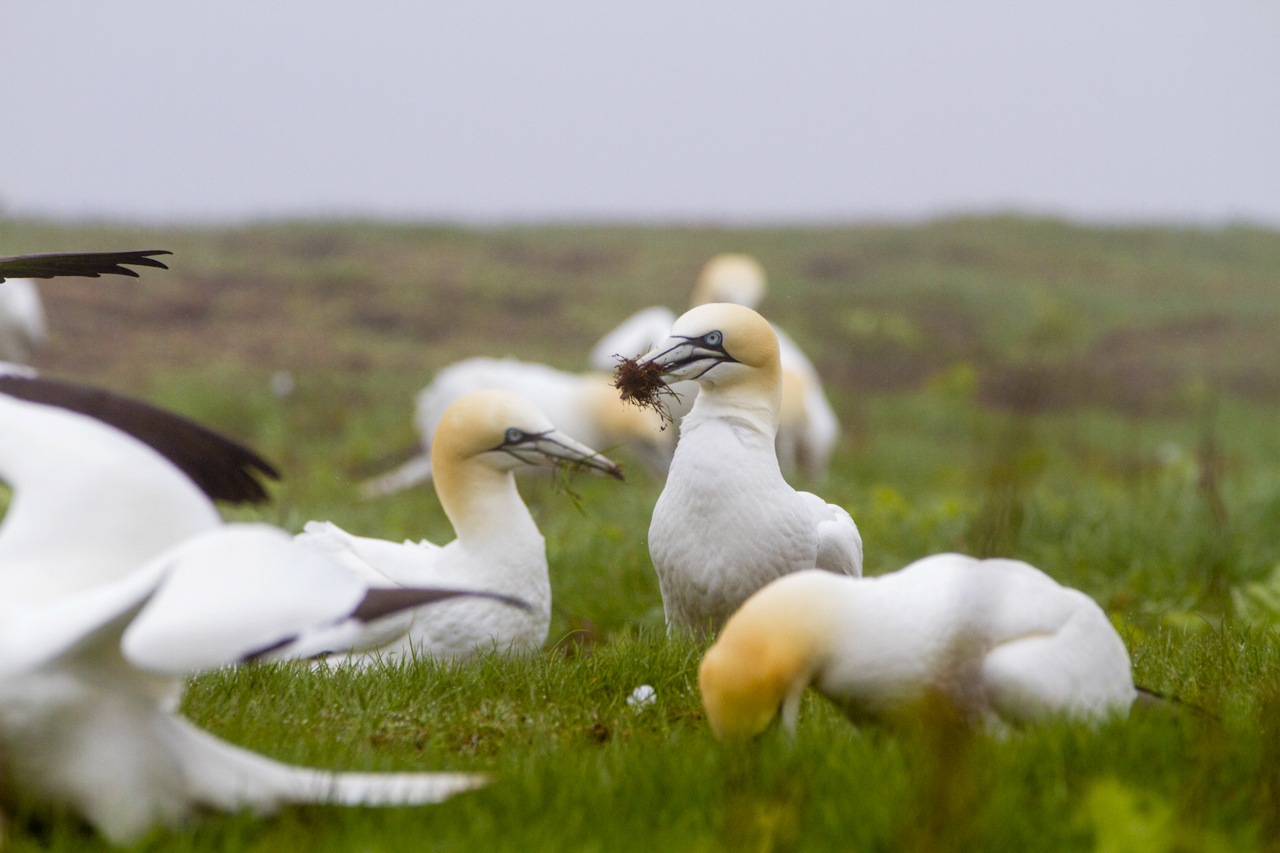
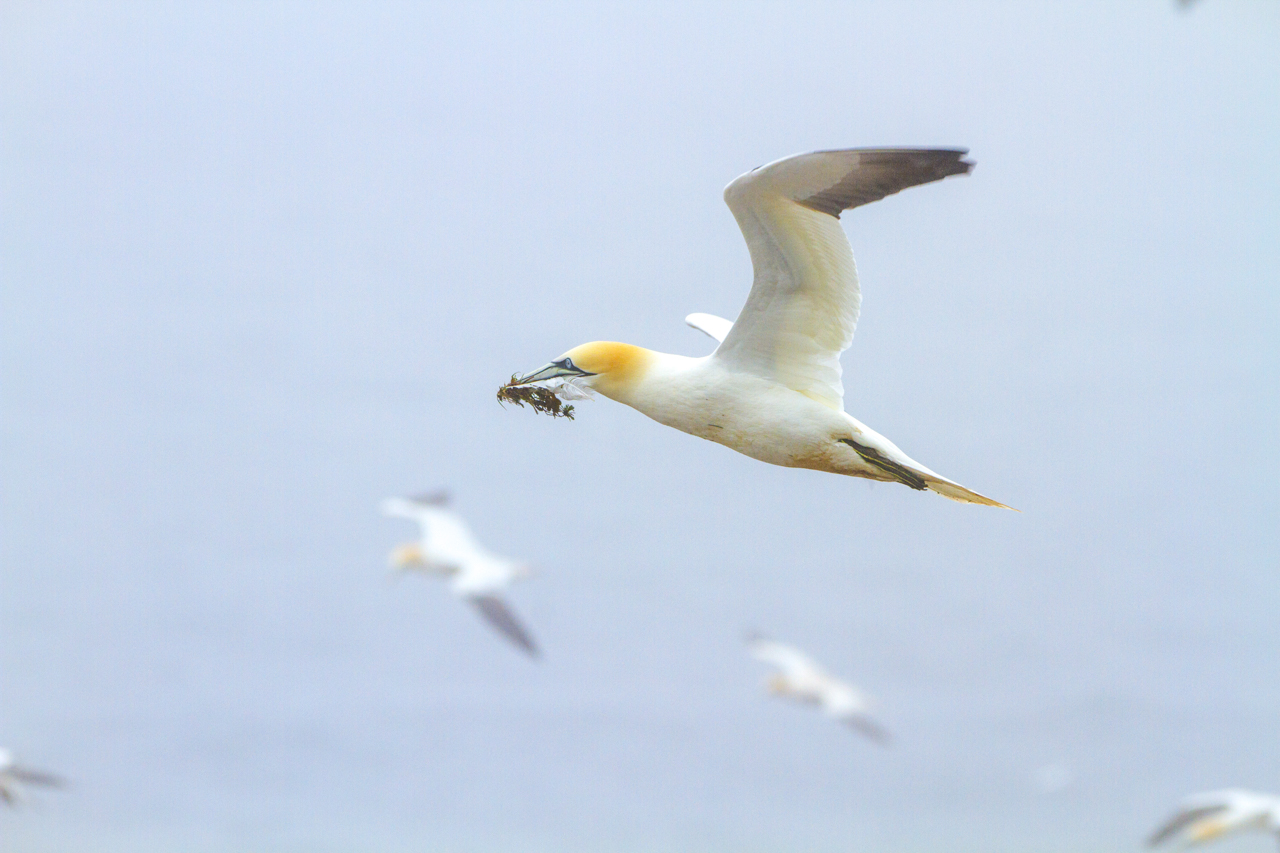
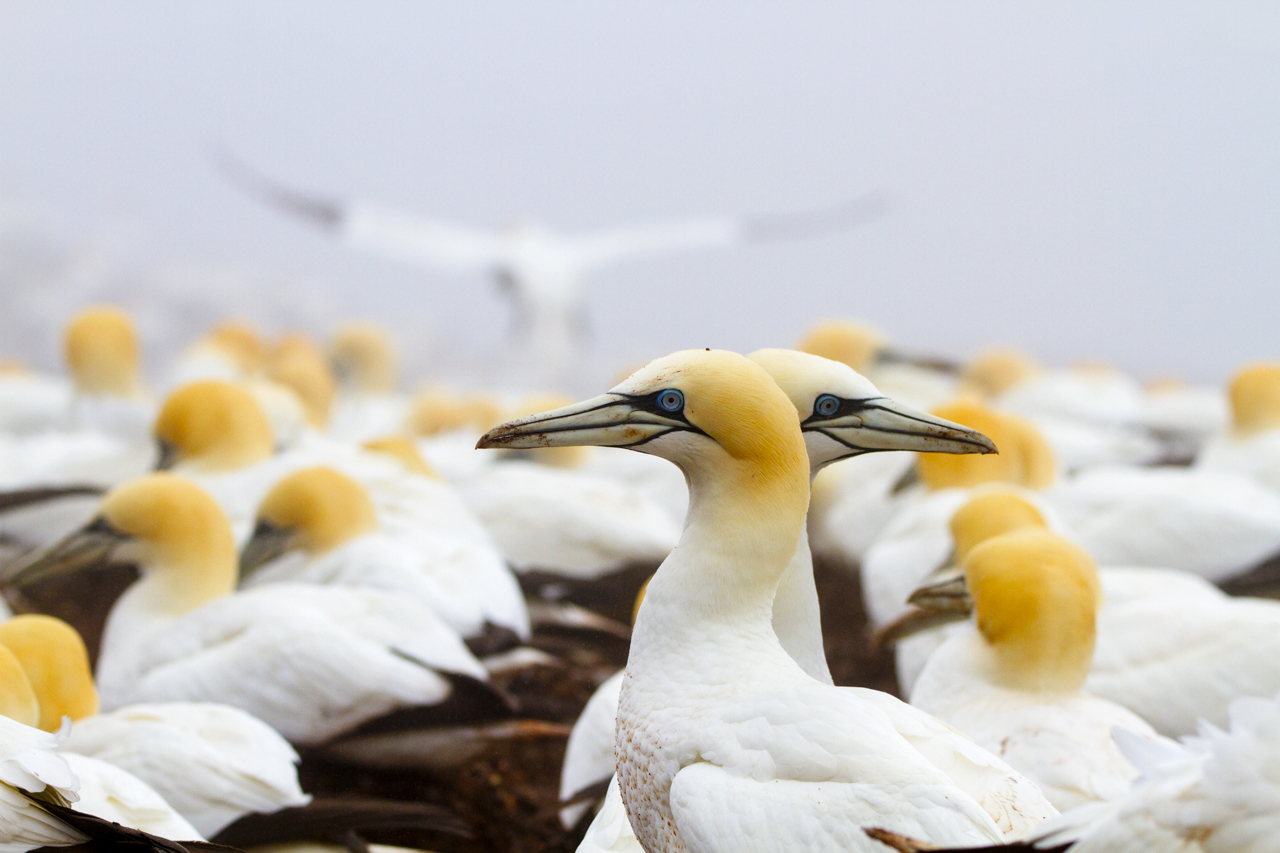
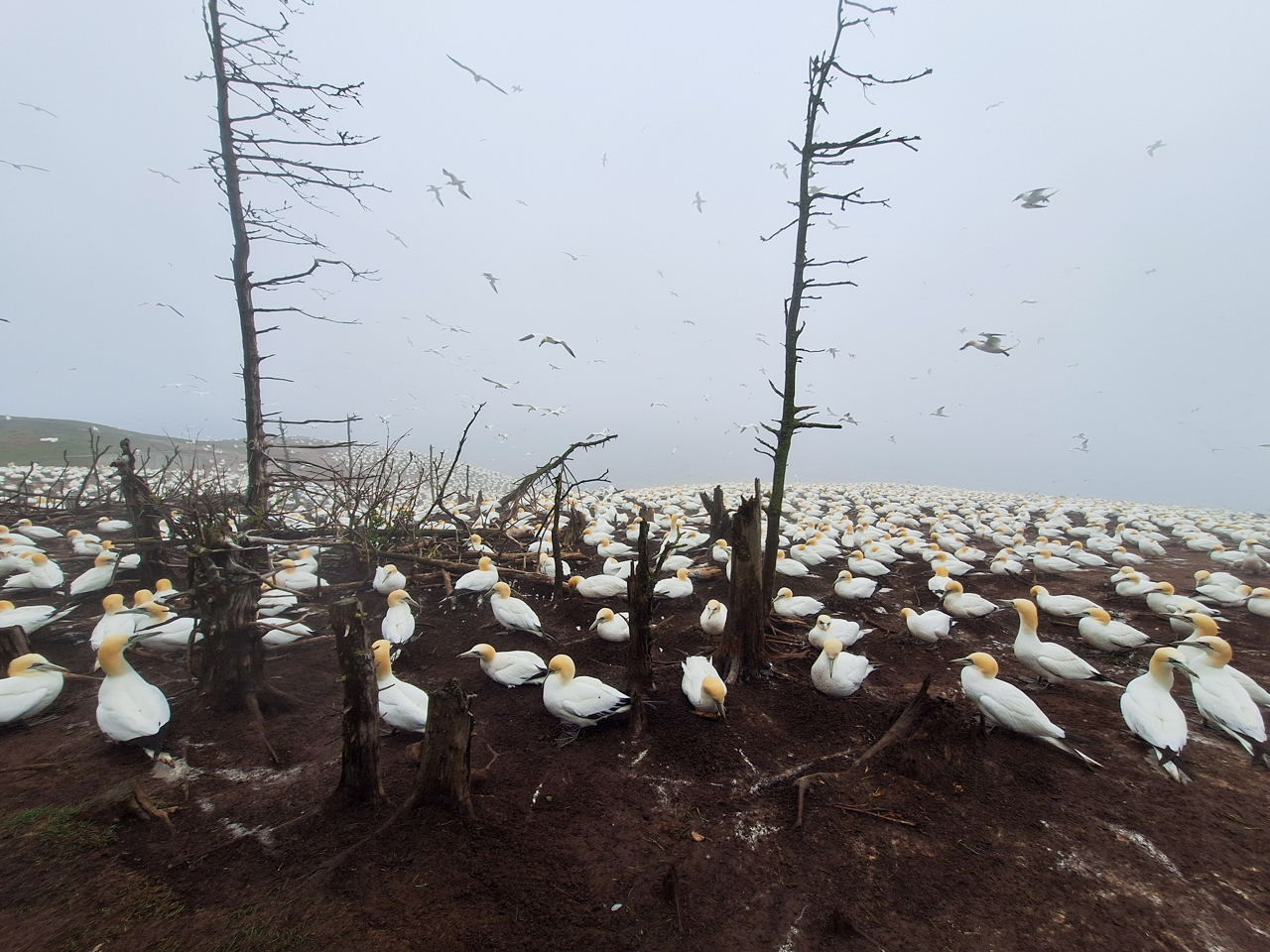
The cliffs of Bonaventure Island host an estimated 110,000 Northern Gannets (Morus bassanus), making it the largest and most accessible colony of its kind in North America. The sensory experience of the colony—characterized by the raucous calls and the pungent aroma of thousands of nesting birds—was described by participants as surreal. Beyond the gannets, the cliffs were teeming with Common Murres, Razorbills, Black Guillemots, and Black-legged Kittiwakes. A rare Atlantic Puffin was also documented among the more numerous alcids. The island’s history as a 1700s cod fishing settlement added a layer of cultural context to the natural spectacle, emphasizing the long-standing relationship between humans and the sea in this region.
Forillon National Park: The "End of the World"
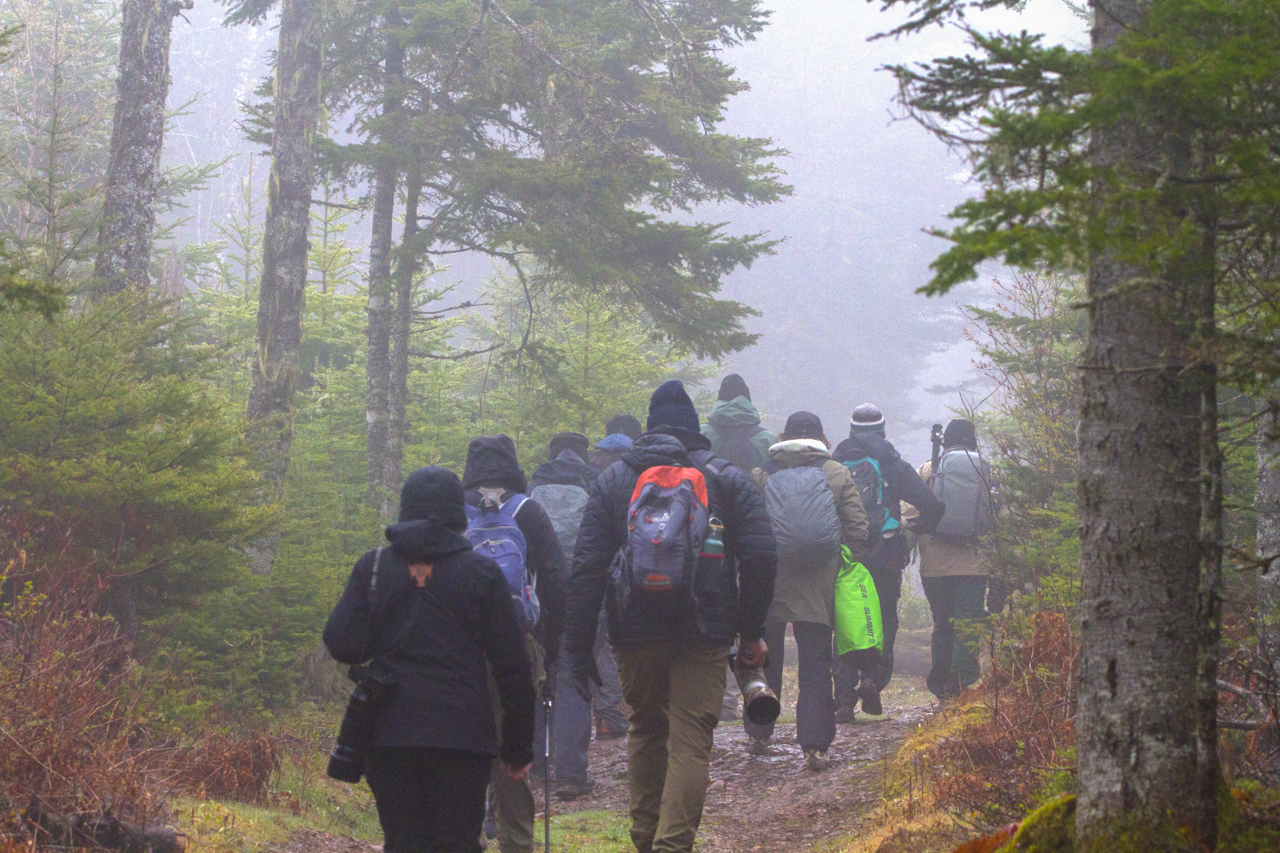
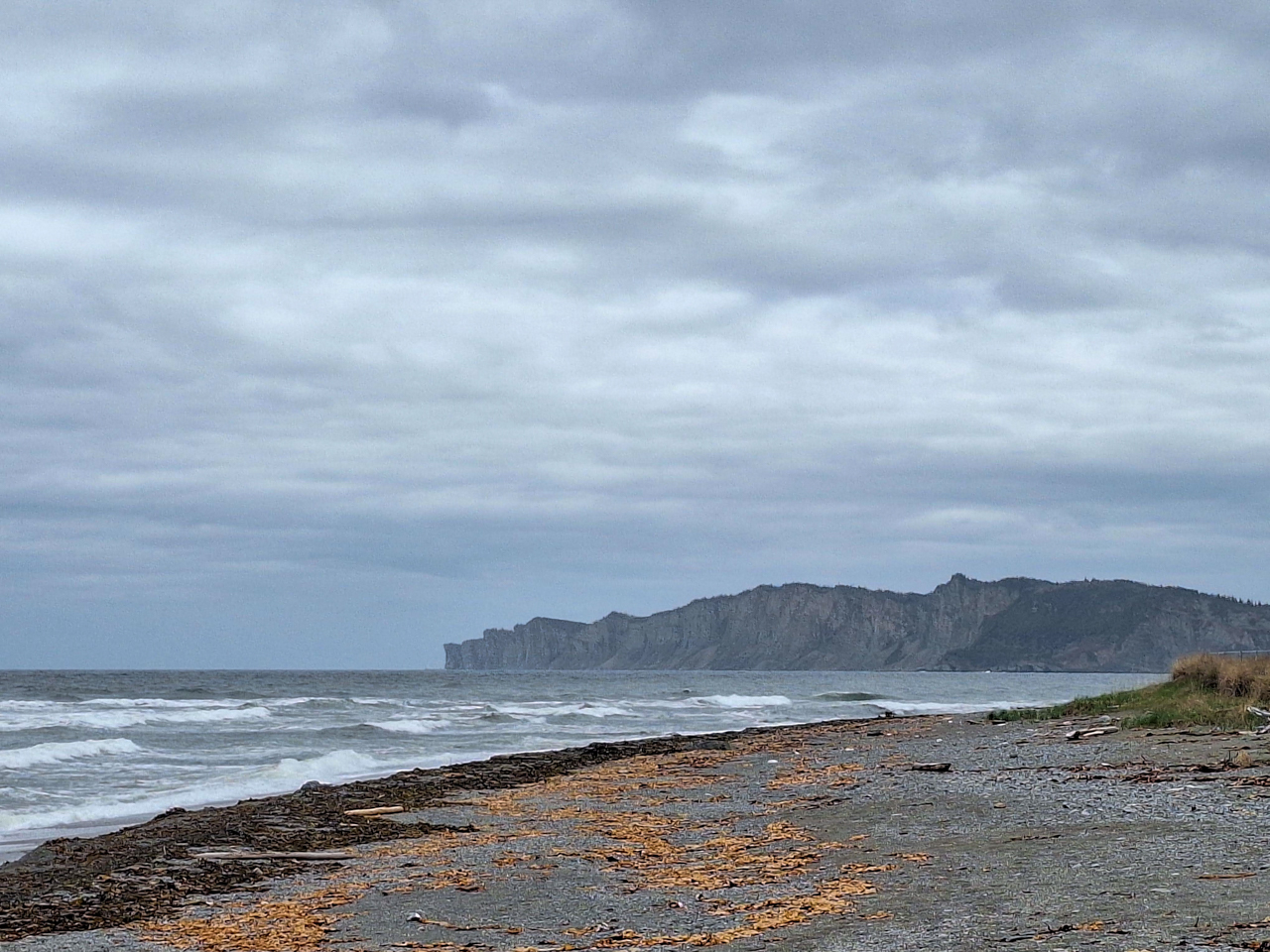
The final stages of the tour took place within Forillon National Park, a 244-square-kilometer protected area at the northeastern tip of the peninsula. Despite persistent rain and cold, the park’s diverse ecosystems—ranging from sea cliffs to boreal forests—offered exceptional birding opportunities. In the Penouille area, a vegetated sandbank, the group encountered a "fallout" of warblers. The harsh weather had forced these songbirds to forage in the open, even on the ground and beaches, providing unusually close views of species that are typically obscured by the forest canopy.
In the park’s interior, on the "End of the World" trail, participants observed a displaying Ruffed Grouse (Bonasa umbellus), a behavior facilitated by the park’s long-standing prohibition on hunting, which has resulted in less wary wildlife. The Forillon Harbour also hosted an impressive gathering of approximately 170 Harlequin Ducks (Histrionicus histrionicus), a sea duck known for its striking plumage and preference for turbulent coastal waters.
High-Altitude Challenges and Scientific Synthesis
The search for the Bicknell’s Thrush (Catharus bicknelli) took the expedition to the Appalachian summits surrounding the former mining town of Murdochville. The Bicknell’s Thrush is one of North America’s rarest and most range-restricted birds, nesting exclusively in high-altitude balsam fir forests. While the unseasonable cold likely kept the thrushes silent or at lower elevations, the search highlighted the precariousness of this species’ habitat, which is increasingly threatened by climate change and industrial development, such as wind farm expansions.
The expedition concluded at l’Anse aux Amérindiens, a site renowned for visible migration. A final banding demonstration provided participants with an up-close look at Swainson’s Thrushes, Veerys, and various warblers. This hands-on experience, led by local researcher Thomas, allowed for a deeper discussion on the physiological demands of migration and the importance of the Gaspé Peninsula as a final "jumping-off point" for birds crossing the Gulf of Saint Lawrence.
Broader Ecological Implications and Future Outlook
The success of this inaugural tour underscores the Gaspé Peninsula’s status as a premier destination for ecological tourism and scientific observation. The data gathered during the trip, including sightings of regional rarities like the Baltimore Oriole, Caspian Tern, and Eastern Phoebe, contributes to a broader understanding of how species ranges may be shifting in response to environmental pressures.
The challenging weather conditions experienced by the group served as a live laboratory for observing avian resilience. The phenomenon of reverse migration and the "fallout" at Forillon are indicative of the immense hurdles neotropical migrants face. For conservationists, these observations reinforce the necessity of protecting diverse habitats—from saltmarshes and spruce bogs to high-altitude forests—to ensure that birds have the resources needed to recover from weather-induced stress.
As interest in birding and eco-tourism continues to grow, the Gaspé Peninsula stands out as a region where the wildness of the North remains palpable. The collaboration between tour organizers, local observatories, and SEPAQ demonstrates a successful model for sustainable tourism that prioritizes education and conservation. The inaugural spring tour has not only provided memorable experiences for its participants but has also highlighted the critical need for continued monitoring and protection of the Gaspé’s unique avian treasures.
