
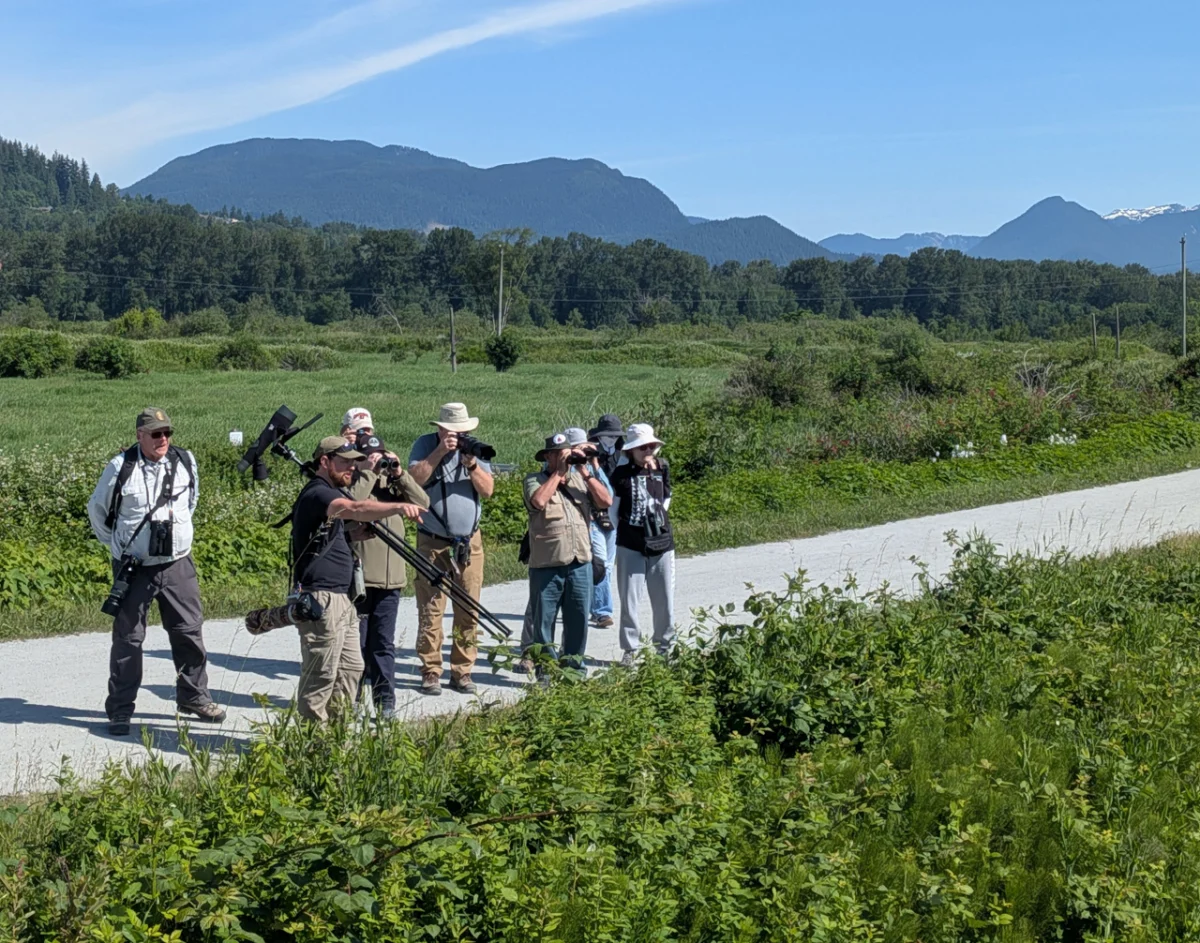
A comprehensive 12-day biological survey across the diverse landscapes of British Columbia has concluded with the recording of 208 distinct bird species and numerous significant marine and terrestrial mammal encounters. The expedition, which traversed habitats ranging from the mudflats of the Fraser River Delta to the ancient rainforests of Vancouver Island and the semi-arid shrub-steppe of the Okanagan Valley, highlights the province’s status as a critical node in the Pacific Flyway and a sanctuary for high-latitude biodiversity. Led by experienced naturalists, the tour provided a detailed snapshot of the region’s avian and mammalian health during the height of the breeding and post-breeding dispersal seasons.
The Pacific Flyway and Coastal Estuaries
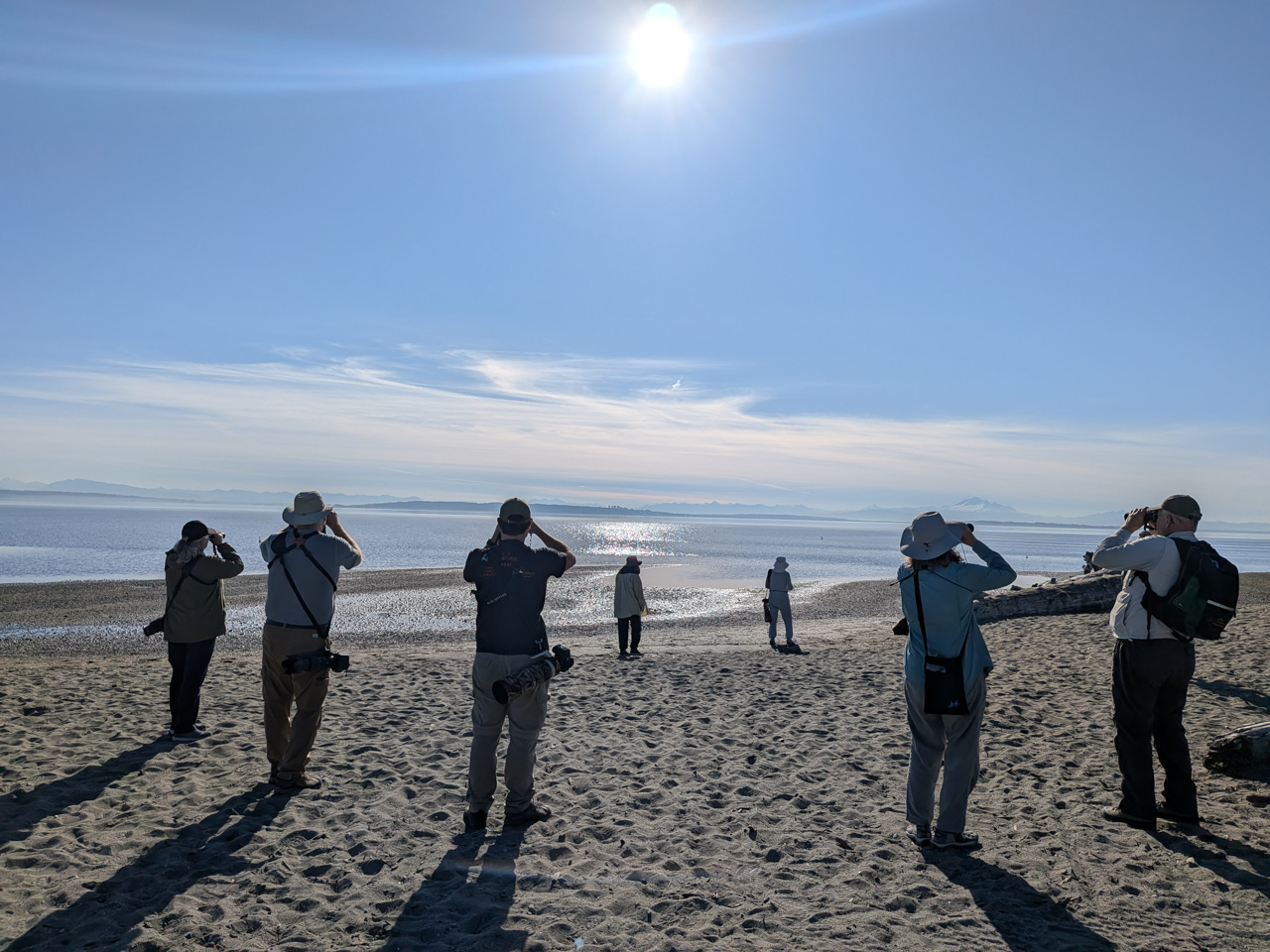
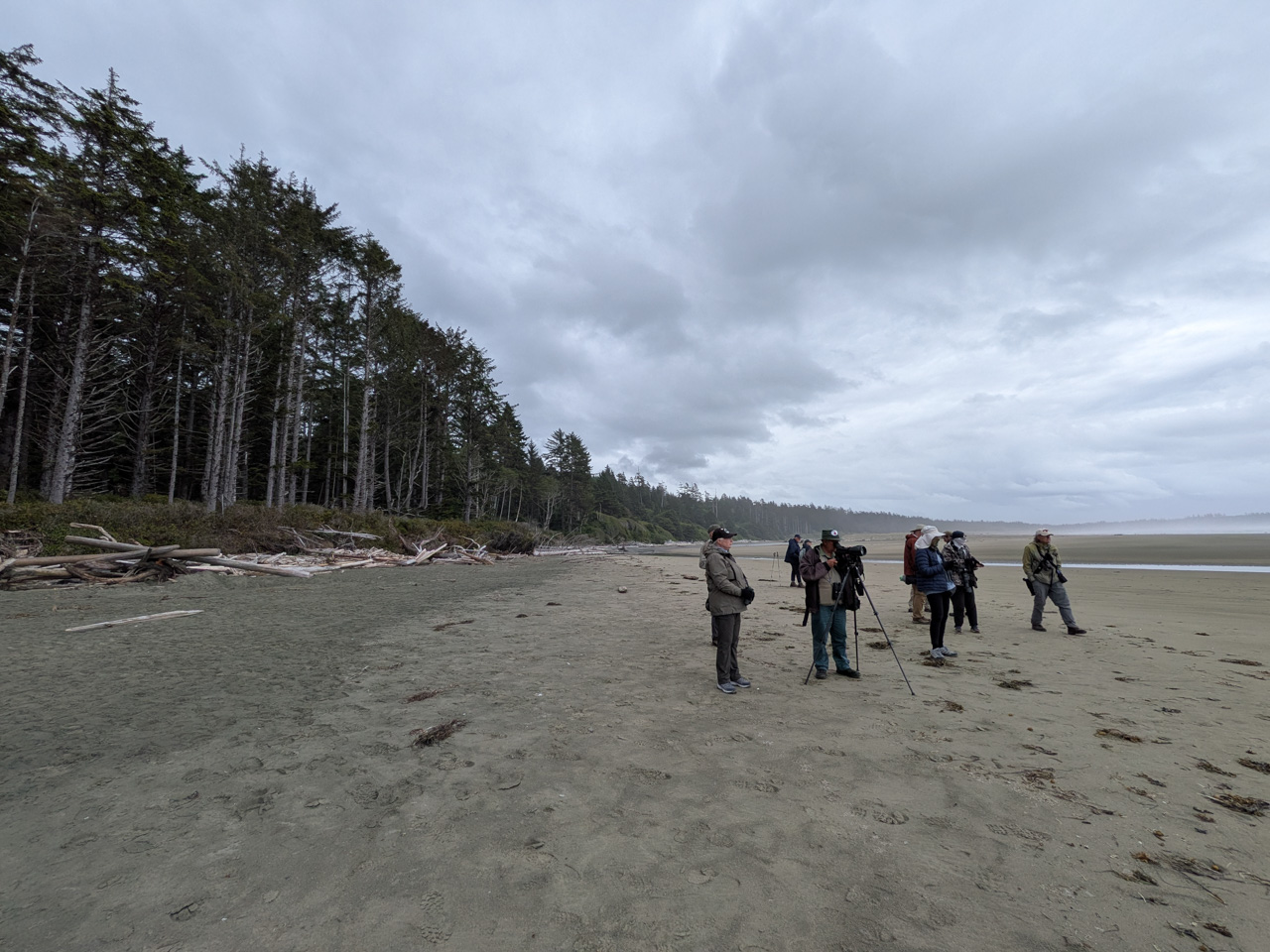
The expedition commenced in the Lower Mainland, focusing on the Fraser River Delta, a region recognized internationally as a Ramsar site due to its importance to migratory shorebirds. At Brunswick Point, observers synchronized their arrival with the receding high tide, a critical window for viewing foraging shorebirds. As the mudflats emerged, the group documented a diverse assemblage of species, including Red Knots, Hudsonian Whimbrels, Black Oystercatchers, and Black-bellied Plovers.
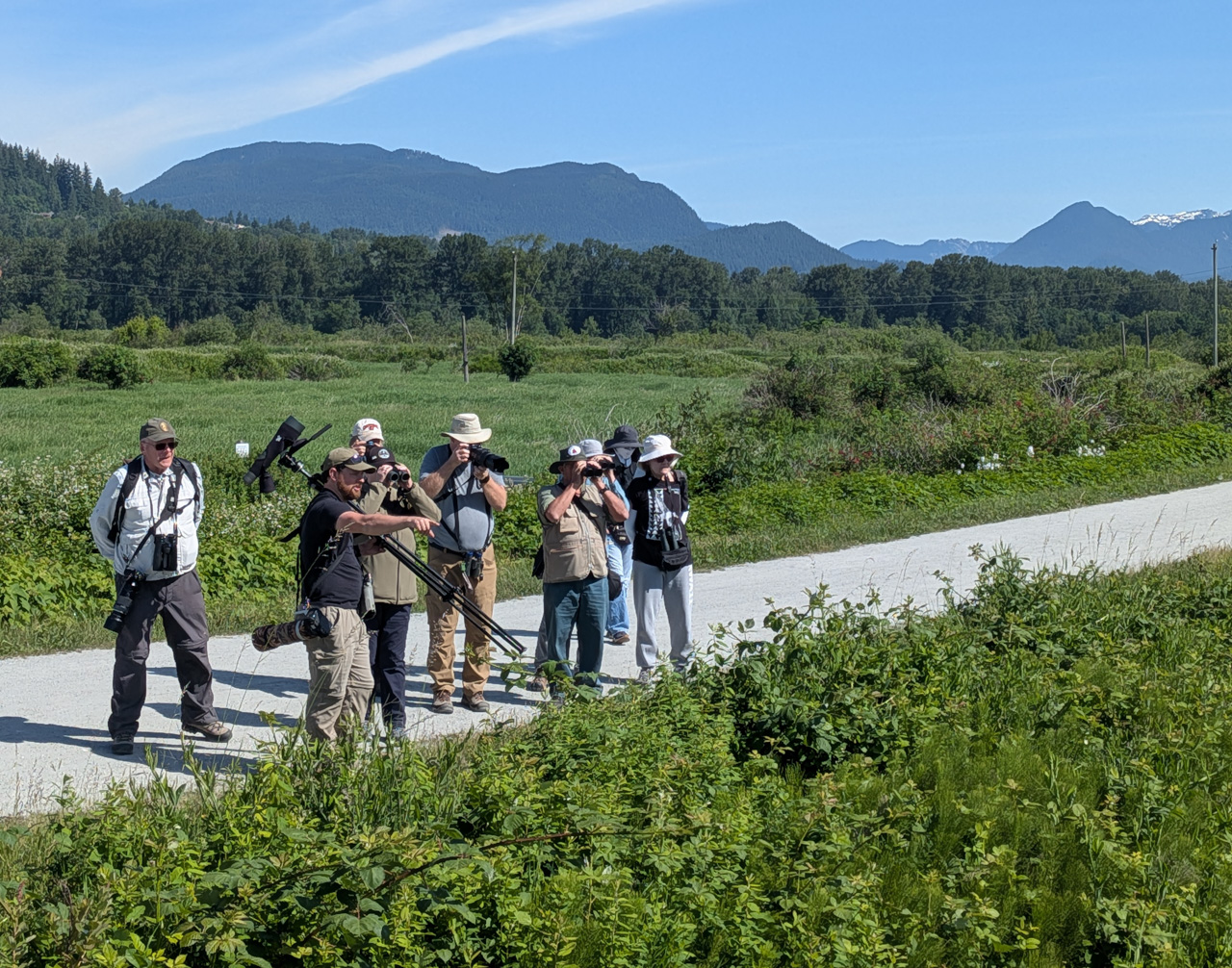
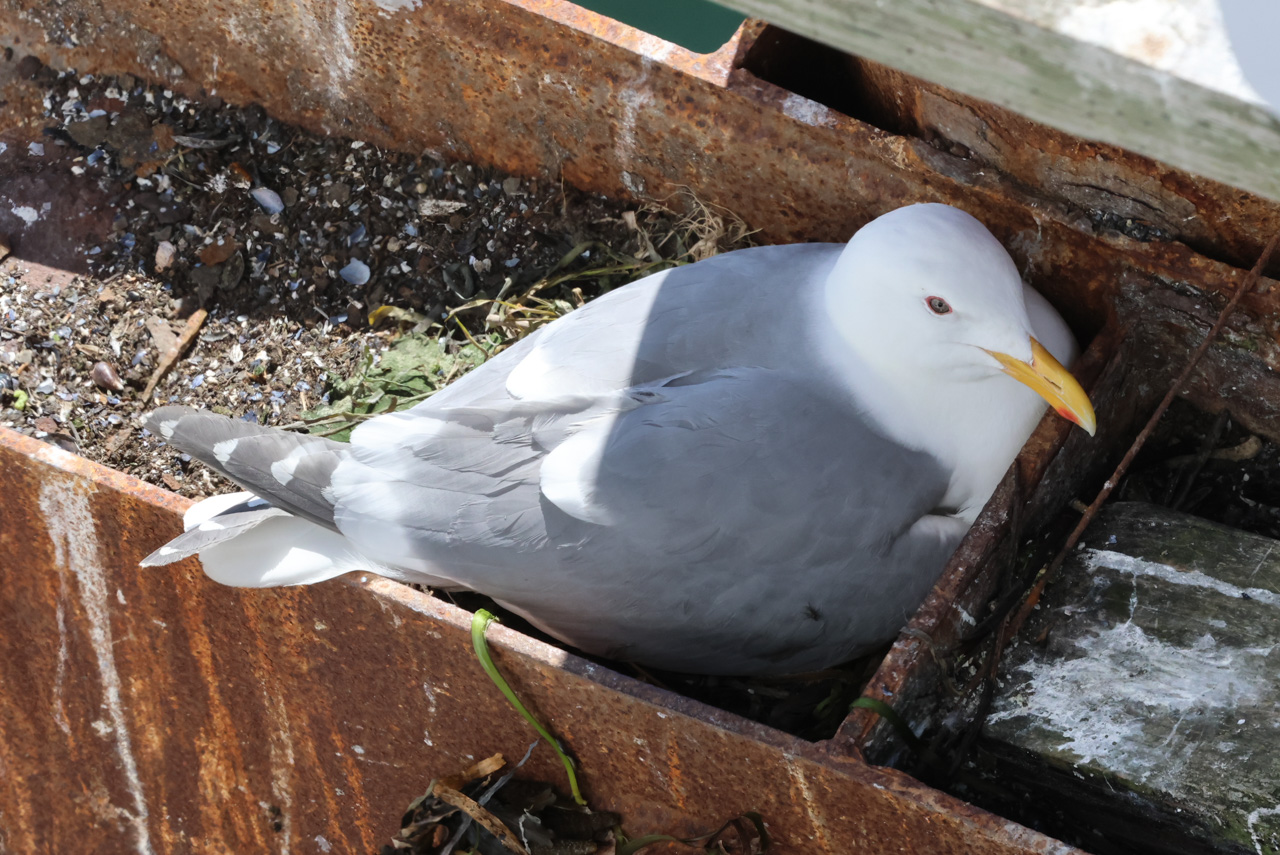
The presence of five gull species, including Bonaparte’s and Short-billed Gulls, alongside Western Sandpipers and Semipalmated Plovers, underscores the delta’s role as a nutrient-rich refueling station. Inland at Colony Farm Regional Park, the ecological transition was marked by the presence of Willow Flycatchers, Eastern Kingbirds, and three species of swallows—Violet-green, Cliff, and Northern Rough-winged. The observation of large flocks of Band-tailed Pigeons and Cedar Waxwings further illustrated the seasonal abundance of local flora.
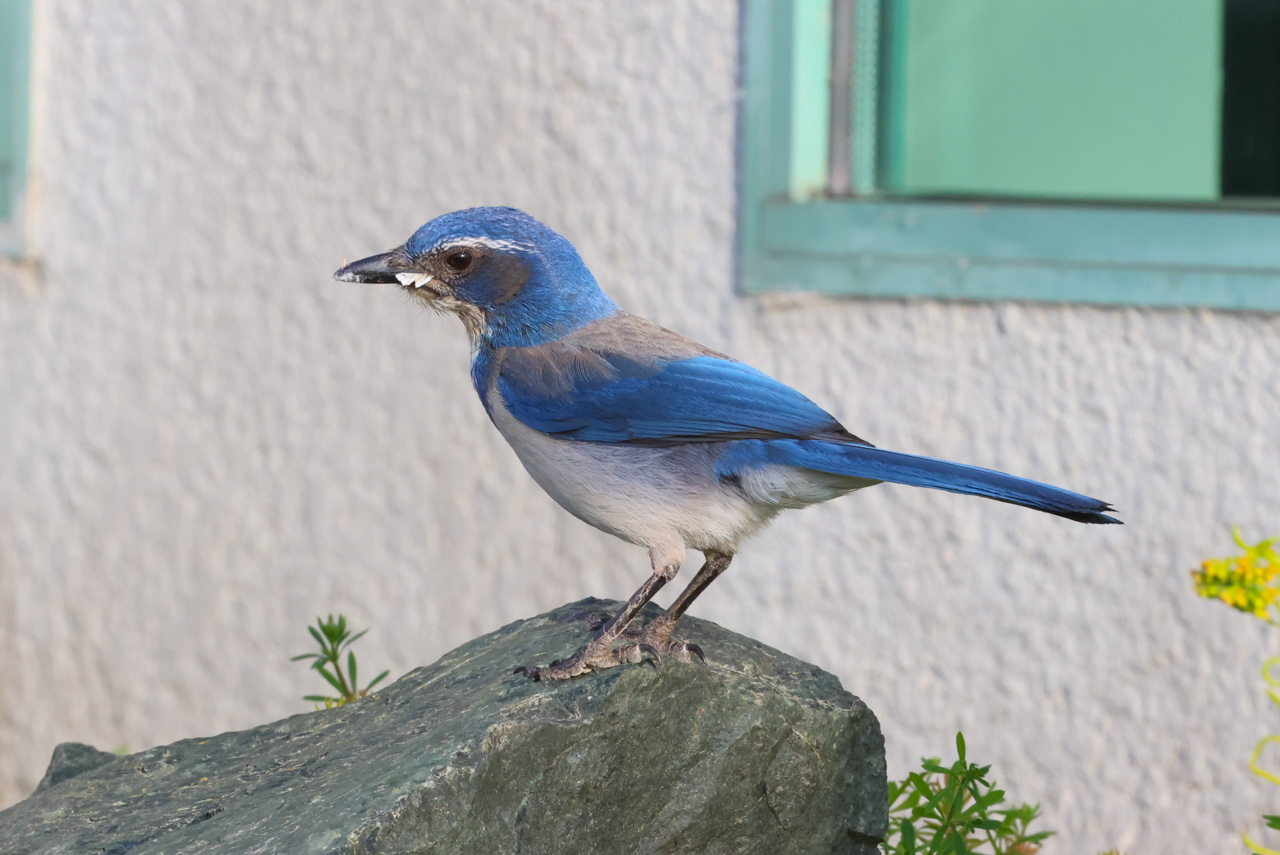
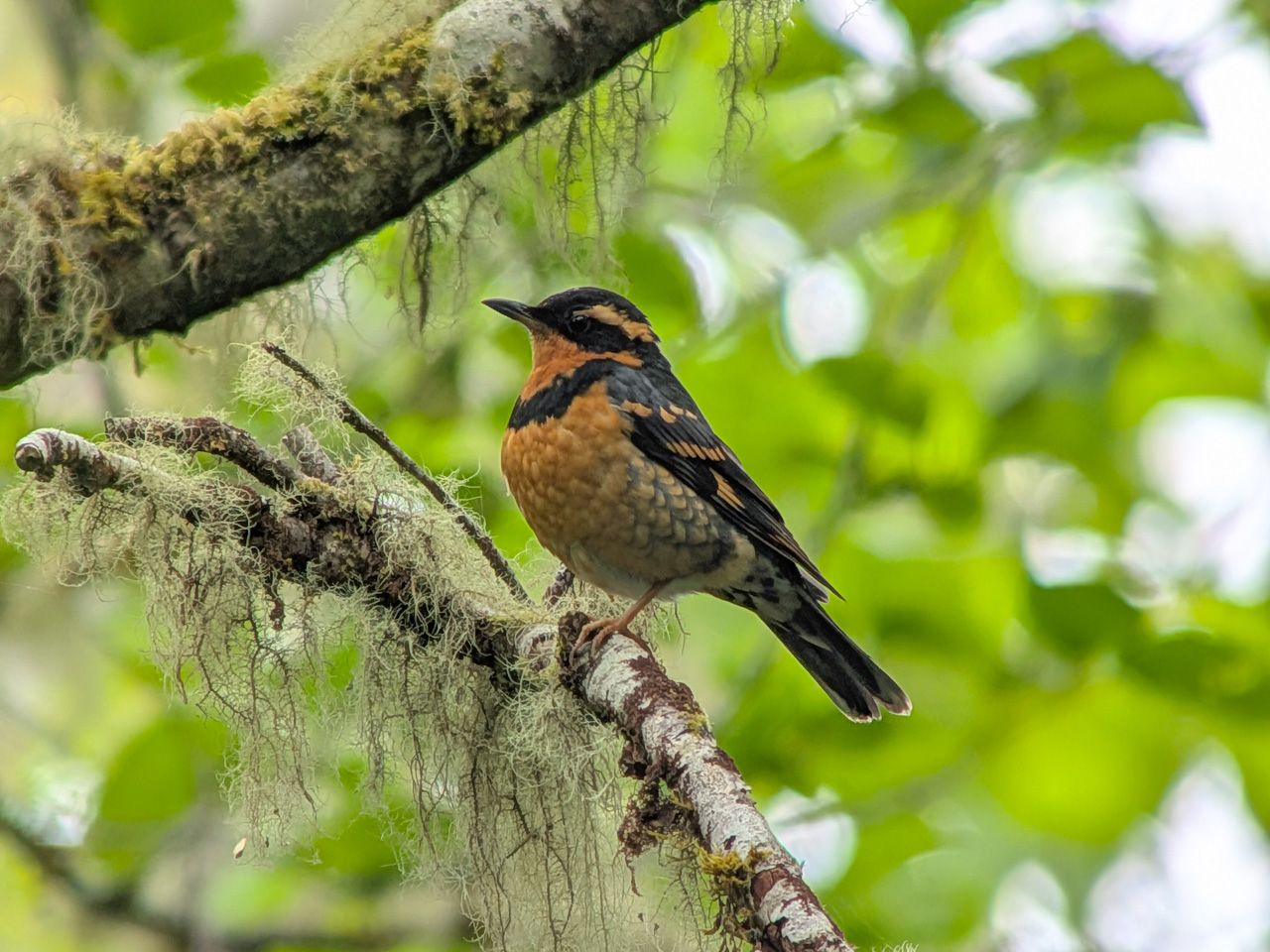
In the temperate rainforests of Minnekhada Regional Park, the expedition recorded both the Downy Woodpecker and the Pileated Woodpecker, North America’s smallest and largest representatives of the family, respectively. This overlap of species within a single forest tract points to a complex vertical structure within the woodland, providing niches for various specialized foragers.
Marine Mammal Diversity and Pelagic Observations
A significant portion of the expedition was dedicated to the marine environments off the west coast of Vancouver Island. Departing from Tofino, the group ventured 46 kilometers offshore to the edge of the continental shelf. This area is a known "hotspot" for productivity due to nutrient-rich upwelling currents that support a vast food web.
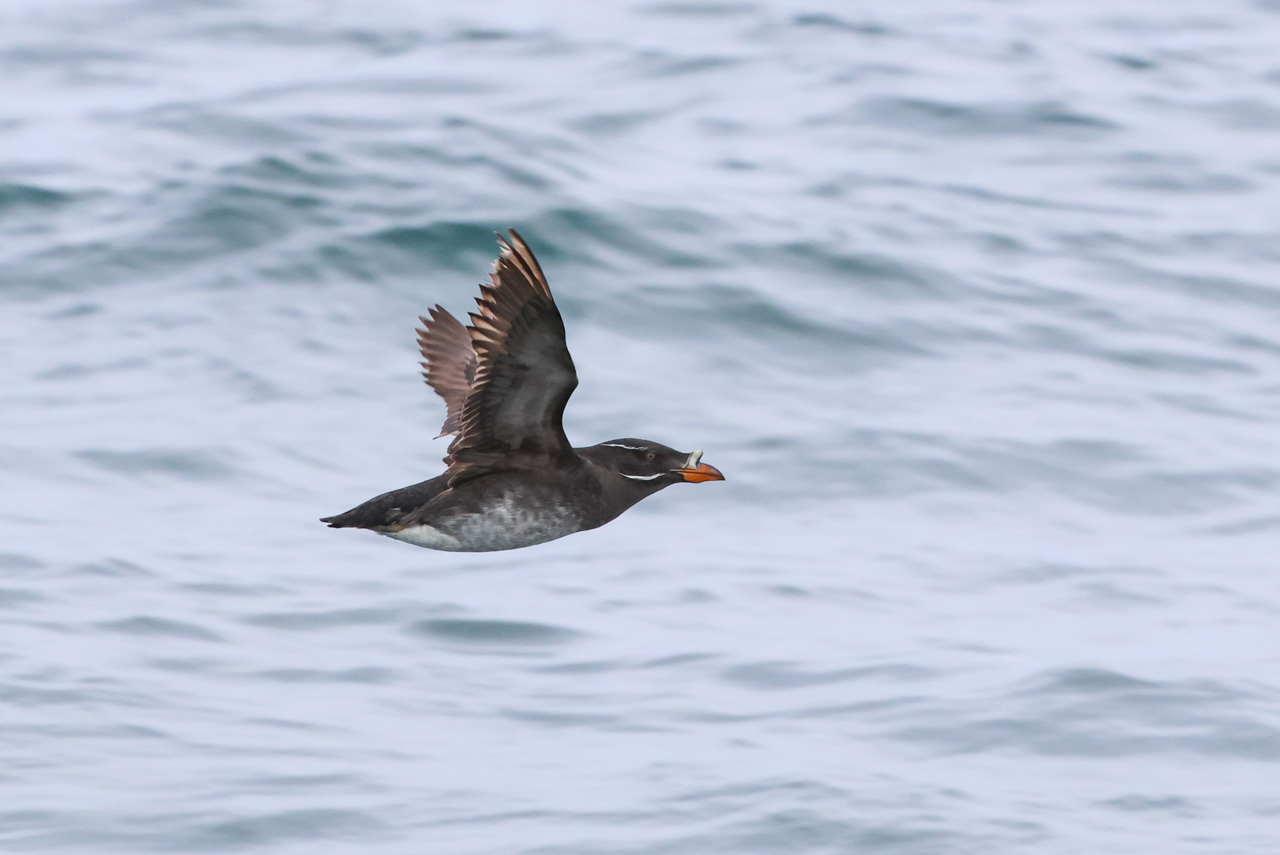
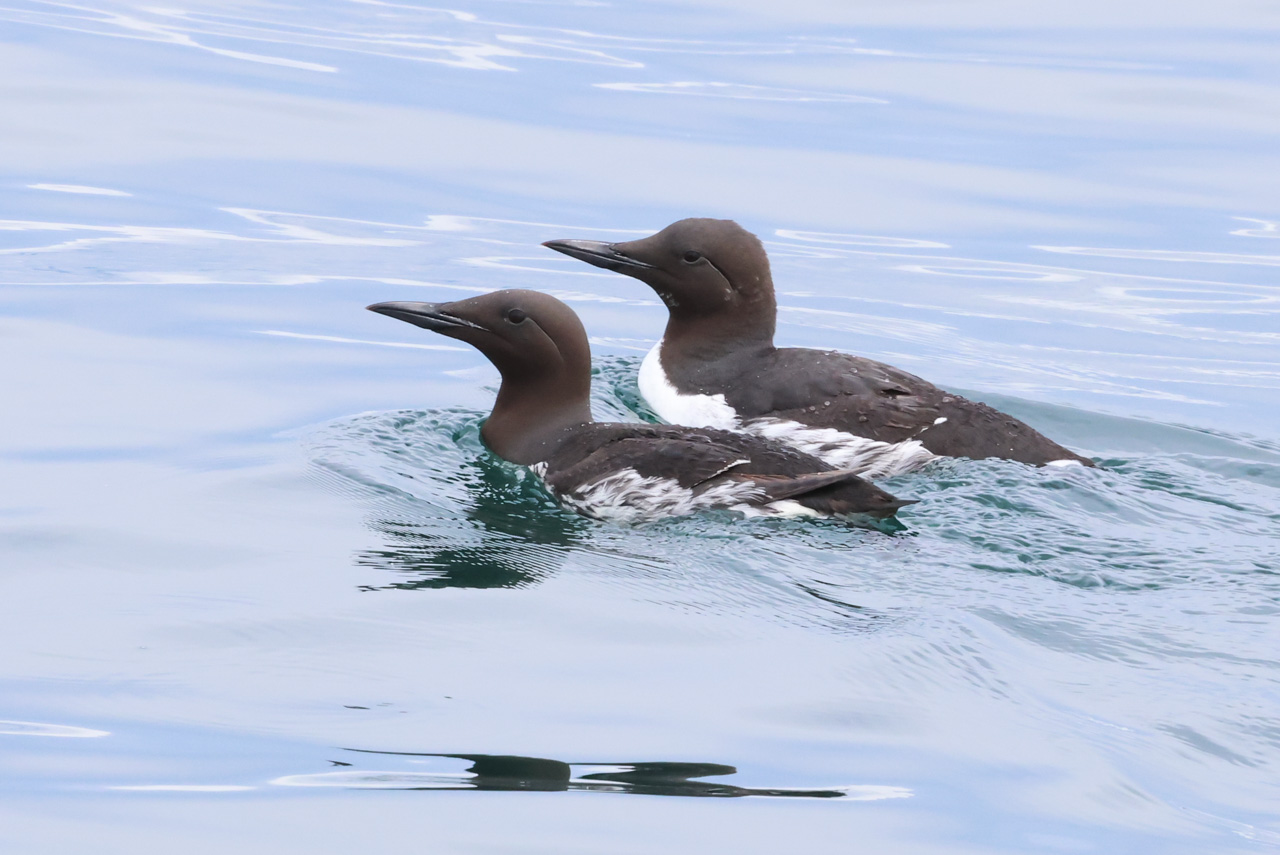
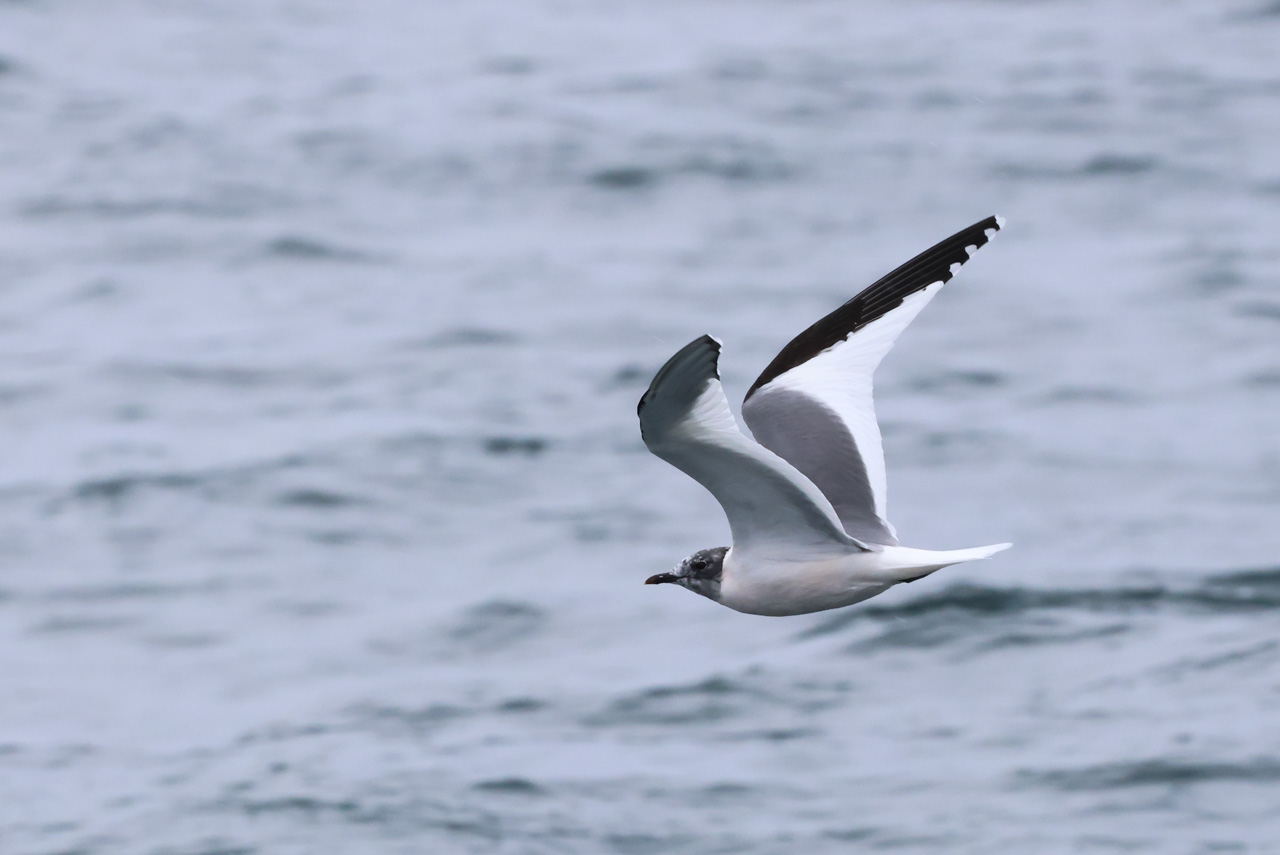
The pelagic survey recorded an impressive "clean sweep" of local alcids, including Marbled Murrelets, Rhinoceros Auklets, Common Murres, Cassin’s Auklets, Ancient Murrelets, and the iconic Tufted Puffin. The most striking avian data point was the recording of approximately 1,000 Sabine’s Gulls, elegant Arctic breeders that migrate through these waters.
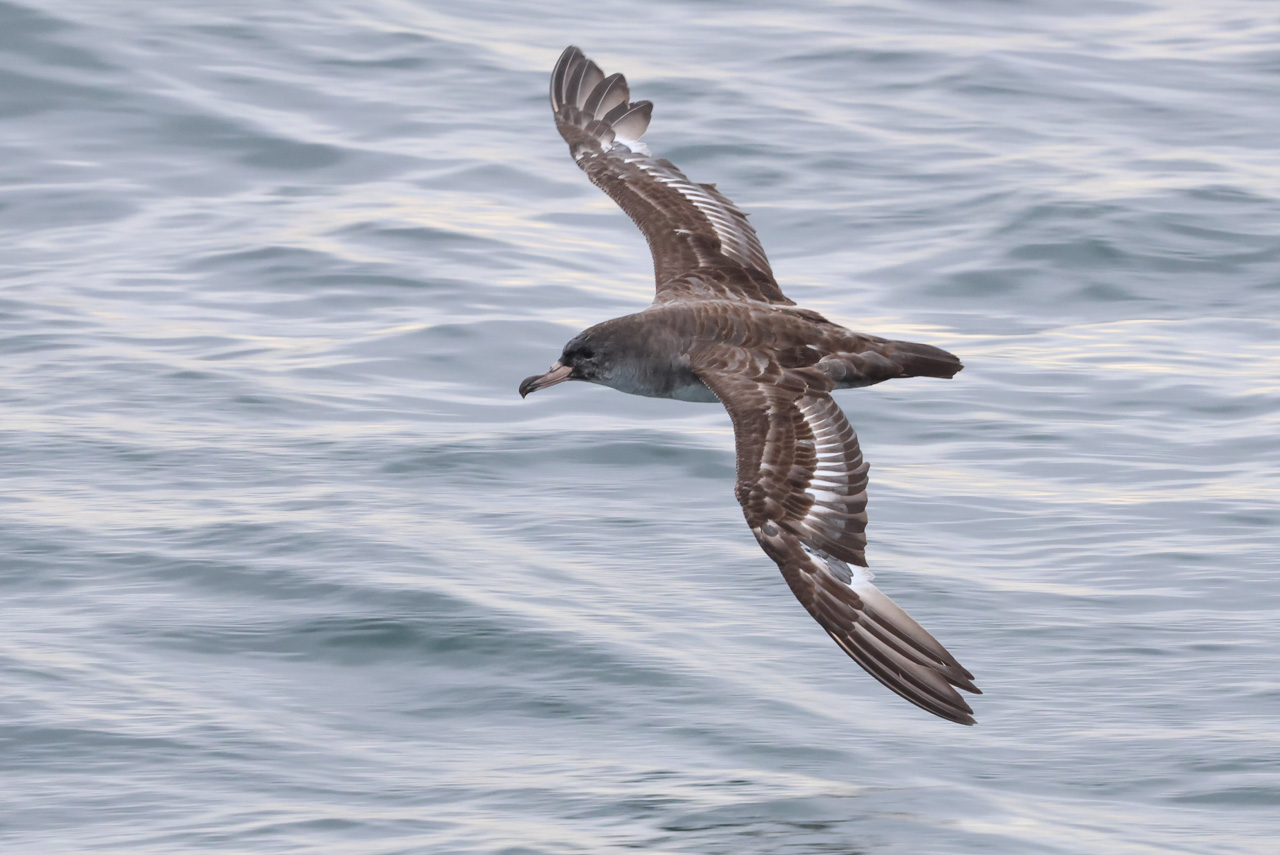
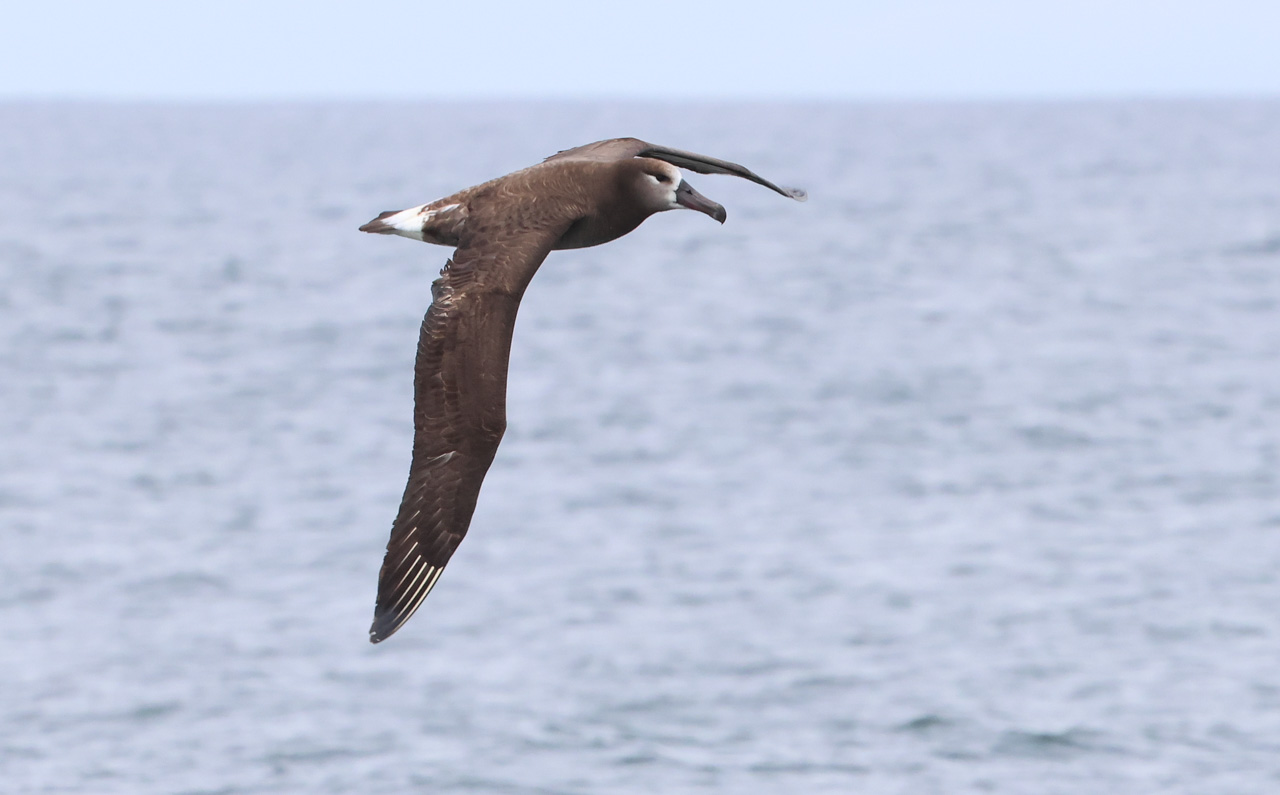
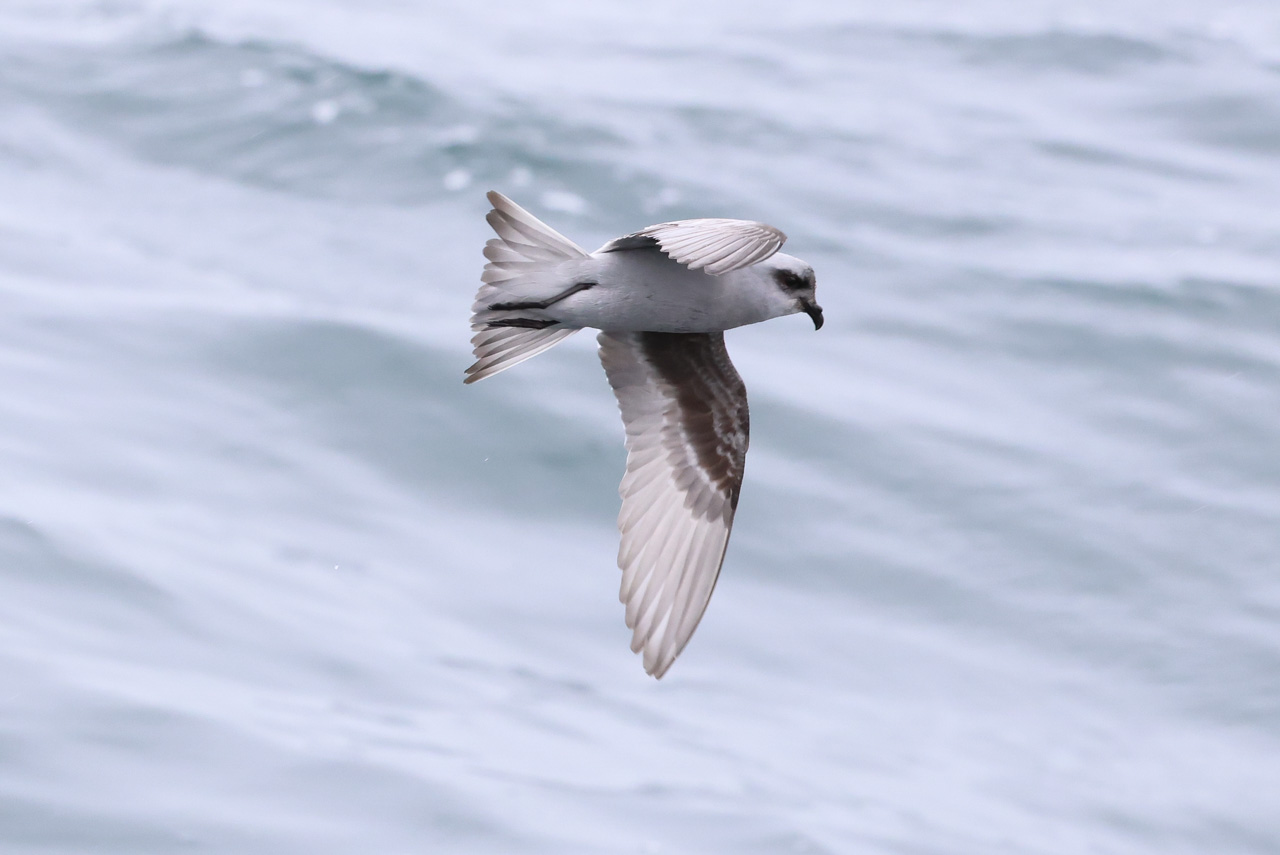
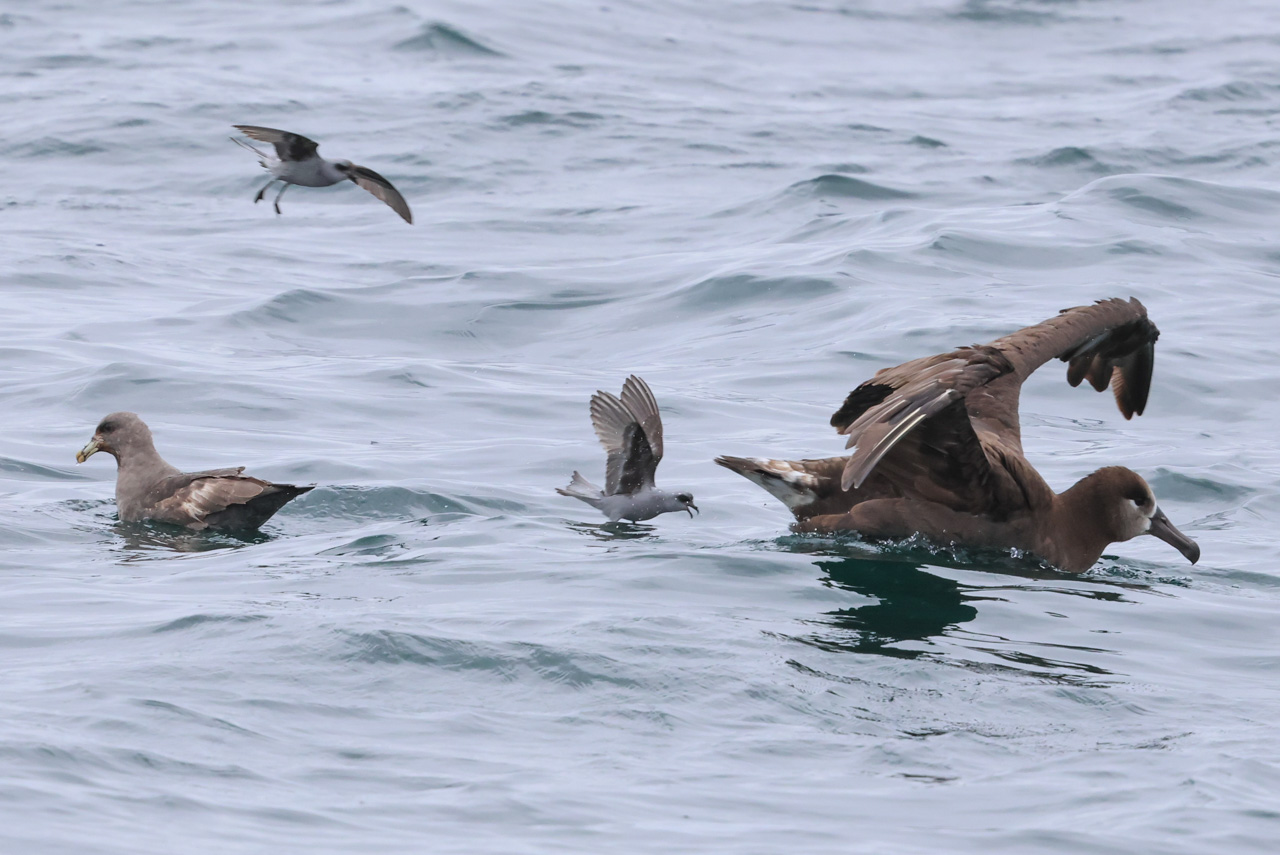
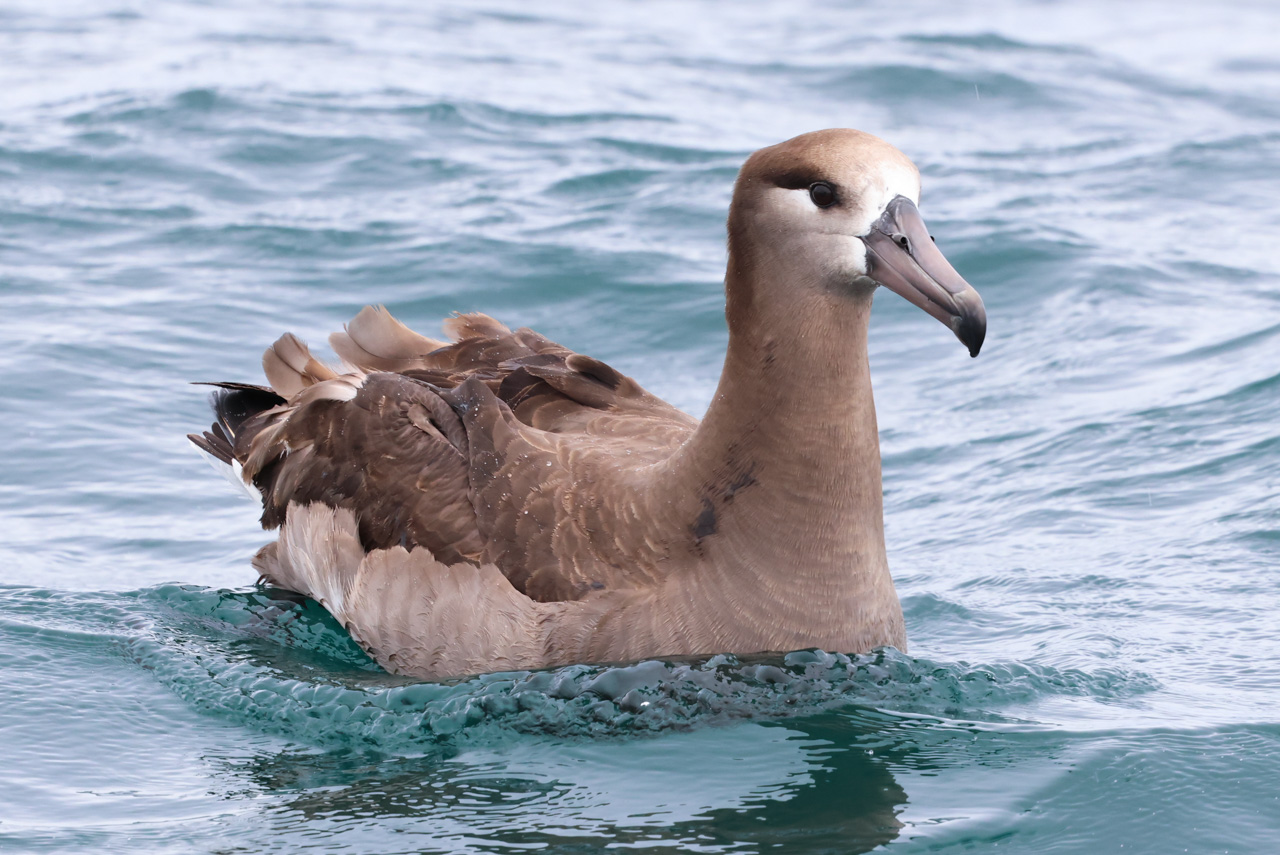
The highlight of the offshore journey occurred at a deep submarine canyon, where a fishing vessel had attracted a massive concentration of scavengers. Naturalists documented nearly 60 Black-footed Albatrosses feeding in close proximity to the tour vessel. These massive birds, with wingspans reaching seven feet, are nomadic wanderers of the open ocean. They were joined by hundreds of Pink-footed and Sooty Shearwaters—the latter having migrated over 11,000 kilometers from breeding colonies in New Zealand—and approximately 70 Fork-tailed Storm-Petrels.
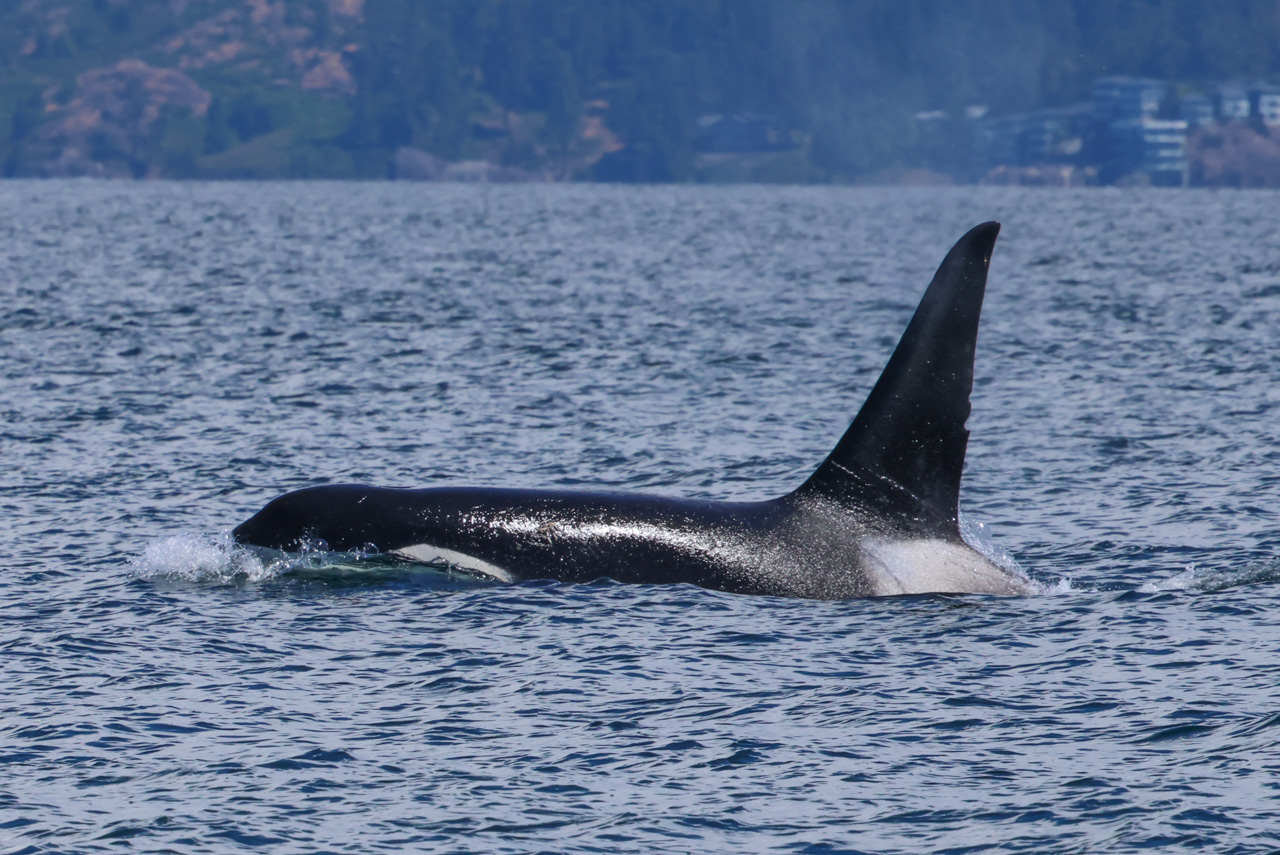
Marine mammal sightings during this phase were equally robust. The group observed Humpback Whales, Sea Otters, Steller Sea Lions, and a pod of Dall’s Porpoises. Notably, a male Orca was sighted cruising the sheltered waters of the bay near Tofino, and later, near Victoria, the group witnessed a rare predation event involving a lone male Orca, providing a raw look at the trophic interactions within the Salish Sea.
Transition to the Interior: Manning Park and the Sub-Alpine
Moving east from the coast, the expedition’s focus shifted toward the high-elevation ecosystems of the Cascade Mountains. Manning Park served as the primary study site for sub-alpine and alpine species. Despite temperatures dropping below -3°C, the group successfully documented several high-altitude specialists.
The recording of Evening and Pine Grosbeaks, Clark’s Nutcrackers, and Mountain Chickadees indicates a healthy coniferous ecosystem. The Clark’s Nutcracker is of particular ecological interest due to its mutualistic relationship with the Whitebark Pine, a tree species currently facing significant environmental pressure. The observation of fresh juveniles suggests successful local breeding.
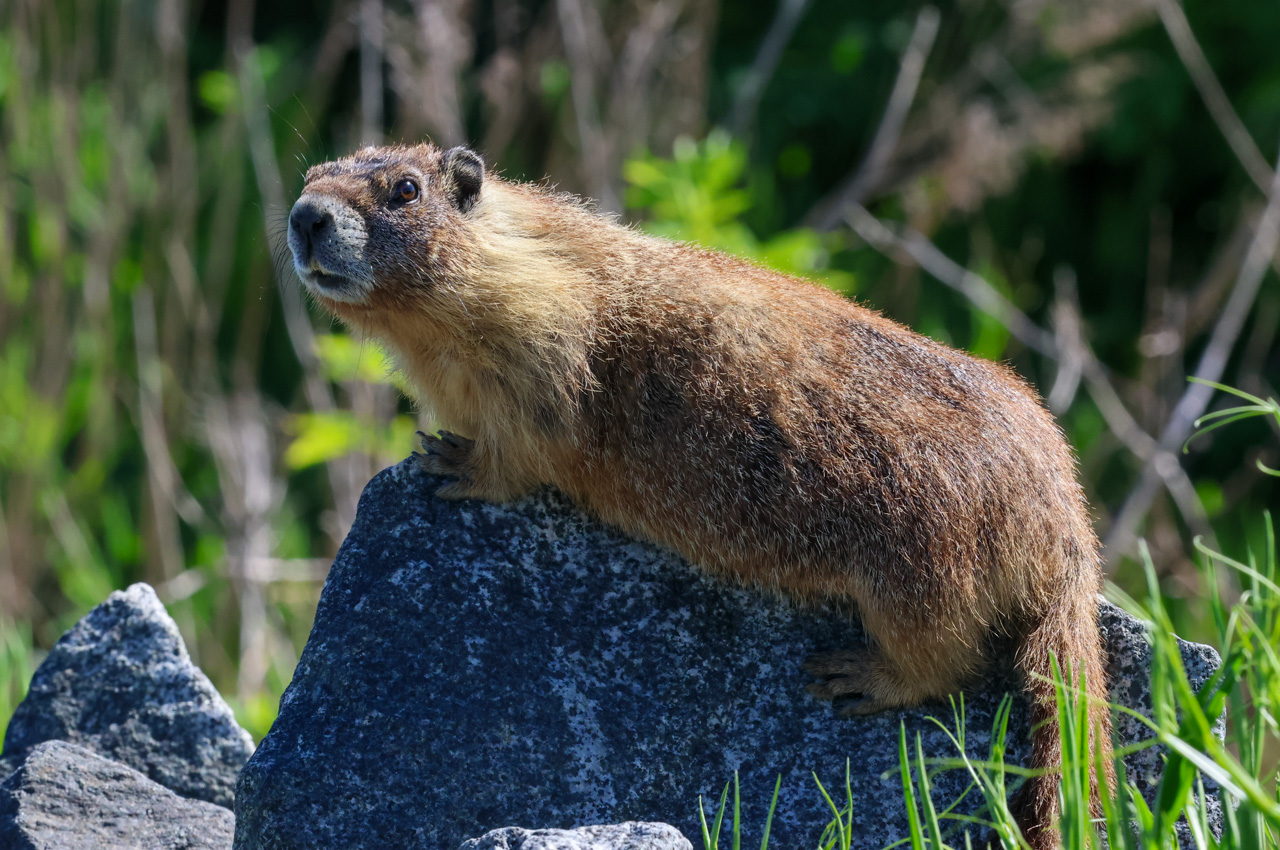
Mammalian sightings in the park included the Columbia Ground Squirrel, Cascade Golden-mantled Ground Squirrel, and the American Pika, a small lagomorph that is often used by biologists as an indicator species for climate change due to its sensitivity to high temperatures. The sighting of a female Sooty Grouse with chicks provided further evidence of a productive breeding season in the sub-alpine meadows.
The Okanagan Valley: Canada’s "Pocket Desert"
The final phase of the tour explored the Okanagan Valley, a region characterized by a semi-arid climate and unique shrub-steppe habitat. This area holds many species that reach the northernmost limit of their range in Canada, making it a high-priority area for conservation.
In the sagebrush-covered hills, the group located the Sage Thrasher and Brewer’s Sparrow, both of which are highly specialized and have restricted ranges within the country. The presence of three different Sage Thrashers during the week was noted as a particularly positive sign for the species’ local status.
The expedition also focused on the region’s high woodpecker diversity. At various elevations, observers recorded Red-naped Sapsuckers, Lewis’s Woodpeckers, and the elusive Williamson’s Sapsucker. The Lewis’s Woodpecker is notable for its flycatching behavior, which was observed at close range.
In the urban-adjacent habitats of Osoyoos and Kelowna, the survey documented:
- Hummingbirds: Black-chinned and Calliope Hummingbirds (the latter being Canada’s smallest bird).
- Birds of Prey: Golden Eagles, Swainson’s Hawks, and a pair of Burrowing Owls.
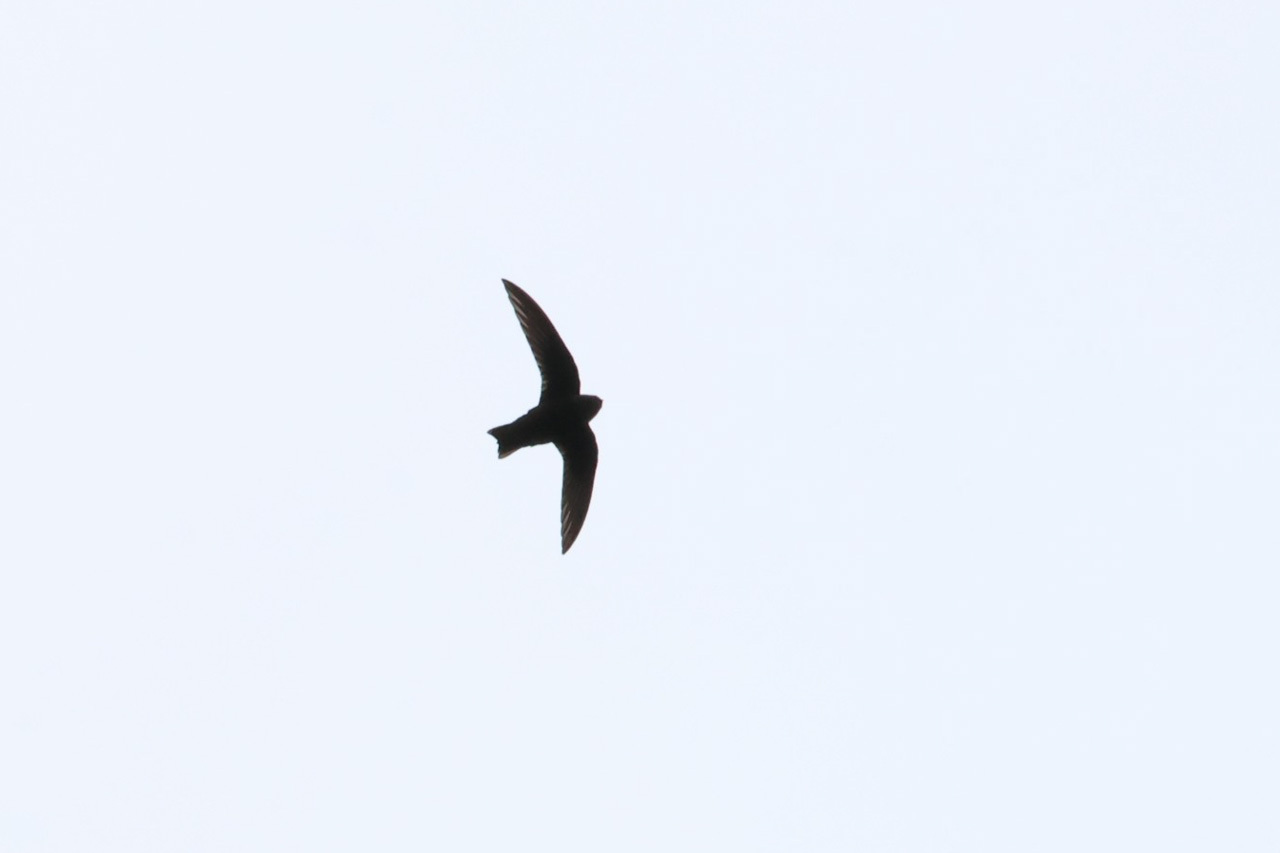
- Nocturnal Species: Common Nighthawks and a Common Poorwill.
The tour concluded in Kelowna with a survey of local wetlands, adding Eared Grebes in breeding plumage, Black-necked Stilts, and the secretive Sora to the final species list.
Ecological Implications and Conclusion
The documentation of 208 bird species over 12 days provides a significant data set regarding the current state of British Columbia’s wildlife. The high count of Sabine’s Gulls and the successful location of multiple "at-risk" or range-restricted species like the Sage Thrasher and Williamson’s Sapsucker suggest that, while these habitats face ongoing pressure from human activity and climate shifts, they currently support a robust and diverse avian population.
Ornithologists and guides involved in the expedition noted that the variety of habitats—from coastal mudflats to dry interior sagebrush—is what makes British Columbia unique in North America. The success of the tour was attributed to the precise timing of the itinerary, which allowed for the observation of both late-summer migrants and resident breeders.
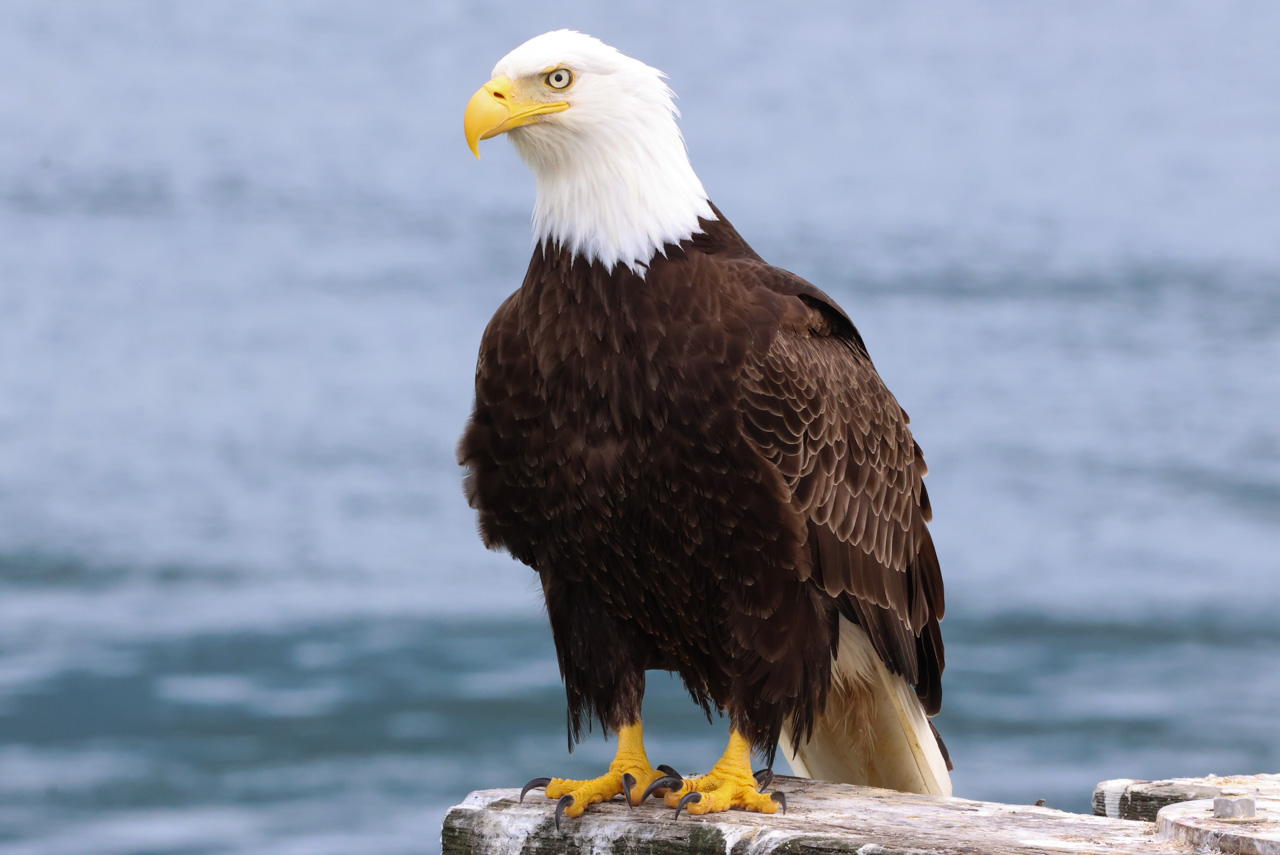
The presence of apex predators, such as the Orca, Golden Eagle, and American Goshawk, across different stages of the trip serves as a broad indicator of ecosystem health, suggesting that the lower trophic levels are sufficiently populated to support these high-energy hunters. Furthermore, the abundance of "citizen science" opportunities during such expeditions continues to contribute to the long-term monitoring of species distributions in Western Canada.
As the 2026 expedition concludes, the data gathered reinforces the necessity of protecting these varied ecosystems. From the ancient cedars of Cathedral Grove to the sensitive marshes of the Okanagan, the interconnectedness of these habitats remains vital for the survival of both resident and migratory species across the Pacific Northwest. The expedition stands as a testament to the enduring wildness of British Columbia and the critical importance of ongoing environmental stewardship in the region.
