
An eight-day ecological and scientific survey led by Canadian Geographic Society ambassador Myrna Pearman and naturalist Logan Lalonde has concluded a comprehensive exploration of the avian and marine biodiversity across Newfoundland’s Avalon and Bonavista Peninsulas. The expedition, which spanned from June 3 to June 10, successfully documented 101 distinct species of birds, several marine mammals, and significant geological formations, highlighting the province’s status as a critical hub for North Atlantic biodiversity. Journeying from the urban cliffs of St. John’s to the subarctic barrens of the southern Avalon and the dense boreal forests of Terra Nova National Park, the team provided an updated snapshot of the region’s ecological health during the peak of the spring breeding season.
Scientific Objectives and Regional Significance
The primary focus of the expedition was to monitor the return of migratory seabirds and songbirds to their northern breeding grounds. Newfoundland serves as a vital corridor for millions of birds traversing the Atlantic Flyway. By documenting 101 species, the group provided valuable data on the timing of arrivals and the health of nesting colonies. Furthermore, the expedition integrated geological education, visiting UNESCO World Heritage sites to contextualize the relationship between Newfoundland’s unique 565-million-year-old rock formations and its current biological niches.
Phase I: The Avalon Peninsula and Marine Biodiversity
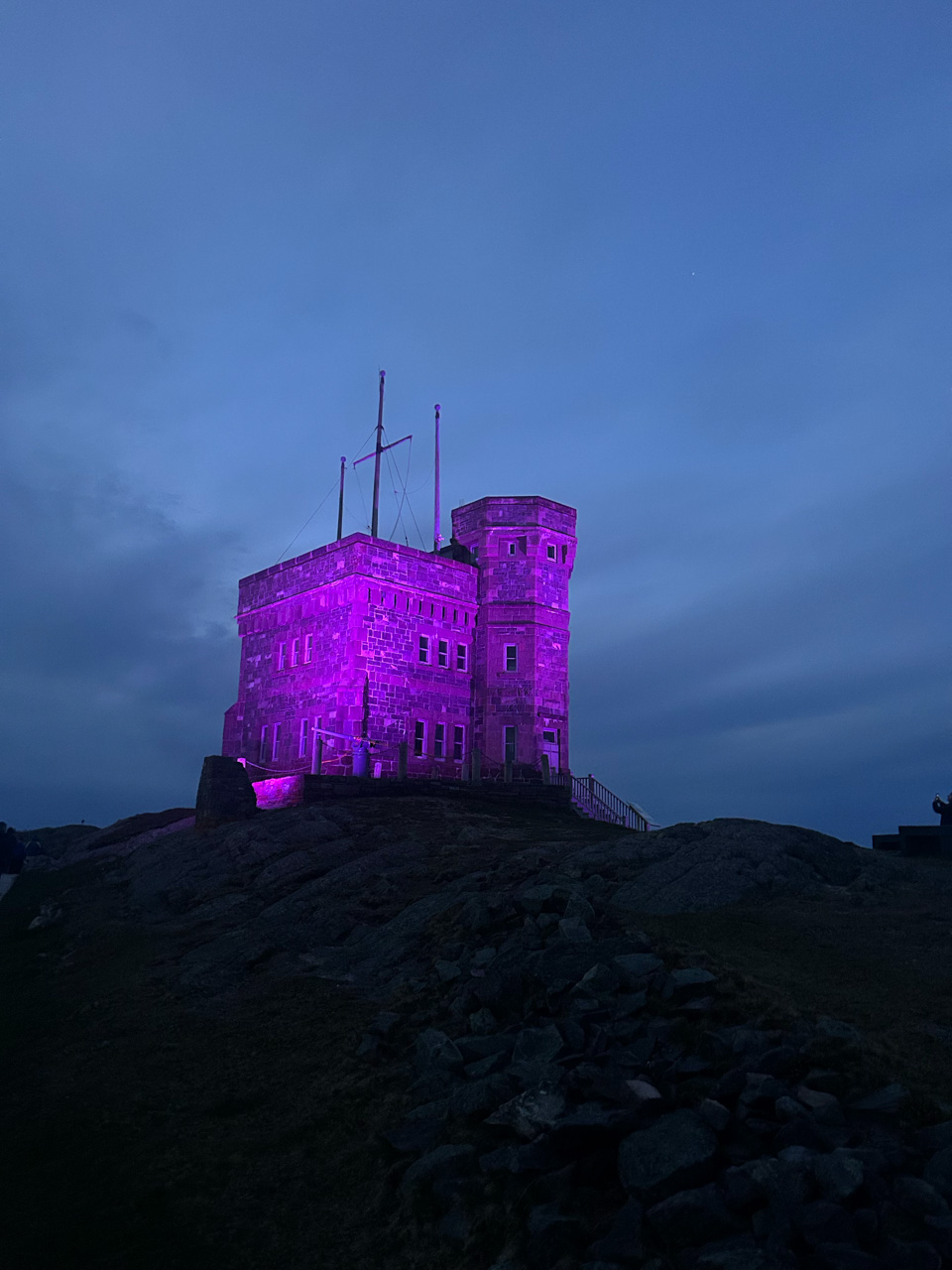
The expedition commenced in St. John’s, the easternmost city in North America, utilizing the historic Signal Hill as a vantage point for initial environmental assessments. On June 4, the team transitioned to Cape Spear National Historic Site. While the location is renowned for its lighthouse and status as the continent’s easternmost point, the scientific focus remained on the offshore waters. The group observed a pod of Minke whales (Balaenoptera acutorostrata) operating close to the shoreline, a common but vital indicator of healthy capelin stocks in the area.

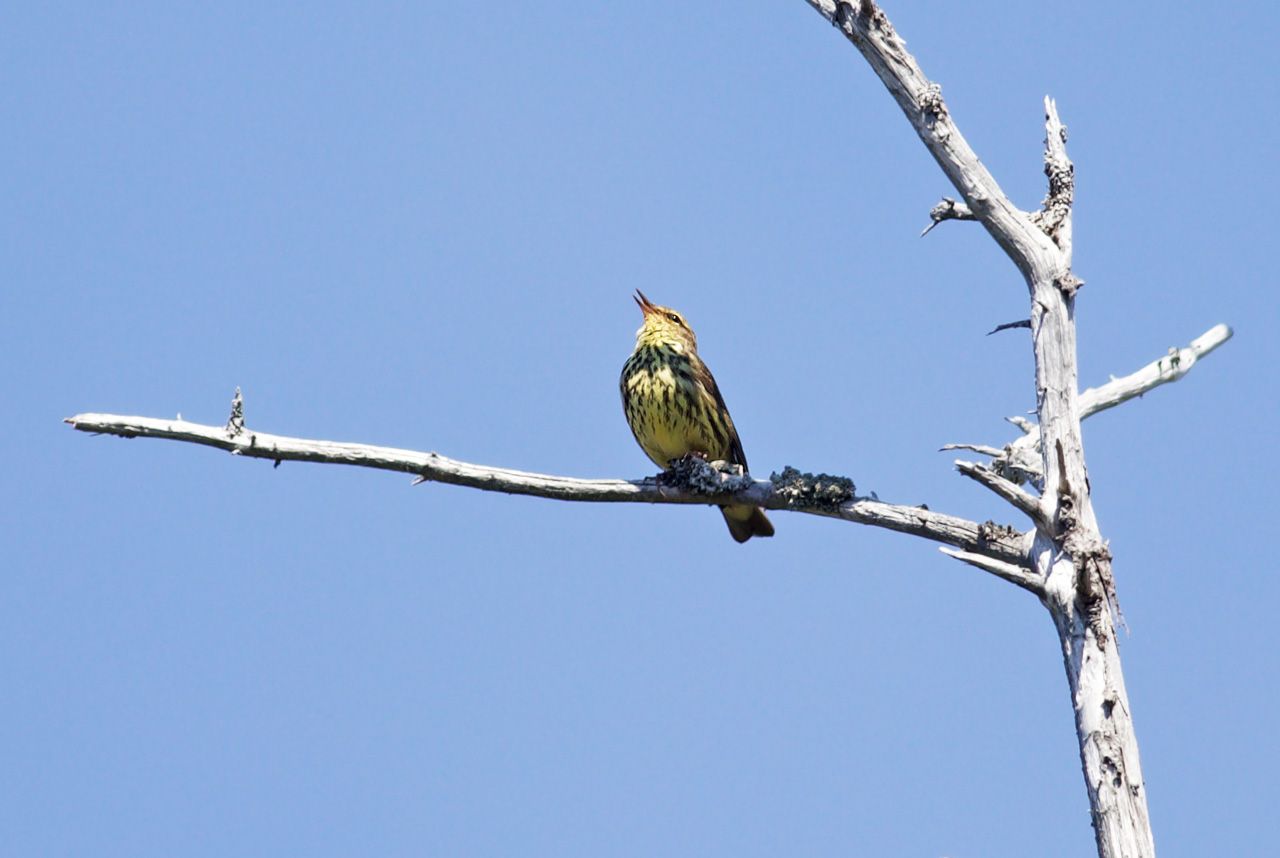
Inland, at Bidgood Park, the expedition recorded the highest species diversity of the trip. The park’s mix of wetland and conifer forest provided sightings of breeding warblers, including the Northern Waterthrush, Wilson’s Warbler, and the Blackpoll Warbler. A notable highlight was the documentation of an immature male Cape May Warbler, a species considered scarce within the province. This sighting suggests a potential expansion or shift in the migratory patterns of the species within the boreal zone.
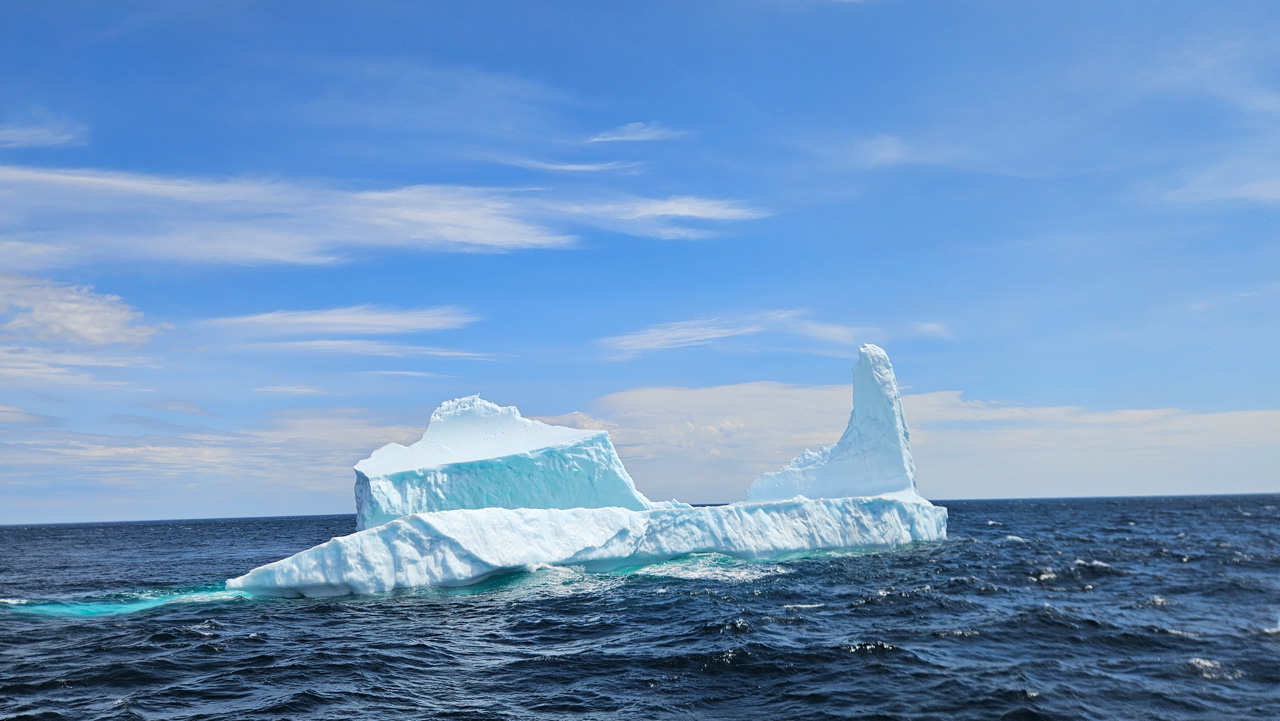
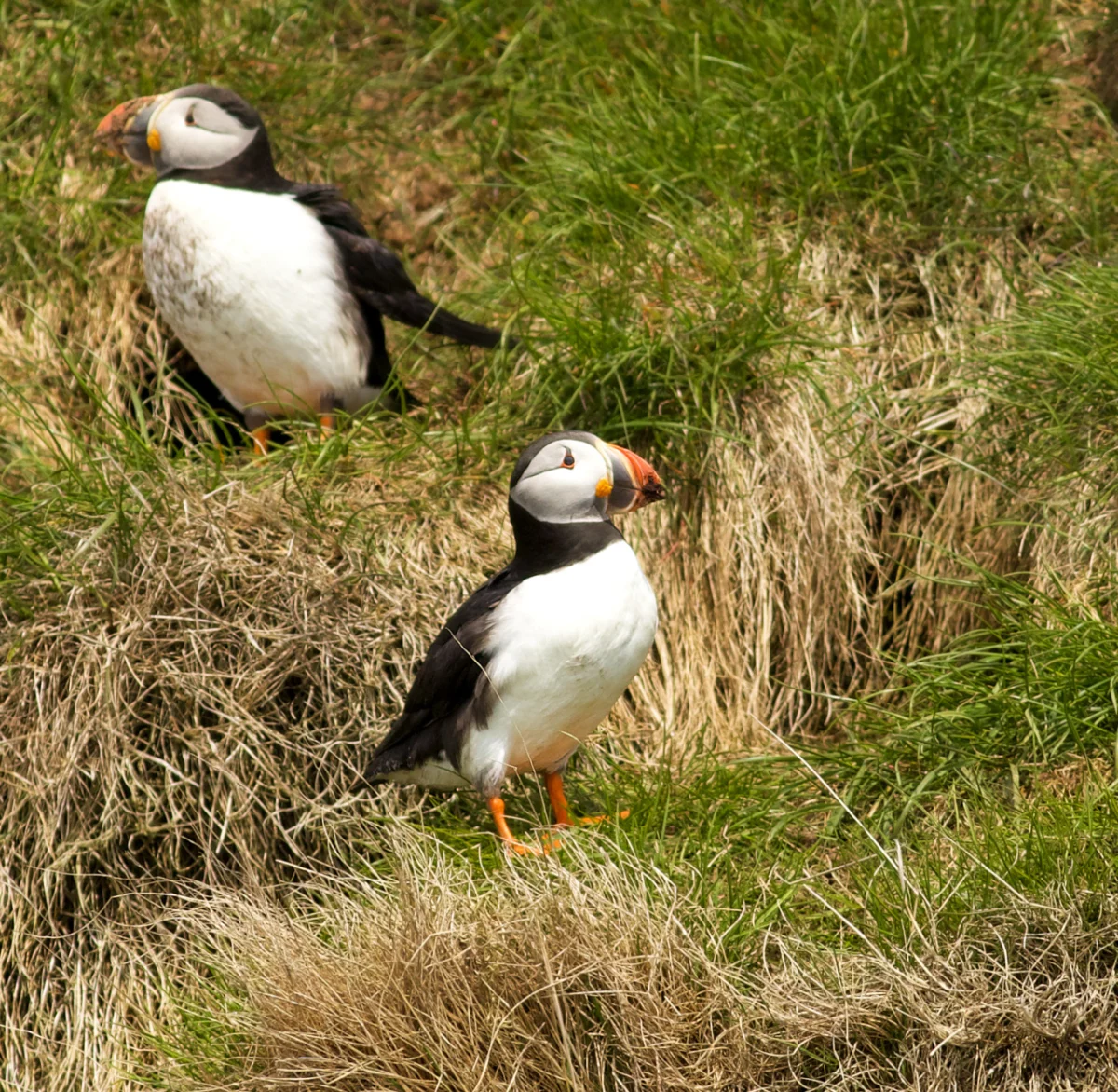
The marine survey intensified at Bay Bulls, where the team conducted a boat-based assessment of the Witless Bay Ecological Reserve. A significant environmental feature noted was a large iceberg grounded near Gull Island. The presence of icebergs in June is a direct result of the Labrador Current’s seasonal movement. Gull Island itself hosts one of the largest Atlantic Puffin (Fratercula arctica) colonies in the world, estimated at approximately 250,000 breeding pairs. The expedition confirmed high activity levels among the puffins, as well as tens of thousands of Common Murres and Black-legged Kittiwakes. A rare Thick-billed Murre was also identified among the swarms, providing a key data point for the team’s avian census.

Phase II: Deep Time and Subarctic Environments
On June 5, the expedition moved south toward the Mistaken Point National Historic Site. En route, the team documented the presence of Northern Fulmars nesting near St. Michaels. As an Arctic species, their presence as breeders this far south is of particular interest to ornithologists monitoring climate-related range shifts.
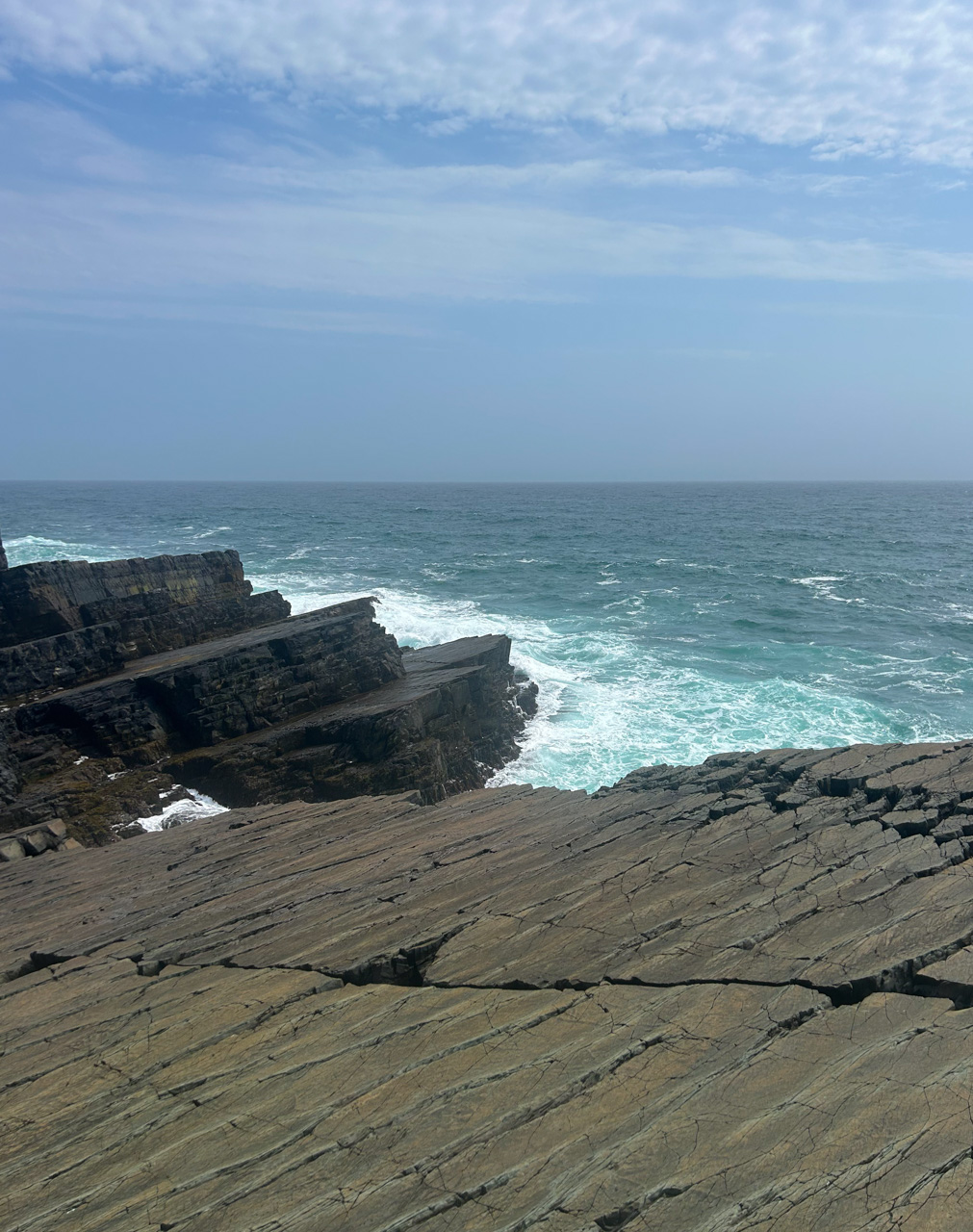
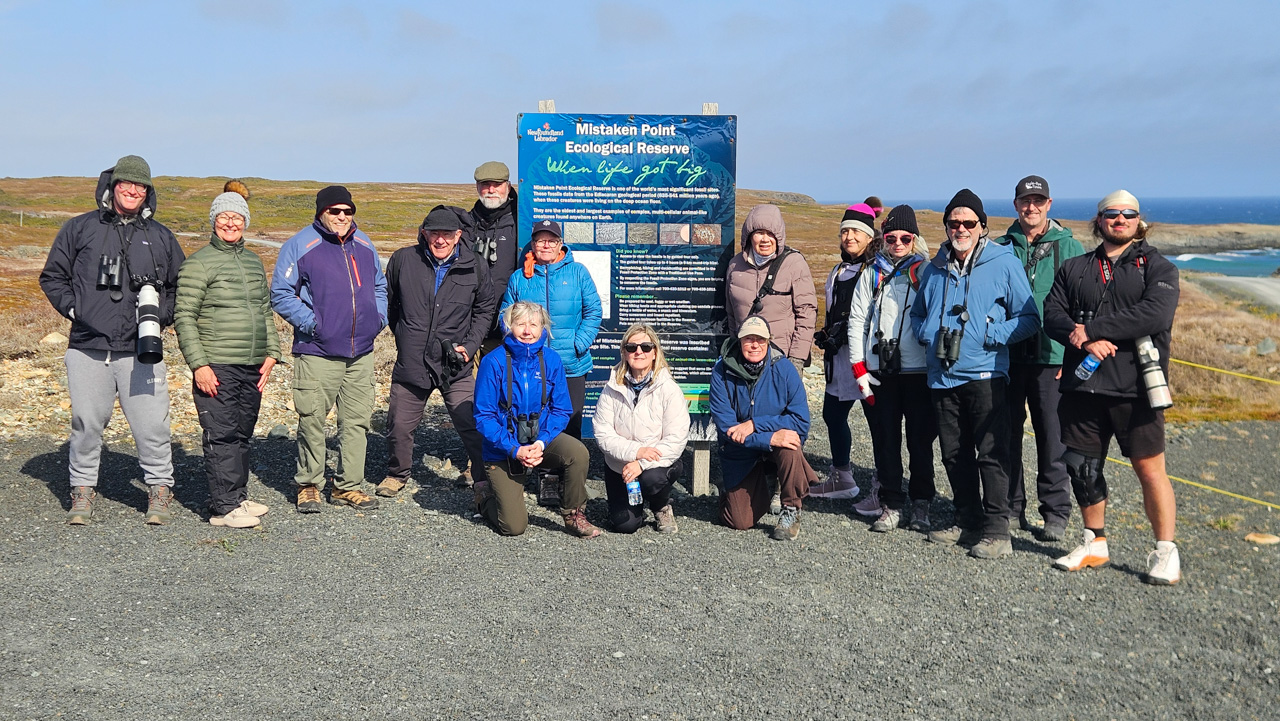
The trek to Mistaken Point provided a transition into a geological landscape that predates most known life on Earth. The site contains fossils of the Ediacaran biota, representing the oldest complex multicellular organisms found anywhere on the planet. Under the guidance of local interpreters, the team examined the ash-preserved impressions of these primitive oceanic animals. The site’s protection is critical, as it offers a window into the "biological big bang" that occurred over 565 million years ago.
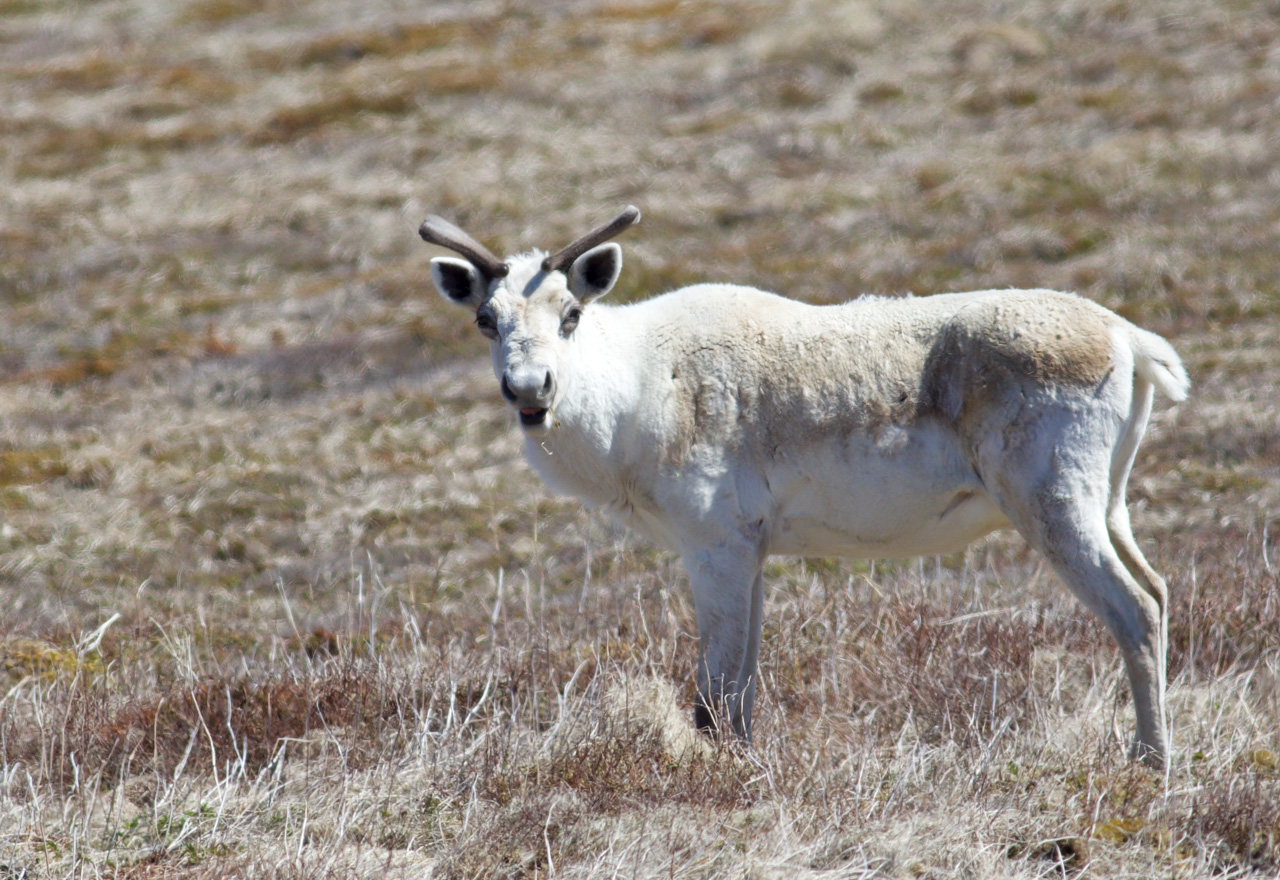
The environmental conditions in the southern Avalon are characterized by subarctic barrens. Here, the team observed Woodland Caribou, including mothers with young calves, indicating a stable reproductive cycle for the local herd. The avian highlights in this region included the Willow Ptarmigan and American Pipits, both of which utilize the low-lying tundra-like vegetation for nesting and display.

Phase III: The Gannet Metropolis and Western Avalon
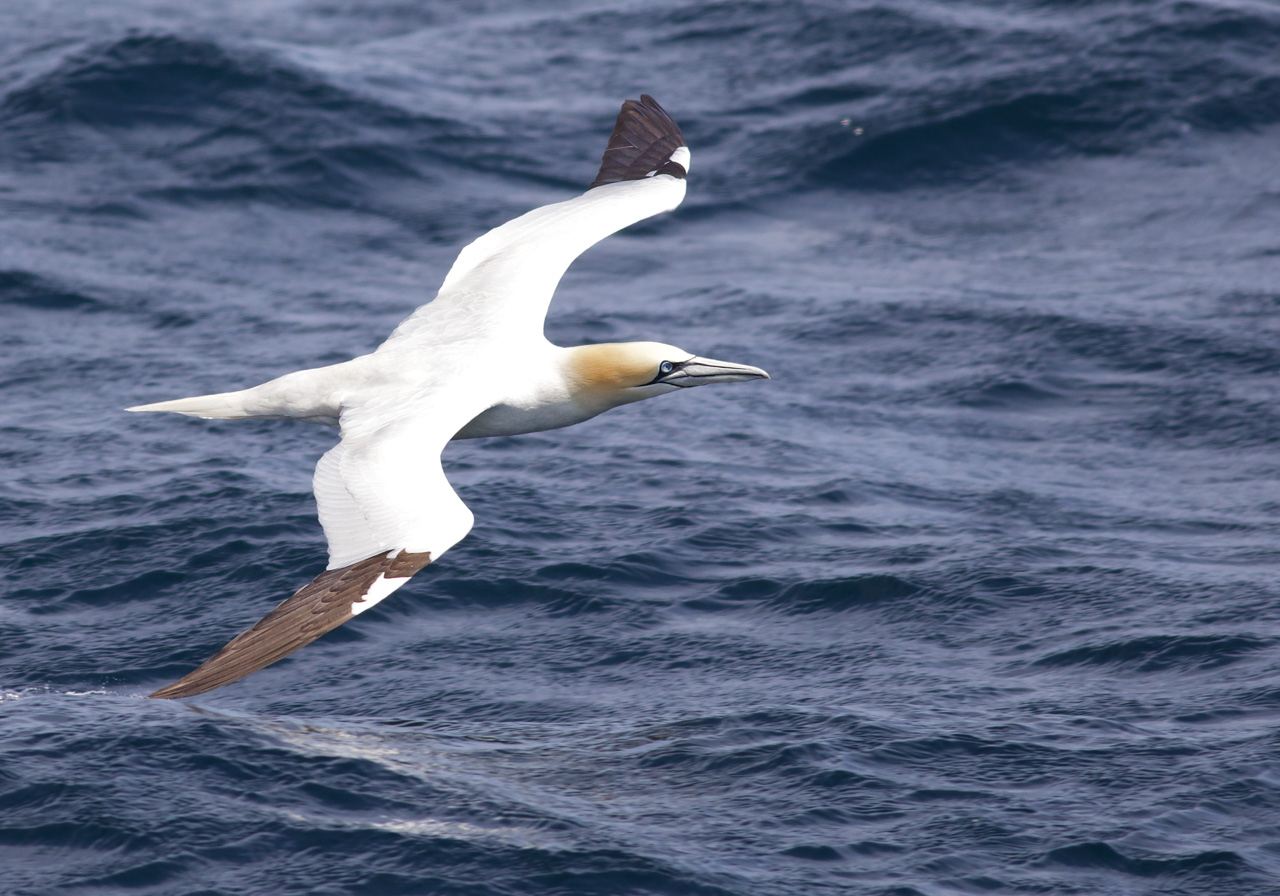
The expedition’s arrival at Cape St. Mary’s Ecological Reserve on June 7 marked the observation of Newfoundland’s most iconic land-based seabird colony. The "Bird Rock" at Cape St. Mary’s is home to approximately 5,000 pairs of Northern Gannets (Morus bassanus). The team observed intricate courtship rituals and nesting behaviors from a distance of only a few meters, noting the birds’ apparent habituation to regulated human presence.
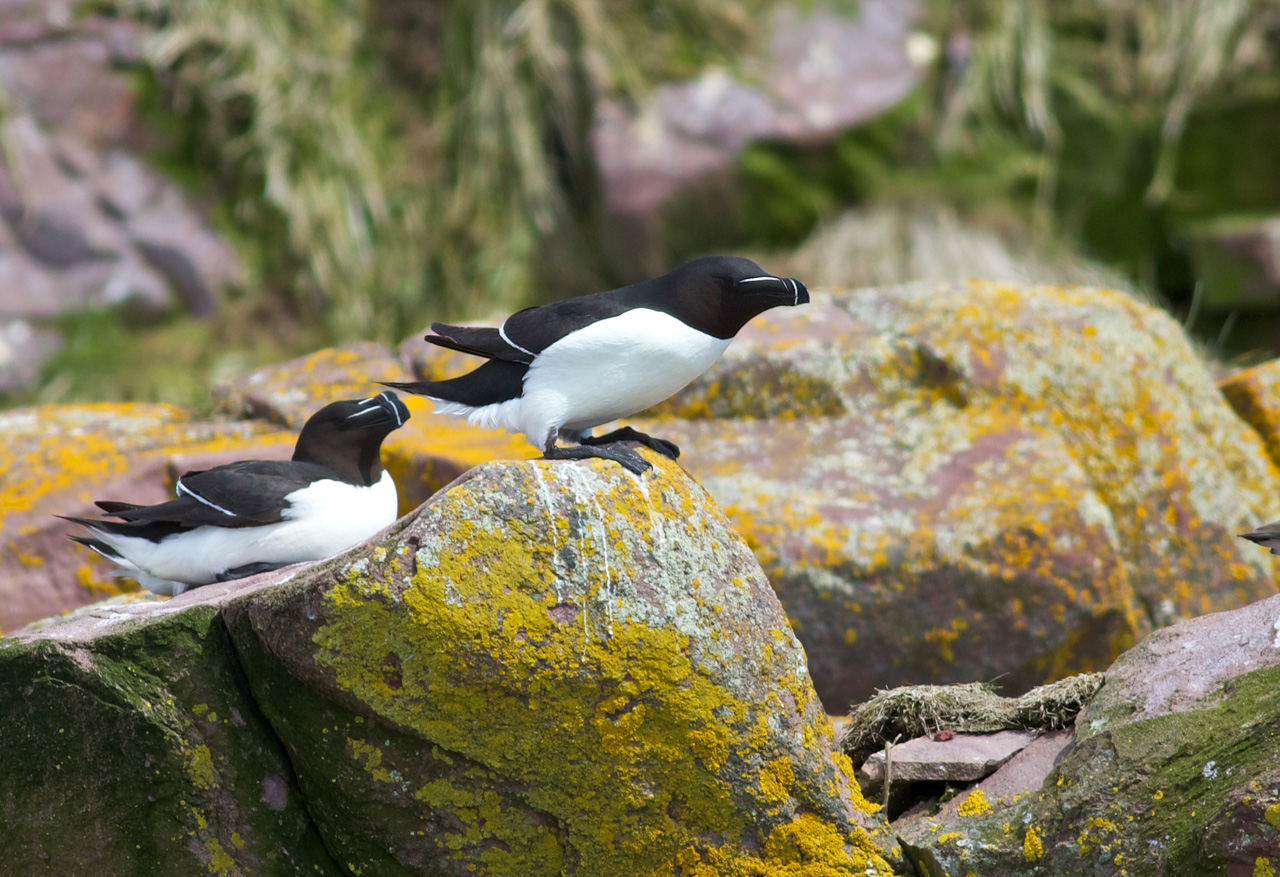
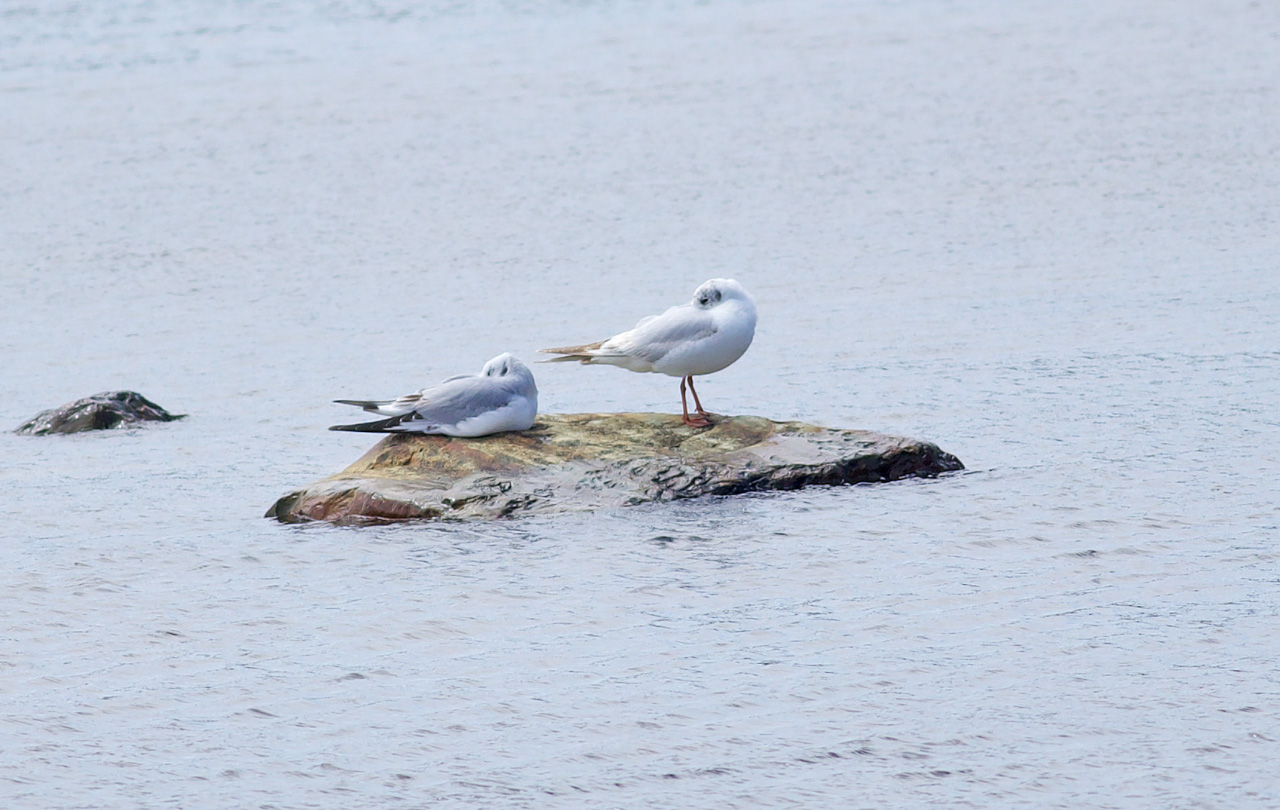
In addition to the gannets, the cliffs were occupied by Common Murres (including the "bridled" morph), Black-legged Kittiwakes, and Razorbills. The team also recorded Great Cormorants, which are less common than the Double-crested variety in these waters. This density of nesting birds makes Cape St. Mary’s one of the most significant oceanic nurseries in the North Atlantic.
Following the survey at the Cape, the team attempted to locate the Stellar’s Sea-Eagle, a rare vagrant that has gained international attention in recent years. While the eagle was not sighted during this window, the search yielded observations of a male Black-backed Woodpecker and a majestic adult Bald Eagle, reinforcing the richness of the local raptor and woodpecker populations.
Phase IV: Boreal Systems of Terra Nova and the Bonavista Peninsula
On June 8, the expedition entered Terra Nova National Park, where the ecosystem shifts from rugged coastline to dense boreal forest. Despite heavy precipitation, the team utilized the "fallout" effect—where low-pressure systems force migratory songbirds to descend into lower canopies to feed. This resulted in an intense period of observation at Clode Sound, where a "cloud" of warblers, including Magnolia, Black-and-white, and Yellow-rumped Warblers, were documented.
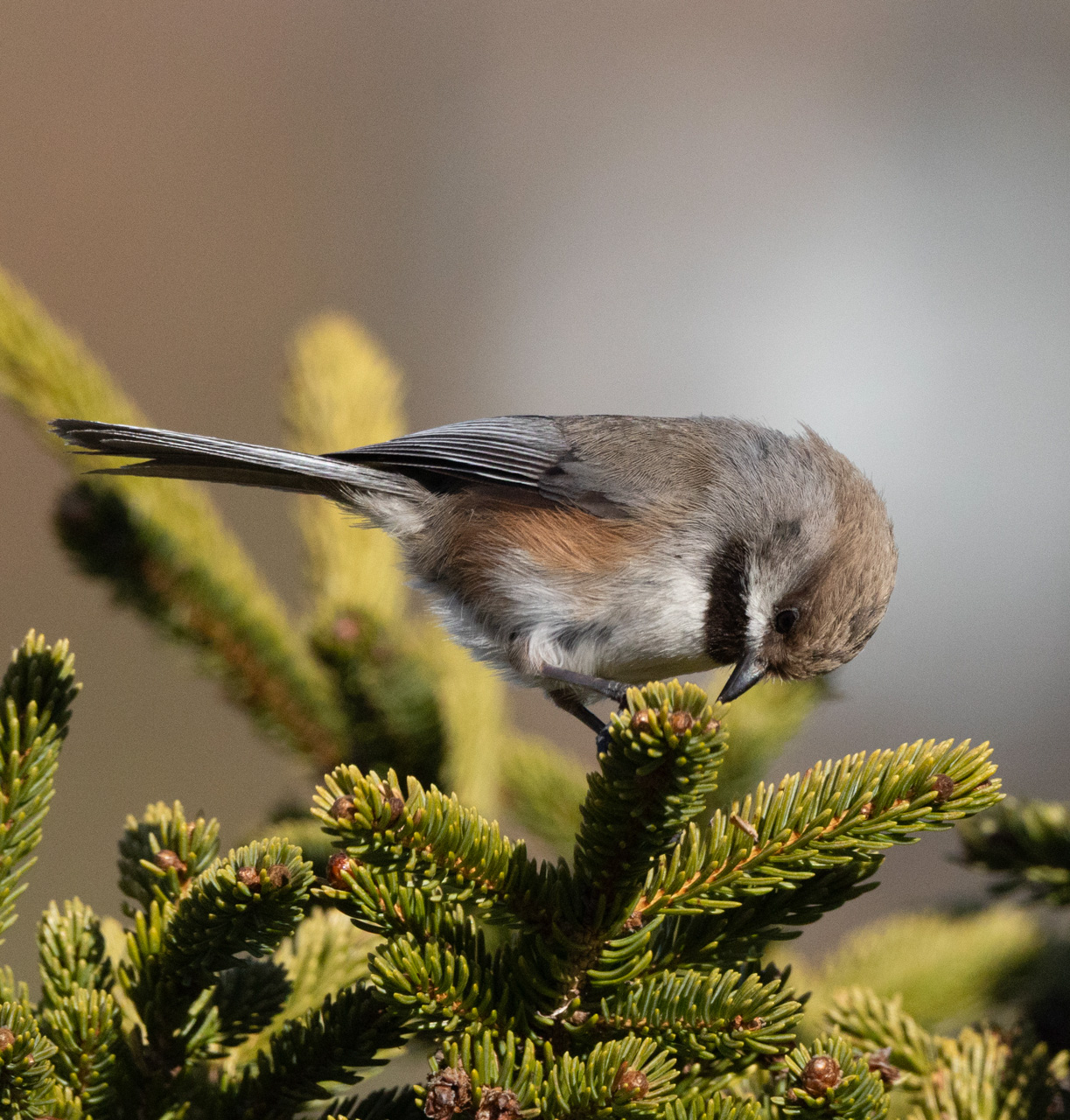
A significant find within the park was a pair of Pine Grosbeaks feeding in a cherry tree. The tameness of these birds allowed for detailed photographic documentation. At the Goowiddy Path, the team recorded 30 species of birds within a 200-meter stretch, including American Redstarts and White-winged Crossbills, demonstrating the high carrying capacity of the park’s old-growth boreal stands.
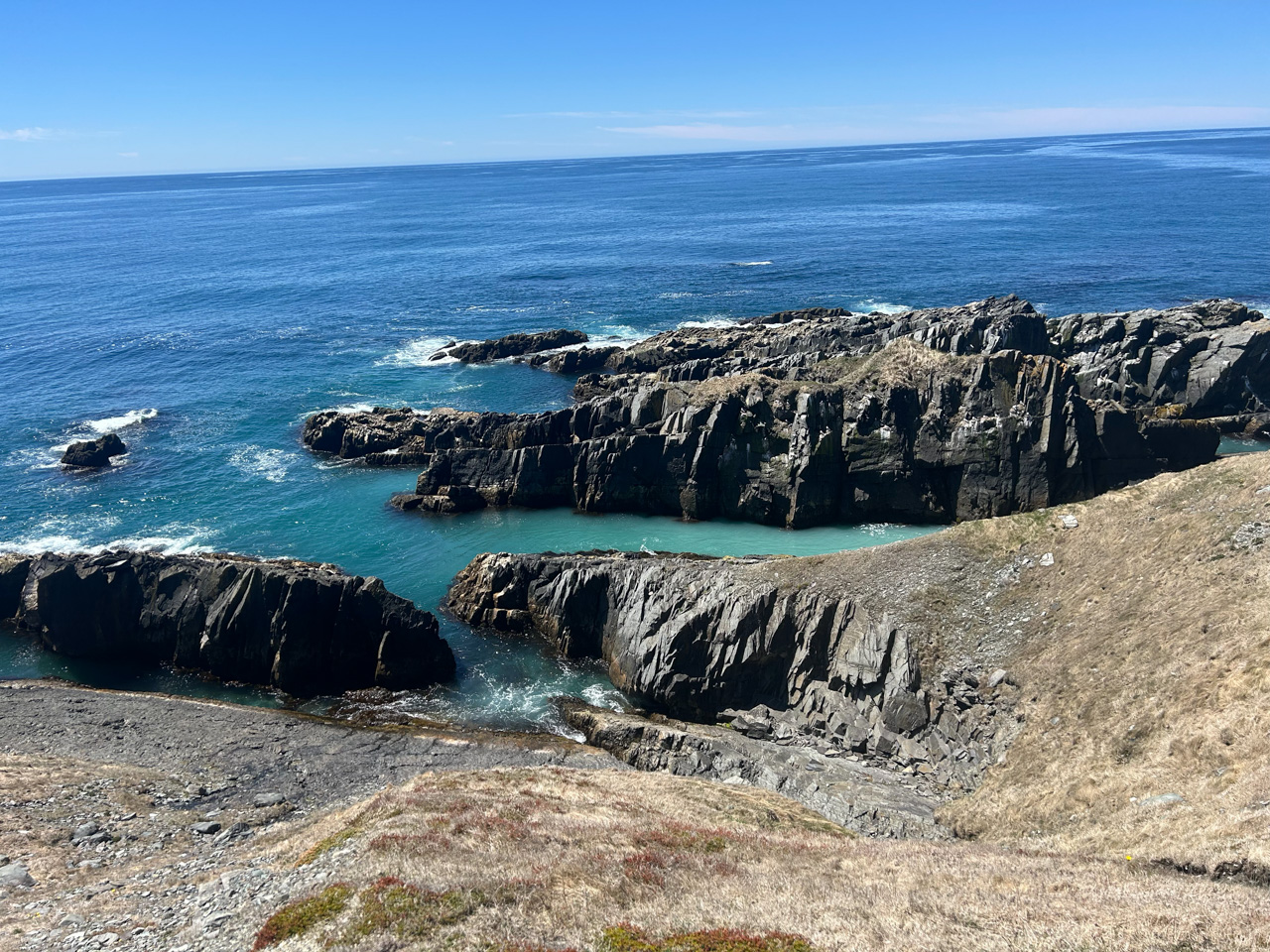
The final leg of the journey took the team to the Bonavista Peninsula. A zodiac-based survey in Trinity Bay on June 9 documented 15 Bald Eagles and a Humpback whale (Megaptera novaeangliae). The geological survey continued with the examination of the "Dungeons"—a series of collapsed sea caves that illustrate the power of Atlantic erosion on sedimentary strata.
In Elliston, the team visited a "walk-up" puffin colony. Unlike the island-based colonies in Witless Bay, the Elliston site allows for close-range study of puffins on the mainland. The expedition observed puffins, Savannah Sparrows, and Black Guillemots engaged in breeding activities, concluding the 101-species count with a robust data set from the peninsula’s tip.
Analysis of Ecological Health and Conservation Implications
The documentation of 101 species over eight days suggests that the eastern Newfoundland ecosystem remains a robust environment for both endemic and migratory species. The presence of multiple whale species and massive seabird colonies indicates a functional marine food web, likely supported by healthy populations of forage fish like capelin and sand lance.
However, the expedition’s findings also highlight the necessity of continued conservation efforts. Sites like Mistaken Point and Cape St. Mary’s require stringent management to balance eco-tourism with habitat protection. The data collected by the Canadian Geographic Society team contributes to a broader understanding of how these populations are faring in the face of changing North Atlantic temperatures and shifting migratory schedules.
Conclusion and Future Outlook
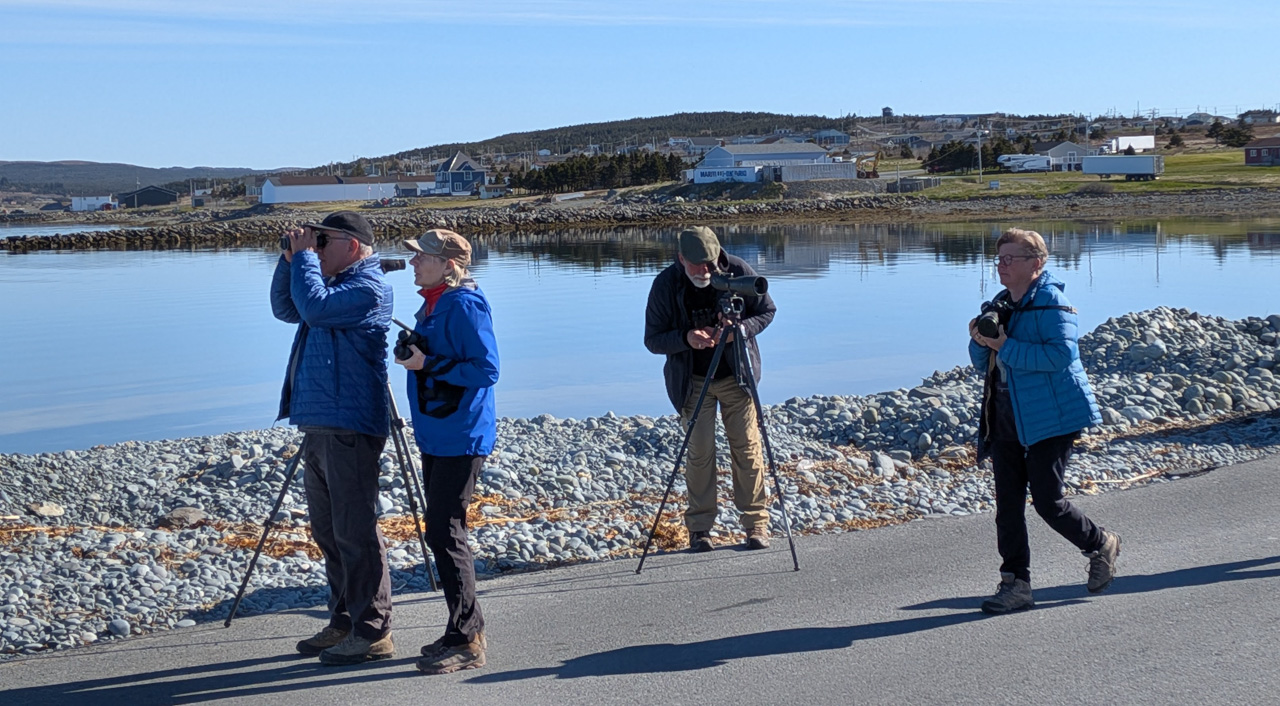
The Canadian Geographic Society expedition successfully met its goals of documentation, education, and ecological survey. By combining the expertise of Myrna Pearman and Logan Lalonde with a dedicated group of observers, the journey provided a vivid portrait of Newfoundland’s natural heritage in the 21st century.
The 101 species recorded will be added to regional databases used by researchers to track long-term biodiversity trends. As Newfoundland continues to position itself as a global leader in sustainable eco-tourism, expeditions of this nature serve as critical bridges between scientific inquiry and public awareness. The successful conclusion of this "odyssey" underscores the enduring importance of the Avalon and Bonavista Peninsulas as bastions of North American wilderness.
