
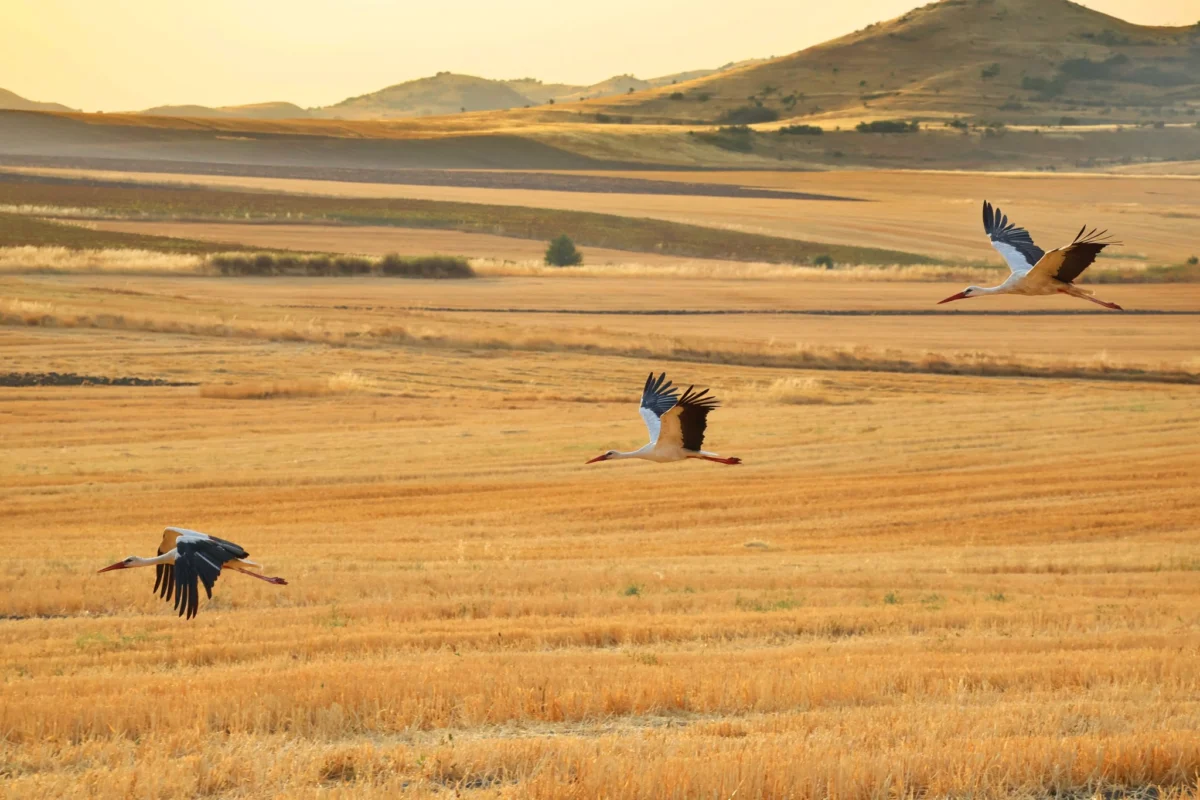
A pivotal £7.5 million grant from the Ecological Restoration Fund (ERF) has been announced, poised to significantly bolster critical conservation and restoration initiatives across the vast African-Eurasian Flyway. This substantial three-year commitment will empower BirdLife International and its extensive network of partners to scale up efforts aimed at protecting priority flyway sites, restoring vital wetlands, fostering enhanced collaboration, and unlocking transformative finance mechanisms for nature, climate, and the communities dependent on these crucial ecosystems. The funding arrives at a critical juncture, as migratory bird populations face unprecedented threats, with one in nine species along global flyways teetering on the brink of extinction and nearly half experiencing alarming declines.
The Perilous Journey: Understanding the Crisis for Migratory Birds
Migratory birds undertake some of the most extraordinary journeys on Earth, traversing thousands of kilometres along ancient aerial superhighways known as flyways. These avian voyagers connect continents, cultures, and ecosystems, relying on a complex network of stopover sites, breeding grounds, and wintering areas across numerous countries. However, these epic migrations are increasingly fraught with peril. The global decline in migratory bird populations is a stark indicator of widespread environmental degradation, driven by a confluence of anthropogenic factors.
Habitat loss and fragmentation stand as primary threats, as wetlands are drained for agriculture, coastlines are developed, and forests are cleared. Intensive agricultural practices, including widespread pesticide use, decimate insect populations vital for bird sustenance and directly poison birds. Climate change is altering migration patterns, disrupting food availability, and exacerbating extreme weather events, making traditional routes and timings unreliable. Illegal hunting and poaching persist in many regions, while collisions with expanding infrastructure – such as wind turbines, power lines, and glass buildings – claim countless lives annually. Pollution, from oil spills to plastic waste, further contaminates essential habitats. These cumulative pressures have led to a sobering reality: approximately 45% of migratory bird species are in decline, and one in nine species faces an immediate threat of extinction. The African-Eurasian Flyway, one of the world’s busiest avian corridors, is particularly vulnerable to these multifaceted challenges, necessitating concerted, cross-border conservation action on an unprecedented scale.
The African-Eurasian Flyway: A Lifeline Across Continents

Stretching from the Arctic tundra to the southern tip of Africa, and spanning across Europe and Asia, the African-Eurasian Flyway is a colossal ecological network. It is traversed by an estimated two billion individual birds annually, supporting over 500 distinct species, from tiny warblers to majestic raptors and waterbirds. This extraordinary corridor represents a vital artery for global biodiversity, linking diverse landscapes, cultures, and communities across three continents.
The flyway encompasses an incredible array of habitats, including vast wetlands like the Danube Delta and the Mesopotamian Marshes, coastal lagoons along the Mediterranean and Black Seas, crucial desert oases in North Africa and the Middle East, and the extensive lake systems of East and Southern Africa. These sites serve as indispensable resting places, critical stopover points for refueling, vital feeding grounds, and essential nesting locations. Iconic species such as the White Stork, a harbinger of spring and good fortune across Europe, and the European Turtle-dove, whose gentle purring song once defined summer evenings, are emblematic of the flyway’s rich avian tapestry. Critically Endangered species like the Egyptian Vulture, which has suffered drastic declines due to illegal poisoning and infrastructure collisions, also rely heavily on this network. Beyond their intrinsic value, these avian migrations provide significant ecological services, including pest control, seed dispersal, and nutrient cycling, all of which underpin healthy ecosystems. Moreover, the health of these flyway sites is inextricably linked to the well-being of local human communities, who depend on these very same wetlands and landscapes for their livelihoods, food security, and water resources.
Building on Success: A Track Record of Impact
The newly announced £7.5 million grant is not an isolated initiative but rather an amplification of an already successful partnership between BirdLife International, its UK Partner the Royal Society for the Protection of Birds (RSPB), and the Ecological Restoration Fund. This collaboration initiated an initial three-year phase of project work that has laid strong foundations for expanded conservation efforts along the flyway.
During this foundational period, significant strides were made in protecting and restoring key flyway sites. A landmark achievement was securing UNESCO World Heritage status for Sierra Leone’s Gola Rainforest National Park. This designation, a testament to years of dedicated conservation work, not only protects a globally significant biodiversity hotspot but also ensures its recognition and long-term preservation within an international framework. The Gola Rainforest is crucial for resident and migratory birds, offering critical forest habitat. Furthermore, the initial funding successfully leveraged an impressive additional £19 million for habitat restoration projects across the flyway. This catalytic effect underscores the power of strategic investment in conservation, attracting further resources for vital on-the-ground work such, as restoring degraded wetlands, enhancing forest cover, and improving sustainable land management practices.
Perhaps one of the most innovative outcomes of the first phase was the establishment of a groundbreaking collaboration between BirdLife International and the World Bank. This partnership was forged with the explicit aim of integrating biodiversity conservation into large-scale sustainable development initiatives. Recognizing that major infrastructure projects, while essential for economic growth, often pose significant threats to migratory routes and critical habitats, this collaboration seeks to ensure that flyway conservation is proactively considered and integrated into infrastructure planning, particularly for renewable energy developments. This forward-thinking approach aims to mitigate negative impacts, identify opportunities for nature-positive development, and unlock new forms of finance that align conservation goals with economic progress, benefiting both nature and the millions of people who rely on healthy flyway ecosystems for their sustenance and livelihoods.

The New Grant: Strategic Pillars for Transformational Change
The new £7.5 million grant from the ERF is designed to significantly scale up these efforts over the next three years, focusing on several strategic pillars to achieve transformational change across the African-Eurasian Flyway.
Central to the initiative is on-the-ground habitat restoration and protection work in seven key countries: Romania, Bulgaria, Iraq, Jordan, Uganda, Malawi, and Zimbabwe. In Europe, efforts in Romania and Bulgaria will likely focus on the vital wetlands of the Danube Delta and Black Sea coast, crucial stopover sites for millions of waterbirds and raptors. In the Middle East, Iraq and Jordan present unique challenges and opportunities, particularly in restoring and managing the ecologically significant Mesopotamian Marshes in Iraq, a globally important wetland, and desert oases and riparian habitats in Jordan. In Africa, conservation efforts in Uganda will target the Great Rift Valley’s lakes and wetlands, while Malawi and Zimbabwe will see interventions around their significant lake systems, riverine forests, and floodplains, all of which support vast numbers of migratory and resident species. These localized initiatives will involve wetland rewetting, invasive species control, sustainable water management, and community-led conservation to secure critical habitats.
Beyond direct habitat work, the grant will actively support efforts to grow nature-based economies and jobs. This involves empowering local communities to develop sustainable livelihoods that are in harmony with conservation objectives. Examples include promoting ecotourism around birding hotspots, supporting sustainable fisheries in wetland areas, encouraging responsible agricultural practices that benefit biodiversity, and developing markets for sustainably harvested natural products. By demonstrating the economic value of healthy ecosystems, the program aims to create a vested interest in conservation among local populations.
A crucial component of the grant is strengthening rapid-response action against harmful development. This involves developing robust monitoring systems and advocacy capabilities to quickly identify and challenge infrastructure projects, agricultural expansion, or industrial activities that threaten key flyway sites. By engaging with developers, governments, and local stakeholders, BirdLife and its partners will work to ensure that environmental impact assessments are thorough, mitigation measures are effective, and alternative, less damaging development pathways are explored. This proactive approach is vital for preventing irreversible damage to critical habitats and migration corridors.
Finally, the grant will deepen the ground-breaking collaboration between BirdLife and the World Bank, ensuring that flyway conservation remains at the forefront of large-scale infrastructure planning, particularly in the burgeoning renewable energy sector. This involves developing guidelines for bird-friendly wind farm siting, promoting smart grid technologies to reduce bird collisions with power lines, and integrating biodiversity considerations into national development strategies. Furthermore, the partnership aims to unlock new forms of transformative finance for the flyway, including exploring innovative mechanisms like green bonds, impact investing, and payments for ecosystem services that can channel private capital towards conservation outcomes.

Voices for Conservation: Commitment and Vision
Martin Harper, CEO of BirdLife International, underscored the profound significance of this funding, stating, "This grant is a major milestone in our efforts to unite and strengthen conservation across borders. Working with our 80 Partners in the African-Eurasian Flyway, we want to ensure that an ecologically coherent network of sites is protected, managed and restored to make sure that birds can fly free from harm." He emphasized the dual benefits of these efforts: "By protecting the sites that migratory birds need, we shall also deliver enormous benefits for people and for the climate. We will do this by mobilising finance, restoring critical habitats, and ensuring new infrastructure is safe for nature. We are incredibly grateful to ERF for supporting our ambition of a world where migratory bird populations are thriving, connecting and inspiring people across countries and continents." The concept of an "ecologically coherent network" is paramount, meaning that conservation efforts are not fragmented but interconnected, ensuring that each critical site functions as part of a larger, resilient system supporting the entire migratory journey.
Lenke Bálint, Executive Director at the Ecological Restoration Fund, echoed this sentiment, highlighting the broader impact of the initiative. "The African-Eurasian Flyway is one of the world’s great ecological networks, connecting landscapes, cultures and communities across three continents," she noted. "We are delighted to continue our partnership with BirdLife International and support its work to protect and restore critical sites along the flyway. By strengthening conservation across borders, restoring vital wetlands and habitats, and helping to unlock new sources of finance for nature, this programme will benefit not only migratory species but also the communities that depend on healthy ecosystems for their livelihoods and wellbeing." Her statement reinforces the ERF’s commitment to holistic restoration that transcends ecological benefits, encompassing social and economic upliftment.
Broader Impact and Implications: A Blueprint for Global Conservation
The implications of this £7.5 million grant extend far beyond the immediate protection of migratory birds. This ambitious program serves as a critical blueprint for integrated conservation, demonstrating how strategic funding, international collaboration, and innovative partnerships can address complex environmental challenges on a continental scale.
Ecological Benefits: The restoration of critical wetlands and habitats will not only directly benefit migratory birds but also enhance overall biodiversity, support numerous other species (fish, amphibians, insects), and improve ecosystem resilience to climate change. Wetlands, for instance, are natural carbon sinks, helping to mitigate climate change, and also play a crucial role in water purification, flood control, and drought mitigation.

Socio-economic Development: By fostering nature-based economies and creating sustainable jobs, the initiative will empower local communities, reduce poverty, and build a stronger foundation for long-term conservation. Ecotourism, for example, can generate significant revenue, providing economic incentives for communities to protect their natural assets. The World Bank partnership further solidifies the link between conservation and sustainable development, promoting an approach where economic progress is achieved without sacrificing ecological integrity.
Policy and Governance: The rapid-response mechanism against harmful development will strengthen environmental governance, encouraging governments and developers to adopt more sustainable practices. The integration of flyway conservation into large-scale infrastructure planning sets a precedent for mainstreaming biodiversity considerations into national development agendas, contributing to global commitments like the Kunming-Montreal Global Biodiversity Framework.
Global Significance: The African-Eurasian Flyway is a microcosm of global biodiversity challenges and opportunities. The successes achieved here can inform and inspire similar efforts along other major flyways worldwide, such as the East Asian-Australasian Flyway or the Americas Flyway. This initiative underscores the interconnectedness of our planet and the necessity of international cooperation to safeguard shared natural heritage.
The Ecological Restoration Fund, by its very mission, supports work that protects areas of high biodiversity value, rejuvenates degraded land and seascapes, and ensures good environmental governance. It is deeply committed to re-establishing nature’s essential interconnections while fostering cultural, social, and economic opportunities for the communities inhabiting those landscapes. This latest grant to BirdLife International is a powerful testament to that vision, offering a renewed beacon of hope for the billions of migratory birds that grace our skies and the countless human communities intertwined with their epic journeys.
