
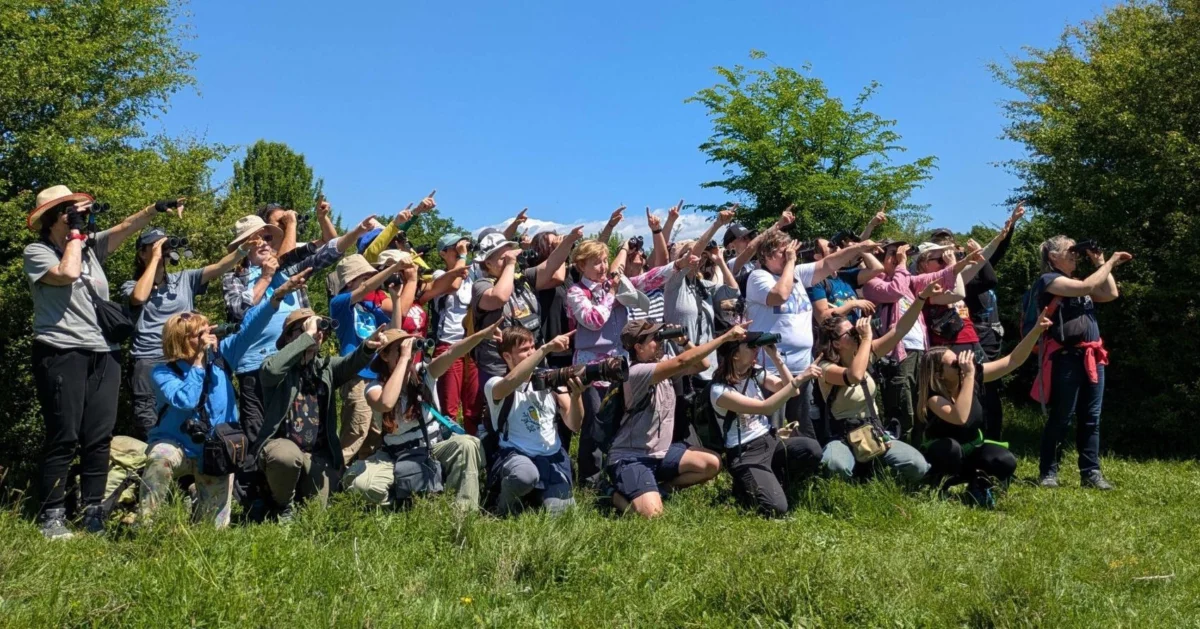
The year 2026 marks a significant milestone for environmental protection in Croatia as the Biom Association, a steadfast partner in nature conservation, celebrates its 20th anniversary. Since its inception in 2006, Biom has emerged as one of Croatia’s foremost organizations dedicated to safeguarding the nation’s rich biodiversity, particularly its avian fauna. Through a comprehensive approach encompassing rigorous scientific research, impactful advocacy, widespread environmental education, and hands-on fieldwork, Biom has fundamentally shaped the landscape of conservation efforts across the country, inspiring countless individuals and driving critical policy changes.
A Legacy Forged: Biom’s Genesis and Evolving Mission
The founding of the Biom Association in 2006 arrived at a pivotal time for Croatia’s environmental movement. Following the nation’s independence and with aspirations for European Union membership firmly in sight, there was a growing recognition of the need for robust, scientifically-driven conservation. The early 2000s saw an increasing appreciation for Croatia’s unique natural heritage, from its extensive Adriatic coastline and islands to the rugged Dinaric Alps, expansive wetlands, and ancient forests. This diverse geography supports an extraordinary array of flora and fauna, making it a crucial biodiversity hotspot within Europe, particularly for migratory birds traversing the continent.

Biom was established by a group of passionate ornithologists and environmentalists who recognized gaps in existing conservation efforts and the potential for a new, dynamic organization to make a tangible difference. Initially, the focus was heavily on bird monitoring and protection, leveraging scientific expertise to understand population dynamics, migratory routes, and habitat requirements. However, as the organization matured and the complexities of environmental challenges became clearer, Biom’s mission broadened. While birds remain a cornerstone of their work, their scope expanded to encompass broader biodiversity protection, habitat restoration, and addressing systemic threats such as illegal hunting, habitat degradation, and unsustainable development.
Croatia’s eventual accession to the European Union in 2013 provided both opportunities and challenges for Biom. It opened doors to significant EU funding mechanisms, such as the LIFE Programme, which supports environmental and nature conservation projects across the Union. This funding enabled Biom to scale up its operations, invest in advanced research technologies, and implement larger, more ambitious projects. Concurrently, EU membership brought with it the imperative to implement directives like the Birds Directive and Habitats Directive, leading to the establishment and management of the Natura 2000 network – a vast network of protected areas across the EU. Biom has played a crucial role in identifying, monitoring, and advocating for the effective management of these vital sites within Croatia, ensuring that European standards for nature protection are not only met but exceeded.
Milestones in Conservation: A Two-Decade Chronology of Impact
Over the past two decades, Biom Association has accumulated an impressive portfolio of achievements, each contributing significantly to the protection and understanding of Croatia’s natural treasures. These accomplishments are a testament to the dedication of its staff, volunteers, and partners.

2006-2010: Laying the Foundation
In its nascent years, Biom focused on establishing fundamental bird monitoring programs across Croatia. This included systematic surveys of key bird areas, particularly wetlands and coastal habitats, to gather baseline data on species distribution and population trends. Early efforts also involved significant public awareness campaigns, introducing the concept of bird migration and the importance of local habitats to a wider audience. Partnerships with academic institutions and local communities were forged, setting the stage for future collaborative projects. A notable early achievement was the establishment of a robust volunteer network, recognizing that community involvement is key to sustainable conservation.
2011-2015: Expanding Reach and Tackling Direct Threats
This period saw Biom expand its fieldwork and begin to address more direct threats to wildlife. A significant initiative involved large-scale habitat restoration efforts in critical areas. One prominent example is the ongoing work in the Dinara mountain range. As Croatia’s highest mountain, Dinara is a biodiversity hotspot characterized by diverse ecosystems, from sub-Mediterranean grasslands to alpine pastures. Biom initiated restoration camps focused on rehabilitating degraded habitats, often impacted by historical land use changes or natural processes. These efforts included removing invasive species, promoting native vegetation regrowth, and improving water retention in certain areas, thereby enhancing conditions for a variety of species, including rare raptors and endemic plants. These camps not only achieved ecological goals but also served as powerful educational tools, drawing in volunteers from across Croatia and beyond.
Concurrently, Biom intensified its efforts to combat illegal hunting, a pervasive threat to bird populations in many parts of the Mediterranean. The removal of illegal hunting hides became a regular and often challenging part of their fieldwork. These clandestine structures, often strategically placed along migratory routes or near water sources, are used by poachers to indiscriminately kill protected bird species. Biom teams, often in collaboration with law enforcement and local rangers, systematically located and dismantled these hides, effectively disrupting poaching networks and saving countless birds. This direct action was supported by extensive monitoring and data collection, which helped identify poaching hotspots and inform advocacy for stronger enforcement.

2016-2020: Scientific Advancement and Policy Influence
Biom deepened its scientific contributions during this phase, employing advanced methodologies for species research and monitoring. A standout project involved the tagging of Short-toed Snake Eagles (Circaetus gallicus). This magnificent raptor, a summer visitor to Croatia, is a crucial indicator species for healthy Mediterranean ecosystems. Through the meticulous process of capturing, ringing, and attaching satellite tags to these eagles, Biom’s ornithologists gained unprecedented insights into their migratory patterns, wintering grounds, habitat use, and survival rates. This data is invaluable for identifying critical flyways and stopover sites, informing international conservation strategies, and understanding the impacts of environmental change on raptor populations. The project also served to raise public awareness about the plight of migratory birds and the importance of international cooperation in their protection.
During this time, Biom also increased its engagement in policy advocacy, contributing expertise to the development of national environmental strategies and the implementation of EU directives. Their scientific data and field observations provided credible evidence to decision-makers, influencing spatial planning, protected area designations, and wildlife management policies.
2021-Present: Fostering a New Generation and Scaling Community Engagement
In recent years, Biom has placed an even greater emphasis on inspiring and empowering the next generation of conservationists and engaging the broader public. Their bird identification programme has been a resounding success, attracting over 500 participants to date. These intensive courses, led by expert ornithologists, equip individuals with the skills to identify various bird species by sight and sound, fostering a deeper connection to nature and building a crucial network of citizen scientists. Graduates often go on to become volunteers, contributing valuable data to Biom’s monitoring programs.

Furthermore, the annual ornithological camp in Učka Nature Park has become a highlight of Croatia’s conservation calendar. Učka, a mountain range on the Istrian peninsula, is a vital migratory bottleneck where countless birds funnel through on their journeys between Europe and Africa. The camp offers participants a unique opportunity to witness and study bird migration firsthand, learning about ringing techniques, species identification, and the incredible challenges faced by migratory birds. By bringing this natural wonder closer to people, Biom cultivates a sense of stewardship and urgency for conservation. These educational initiatives, alongside robust volunteer programs and citizen science projects, ensure that conservation is not just the domain of experts but a shared responsibility embraced by the community.
Supporting Data and Broader Impact
Biom’s impact extends far beyond the direct results of its projects. The organization has been instrumental in generating invaluable scientific data that underpins conservation decisions. For instance, their long-term bird monitoring programs contribute to national and international databases, providing crucial indicators of ecosystem health. The data collected from species tagging, such as with the Short-toed Snake Eagle, directly informs the designation of Important Bird Areas (IBAs) and the effective management of Natura 2000 sites, helping to ensure that development policies account for biodiversity considerations.
Beyond scientific data, Biom has significantly elevated public awareness regarding environmental issues in Croatia. Through media campaigns, public lectures, school visits, and citizen science initiatives, they have reached hundreds of thousands of people, fostering a greater appreciation for nature and promoting responsible environmental behavior. The >500 participants in their bird identification program alone represent a significant cadre of environmentally conscious citizens who can now actively contribute to conservation efforts. Their volunteer base, comprising hundreds of individuals annually, is a powerful force for on-the-ground action, from habitat restoration to anti-poaching patrols.

Voices from the Field and Collaborative Triumphs
Reflecting on two decades of dedicated work, Dr. Ana Petrović, the long-standing Director of Biom Association, expressed immense pride in the organization’s journey. "When we started in 2006, our vision was ambitious: to make a tangible difference for Croatia’s birds and natural heritage. Today, looking back at the restoration work in Dinara, the hundreds of illegal hunting hides dismantled, the invaluable data from our eagle tagging project, and especially the thousands of people we’ve inspired through our educational programs, I can confidently say we have exceeded those initial aspirations. Our success is a testament to the unwavering commitment of our team, our volunteers, and the vital support from partners like BirdLife Europe."
A spokesperson for BirdLife Europe, a key international partner, lauded Biom’s dedication and effectiveness. "Biom Association stands as a shining example of how local expertise combined with a passionate drive can achieve remarkable conservation outcomes. Their work in Croatia, particularly in safeguarding critical migratory routes and engaging communities, is not only vital for Croatian biodiversity but also contributes significantly to broader European and global conservation goals. We are incredibly proud of our partnership and look forward to many more years of collaborative success."
Even within governmental circles, there is growing recognition of the indispensable role played by non-governmental organizations like Biom. A representative from Croatia’s Ministry of Economy and Sustainable Development, speaking on condition of anonymity, acknowledged, "NGOs like Biom provide crucial on-the-ground data, scientific expertise, and a direct link to local communities that are essential for effective environmental policy implementation. Their efforts complement state-led initiatives and are vital for achieving our national and European biodiversity targets."

Broader Implications and Future Horizons
The impact of Biom Association’s two decades of work resonates across multiple levels. Ecologically, their efforts have directly contributed to the preservation of critical habitats and the protection of threatened species, ensuring the health and resilience of Croatia’s natural ecosystems. Societally, they have cultivated a generation of environmentally aware citizens, fostering a culture of conservation that transcends mere compliance with regulations. Politically, their evidence-based advocacy has influenced policy, pushing for stronger environmental protections and more sustainable resource management.
Looking ahead, Biom faces new and evolving challenges. Climate change continues to pose significant threats, altering habitats and migratory patterns. The pressures of unsustainable tourism development, particularly along the sensitive Adriatic coast, and the need for carefully planned renewable energy infrastructure (such as wind farms) require vigilant oversight and informed engagement. Biom’s future work will undoubtedly involve adapting to these challenges, continuing its scientific research to understand changing ecological dynamics, and advocating for climate-resilient conservation strategies. Expanding its reach into new areas of citizen science and youth engagement will also be crucial for building a resilient movement capable of addressing the complex environmental issues of the 21st century.
In celebrating its 20th anniversary, the Biom Association is not merely commemorating past achievements but reaffirming its commitment to a future where Croatia’s stunning nature thrives, where birds continue their ancient migrations unimpeded, and where people live in harmony with the environment. Croatia’s nature, and indeed its society, would undoubtedly be poorer without the unwavering dedication of the Biom Association. Here’s to many more years of pioneering science, impactful advocacy, and inspiring community engagement for birds, people, and the society at large.
