
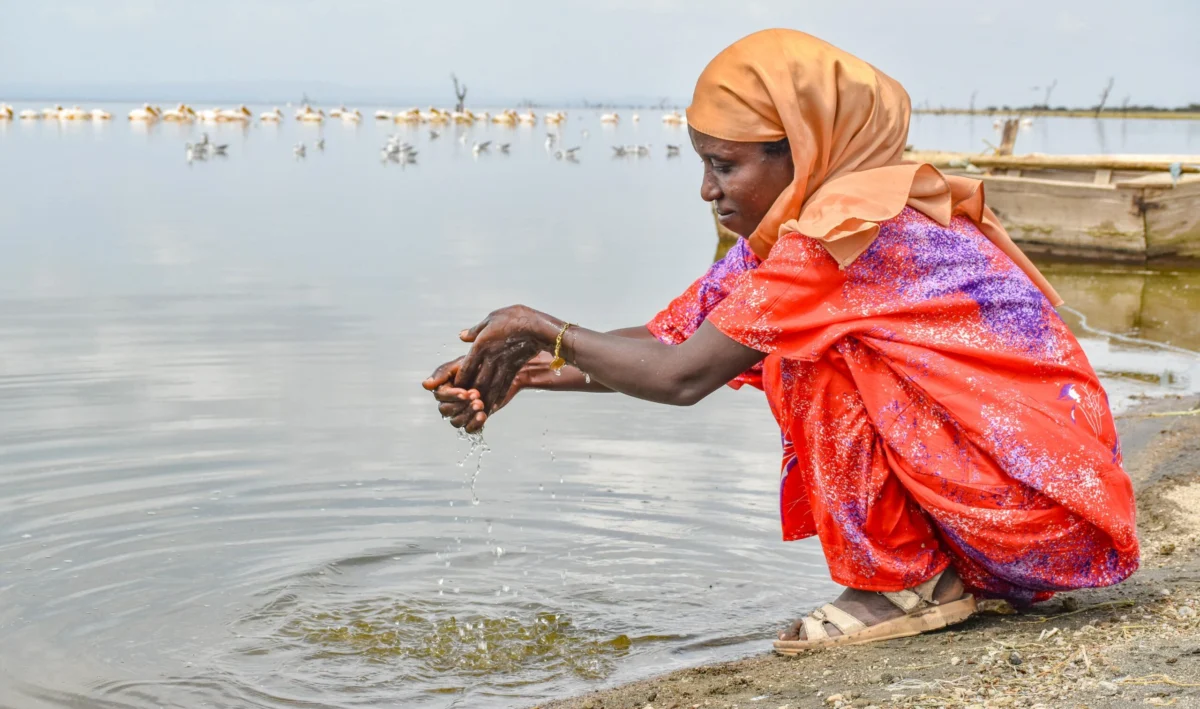
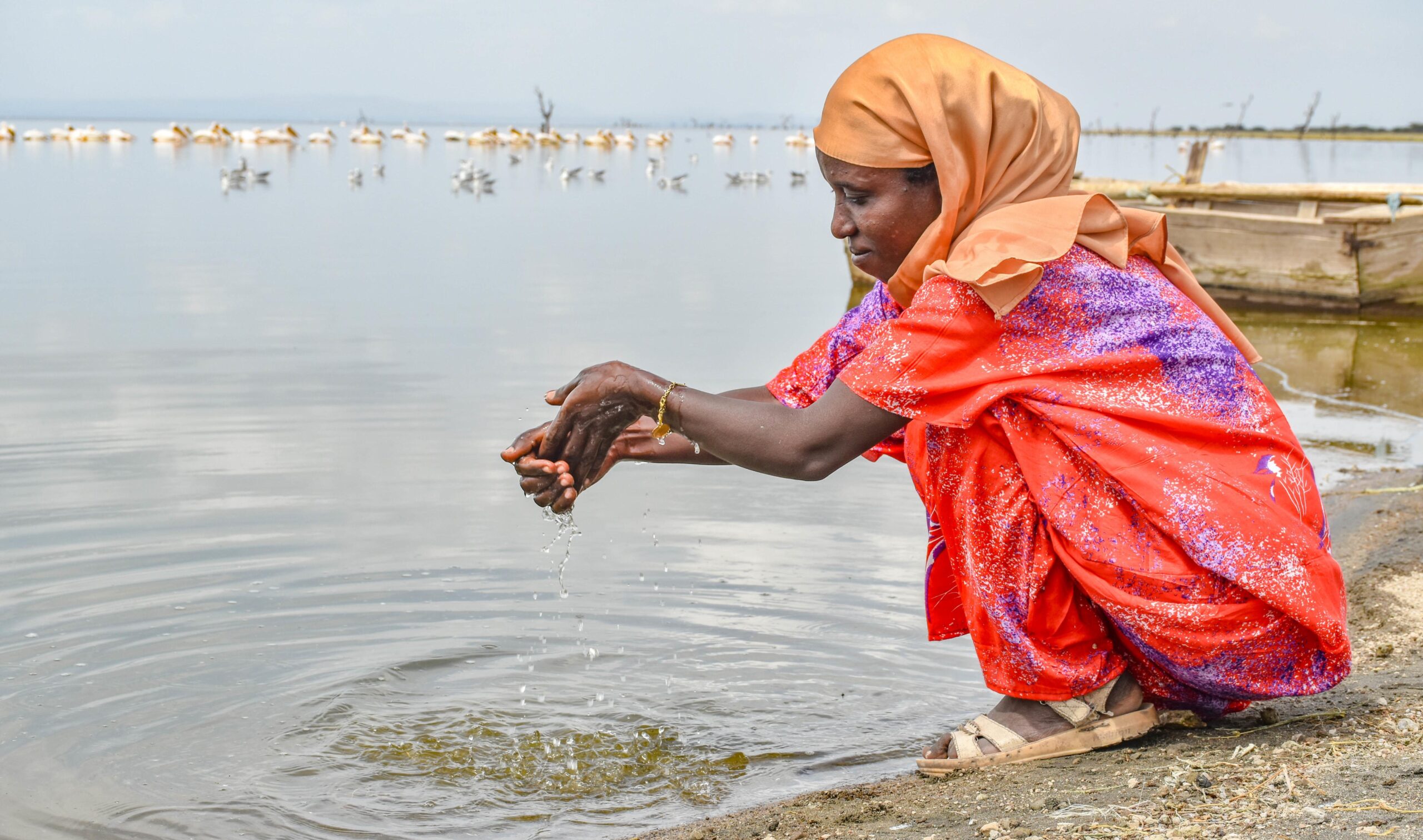
Wetlands International and Sher Ethiopia have officially launched a significant three-year initiative aimed at revitalizing the ecological health of Lake Ziway and its surrounding landscape, a region of paramount importance to local communities, the Ethiopian economy, and the nation’s biodiversity. The project, christened "Ziway Lives and Landscapes," is generously supported by the Embassy of the Kingdom of the Netherlands and seeks to address the most critical challenges facing the lake, including alarming rates of erosion and sedimentation.
A Collaborative Approach to Ecological Restoration
The "Ziway Lives and Landscapes" project represents a strategic fusion of Wetlands International’s extensive global expertise and proven track record in the Ziway region with the substantial technical, agronomic capabilities, and resources of Sher Ethiopia, the country’s largest rose-growing company. This unique public-private partnership is designed to collaboratively develop and implement solutions that will yield tangible improvements on the ground and tackle the systemic drivers of environmental degradation.
The decline of Lake Ziway presents a shared operational risk for businesses operating in its vicinity. Increasingly, customers and regulatory bodies are demanding credible, basin-wide actions to mitigate these risks. The "Ziway Lives and Landscapes" initiative provides a practical and effective platform for these stakeholders to unite, demonstrate tangible progress, and disseminate valuable lessons learned throughout the process. A core objective of this initiative is to serve as a catalyst for broader landscape-level action, actively encouraging additional partners to replicate and scale up the implemented solutions across the entire Ziway basin.
Addressing Pressing Environmental Challenges
Lake Ziway, a vital water source for Ethiopia, has been facing a severe ecological crisis characterized by rapid erosion and excessive sedimentation. These issues are directly impacting the lake’s water quality and quantity, threatening the livelihoods of the local population and the rich biodiversity it supports. The project’s strategy is built upon three fundamental pillars designed to systematically address these challenges:
- Sustainable Water Management: The initiative will work closely with farmers in the region to promote and implement more sustainable water usage practices. This includes educating farmers on efficient irrigation techniques, water conservation methods, and the adoption of drought-resistant crops where appropriate. By improving water use efficiency at the agricultural level, the project aims to reduce the strain on the lake’s water resources.
- Nature-Based Solutions for Watershed Rehabilitation: A significant focus will be placed on investing in nature-based solutions to restore the health of the watershed feeding into Lake Ziway. This will involve widespread implementation of soil conservation measures, such as terracing, reforestation, and the restoration of degraded wetlands. These interventions are crucial for reducing soil erosion and preventing sediment from entering the lake, thereby improving water clarity and depth.
- Enhanced Monitoring and Data-Driven Decision-Making: The project will establish robust systems for monitoring both the quantity and quality of water in Lake Ziway and its tributaries. This data will be critical for enabling more informed and effective decision-making by all stakeholders, allowing for adaptive management strategies and timely interventions.
Voices from the Forefront of the Initiative
Simeneh Shiferaw, Programme Coordinator for Wetlands International Ethiopia, emphasized the collaborative nature required for successful restoration efforts. "Reversing the degradation of Lake Ziway and its impacts on people and nature can only be tackled together—through a collaborative response that mobilizes everyone, including communities and companies," Shiferaw stated. "Our groundbreaking partnership with Sher Ethiopia is a pathway to a brighter future because it will not only showcase solutions but also inspire a broader collective effort, which will enhance the health of the landscape and drive sustainable development."
Lulit Tadele, Director of Sher Ethiopia, a subsidiary of the Dutch flower company Afriflora, underscored the company’s commitment to the lake’s well-being. "Lake Ziway is critical for local communities, farmers, businesses, and biodiversity, and Sher Ethiopia is committed to playing our part in the collective effort to restore it and build resilience," Tadele remarked. "This initiative will help underpin the health of the lake that underpins the future of our community, and opens the door to other companies to support the restoration of degraded landscapes and to help achieve national goals on climate, nature, and sustainable development."
A Scalable Model for Broader Impact
The "Ziway Lives and Landscapes" project is deliberately designed as a scalable "proof-of-point" and learning platform. Recognizing that the challenges facing the Ziway basin are systemic—shaped by numerous pressures and actors across the landscape—the initiative acknowledges that lasting solutions cannot emerge from isolated efforts. By demonstrating success at local levels, the project aims to generate credible lessons and accelerate wider collaboration and adoption of its tested solutions.
Alwin Quispel, Counsellor for Agriculture and Nature at the Embassy of the Kingdom of the Netherlands in Ethiopia, highlighted the innovative approach and the necessity of collective action. "There is no silver bullet for the challenges facing Lake Ziway. We believe the answer lies in unprecedented collective action that includes strong contributions from the private sector. This innovative initiative will kickstart a new era of cooperation and environmental restoration in the landscape, which will benefit communities and economies, reverse nature loss, and strengthen climate adaptation," Quispel commented.
The project’s methodology is deeply rooted in the "4 Returns Framework," a holistic approach that emphasizes restoring natural, social, financial, and inspirational value within the landscape. This framework, coupled with an inclusive and collaborative ethos, forms the bedrock of the initiative’s strategy.

An Invitation to Collective Action
Wetlands International is extending an open invitation to a diverse range of stakeholders to join the "Ziway Lives and Landscapes" initiative. This includes companies, value chain actors, local institutions, knowledge partners, donors, and community organizations. Contributions in the form of expertise, implementation capacity, data, convening power, or co-funding are actively sought to help scale successful interventions beyond the initial demonstration sites.
"Partners will help accelerate basin-level impact and shape a credible, shared pathway for long-term water stewardship and environmental health in Ziway," Shiferaw concluded. This call to action underscores the understanding that the ecological integrity of Lake Ziway and its surrounding environment is a shared responsibility, demanding a united front to ensure its long-term sustainability.
Background and Context: The Ziway Basin’s Significance
The Ziway basin, located in the heart of Ethiopia’s Rift Valley, is a critical ecological and economic hub. Lake Ziway, along with its sister lakes Abijatta and Shalla, forms part of the Great Rift Valley Lakes system, renowned for its unique biodiversity and its role as a crucial stopover for migratory birds. The region is a significant agricultural producer, with horticulture, particularly the cultivation of roses for export, being a major economic driver.
However, rapid population growth, expanding agricultural practices, and industrial development have placed immense pressure on the delicate ecosystem. Deforestation in the upper catchments has led to increased soil erosion, with vast quantities of sediment washing into the lakes, reducing their depth and affecting water quality. Over-extraction of water for irrigation further exacerbates the problem, leading to declining water levels.
The ecological degradation of Lake Ziway has far-reaching consequences. It impacts the livelihoods of millions who depend on the lake for fishing, irrigation, and domestic water supply. The loss of biodiversity, including endemic fish species and bird populations, diminishes the region’s natural heritage and ecological resilience. Economically, the decline in water quality and quantity threatens the sustainability of the agricultural sector, a cornerstone of the Ethiopian economy.

Timeline of Key Developments (Inferred Chronology)
While specific dates for earlier events are not provided, the launch of the "Ziway Lives and Landscapes" initiative on June 22, 2026, signifies a new phase in addressing the lake’s challenges. This launch is likely the culmination of extensive planning, research, and partnership-building activities that would have preceded it.
- Pre-2026: Years of environmental degradation, including accelerating erosion and sedimentation, impacting Lake Ziway. Growing recognition by stakeholders, including Wetlands International, Sher Ethiopia, and the Dutch Embassy, of the severity of the crisis and the need for concerted action. Initial discussions and feasibility studies for a collaborative restoration project.
- Early 2026: Formalization of the partnership between Wetlands International and Sher Ethiopia. Securing of funding from the Embassy of the Kingdom of the Netherlands. Development of the "Ziway Lives and Landscapes" project proposal, outlining its objectives, strategies, and pillars.
- June 22, 2026: Official launch of the "Ziway Lives and Landscapes" initiative. Public announcement of the project and its ambitious goals. Commencement of on-the-ground implementation activities, including farmer engagement, watershed rehabilitation efforts, and the establishment of monitoring systems.
- 2026-2029 (Project Duration): Active implementation of the three-year project. Ongoing monitoring of water quantity and quality. Regular evaluation of project activities and adaptation of strategies based on lessons learned. Continued engagement with local communities and stakeholders. Efforts to attract additional partners for scaling up solutions.
- Post-2029: Anticipated continuation and expansion of successful restoration efforts, building on the foundation laid by the "Ziway Lives and Landscapes" project. Integration of learned practices into broader regional water stewardship programs.
Supporting Data and Implications
While specific data points are not detailed in the provided text, the underlying issues of erosion and sedimentation have significant quantifiable impacts:
- Sedimentation Rates: Accelerated erosion in the Ethiopian Highlands, which form a significant part of the Ziway basin’s watershed, can lead to sedimentation rates of several tons per hectare per year. This sediment accumulates in lakes, reducing storage capacity and impacting water quality. For Lake Ziway, this translates to a shallower lake, increased turbidity, and a reduced ability to support aquatic life and human needs.
- Water Quality Degradation: Increased sediment load carries with it nutrients (like phosphorus and nitrogen) from agricultural runoff and pollutants. This can lead to eutrophication, characterized by excessive algal blooms that deplete dissolved oxygen, harming fish populations and making water unsuitable for drinking and other uses.
- Economic Losses: The horticulture sector, a major contributor to Ethiopia’s export earnings, relies heavily on consistent access to clean water. Reduced water availability and quality directly threaten crop yields, increase production costs (e.g., for water treatment), and can lead to significant economic losses for businesses and the nation. For local fishing communities, declining fish stocks due to habitat degradation mean a loss of livelihood and food security.
- Biodiversity Impact: The unique ecosystems of the Rift Valley lakes are home to numerous endemic species. Changes in water levels, salinity, and sediment load can disrupt these delicate balances, leading to species loss. The region is also a vital stopover for migratory birds; habitat degradation can affect their survival.
The "Ziway Lives and Landscapes" initiative, by focusing on nature-based solutions and improved water management, aims to reverse these trends. The successful implementation of its pillars will lead to:
- Improved Water Quantity and Quality: Reduced sedimentation and more efficient water use will ensure a more stable and cleaner water supply for both human and ecological needs.
- Enhanced Biodiversity: Restoration of wetland habitats and improved water conditions will support the recovery of fish populations, birdlife, and other native species.
- Economic Resilience: A healthier lake and watershed will bolster the agricultural sector, ensuring its long-term viability and contributing to national economic stability.
- Strengthened Community Livelihoods: Reliable access to water and natural resources will support the livelihoods of fishing communities and smallholder farmers, improving food security and economic well-being.
- Increased Climate Change Adaptation: Healthy wetlands and well-managed landscapes are more resilient to the impacts of climate change, such as droughts and extreme weather events.
The project’s emphasis on being a scalable "proof-of-point" and learning platform is crucial for national and regional sustainable development. By demonstrating what works, it can inform policy, attract further investment, and foster a culture of environmental stewardship across Ethiopia and potentially beyond. The involvement of the private sector, through Sher Ethiopia, is a critical indicator of a shift towards integrating environmental responsibility into business operations, recognizing that long-term economic prosperity is intrinsically linked to ecological health. The support from the Embassy of the Kingdom of the Netherlands underscores the international recognition of the importance of this initiative and Ethiopia’s commitment to environmental conservation.
