
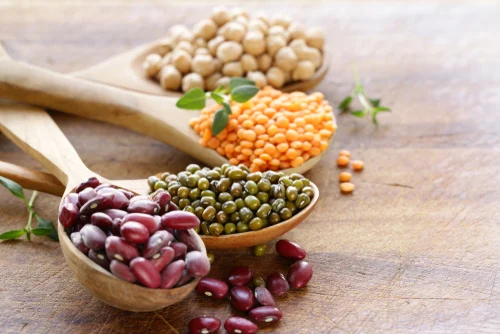
Raw dried beans represent a significant and often underestimated biological hazard to backyard poultry due to the presence of a potent toxin known as phytohaemagglutinin. While beans are a staple of human diets and a vital source of plant-based protein, their raw form contains high concentrations of this specific lectin, which serves as a natural insecticide to protect the plant from being consumed by pests in the wild. For chickens, even a minuscule amount of this substance can lead to severe gastrointestinal distress or rapid mortality, making it imperative for poultry keepers to understand the chemical properties of legumes and the rigorous preparation required to make them safe for consumption.
The Chemical Profile of Phytohaemagglutinin
Phytohaemagglutinin (PHA) is a type of lectin, a sugar-binding protein that is found in high concentrations in the seeds of many legumes. Among the various types of beans, red kidney beans contain the highest levels of PHA, followed by white kidney beans (cannellini) and broad beans. In its raw state, PHA acts as a defense mechanism for the plant. When ingested, the protein binds to the carbohydrate portions of the cells lining the digestive tract.
In avian physiology, this binding process interferes with cellular metabolism and nutrient absorption. The toxin causes the clumping of red blood cells (haemagglutination) and can lead to significant cellular damage within the gut wall. Because chickens have a relatively small body mass and a highly specialized digestive system—including the crop, proventriculus, and gizzard—the impact of these toxins is magnified compared to larger mammals.

The Lethal Threshold and Clinical Symptoms
The toxicity of raw beans to chickens is exceptionally high. Veterinary data and poultry experts, including Lisa Steele of Fresh Eggs Daily, indicate that as few as three or four raw kidney beans can be fatal to an adult chicken. The onset of symptoms is typically rapid, often occurring within hours of ingestion.
The clinical progression of PHA poisoning in poultry includes:
- Severe Digestive Distress: The primary symptom is acute gastrointestinal upset.
- Vomiting and Regurgitation: While chickens do not vomit in the same way mammals do, they may expel fluid and undigested material from the crop.
- Diarrhea: Profuse, often watery or bloody droppings.
- Lethargy and Depression: The bird may become inactive, puff out its feathers, and withdraw from the flock.
- Acute Mortality: In many cases, the internal damage is so severe that the bird dies within 24 to 48 hours of exposure.
Because there is no specific antidote for lectin poisoning in poultry, treatment is generally supportive, focusing on hydration. However, the survival rate once a lethal dose has been consumed is notably low, highlighting the importance of prevention.
The Slow Cooker Paradox: A Critical Warning
One of the most dangerous misconceptions regarding bean preparation involves the use of slow cookers or "crock pots." Scientific studies have shown that heating beans to only 80°C (176°F)—a temperature common in slow cookers—does not destroy PHA. On the contrary, under-heating beans can increase their toxicity by up to five times compared to their raw state.

For a bean to be safe for any consumer, especially poultry, it must reach a rolling boil of at least 100°C (212°F) for a sustained period. Many backyard farmers who attempt to make "warm mashes" for their birds in the winter using slow cookers inadvertently create a toxic meal if raw dried beans are included in the mix.
Safe Preparation Chronology and Protocols
To render dried beans safe for chickens, a specific multi-step detoxification process must be followed. This process ensures that the lectins are broken down and neutralized through a combination of hydration and thermal energy.
1. The Soaking Phase (12–24 Hours):
Dried beans must be soaked in cool water for a minimum of 12 hours. This begins the process of rehydrating the seed and leaching out some of the surface-level toxins. The soaking water should never be used for cooking or given to animals; it must be discarded entirely.
2. The Rinsing Phase:
After soaking, the beans must be rinsed thoroughly under high-pressure running water to remove any residual PHA that has leached into the exterior film of the bean.

3. The Boiling Phase (The Critical Step):
The beans must be placed in fresh water and brought to a vigorous, rolling boil. They must remain at this temperature for at least 10 to 30 minutes. Red kidney beans require the longest boiling time due to their higher toxin concentration. Only after this initial high-heat phase should the heat be lowered to simmer the beans until they are soft.
4. The Cooling and Serving Phase:
Once the beans are fully cooked and have reached a soft texture, they must be cooled completely before being offered to the flock. Chickens are sensitive to high-temperature foods, which can cause crop burns.
Canned Beans and the Sodium Dilemma
Canned beans offer a convenient alternative to dried beans because the commercial canning process involves high-pressure steam and high temperatures that effectively neutralize PHA. However, canned legumes present a different health risk: sodium.
Most commercially canned beans are preserved in a heavy brine. Chickens have very low tolerance for salt; excessive sodium intake can lead to salt poisoning (hypernatremia), kidney failure, and death. If a poultry keeper chooses to feed canned beans, they must be placed in a colander and rinsed extensively to remove the salt film. Even after rinsing, canned beans should only be fed in moderation as an occasional treat rather than a primary protein source.

Safe Legume Alternatives
Not all legumes carry the same risk profile as dried kidney or soy beans. Many fresh varieties are safe and highly nutritious for chickens without the need for intensive boiling:
- Fresh Green Beans: These contain negligible amounts of PHA and can be fed raw or lightly steamed.
- Garden Peas and Sugar Snap Peas: These are an excellent source of nitrogen and protein and are safe for chickens to consume directly from the vine.
- Lentils: While they contain some lectins, they are much lower in toxicity than kidney beans. However, they should still be cooked to ensure optimal digestibility.
- Lima Beans: While safe when fresh and young, older dried lima beans should be treated with the same caution as other dried legumes.
The Broader Impact on Backyard Farming
The rise of the "backyard chicken" movement has seen a shift toward feeding flocks "human-grade" kitchen scraps. While this reduces food waste and provides a varied diet, it necessitates a higher level of education regarding avian nutrition. Many household items that are healthy for humans—such as raw beans, avocado skins, chocolate, and onions—can be toxic to birds.
The economic impact of flock loss due to preventable poisoning is significant. Beyond the emotional toll on the keeper, the loss of laying hens affects household food security and represents a loss of the time and resources invested in raising the bird to maturity. Agricultural extensions and poultry experts emphasize that "when in doubt, throw it out" should be the mantra for any kitchen scraps destined for the coop.
Expert Analysis and Implications
The inclusion of raw beans in the list of prohibited foods for poultry is a cornerstone of avian husbandry. Biologists note that the evolution of PHA as an insecticide is a testament to the "chemical warfare" plants engage in to survive. For the backyard farmer, the takeaway is clear: the convenience of using dried beans as a cheap protein source is outweighed by the extreme risk of toxicity if not handled with professional-grade care.

Furthermore, the practice of sprouting beans—often touted as a health trend—must be approached with caution. While sprouting can reduce lectin levels in some seeds (like mung beans or alfalfa), it is not sufficient to make kidney beans or soy beans safe for chickens. The internal chemical structure of these specific legumes requires thermal degradation (heat) to be truly neutralized.
In summary, while beans are a nutritional powerhouse containing essential amino acids and fiber, the raw dried form is a biological "landmine" for poultry. By adhering to strict preparation protocols—soaking, rinsing, and vigorous boiling—or by sticking to fresh green varieties, poultry keepers can ensure their flocks remain healthy, productive, and safe from the hidden dangers of phytohaemagglutinin.
