
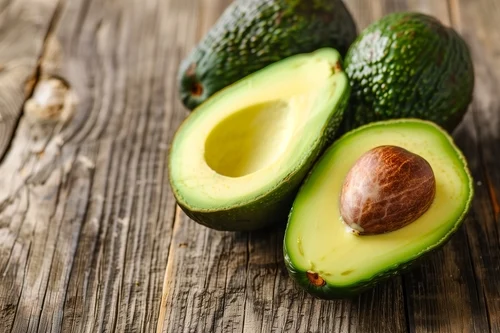
The increasing popularity of backyard poultry farming and the integration of livestock into domestic environments have brought to light a significant but often overlooked veterinary hazard: avocado toxicity. While the avocado (Persea americana) is celebrated globally as a nutrient-dense "superfood" for human consumption, it contains a potent fungicidal toxin known as persin that is lethal to a wide variety of birds and mammals. According to the Merck Veterinary Manual, every component of the avocado plant—including the fruit’s flesh, the pit, the skin, and the leaves—poses a severe health risk to chickens, turkeys, and other domestic animals. Veterinary toxicologists warn that even minimal exposure can lead to rapid physiological decline and death, making it one of the most dangerous common foods for avian species.
The Chemical Composition of the Threat: Understanding Persin
The primary toxic agent in avocados is persin, a fat-soluble compound structurally similar to a fatty acid. Produced naturally by the avocado tree, persin serves as a biological defense mechanism, protecting the plant against fungal infections. While the human digestive system is generally capable of processing and neutralizing this compound, many animals lack the specific metabolic pathways required to break it down safely.
The concentration of persin varies across different parts of the plant and across various cultivars of avocado. Scientific analysis indicates that the leaves of the avocado tree contain the highest concentration of the toxin, followed by the bark, the pit, and the skin. While the flesh of the fruit contains the lowest levels of persin, it remains sufficiently concentrated to cause fatal reactions in sensitive species. Furthermore, the Guatemalan variety of avocado (Persea americana var. guatemalensis) has been identified as having significantly higher toxicity levels than the Mexican variety, though veterinary experts advise a total ban on all types to ensure animal safety.

Pathophysiology: How Persin Attacks the Avian and Mammalian Body
The biological impact of persin ingestion is both rapid and devastating. Once ingested, the toxin primarily targets the cardiovascular system and the respiratory tract. In birds, including chickens and turkeys, the primary clinical manifestation is myocardial necrosis—the premature death of heart muscle cells.
As the heart muscle weakens, the animal’s ability to circulate oxygenated blood diminishes. This leads to a cascade of systemic failures. Common symptoms observed in poisoned poultry include a marked inability to perch, lethargy, ruffled feathers, and "open-mouth breathing" or gasping, which indicates acute respiratory distress. Internally, the toxin causes fluid to accumulate around the heart (hydropericardium) and within the lungs (pulmonary edema). This accumulation of fluid eventually prevents the heart from beating effectively, leading to a fatal heart attack or suffocation due to oxygen deprivation.
In mammals, such as sheep, goats, and horses, the toxin can also target the mammary glands, causing non-infectious mastitis and a total cessation of milk production. In more sensitive mammalian species like rabbits and guinea pigs, the effects mirror those seen in birds, focusing on cardiac failure and sudden death.
Chronology of Poisoning: A Narrow Window for Intervention
The timeline from ingestion to fatality is alarmingly short, often leaving owners with little time for veterinary intervention. In many documented cases involving small birds, the consumption of an amount as small as 5% of a single avocado can lead to death within 48 hours.

- 0–12 Hours Post-Ingestion: The animal may appear asymptomatic or show subtle signs of discomfort. In chickens, this might manifest as a slight decrease in foraging activity or a refusal to eat standard feed.
- 12–24 Hours Post-Ingestion: Clinical signs become more pronounced. Respiratory rates increase, and the animal may exhibit "tail bobbing," a common sign of labored breathing in birds. Heart rates may become irregular as myocardial damage begins.
- 24–48 Hours Post-Ingestion: This is the critical phase. The animal often becomes sedentary and non-responsive. Death usually occurs suddenly due to acute cardiac failure.
Because there is no specific antidote for persin poisoning, treatment is limited to supportive care, such as the administration of activated charcoal to prevent further absorption and oxygen therapy to alleviate respiratory distress. However, given the rapid onset of tissue damage, the prognosis for an animal showing clinical signs of avocado toxicosis is generally poor.
Species Susceptibility: Who is at Risk?
The Merck Veterinary Manual and various agricultural extensions have compiled a comprehensive list of animals susceptible to avocado poisoning. While the severity of the reaction varies by species and the amount consumed, the following animals are at high risk:
- Avian Species: Chickens, turkeys, ostriches, canaries, and parrots are exceptionally sensitive. For smaller birds, even a few nibbles of avocado skin or flesh can be fatal.
- Small Mammals: Rabbits, mice, rats, and guinea pigs exhibit high mortality rates when exposed to persin.
- Livestock: Sheep and goats are particularly vulnerable, often suffering from both cardiac issues and severe mammary gland damage. Horses may develop edema in the head, neck, and chest.
- Aquatic Life: Certain species of fish have shown high sensitivity to avocado leaves falling into ponds or enclosures.
Interestingly, dogs and cats are generally considered more resistant to the lethal cardiac effects of persin, though they are not entirely immune. In these domestic pets, avocado ingestion typically results in gastrointestinal upset, such as vomiting or diarrhea. However, the large pit of the avocado remains a significant "foreign body" hazard, posing a risk of esophageal or intestinal obstruction.
Global Implications and the Rise of Backyard Poultry Risks
The risk of avocado poisoning has grown in tandem with two major societal trends: the "farm-to-table" movement and the rise of suburban homesteading. As more households in temperate climates like California, Florida, Australia, and Mexico plant avocado trees in their yards, the likelihood of accidental exposure increases.

Agricultural experts have noted that chickens allowed to free-range in yards with avocado trees are at the highest risk. Fallen leaves, dropped fruit, and even the bark of the tree can be consumed by curious birds. Furthermore, the trend of feeding "kitchen scraps" to poultry has contributed to accidental poisonings. Well-meaning owners often assume that because a food is healthy for humans, it is safe for their flock. This misconception is a leading cause of preventable mortality in backyard chickens.
Prevention and Management: Best Practices for Owners
To mitigate the risk of avocado toxicosis, veterinary experts recommend a strict protocol of environmental management and education.
Environmental Security
For those who live in regions where avocado trees grow, it is essential to fence off the area around the trees to prevent poultry and livestock from accessing fallen debris. Leaves are particularly dangerous as they dry, as the toxin remains stable even in dead foliage.
Dietary Education
Owners should adhere to a strict list of approved treats. While avocados are strictly prohibited, chickens can safely enjoy a wide variety of alternatives, including:

- Leafy Greens: Kale, spinach, and Swiss chard (in moderation).
- Grains: Oats, cooked pasta, and corn.
- Fruits: Watermelon, berries, and apples (without seeds).
- Proteins: Mealworms and scrambled eggs.
Identifying the "Silent Killer"
Because chickens are prey animals, they instinctively hide signs of illness until they are in an advanced state of decline. Owners must be vigilant for subtle changes in behavior. If an avocado is known to have been consumed, immediate consultation with a veterinarian specializing in avian or exotic medicine is necessary.
Broader Impact on Veterinary Toxicology
The study of avocado toxicity provides a broader lesson in veterinary toxicology: the danger of anthropomorphism in animal nutrition. The physiological differences between humans and other animals mean that many common household staples—including chocolate, onions, garlic, and certain nuts—can be lethal to pets and livestock.
The case of the avocado serves as a critical reminder for the scientific community and animal owners alike to rely on evidence-based nutritional guidelines. The Merck Veterinary Manual continues to update its database on food hazards, emphasizing that "natural" does not always equate to "safe." As the global community continues to embrace backyard farming, the dissemination of accurate information regarding food hazards like persin will be vital in ensuring the welfare of domestic animals and the sustainability of small-scale agriculture.
In conclusion, the avocado represents a unique intersection of human nutrition and animal pathology. While it remains a staple of the human diet, its presence in the vicinity of chickens and other susceptible animals must be strictly managed. The lethal nature of persin, the rapid onset of symptoms, and the lack of a known antidote underscore the importance of prevention as the only effective strategy against this botanical toxin. For the backyard farmer, the rule is simple and absolute: keep avocados away from the coop.
