
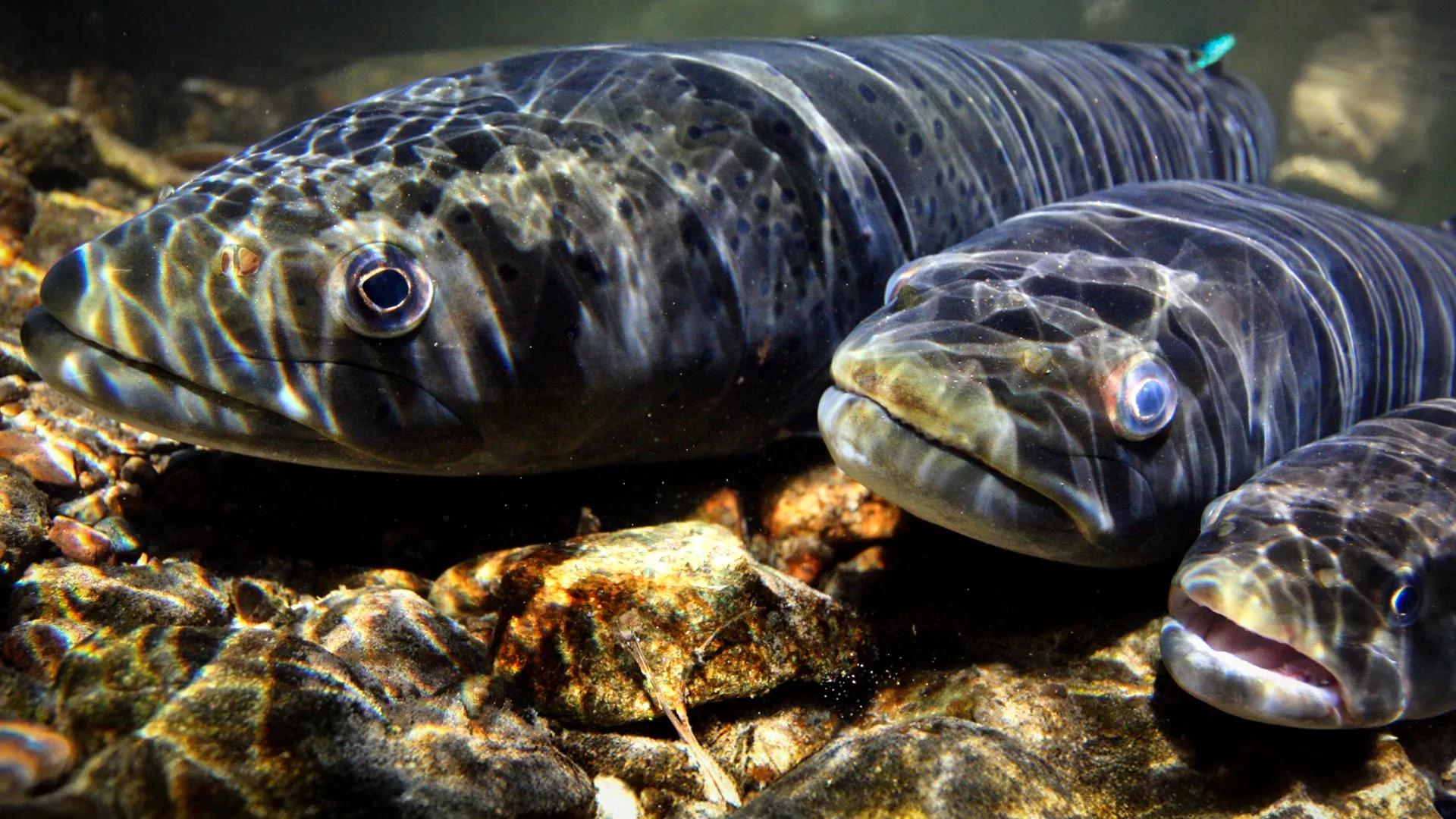
The alarming findings, detailed in the Global Assessment of Migratory Freshwater Fishes, were unveiled at the CMS 15th Meeting of the Conference of the Parties (COP15) hosted in Samarkand, Uzbekistan, a significant international gathering focused on the conservation of migratory species. This comprehensive assessment underscores that migratory freshwater fish are among the most imperiled species on Earth, facing an existential crisis that threatens not only the health of river ecosystems but also the food security and livelihoods of hundreds of millions of people worldwide. The report, the most extensive overview of its kind to date, integrates vast global datasets and IUCN Red List assessments of nearly 15,000 freshwater fish species, presenting a stark picture of a largely unaddressed biodiversity catastrophe unfolding beneath the surface of our planet’s rivers.
An Unseen Crisis: Rapid Decline of Freshwater Migrants
While much global conservation attention is directed towards terrestrial and marine megafauna, the plight of freshwater species often remains in the shadows. Yet, animals inhabiting freshwater ecosystems are experiencing declines at a rate faster than those in any other environment. The report highlights that migratory freshwater fish populations have plummeted by an estimated 81% globally since 1970, marking a dramatic and accelerating loss. This staggering statistic sets a clear baseline for the crisis, demonstrating how decades of unsustainable practices have pushed these vital species to the brink. Of the 58 migratory fish species (encompassing both freshwater and saltwater species) already listed under the CMS Appendices, a shocking 97% are now classified as threatened with extinction, underscoring the severe and widespread nature of this emergency.
These fish are inherently reliant on long, uninterrupted river pathways that serve as vital arteries connecting their spawning grounds, feeding areas, and floodplain nurseries. These incredible journeys often span thousands of kilometers and traverse multiple national borders. The report provides compelling evidence that the rapid decline is overwhelmingly driven by human-induced pressures: the pervasive construction of dams and other instream barriers, leading to severe habitat fragmentation; widespread water pollution from agriculture, industry, and urban runoff; rampant overfishing, often unregulated; and the escalating impacts of climate change, which alter water temperatures, flow regimes, and overall ecosystem health. When these critical connections are disrupted—whether by an impassable dam, altered water flows, or degraded habitat—populations can collapse with alarming speed, triggering a cascade of negative effects throughout the ecosystem.
Hundreds of Species in Need of Immediate Global Protection
The assessment meticulously identifies 325 migratory freshwater fish species that are now considered candidates for coordinated international conservation efforts. This number is in addition to the 24 species already listed under the Convention’s Appendices I (species requiring strict protection) and II (species needing international cooperation), bringing the total to nearly 350 species demanding urgent transboundary action. This vast number points to a largely overlooked biodiversity crisis unfolding across shared river systems, where the fate of these fish is intrinsically linked to the policies and actions of multiple nations.
The report provides a regional breakdown of these 325 species, emphasizing the global scale of the problem. While specific numerical breakdowns per continent are not explicitly detailed in the provided content, the overarching message is that no major river basin is immune. Key river systems identified as urgent priorities for conservation include the mighty Amazon and La Plata-Paraná in South America, the historic Danube in Europe, Asia’s iconic Mekong, Africa’s life-giving Nile, and the densely populated Ganges-Brahmaputra system of the Indian subcontinent. These rivers, often described as the "veins of the Earth," are hotspots of freshwater biodiversity and critical lifelines for human populations.
Ecological Pillars and Economic Engines
The significance of migratory freshwater fish extends far beyond their sheer numbers. They are fundamental for maintaining healthy and resilient river ecosystems. As key components of aquatic food webs, they play crucial roles in nutrient cycling, transferring energy and biomass across vast distances and between different habitats (e.g., from rivers to floodplains). Many species are also vital for seed dispersal and maintaining the genetic diversity of aquatic plants. Their loss can destabilize entire ecosystems, leading to a decline in water quality, reduced resilience to environmental changes, and ultimately, a less productive and biodiverse river system.
Beyond their ecological functions, these fish underpin major inland fisheries, providing a critical source of protein and essential nutrients for hundreds of millions of people globally, particularly in developing nations. These fisheries support extensive economic activities, including processing, distribution, and associated services, generating substantial income and employment. The breakdown of these migrations directly threatens food security, exacerbates poverty, and can contribute to social instability in communities that have relied on these resources for generations. Indigenous communities, in particular, often have deep cultural and spiritual connections to migratory fish, making their decline a loss of heritage as well.
COP15: Brazil Highlights Amazon’s Urgent Conservation Needs
The CMS COP15, hosted by Brazil, served as a crucial platform to spotlight the urgent need for action, particularly within South America’s colossal river systems. Brazil, home to a significant portion of the Amazon Basin, has taken a leading role in proposing several conservation measures. The Amazon, often referred to as the "lungs of the planet," remains one of the last major strongholds for migratory freshwater fish populations globally. However, even this immense wilderness is under escalating threat from increasing development pressures, including large-scale infrastructure projects, mining, and agricultural expansion.
A detailed case study released alongside the global assessment specifically identifies 20 migratory fish species within the Amazon Basin that meet the criteria for potential CMS Appendix II listing. These long-distance migratory species are not merely ecological curiosities; they are central to the region’s fisheries, accounting for approximately 93% of total landings and supporting an industry estimated to be worth a staggering US$436 million annually. The economic implications of their decline in this region alone are immense.
Among these remarkable species is the dorado (gilded) catfish (Brachyplatystoma rousseauxii), a bottom-dwelling fish with striking metallic gold/silver coloring that can grow up to 2 meters (6.5 feet) in length. This species holds the record for the longest known freshwater migration of any fish, undertaking an astonishing journey of 11,000 kilometers throughout its life cycle, from its Andean headwaters to coastal nursery areas. Such epic migrations underscore the absolute necessity of maintaining connectivity across the entire river basin.
In a proactive move to strengthen conservation efforts, Brazil, in collaboration with other regional countries, is proposing a comprehensive Multi-species Action Plan for Amazonian Migratory Catfish (2026-2036). This ambitious plan, developed through extensive regional cooperation, aims to provide a coordinated framework for managing and protecting these vital species across national borders. Furthermore, Brazil has proposed adding the spotted sorubim catfish (Pseudoplatystoma corruscans) to CMS Appendix II. This proposal emphasizes the critical need for coordinated action not only in the Amazon but also in the La Plata Basin, where these charismatic fish face severe threats from dam construction, altered water flows, and relentless fishing pressure.
These initiatives represent some of the most ambitious international efforts to safeguard migratory freshwater fish, reinforcing the central principle of the CMS: that effective conservation solutions must encompass the full geographic range of migratory species and are entirely dependent on robust cooperation between countries.
A Call for Coordinated Global Action and Integrated River Management
The experts involved in the report and present at COP15 issued an urgent call for coordinated global action. Dr. Zeb Hogan, a lead author of the assessment, articulated the crisis succinctly: "Many of the world’s great wildlife migrations take place underwater. This assessment shows that migratory freshwater fish are in serious trouble, and that protecting them will require countries to work together to keep rivers connected, productive, and full of life." His statement highlights the hidden nature of these migrations and the transboundary challenge they pose.
Amy Fraenkel, CMS Executive Secretary, echoed this sentiment, emphasizing the report’s role in shifting focus: "This new assessment highlights a major priority for the conservation of migratory species and their habitats, that has not had adequate focus to date. By aligning science, policy and international cooperation, governments can safeguard the world’s remaining great freshwater fish migrations and the communities and ecosystems that depend on them." Her remarks underscore the need for a paradigm shift in conservation priorities and policy integration.
Michele Thieme, Vice President and Deputy Lead of Freshwater at the World Wildlife Fund-US, provided a stark warning: "Rivers don’t recognize borders — and neither do the fish that depend on them. The crisis unfolding beneath our waterways is far more severe than most people realize, and we are running out of time. Rivers need to be managed as connected systems, with coordination across borders, and investments in basin-wide solutions now before these migrations are lost forever." Thieme’s powerful statement emphasizes the urgency and the necessity of integrated, transboundary river basin management.
Practical Steps for Governments and a Path Forward
The report is not merely a diagnostic tool; it also outlines practical, immediate steps governments can take to reverse these devastating trends. While the provided content does not explicitly list these steps, logical inferences from the problems identified include:
- Integrated River Basin Management: Moving away from treating rivers as isolated national waterways and towards holistic, transboundary management plans that consider the entire ecosystem.
- Dam Removal and Mitigation: Prioritizing the removal of obsolete or environmentally damaging dams, and implementing effective fish passage solutions (e.g., fish ladders, nature-like bypasses) for essential dams where removal is not feasible.
- Pollution Control: Implementing stricter regulations and enforcement to reduce agricultural runoff, industrial effluent, and urban waste entering freshwater systems. Investing in wastewater treatment and promoting sustainable land-use practices.
- Sustainable Fisheries Management: Establishing and enforcing quotas, seasonal closures, and protected areas to prevent overfishing, coupled with efforts to combat illegal, unreported, and unregulated (IUU) fishing.
- Habitat Restoration: Protecting and restoring critical spawning grounds, feeding areas, and nursery habitats, including floodplains and riparian zones.
- Climate Change Adaptation: Developing strategies to help freshwater ecosystems adapt to the impacts of climate change, such as protecting thermal refugia and ensuring adequate water flows.
- Enhanced Monitoring and Research: Investing in long-term monitoring programs to track fish populations and habitat health, and supporting research into migratory patterns and conservation solutions.
- International Cooperation: Strengthening existing treaties and agreements, and forging new partnerships to facilitate transboundary conservation efforts, sharing data, resources, and expertise.
The collapse of migratory freshwater fish populations represents a profound environmental and socio-economic challenge, yet it also presents an opportunity for transformative action. By recognizing the critical importance of these species and the interconnectedness of our global river systems, governments, communities, and conservation organizations can work together to safeguard these incredible migrations for future generations. The time to act is now, before the silent disappearance of these aquatic travelers irrevocably alters the very fabric of our freshwater world.
