
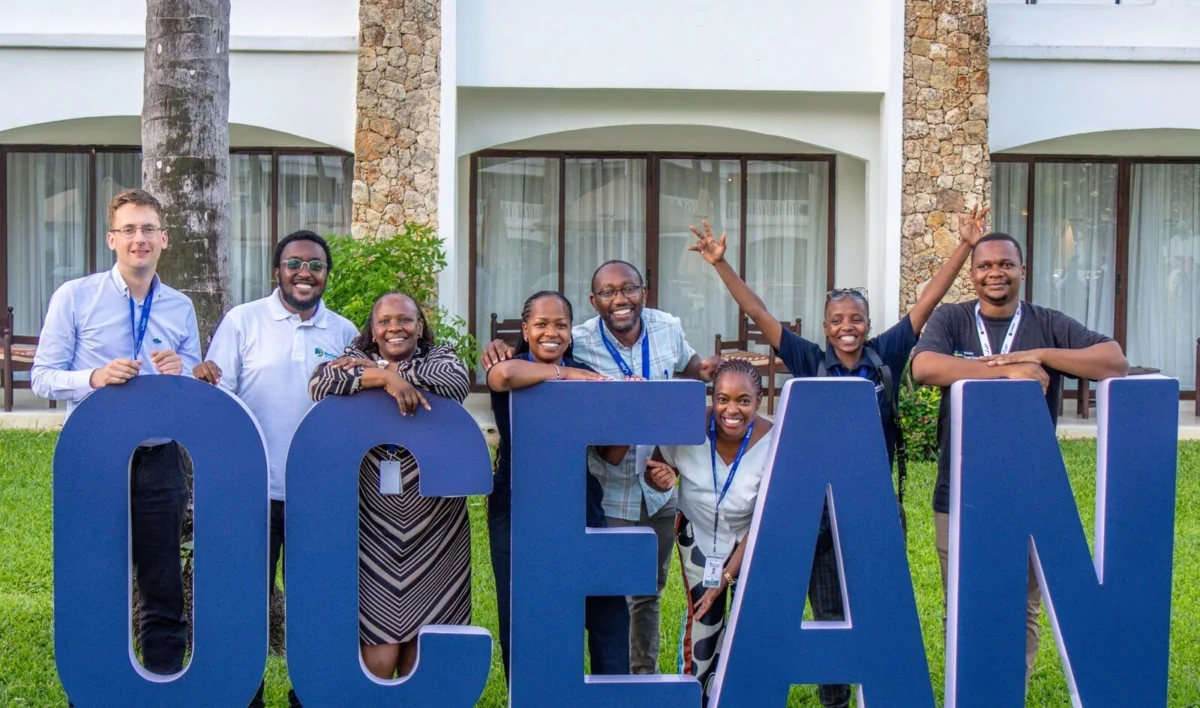
Our Ocean Conference 11: East African Wetlands Take Center Stage in Global Conservation Efforts
Mombasa, Kenya – June 23, 2026 – Teams from Wetlands International’s East Africa and Global offices convened with a diverse coalition of international partners, national governments, local communities, and investors at the 11th Our Ocean Conference in Mombasa, Kenya. Under the impactful theme, "Our Ocean, Our Heritage, Our Future," the conference served as a critical platform to amplify the indispensable role of coastal wetlands in fostering human well-being, safeguarding biodiversity, and mitigating the escalating impacts of climate change.
The gathering, which spanned several days of intensive deliberations, featured a robust program of panel discussions, targeted networking events, high-level partner meetings, and vital community-led dialogues. Wetlands International seized these opportunities to underscore the multifaceted benefits derived from healthy coastal wetland ecosystems, emphasizing their capacity to deliver tangible results across ecological, social, and economic spheres. The organization’s engagement focused on several key areas, including the critical services wetlands provide for coastal protection against storm surges and erosion, their unparalleled capacity for carbon sequestration, their role in supporting resilient fisheries that sustain coastal livelihoods, and their function as natural filters that improve water quality.
This year’s Our Ocean Conference, the eleventh in a series that began in 2014, marked a significant milestone, bringing together over 10,000 participants from 170 countries. The conference has consistently served as a catalyst for tangible commitments to ocean conservation. Since its inception, the Our Ocean Conferences have generated over 1,400 commitments worth more than $92 billion and covering over 30 million square kilometers of ocean. The Mombasa edition aimed to build upon this legacy, with a particular focus on the unique challenges and opportunities facing the Indian Ocean region and its vital coastal ecosystems.
The strategic selection of Mombasa as the host city underscored the growing global recognition of Africa’s significant ocean and coastal resources, as well as the pressing need to address the threats they face. Kenya, with its extensive coastline and diverse marine and coastal ecosystems, provided a fitting backdrop for discussions on sustainable ocean management, blue economy development, and the interconnectedness of terrestrial and marine environments.
Wetlands International’s presence at the conference was multifaceted. Through a series of presentations and interactive sessions, the organization highlighted successful case studies from across East Africa, demonstrating how integrated wetland management approaches can yield significant co-benefits. These included projects that not only enhanced coastal resilience but also created sustainable livelihood opportunities for local communities, such as eco-tourism initiatives and the restoration of mangrove forests for sustainable timber and non-timber forest products.
One of the central messages articulated by Wetlands International was the critical, yet often overlooked, role of coastal wetlands, particularly mangroves and seagrass beds, in the global carbon cycle. These ecosystems are recognized as potent "blue carbon" sinks, capable of sequestering and storing carbon at rates significantly higher than many terrestrial forests. Scientific research indicates that mangroves alone store up to five times more carbon per hectare than tropical rainforests. The loss of these vital habitats not only releases vast amounts of stored carbon into the atmosphere, exacerbating climate change, but also diminishes the natural defenses of coastal communities against rising sea levels and intensifying storm events.
The organization’s advocacy efforts also emphasized the direct link between healthy wetlands and food security. Coastal wetlands serve as crucial nursery grounds for a vast array of fish and shellfish species, supporting productive fisheries that are a cornerstone of the economy and diet for millions in coastal regions. Degradation of these habitats leads to a decline in fish stocks, threatening the livelihoods of fishing communities and impacting the availability of nutritious food.
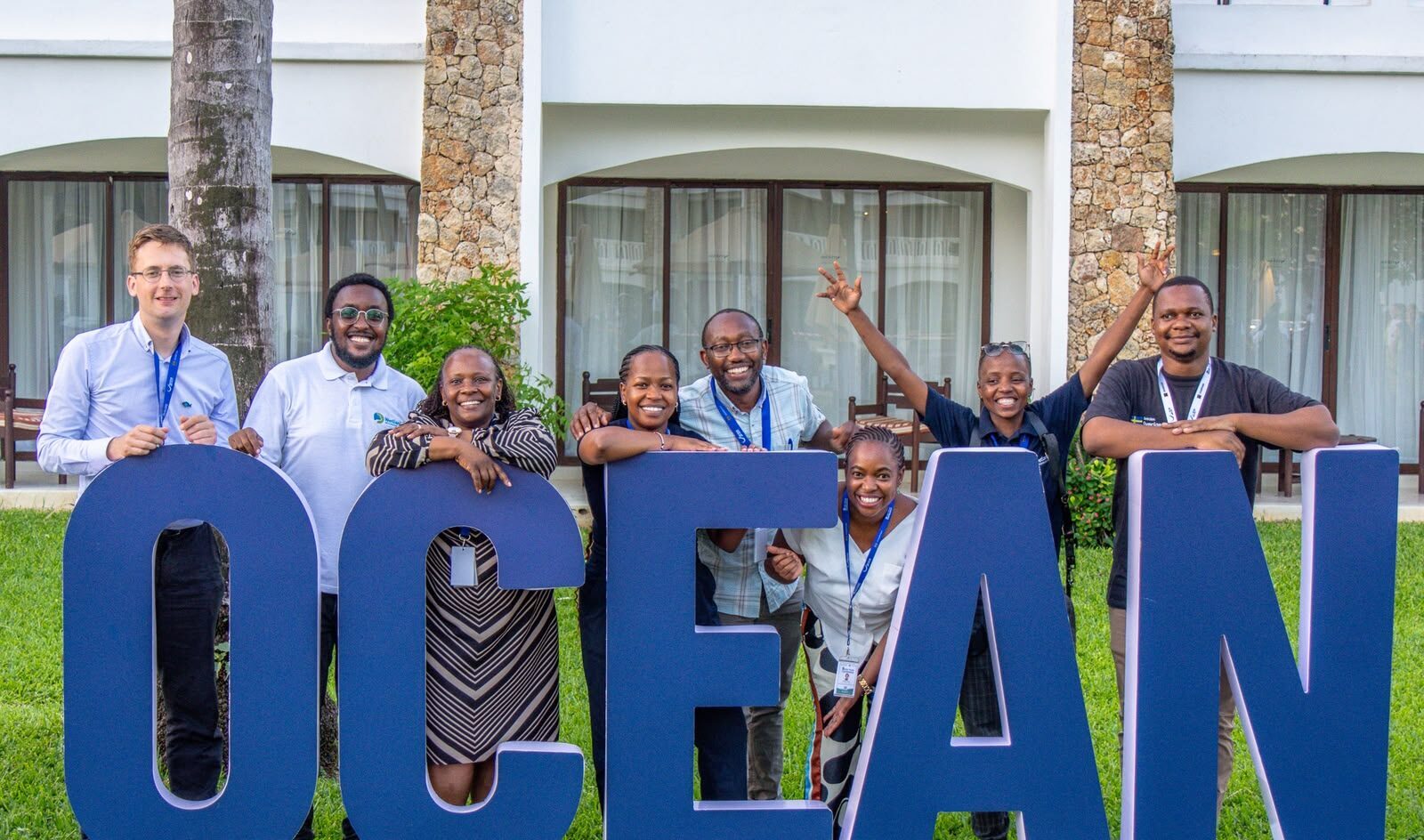
During the conference, Wetlands International engaged in robust discussions with various stakeholders, including representatives from the Kenyan Ministry of Environment and Forestry, the State Department for Blue Economy and Fisheries, and international development agencies. These dialogues focused on scaling up successful nature-based solutions for coastal protection and climate adaptation, exploring innovative financing mechanisms for wetland restoration and conservation, and strengthening policy frameworks to ensure the long-term sustainability of these critical ecosystems.
The theme "Our Ocean, Our Heritage, Our Future" resonated deeply with the organization’s mission, highlighting the intrinsic value of the ocean and its associated ecosystems as a shared heritage that must be preserved for future generations. This perspective underscores the urgency of moving beyond isolated conservation efforts to adopt integrated management approaches that recognize the interconnectedness of land and sea.
Reflecting on the conference, a spokesperson for Wetlands International stated, "We are immensely encouraged by the level of engagement and the shared commitment to action at Our Ocean Conference 11. The insights gained from our partners and the constructive dialogues held in Mombasa have reinforced our belief that investing in healthy coastal wetlands is not just an environmental imperative, but a strategic investment in human prosperity and climate resilience. The growing recognition of wetlands as essential infrastructure for coastal communities is a testament to the power of collaborative advocacy and evidence-based conservation."
The conference proceedings also provided a platform for sharing data and research on the ecological and economic benefits of wetland conservation. For instance, studies have shown that investing in mangrove restoration can yield economic returns of up to $10,000 per hectare per year through enhanced fisheries, coastal protection, and tourism. Such data-driven arguments are crucial for garnering the necessary political will and financial support for large-scale conservation initiatives.
The timeline of the Our Ocean Conference series illustrates a progressive evolution of global ocean governance. Initiated by the U.S. Department of State, the conferences have been hosted by various nations, each building on the commitments made previously. The first conference in Washington D.C. in 2014 laid the groundwork, followed by subsequent events in Oslo, Santiago, Malta, Bali, and Lisbon. The choice of Mombasa for the 2026 conference signals a deliberate effort to focus on the unique challenges and opportunities within the African continent, a region with a vast and biodiverse coastline facing significant developmental pressures and climate impacts.
Looking ahead, the commitments made and partnerships forged in Mombasa are expected to translate into concrete actions on the ground. Wetlands International plans to leverage these new collaborations to accelerate the implementation of integrated coastal zone management plans, support the development of sustainable blue economy initiatives that prioritize ecological integrity, and advocate for the mainstreaming of wetland conservation into national development strategies. The organization’s ongoing work in East Africa, encompassing projects in Kenya, Tanzania, and Uganda, serves as a model for such integrated approaches, demonstrating how community engagement, scientific research, and policy advocacy can coalesce to achieve lasting conservation outcomes.
The conference concluded with a renewed sense of urgency and a clear call to action. The participants acknowledged that the future of our ocean, our heritage, and indeed our planet, hinges on our collective ability to protect and restore these vital marine and coastal ecosystems. The presence and active participation of Wetlands International at Our Ocean Conference 11 underscored the critical role of coastal wetlands as a natural solution to some of the most pressing global challenges of our time. The organization leaves Mombasa inspired by the tangible progress made, the strong partnerships solidified, and the burgeoning global recognition that healthy coastal wetlands are not merely a natural resource, but an indispensable asset for the well-being and prosperity of generations to come.
A slideshow featuring nine images captured the essence of Wetlands International’s presence at Our Ocean Conference 11, offering a visual narrative of the organization’s engagement with partners, the vibrant setting of Mombasa, and the critical dialogues that took place. These images serve as a powerful reminder of the ongoing efforts to safeguard our shared oceanic heritage.
