
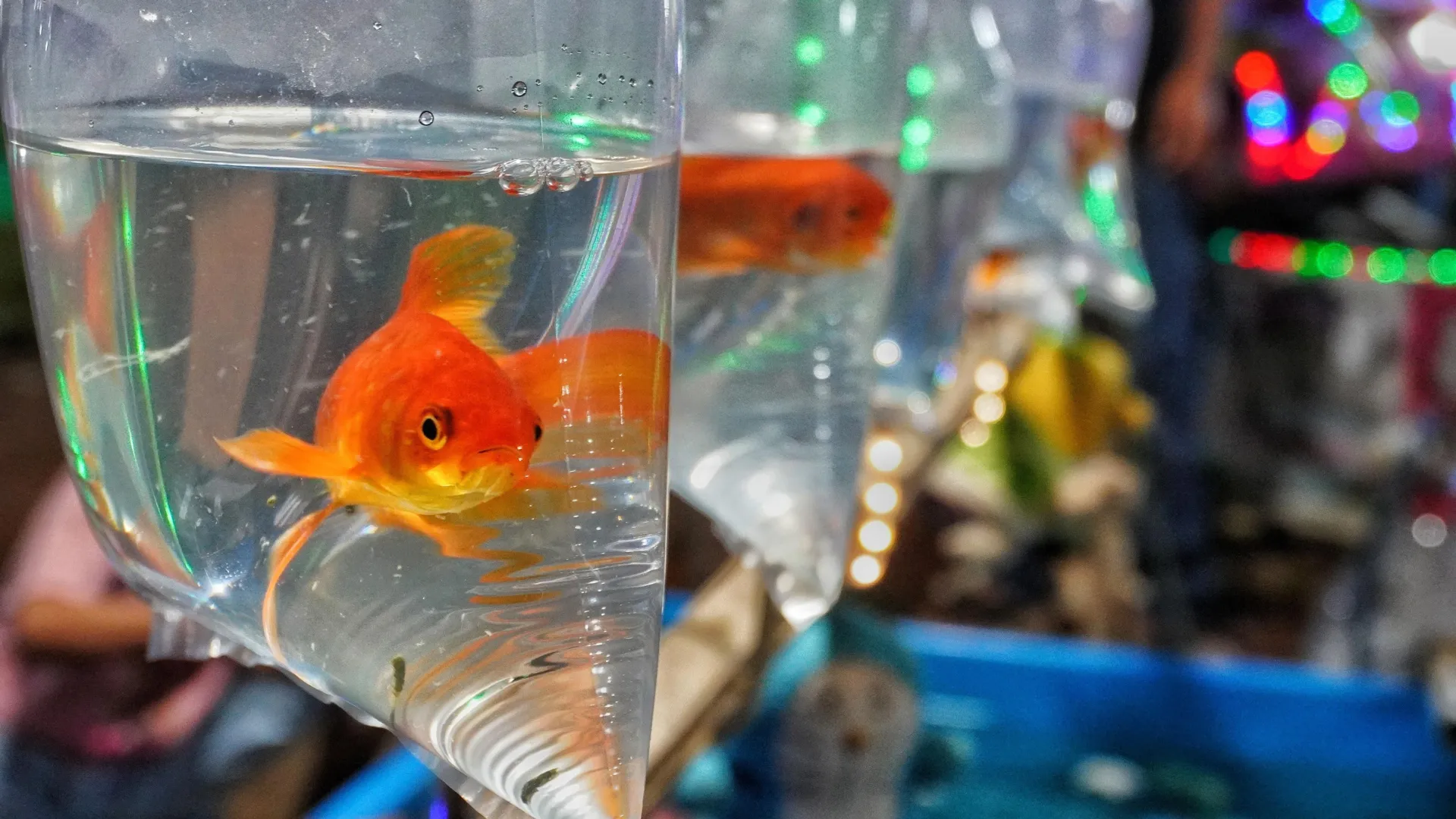
A groundbreaking peer-reviewed study from researchers at The University of Toledo and the University of Missouri has definitively established that common household goldfish can precipitate profound and detrimental impacts on freshwater ecosystems when introduced or escaping into natural environments. Published in the esteemed Journal of Animal Ecology, this research provides some of the most compelling experimental evidence to date, illustrating how invasive goldfish can dramatically reconfigure and degrade lake environments, issuing a critical warning to pet owners, natural resource managers, and policymakers worldwide. While widely cherished as benign aquarium inhabitants, these ubiquitous pets pose a significant and underestimated ecological threat when released beyond their glass confines.
Dr. William Hintz, associate professor in UToledo’s Department of Environmental Sciences and Lake Erie Center and the study’s lead investigator, underscored the urgency of the findings. "It is critically important to inform the public that their pets can become pests that will harm freshwater ecosystems. The evidence is now clear – releasing a goldfish into the wild might be seen as an act of kindness, but it can turn into a major ecological threat," Dr. Hintz stated, emphasizing the often-unintended consequences of such actions.
Unveiling the Ecological Disruption: Goldfish Trigger Regime Shifts
The study, titled "Invasive goldfish trigger a regime shift in experimental lake ecosystems of varying trophic state," utilized sophisticated large outdoor freshwater mesocosms. These controlled experimental setups were meticulously designed to replicate diverse real-world lake conditions, allowing researchers to introduce goldfish (Carassius auratus) and precisely monitor their effects on different types of aquatic environments over an extended period. The team investigated two prevalent freshwater conditions: nutrient-poor (oligotrophic) waters, typically characterized by clear water and low algal growth, and nutrient-rich (eutrophic) waters, often prone to algal blooms and lower oxygen levels. In both meticulously simulated environments, goldfish induced substantial and alarming ecological disruption.
Among the most significant and concerning findings were:
- Degradation of Water Quality: Goldfish significantly increased water turbidity, reducing light penetration vital for submerged aquatic plants. This effect is largely attributed to their foraging behavior, where they stir up bottom sediments while searching for food.
- Alterations in Phytoplankton Communities: The presence of goldfish led to shifts in the composition and abundance of phytoplankton, the microscopic algae forming the base of the aquatic food web. This can have cascading effects throughout the ecosystem, impacting zooplankton and ultimately larger fish species.
- Disruption of Invertebrate Communities: The study documented considerable changes in the diversity and abundance of aquatic invertebrate communities. Goldfish are voracious omnivores, consuming a wide range of invertebrates, which can deplete native food sources for other species.
- Proliferation of Filamentous Algae: In some conditions, goldfish contributed to the increased growth of filamentous algae, which can smother native vegetation, reduce water flow, and negatively impact water aesthetics and recreational value.
- Impact on Native Fish Condition: The competitive pressure and habitat alteration caused by goldfish were found to negatively affect the overall health and condition of native fish populations, indicating a struggle for resources and suitable environments.
Crucially, the researchers observed what scientists term a "regime shift." This describes the point at which an ecosystem crosses a critical threshold, rapidly reorganizing into a fundamentally different, and often degraded, state. Once such shifts occur, the intricate web of ecological relationships is severely altered, making the restoration of the ecosystem to its original, healthy condition exceptionally difficult, time-consuming, and prohibitively expensive. This finding underscores the irreversible nature of the damage goldfish can inflict.
The Science Behind the Warning: Experimental Rigor
To isolate the specific impacts of goldfish, researchers employed both additive and substitutive experimental designs. This rigorous approach allowed them to differentiate between effects caused solely by the presence of goldfish and those associated with a general increase in overall fish abundance. Their detailed analysis conclusively demonstrated that while some minor changes in aquatic vegetation could be linked to the total number of fish, the most severe and profound ecological damage was directly attributable to the specific presence and behaviors of Carassius auratus. This methodical distinction strengthens the study’s conclusions, unequivocally pointing to goldfish as a primary driver of these ecosystem changes. The use of outdoor mesocosms, which bridge the gap between laboratory experiments and full-scale field studies, provided a high degree of ecological realism while maintaining experimental control, a significant strength of this research.
From Aquarium to Adversary: How Goldfish Become Invasive
Goldfish are among the most widely distributed ornamental fish globally, their popularity fueled by a robust and largely unregulated global pet trade that facilitates the movement of aquatic species across continents at an unprecedented scale. This widespread availability, coupled with a lack of public awareness, creates fertile ground for their escape or release into natural waterways.
When goldfish are intentionally released into ponds, rivers, or lakes – often under the misguided belief that it’s a humane act – or escape during natural events like flooding, they possess an alarming capacity to establish invasive populations and spread rapidly. Rick Relyea, professor in the University of Missouri College of Agriculture, Food and Natural Resources, director of Mizzou’s Johnny Morris Institute of Fisheries, Wetlands and Aquatic Systems, and a co-author of the study, elaborated on their destructive capabilities. "If goldfish are released into the wild, they rapidly grow into very large fish that stir up lake sediments, consume large numbers of prey and compete with native fish," Professor Relyea explained.
This rapid growth is a key factor; a goldfish kept in a small aquarium might remain relatively small, but in an open ecosystem with abundant resources, it can grow to significant sizes, often exceeding a foot in length and weighing several pounds. Their benthivorous feeding habits (sifting through bottom sediments) release nutrients, increase turbidity, and uproot native vegetation, fundamentally altering the physical and chemical environment. Furthermore, their omnivorous diet and high reproductive rates allow them to outcompete native fish for food and habitat, disrupting delicate food webs and potentially leading to declines in native species populations.
A Global Problem with Local Roots: The Pervasive Pet Trade
The problem of invasive goldfish is a microcosm of a much larger global challenge concerning aquatic invasive species. The ornamental pet trade is a well-documented pathway for numerous non-native species to enter new environments, often with devastating consequences. Experts estimate that invasive species collectively cost the global economy hundreds of billions of dollars annually through agricultural losses, infrastructure damage, and ecosystem restoration efforts. In North America alone, the economic impact of aquatic invasive species is staggering, often running into the tens of millions for management and control in specific regions or waterways. Goldfish, due to their ubiquity and hardiness, represent a particularly insidious threat within this broader context. They can tolerate a wide range of water temperatures and oxygen levels, making them highly adaptable to diverse freshwater habitats, from small urban ponds to large natural lakes and river systems.
Expert Voices and Urgent Calls for Action
The researchers unequivocally state that goldfish should be reclassified and treated as a high-priority invasive species. They advocate for a proactive approach from natural resource agencies, emphasizing the critical importance of prevention, early detection, and rapid control efforts before wild populations become firmly established and widespread. Once invasive populations take hold, eradication becomes exceedingly difficult, often requiring costly and intensive measures with uncertain outcomes.
The authors also powerfully stress the urgent need for more robust and widespread public education campaigns. These initiatives are crucial to inform pet owners about the severe environmental consequences of releasing aquarium animals into natural waterways. While intentions may be good, the ecological ramifications are severe. Environmental organizations and wildlife agencies globally have long highlighted the dangers of "don’t let it loose" campaigns, often focusing on species like red-eared slider turtles or exotic plants. This new study firmly adds goldfish to that list of concern.
Navigating Responsibility: Alternatives for Pet Owners
For individuals who find they can no longer care for their goldfish, the researchers and environmental experts strongly encourage pursuing responsible alternatives to releasing them into the wild. These alternatives include:
- Returning the fish to a reputable pet store: Many pet stores have policies for accepting unwanted healthy fish.
- Finding another aquarium owner willing to adopt it: Community forums, aquatic hobbyist groups, and local animal shelters sometimes facilitate such adoptions.
- Contacting local wildlife authorities or humane societies for guidance: These organizations can often provide advice or connect individuals with appropriate rehoming programs.
- Euthanasia as a last resort: While a difficult decision, humane euthanasia by a veterinarian or knowledgeable pet professional is a more responsible option than condemning a fish to a potentially slow death in an unsuitable environment or, worse, allowing it to become an ecological threat.
Such responsible pet ownership practices are vital in mitigating the ongoing spread of invasive species and protecting native biodiversity.
Policy, Prevention, and the Future of Freshwater Ecosystems
The findings of this study carry significant implications for policy and regulatory frameworks. There is a growing call for enhanced scrutiny of the pet trade industry, potentially including stricter labeling requirements that clearly outline the invasive potential of certain species, alongside information on responsible disposal. Public awareness campaigns could be integrated into educational curricula, targeting younger generations to instill a sense of environmental stewardship from an early age. Local municipalities could also play a role by establishing designated "amnesty days" or programs for unwanted pets, providing a safe and responsible alternative to releasing them.
The long-term health of freshwater ecosystems hinges on a multi-faceted approach involving scientific research, proactive management, and an informed, responsible citizenry. The goldfish, seemingly innocuous, serves as a powerful reminder that even the smallest actions can have far-reaching and profound ecological consequences. Protecting these vital natural resources requires a collective commitment to understanding and addressing the threats, visible and hidden, that imperil their delicate balance.
