
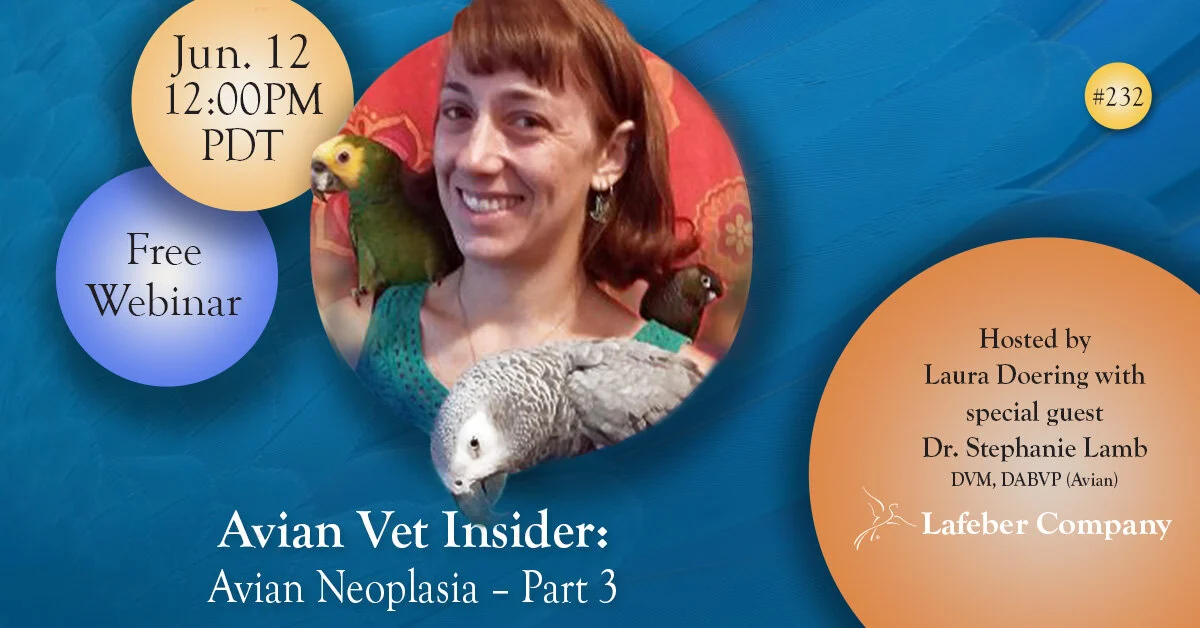
The esteemed avian veterinary specialist, Dr. Stephanie Lamb, is set to conclude her comprehensive three-part webinar series on avian neoplasia on Friday, June 12, 2026, at 12:00 p.m. PDT. This final installment promises to delve deeper into the multifaceted world of tumors affecting pet birds, building upon the foundational knowledge established in the previous sessions. Bird owners and veterinary professionals alike are invited to participate in this crucial educational event, designed to foster a more informed approach to diagnosing and managing cancerous conditions in avian companions. The webinar will offer insights into a broader spectrum of tumor types, extending beyond the previously discussed areas such as skin and reproductive systems, to encompass other potentially affected regions of a bird’s anatomy.
Expanding the Understanding of Avian Neoplasia
Avian neoplasia, a term encompassing the development of abnormal cell growth or tumors in birds, represents a significant concern within the realm of avian health. While often perceived as a challenging diagnosis, understanding the various forms and manifestations of these conditions is paramount for effective intervention and improved patient outcomes. Dr. Lamb’s webinar series has been meticulously crafted to demystify this complex topic, equipping attendees with the knowledge necessary to recognize potential signs, understand diagnostic pathways, and engage in informed discussions with veterinary experts.
This third part of the series is particularly significant as it broadens the scope of discussion to include a wider array of neoplastic conditions. The initial webinars likely laid the groundwork by introducing the general principles of neoplasia, common risk factors, and perhaps a focus on more prevalent tumor types. This concluding session will serve as a vital capstone, addressing less commonly discussed but equally important neoplastic presentations. Such comprehensive coverage is essential given the diverse physiology of avian species and the wide range of potential sites for tumor development.
Historical Context and the Evolution of Avian Oncology
The study and treatment of avian neoplasia have evolved considerably over the decades. Historically, cancer in pet birds was often overlooked or misdiagnosed, partly due to a lack of specialized knowledge and diagnostic tools. As avian veterinary medicine has matured into a distinct and highly specialized field, so too has the understanding of diseases like neoplasia. Advances in diagnostic imaging, histopathology, and even genetic research have significantly improved the ability to detect, classify, and sometimes treat tumors in birds.
Dr. Lamb’s webinar series can be seen as a reflection of this progress. By offering detailed, multi-part educational programs, organizations like Lafeber Company, which hosts such events, are demonstrating a commitment to disseminating advanced veterinary knowledge to a wider audience. The progression from Part 1 to Part 3 signifies a structured approach to learning, allowing for a deep dive into increasingly complex aspects of avian oncology. This phased delivery is particularly beneficial for busy pet owners and veterinary practitioners who may require digestible segments of information to effectively absorb and apply new concepts.
Key Focus Areas of "Part 3"
While specific details of the "Part 3" content will be unveiled during the live presentation, based on the preceding installments and the general trajectory of avian oncology, attendees can anticipate discussions on:
- Less Common Tumor Sites: Moving beyond the commonly discussed areas like the skin, reproductive tract (ovarian and testicular tumors), and liver, this session is likely to explore neoplasms affecting the respiratory system (lungs, air sacs), nervous system (brain, spinal cord), skeletal system (bone tumors), eyes, and even the endocrine system. Each of these sites presents unique diagnostic challenges and treatment considerations.
- Specific Tumor Types: The webinar will likely elaborate on the histopathological classifications of various tumors, such as sarcomas, carcinomas, lymphomas, and potentially more specialized types like melanomas or neuroendocrine tumors. Understanding the origin and behavior of these cell types is crucial for prognosis and treatment planning.
- Diagnostic Modalities: Advanced imaging techniques like computed tomography (CT) and magnetic resonance imaging (MRI) have become increasingly important in the diagnosis and staging of avian neoplasia. Dr. Lamb may also discuss the role of fine-needle aspirates, biopsies, and laboratory diagnostics in confirming diagnoses and determining tumor types.
- Treatment Strategies: While cancer treatment in birds often presents challenges, including the risk of anesthesia and the potential for limited therapeutic options, the webinar may touch upon surgical excision, chemotherapy, radiation therapy, and supportive care. The focus will likely be on tailoring treatments to the specific tumor type, location, and the overall health of the bird.
- Prognostic Factors: Understanding factors that influence the outcome of avian neoplasia is vital for owners. This could include the grade and stage of the tumor, the bird’s species and age, and the success of any interventions.
Data and Supporting Evidence in Avian Neoplasia
The field of avian oncology is continually enriched by accumulating data from veterinary caseloads. While precise global statistics on avian neoplasia are scarce due to the specialized nature of reporting, individual practice data and published case series provide valuable insights. For instance, studies have indicated that certain species may have predispositions to specific types of tumors. Psittacine birds, particularly larger species like African Greys and Amazons, are often reported to have a higher incidence of reproductive tract tumors. Similarly, budgerigars and cockatiels are frequently diagnosed with lipomas (fatty tumors), which are benign but can grow to significant sizes.
The increasing lifespan of pet birds due to improved husbandry and veterinary care also contributes to a higher prevalence of age-related diseases, including cancer. As birds live longer, their cells have more time to accumulate mutations that can lead to uncontrolled growth. This trend underscores the importance of ongoing education for owners and veterinarians to recognize and address these conditions effectively.
Dr. Stephanie Lamb: An Authority in Avian Medicine
Dr. Stephanie Lamb is a highly respected figure in the field of avian veterinary medicine. Her extensive experience and expertise in diagnosing and treating complex avian diseases, including neoplasia, make her an ideal presenter for this series. Webinars hosted by such specialists offer a unique opportunity for the veterinary community and dedicated bird owners to gain direct access to cutting-edge knowledge and practical advice. Her dedication to advancing avian healthcare through education is evident in the structured and comprehensive nature of this webinar series.
Registration and Accessibility
The webinar is scheduled for Friday, June 12, 2026, at 12:00 p.m. PDT. Attendees are strongly encouraged to utilize the provided time zone converter link to confirm their local start time, ensuring they do not miss this valuable session. Registration is mandatory and can be completed through the provided link. This accessibility reflects a broader trend in professional development, where online platforms are increasingly leveraged to deliver specialized training and knowledge sharing, breaking down geographical barriers.
Implications for Bird Owners and the Veterinary Profession
The implications of Dr. Lamb’s webinar series extend to both pet owners and the broader veterinary community. For owners, a deeper understanding of avian neoplasia can lead to:
- Early Detection: Recognizing subtle signs and symptoms can prompt earlier veterinary consultation, potentially leading to a more favorable prognosis.
- Informed Decision-Making: Armed with knowledge, owners can engage more effectively with their veterinarians regarding diagnostic options, treatment plans, and the potential outcomes.
- Improved Quality of Life: Understanding the disease and its management can help owners provide better supportive care, enhancing their bird’s comfort and well-being.
For the veterinary profession, these webinars serve as valuable continuing education opportunities. They reinforce best practices, introduce new diagnostic and therapeutic approaches, and foster a community of practice dedicated to advancing avian health. The dissemination of such specialized knowledge is crucial for elevating the standard of care for pet birds nationwide and globally.
The Future of Avian Oncology
The continued focus on avian neoplasia, as exemplified by Dr. Lamb’s series, signals a growing commitment to addressing this complex area of avian health. Future advancements are likely to involve:
- Enhanced Genetic Research: Identifying genetic markers associated with increased cancer risk could pave the way for preventative strategies and targeted therapies.
- Development of Novel Therapeutics: Research into more effective and less toxic chemotherapy agents and immunotherapies tailored for avian physiology is ongoing.
- Improved Diagnostic Imaging and Pathology: Continued refinement of imaging techniques and closer collaboration between avian veterinarians and veterinary pathologists will be key.
- Collaborative Research Networks: Establishing larger, multi-institutional studies will help gather more robust data on incidence, treatment efficacy, and long-term outcomes.
As avian veterinary medicine continues to mature, the proactive educational initiatives like Dr. Lamb’s webinar series are indispensable. They empower stakeholders with the knowledge and tools necessary to confront the challenges of avian neoplasia, ultimately contributing to healthier and longer lives for our feathered companions. The conclusion of this series marks a significant milestone in disseminating this critical information, fostering a more informed and proactive approach to avian health.
