
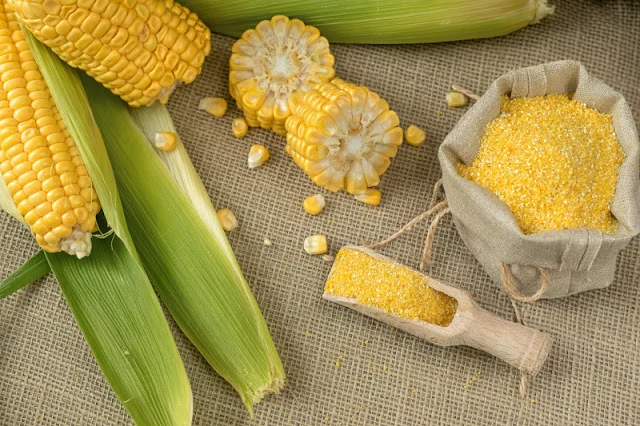
The intersection of traditional agricultural wisdom and modern avian science has recently brought a long-standing debate to the forefront of the backyard poultry community: the appropriateness of corn as a dietary staple for chickens. While corn has served as a fundamental component of livestock feed for centuries, contemporary poultry keepers often grapple with conflicting advice regarding its seasonal use, nutritional density, and potential impact on bird thermoregulation. Understanding the physiological effects of corn consumption is essential for maintaining flock health, particularly as global climate patterns introduce more extreme temperature fluctuations that can stress domestic birds.
The Physiology of Corn Digestion and Thermogenesis
To address the controversy surrounding corn, one must first examine the biological process of digestion in Gallus gallus domesticus. When a chicken consumes whole or cracked dried grains, the food moves to the crop for softening before entering the proventriculus and the gizzard. The gizzard, a muscular organ, utilizes grit to mechanically grind the hard kernels. This process, known as the "Specific Dynamic Action" (SDA) or the thermic effect of food, requires significant metabolic energy.

The energy expended during the breakdown of complex carbohydrates and fibrous hulls generates internal body heat. This physiological phenomenon is the source of the common recommendation to feed corn to chickens during winter months. As the birds digest heavy grains overnight, the metabolic heat produced helps maintain their core body temperature against the nocturnal chill. Consequently, dried corn—often found as the primary ingredient in commercial "scratch grains"—is categorized as a high-energy fuel source rather than a balanced nutritional foundation.
Seasonal Feeding Strategies: Winter Vitality vs. Summer Heat Stress
The debate intensifies during the summer months, where the thermic effect of digestion can shift from a benefit to a liability. Avian experts and veterinarians often caution against heavy corn supplementation during heatwaves. Because chickens do not possess sweat glands and rely on panting and wing spreading to dissipate heat, an increase in internal metabolic heat from digesting cracked corn can exacerbate the risk of hyperthermia.
However, a critical distinction must be made between dried, processed corn and fresh, high-moisture corn. While dried grains are dense and require intense mechanical digestion, fresh corn—whether served on the cob, frozen, or canned—contains a high percentage of water. Fresh corn provides hydration alongside its caloric content, making it a viable treat even in warmer weather, provided it is offered in moderation.

The chronology of a poultry keeper’s feeding schedule typically follows the seasonal cycle:
- Spring: Introduction of fresh greens and limited corn to encourage foraging.
- Summer: Utilization of frozen corn or fresh cobs as hydration-rich treats; avoidance of heavy scratch grains during peak afternoon temperatures.
- Autumn: Increasing grain intake to support the energy-intensive molting process, where birds require extra calories to regrow feathers.
- Winter: Strategic evening feeding of cracked corn to provide sustained metabolic warmth throughout the night.
Nutritional Composition and Avian Health Benefits
Beyond its role as a caloric engine, corn offers a specific array of micronutrients that contribute to the overall well-being of poultry. While it is lower in protein than specialized layer crumbles or starter mashes, it contains essential vitamins and minerals that support various bodily functions.
Key Nutrients Found in Corn:

- Vitamin B6 and Niacin: Essential for metabolic regulation and nervous system health.
- Vitamin C and Antioxidants: Support the immune system and help the birds manage physiological stress.
- Folate: Critical for DNA synthesis and the production of red blood cells.
- Potassium and Magnesium: Important electrolytes that assist in heart function and muscle contraction.
- Xanthophylls: These organic pigments are responsible for the deep yellow-orange hue of egg yolks and the healthy yellow pigment in the skin and legs of certain chicken breeds.
Furthermore, the fiber content in corn aids in digestive regularity. When chickens are provided with the entire corn plant, including the husks and silks, they gain access to specialized nutrients. Corn silk, in particular, is a concentrated source of Vitamin K, which is vital for blood clotting and bone health. In ducks and geese, corn silk has been noted for its anti-inflammatory properties and its role in supporting cardiovascular health.
Managing the Risks: Obesity and Nutrient Dilution
Despite its benefits, corn is frequently referred to as "junk food" for chickens when used excessively. The high carbohydrate and sugar content can lead to rapid weight gain. This is particularly dangerous for "heavy" breeds, such as Orpingtons, Jersey Giants, or meat-optimized ducks like Pekins.
Obesity in poultry is linked to several severe health complications:

- Fatty Liver Hemorrhagic Syndrome (FLHS): A condition where the liver becomes soft and laden with fat, making it susceptible to rupture and causing internal bleeding, which is often fatal.
- Reduced Egg Production: Overweight hens often experience a decline in laying frequency or may stop laying entirely as fat deposits interfere with the reproductive tract.
- Prolapsed Oviduct: Excess internal fat can put pressure on the oviduct, increasing the risk of a prolapse during egg-laying.
Agricultural scientists emphasize the "10 percent rule," which suggests that treats and scratch grains (including corn) should never exceed 10 percent of a bird’s total daily caloric intake. The remaining 90 percent must come from a professionally formulated complete feed to ensure the birds receive the precise balance of amino acids, calcium, and phosphorus required for skeletal integrity and eggshell quality.
Broader Agricultural Context and Economic Impact
The use of corn in poultry diets is not merely a matter of backyard preference but a cornerstone of global food security. Corn is the primary energy component in commercial poultry rations worldwide due to its high starch digestibility and its relative cost-effectiveness compared to wheat or barley.
In the commercial sector, nutritionists balance corn with soybean meal to meet protein requirements. The backyard movement’s scrutiny of corn often mirrors larger consumer trends seeking "corn-free" or "soy-free" animal products. However, from a factual standpoint, corn remains one of the most efficient ways to deliver the energy required for high-production egg layers and rapidly growing broilers.

Industry data suggests that as the price of corn fluctuates due to ethanol production and global export demands, the cost of poultry products rises in tandem. For the small-scale owner, corn remains an accessible tool for managing flock energy needs, provided the user understands the distinction between "energy" and "nutrition."
Environmental and Behavioral Considerations
Providing corn on the cob serves a secondary purpose beyond nutrition: environmental enrichment. Chickens are highly intelligent animals that require mental stimulation to prevent behavioral issues such as feather pecking or cannibalism.
Tossing whole corn cobs or hanging them from the roof of a coop encourages natural foraging behaviors. The act of pecking kernels off a cob provides hours of activity, which is especially beneficial for flocks confined to a run during "biosecurity lockdowns" or inclement winter weather. Additionally, the consumption of corn husks and silks allows birds to engage with different textures, mimicking the varied diet they would encounter in a wild or free-range environment.

Conclusion and Best Practices for Flock Management
The consensus among agricultural experts and experienced poultry keepers is that corn is neither a "miracle food" nor a "poison," but a powerful tool that must be managed with precision. The "controversy" surrounding its use in summer is largely a matter of form and timing rather than an inherent danger in the grain itself.
For optimal flock management, owners should adhere to the following evidence-based guidelines:
- Prioritize Timing: Offer dried corn in the evening during cold months to maximize overnight thermogenesis.
- Adjust for Temperature: During periods of extreme heat, pivot to fresh or frozen corn to provide energy without the intense metabolic heat of dried grains.
- Utilize Byproducts: Do not discard corn silks and husks; they provide valuable Vitamin K and fiber.
- Monitor Body Condition: Regularly feel the breastbones of the birds to ensure they are not becoming obese.
- Maintain Balance: Ensure that corn remains a supplemental treat and does not replace the nutritionally complete pellets or crumbles necessary for long-term health.
By treating corn as a seasonal supplement rather than a dietary foundation, poultry keepers can harness its energy-boosting and health-promoting properties while avoiding the pitfalls of nutritional imbalance. As the backyard poultry industry continues to grow, the integration of these nuanced feeding practices will be vital for the welfare of domestic flocks in an ever-changing climate.
