
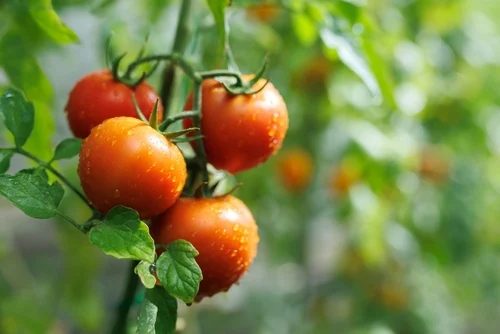
The intersection of horticulture and animal husbandry often presents complex challenges for the modern backyard farmer, particularly regarding the safety of common garden produce. While tomatoes (Solanum lycopene) are a staple in most home gardens and a frequent source of kitchen scraps, their inclusion in a poultry diet requires a nuanced understanding of botanical toxins and avian physiology. As members of the Solanaceae, or nightshade family, tomatoes contain specific glycoalkaloids that can be hazardous to chickens if ingested in the wrong form or quantity. However, when administered correctly, the ripe fruit offers significant nutritional advantages that can bolster flock health.
The Botanical Chemistry of the Nightshade Family
To understand the risks associated with tomatoes, one must examine the chemical defenses inherent in the Solanaceae family. This plant group includes not only tomatoes but also potatoes, eggplants, and peppers. These plants produce secondary metabolites known as glycoalkaloids, primarily solanine and tomatine, which serve as natural pesticides to protect the plant from insects and fungi.

Solanine is a potent neurotoxin found in high concentrations in the green parts of the plant, including the stems, leaves, and any unripe fruit. In chickens, solanine acts as an acetylcholinesterase inhibitor, disrupting the nervous system’s ability to transmit signals properly. Tomatine, while structurally similar to solanine, is specifically found in tomato plants. While it is generally considered less toxic to vertebrates than solanine, it remains a significant gastrointestinal irritant and can cause distress when consumed by poultry, especially in its concentrated form within unripe, green tomatoes.
As a tomato matures, the levels of these glycoalkaloids drop precipitously. The ripening process transforms the chemical profile of the fruit, making the solanine and tomatine levels negligible in deep-red, fully ripe specimens. This chemical transition is the primary reason why ripeness is the most critical factor in determining whether a tomato is safe for avian consumption.
Identifying Symptoms of Glycoalkaloid Poisoning
For poultry keepers, recognizing the clinical signs of toxicity is essential for timely intervention. Because chickens are relatively small animals, even moderate amounts of toxins can have a rapid effect on their metabolic processes.

Symptoms of solanine poisoning in chickens are often systemic and severe. Observations may include a noticeably slowed pulse, which indicates a depressed central nervous system. Gastrointestinal distress is common, manifesting as severe diarrhea or vomiting. In advanced cases, chickens may exhibit a lowered body temperature (hypothermia) and visible abdominal pain, often characterized by the bird standing in a hunched position with ruffled feathers.
Tomatine poisoning, while often less lethal, presents its own set of challenges. The primary symptoms include acute nausea, abdominal cramps, and diarrhea. While a healthy adult bird might recover from mild tomatine exposure, the dehydration resulting from diarrhea can be fatal if not managed, particularly in warmer climates where birds are already prone to heat stress.
Nutritional Profile and Health Benefits of Ripe Tomatoes
Despite the inherent risks of the green plant parts, the ripe fruit of the tomato is a nutritional powerhouse. For a flock of chickens, ripe tomatoes provide a variety of essential micronutrients that support long-term vitality and egg production.

- Antioxidants and Lycopene: Tomatoes are the primary dietary source of the antioxidant lycopene, which has been linked to improved immune function in poultry. Lycopene helps neutralize free radicals, potentially reducing the oxidative stress that can occur during high-production cycles or environmental changes.
- Essential Vitamins: Tomatoes are rich in Vitamin A, which is crucial for maintaining the health of the respiratory tract and the lining of the digestive system. They also provide Vitamin C, an immune booster, and Vitamin K, which is essential for proper blood clotting and bone health.
- Potassium and Carotenoids: Potassium supports heart health and fluid balance within the bird’s body. Meanwhile, the carotenoids found in tomatoes can contribute to the pigmentation of egg yolks, often resulting in the deep orange color that many consumers associate with high-quality, farm-fresh eggs.
- Hydration: With a high water content, tomatoes serve as an excellent hydrating snack during the summer months, helping birds maintain their core temperature through evaporation and respiratory cooling.
The 10 Percent Rule: Implementing Dietary Moderation
Agricultural experts and avian nutritionists generally agree on the "10 Percent Rule" for supplemental feeding. This guideline dictates that treats, including fruits, vegetables, and grains not found in fortified commercial feed, should comprise no more than 10% of a chicken’s total daily caloric intake.
For an average-sized laying hen, this translates to approximately one to two tablespoons of supplemental food per day. Overfeeding tomatoes, even ripe ones, can lead to a nutritional imbalance. Commercial poultry feeds are scientifically formulated to provide a precise ratio of protein, calcium, and phosphorus. When chickens fill up on watery fruits like tomatoes, they may consume less of their balanced feed, leading to thinner eggshells or reduced growth rates over time.
Furthermore, the age and health status of the bird are paramount. Baby chicks, with their developing digestive systems and smaller body masses, are significantly more susceptible to toxins. Experts advise against feeding any part of the tomato plant or fruit to chicks. Similarly, elderly birds or those with compromised immune systems should be monitored closely, as their ability to process even trace amounts of glycoalkaloids is diminished.

Chronology of Plant Growth and Feeding Safety
Managing a garden alongside a chicken coop requires a seasonal strategy to ensure no accidental ingestion of toxic materials occurs.
- Spring/Early Summer (The Growth Phase): During this period, tomato plants are rapidly producing vines, leaves, and small green fruits. This is the most dangerous time for chickens. Flocks should be fenced away from garden beds to prevent them from foraging on the highly toxic stems and leaves.
- Mid-Summer (The Ripening Phase): As fruit begins to set, keepers must be vigilant about "windfalls" or low-hanging green tomatoes. Chickens are opportunistic foragers and will peck at anything within reach. It is vital to harvest green tomatoes for ripening indoors or ensure they are out of the birds’ reach.
- Late Summer/Autumn (The Harvest Phase): This is the window where tomatoes are safest. Split or overripe tomatoes that are no longer suitable for human consumption can be fed to the flock, provided they are deep red and free of mold.
- Post-Harvest (The Cleanup Phase): Once the growing season ends, the remaining tomato vines and root systems should be removed from the area and composted in a location inaccessible to the chickens. Leaving dead vines in the run is a common mistake that can lead to late-season poisoning.
Expert Perspectives and Industry Standards
Veterinary toxicology reports frequently highlight the Solanaceae family as a common cause of accidental poisoning in backyard livestock. While large-scale commercial poultry operations rarely encounter this issue due to strictly controlled environments, the rise of the "pasture-raised" and "backyard" movements has reintroduced these botanical risks into the poultry management conversation.
Agricultural extension offices, such as those associated with major land-grant universities, emphasize the importance of "controlled treats." Their analysis suggests that while the occasional ripe tomato is a beneficial supplement, the primary danger lies in the lack of physical barriers between the flock and the garden. Most reported cases of solanine poisoning in poultry occur not from intentional feeding by the owner, but from chickens escaping into a garden and consuming the foliage of the plants.

Broader Implications for Flock Management and Food Safety
The discussion regarding tomatoes and chickens extends beyond simple animal welfare; it touches upon the broader implications of food safety and sustainable agriculture. Healthy chickens produce healthy eggs. By ensuring that a flock is not exposed to neurotoxins like solanine, keepers are protecting the integrity of the food chain.
Furthermore, the practice of feeding garden scraps is a cornerstone of the circular economy in small-scale farming. It reduces waste and converts biomass into high-quality protein. However, this practice must be underpinned by botanical knowledge. The "safe" use of tomatoes serves as a case study for other garden produce. For instance, while the flesh of an avocado is safe for humans, the skin and pit contain persin, which is toxic to birds. Similarly, dried beans contain phytohaemagglutinin, which is lethal to poultry unless cooked.
In conclusion, the relationship between chickens and tomatoes is one of "cautious benefit." By strictly avoiding the green elements of the plant—the leaves, stems, and unripe fruit—and adhering to the principles of moderation and ripeness, poultry keepers can safely incorporate this garden favorite into their birds’ diet. This balanced approach ensures that the flock enjoys the antioxidant and vitamin-rich benefits of the fruit while remaining protected from the potent chemical defenses of the nightshade family. Proper management, physical barriers in the garden, and a disciplined feeding schedule remain the best tools for maintaining a healthy, thriving backyard flock.
