

Saskatchewan’s vast prairie landscape serves as a critical corridor for avian migration, a fact recently underscored by an eight-day intensive birding expedition that spanned from the provincial capital of Regina to the high-altitude forests of Cypress Hills Interprovincial Park. The journey, which concluded with a cumulative tally of 150 distinct bird species, highlighted the ecological importance of the Canadian prairies during the spring season. As the region experiences a transition from winter dormancy to a vibrant breeding period, the diversity of habitats—ranging from alkaline shorelines to deep coulees and lodgepole pine forests—offers a unique opportunity for ornithological study and eco-tourism.
Regional Ecological Context and Conservation Significance
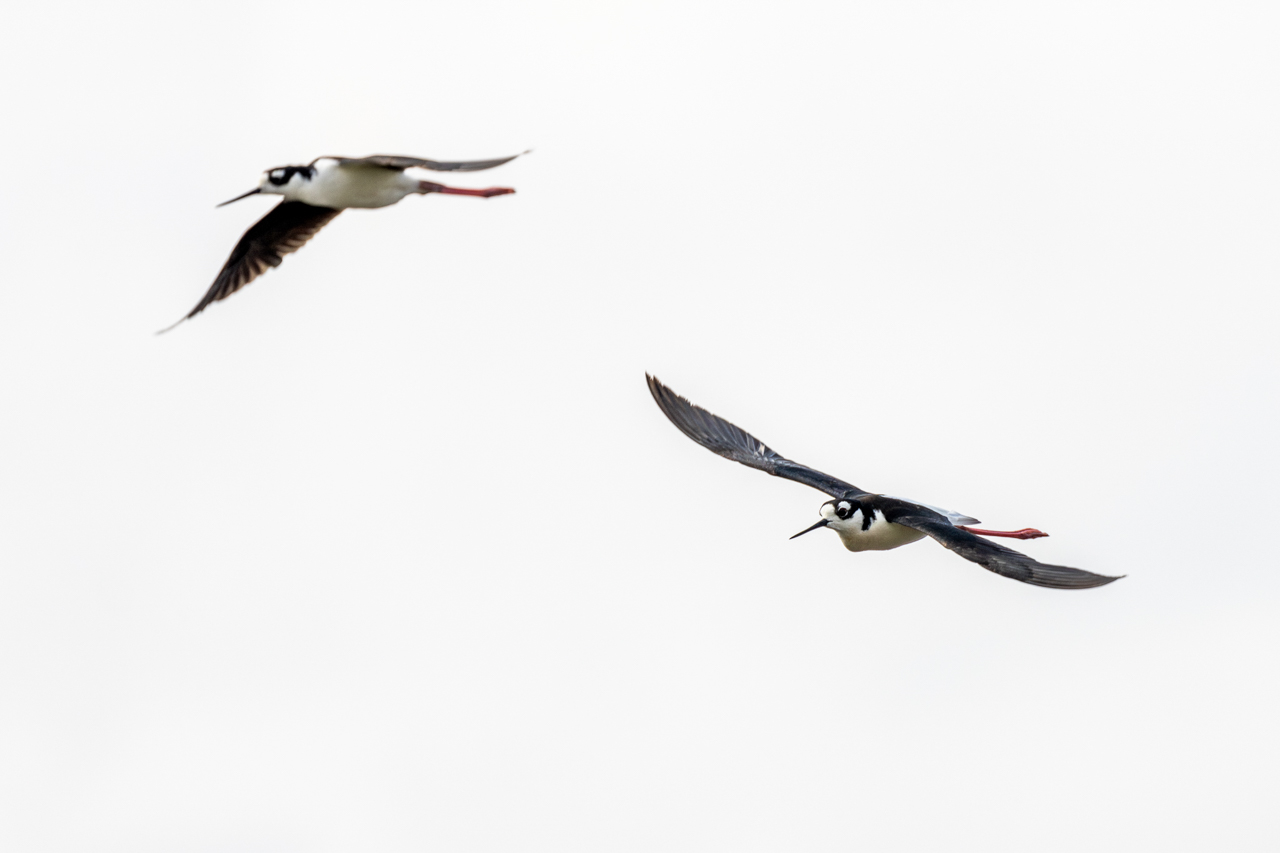
The expedition traversed some of North America’s most sensitive and productive ecosystems. Central to this journey was the exploration of the Western Hemispheric Shorebird Reserve Network (WHSRN) sites, specifically Chaplin and Reed Lakes. These alkaline water bodies are essential stopover points for shorebirds migrating from South and Central America to their Arctic breeding grounds. According to conservation data, these sites can host nearly half of the world’s population of Sanderlings during the peak of spring migration, alongside significant numbers of Piping Plovers, a species currently listed as endangered in Canada.
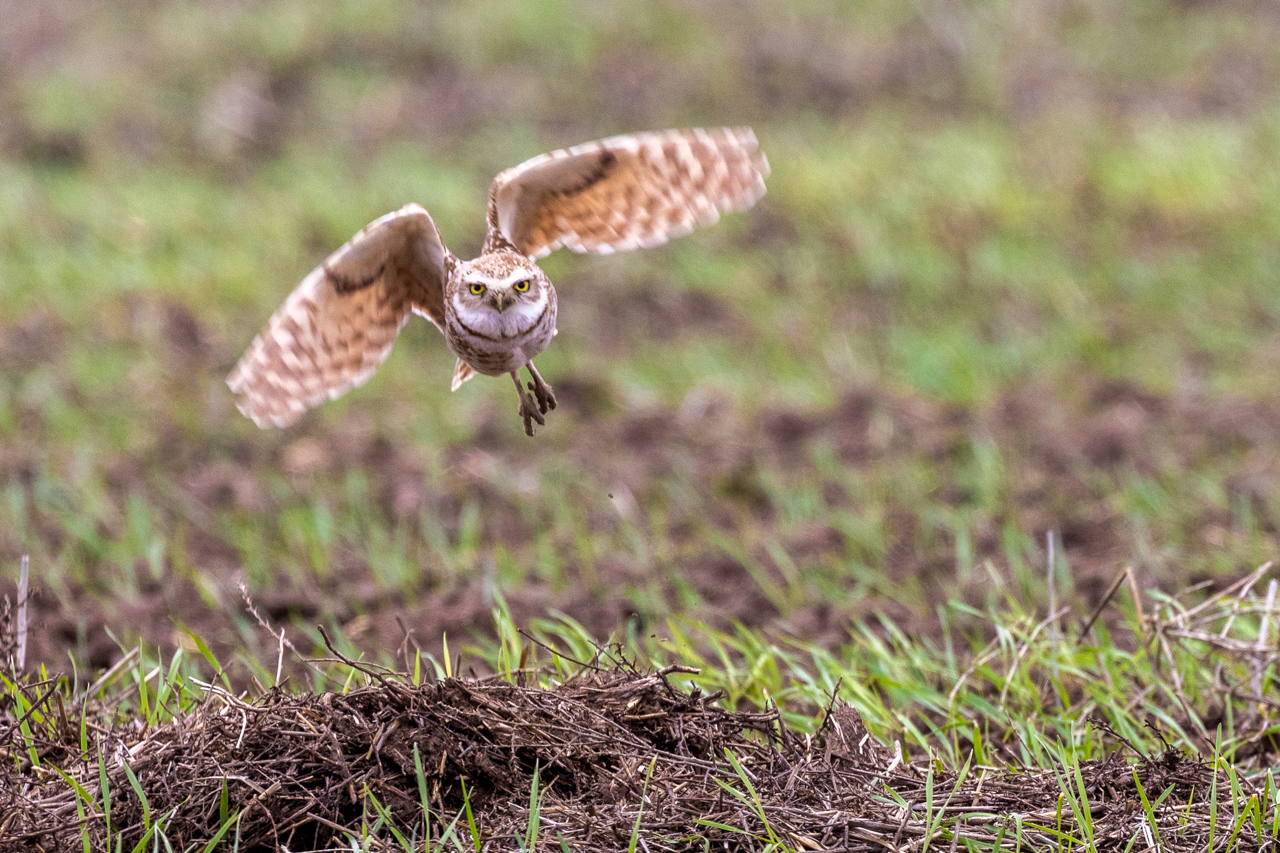
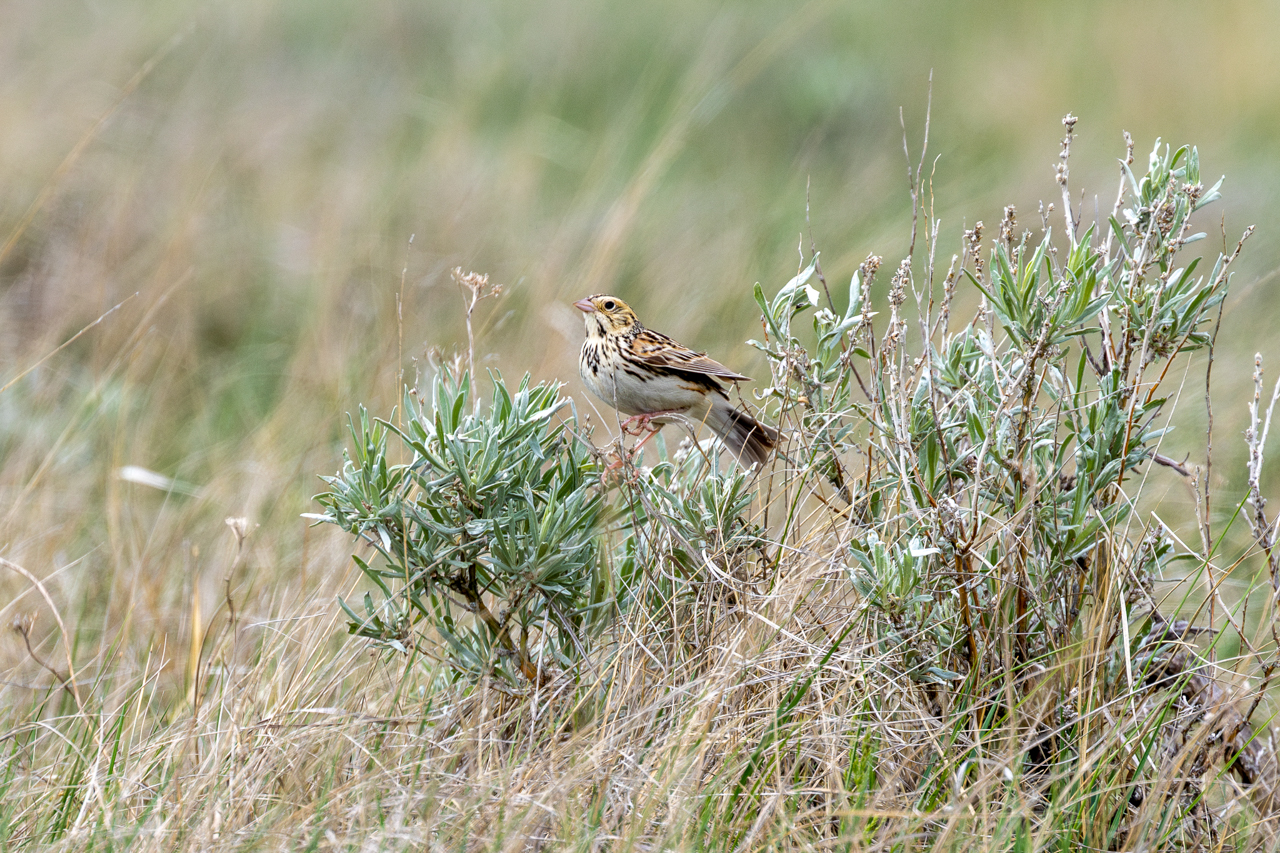
Furthermore, the itinerary focused heavily on the mixed-grass prairie of Grasslands National Park. This park represents one of the last remaining tracts of undisturbed native prairie in North America. The survival of several "at-risk" species, including the Burrowing Owl and the Sprague’s Pipit, is inextricably linked to the preservation of this specific habitat. The presence of these birds, as documented by the expedition, serves as a vital indicator of the overall health of the prairie ecosystem.
Chronology of the Expedition
Phase I: The Shorebird Corridor (Days 1–2)
The journey commenced in Regina, where initial observations at Wascana Lake provided immediate results. The urban sanctuary served as an introductory site for waterfowl, including the Western Grebe and the more elusive Clark’s Grebe. The latter is a significant find in Saskatchewan, often requiring high-powered optics to distinguish from its more common counterparts.
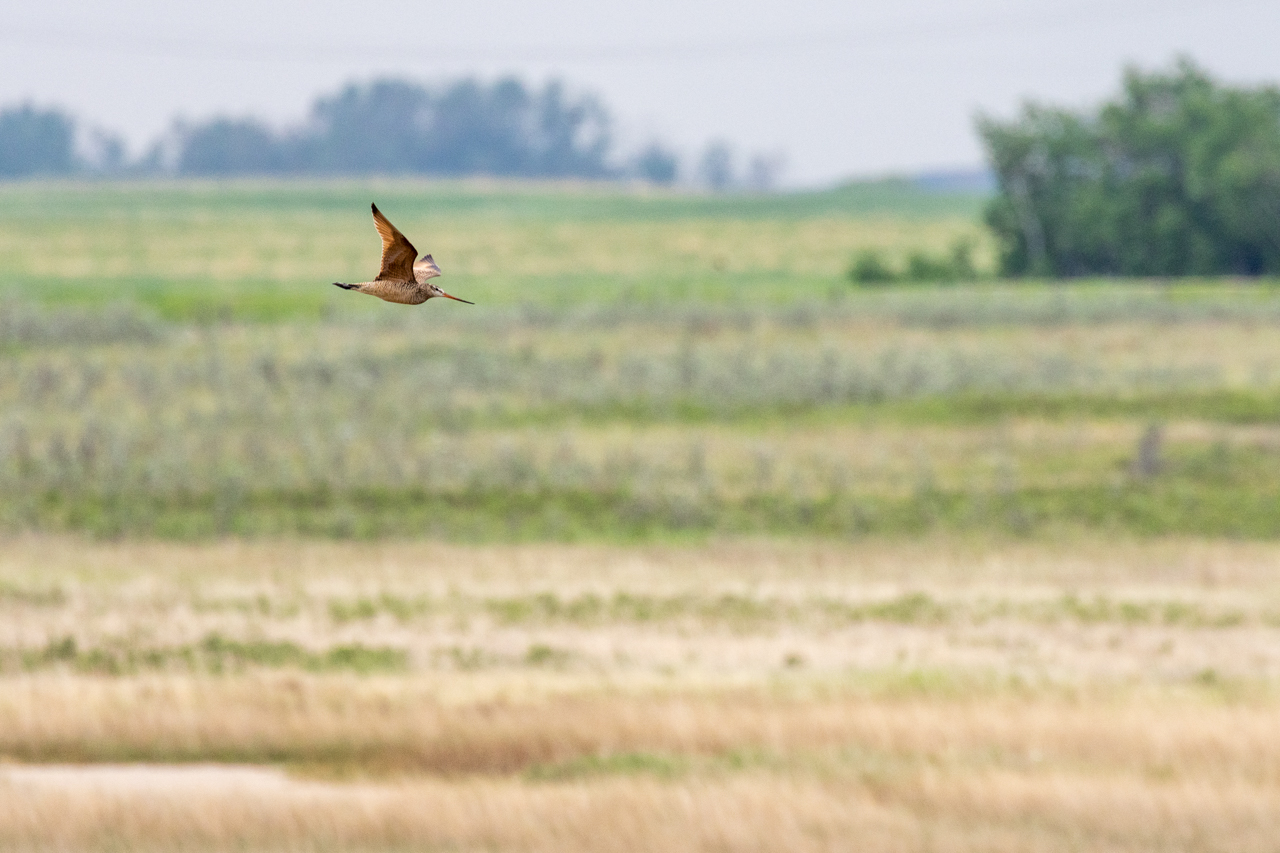
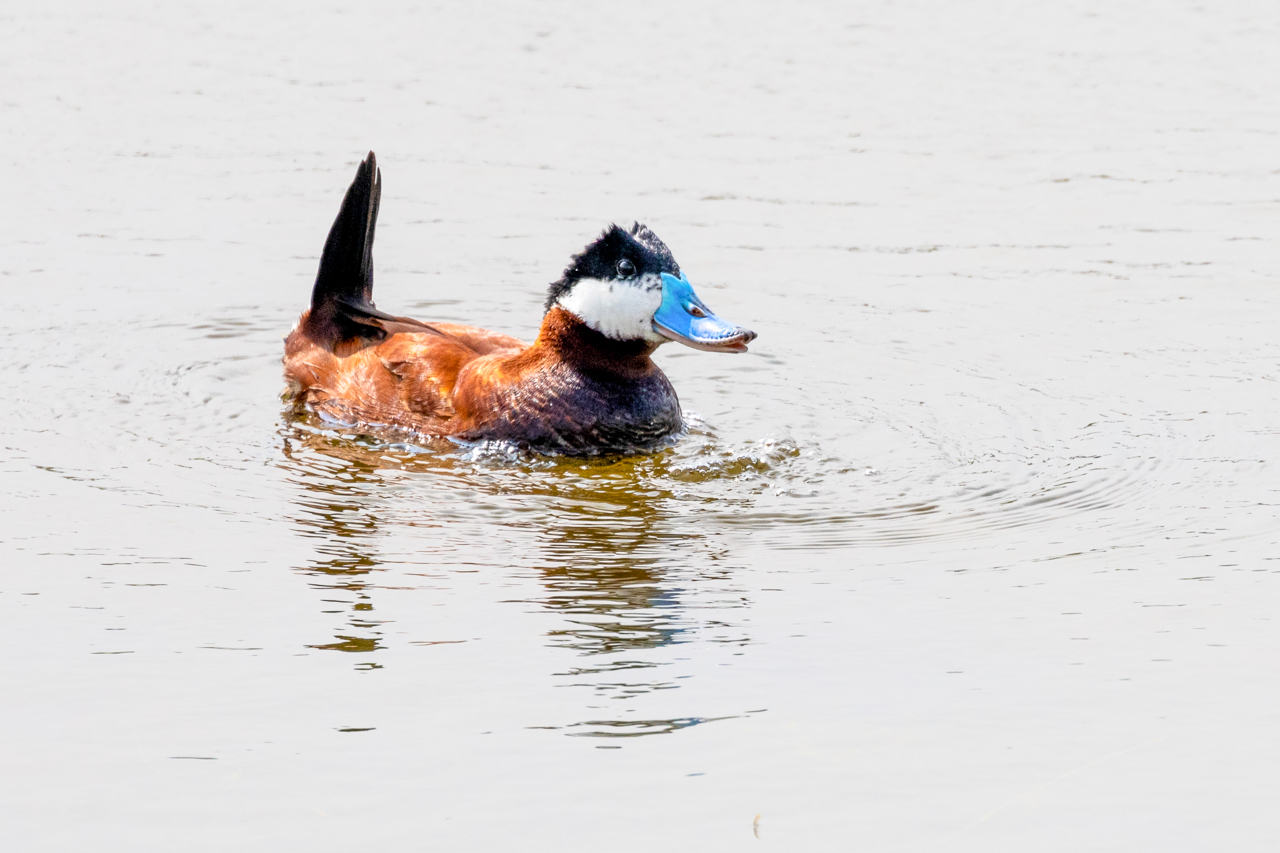
On the second day, the group moved toward Chaplin Lake. Guided by local experts from the Chaplin Nature Centre, the expedition accessed restricted areas of alkaline flats. The observations were dominated by shorebirds: Piping Plovers, Marbled Godwits, and both Red-necked and Wilson’s Phalaropes. The group also documented the Upland Sandpiper, a bird known for its preference for the surrounding native grasslands. The day concluded at Reed Lake, where observers estimated shorebird populations in the tens of thousands, including massive flocks of Sanderlings, Stilt Sandpipers, and Semipalmated Sandpipers.
Phase II: The Grassland Specialties (Days 3–5)
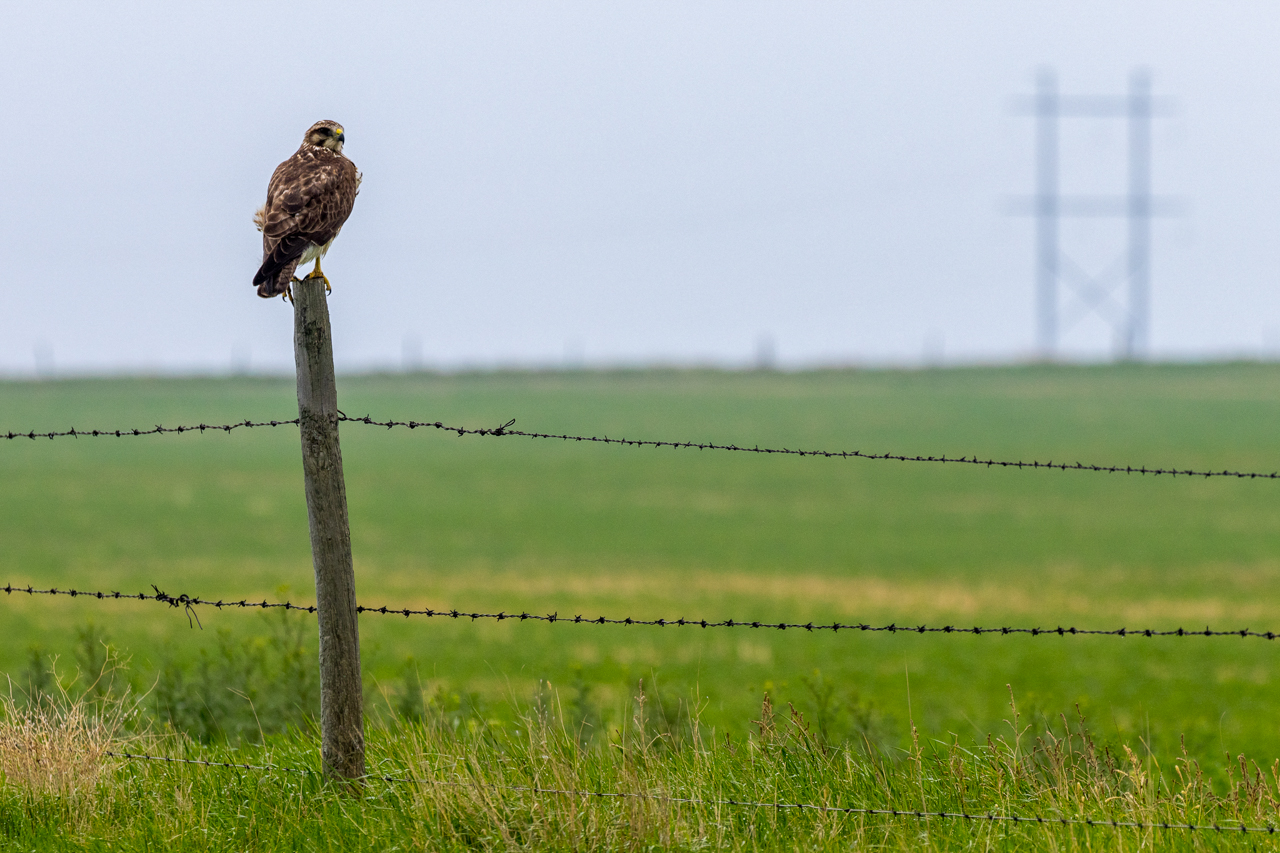
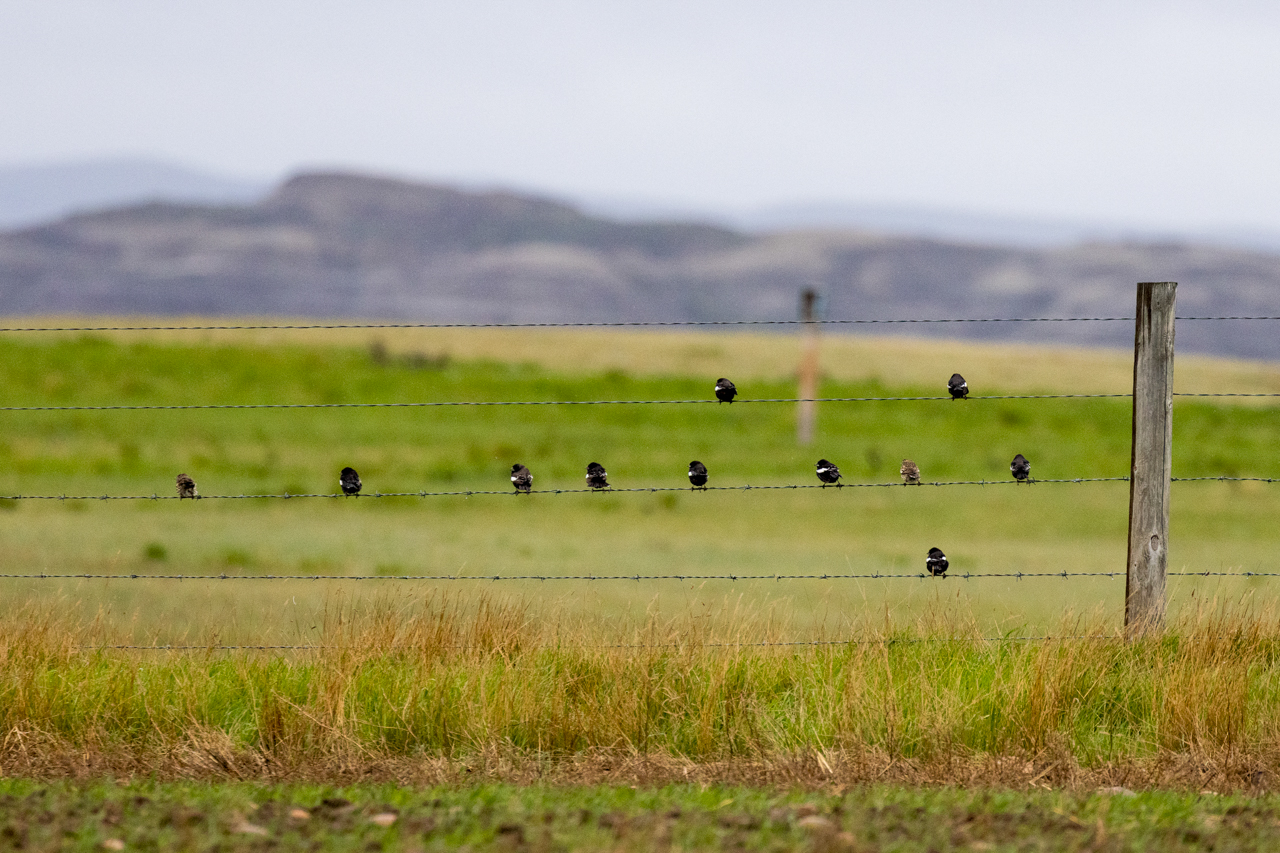
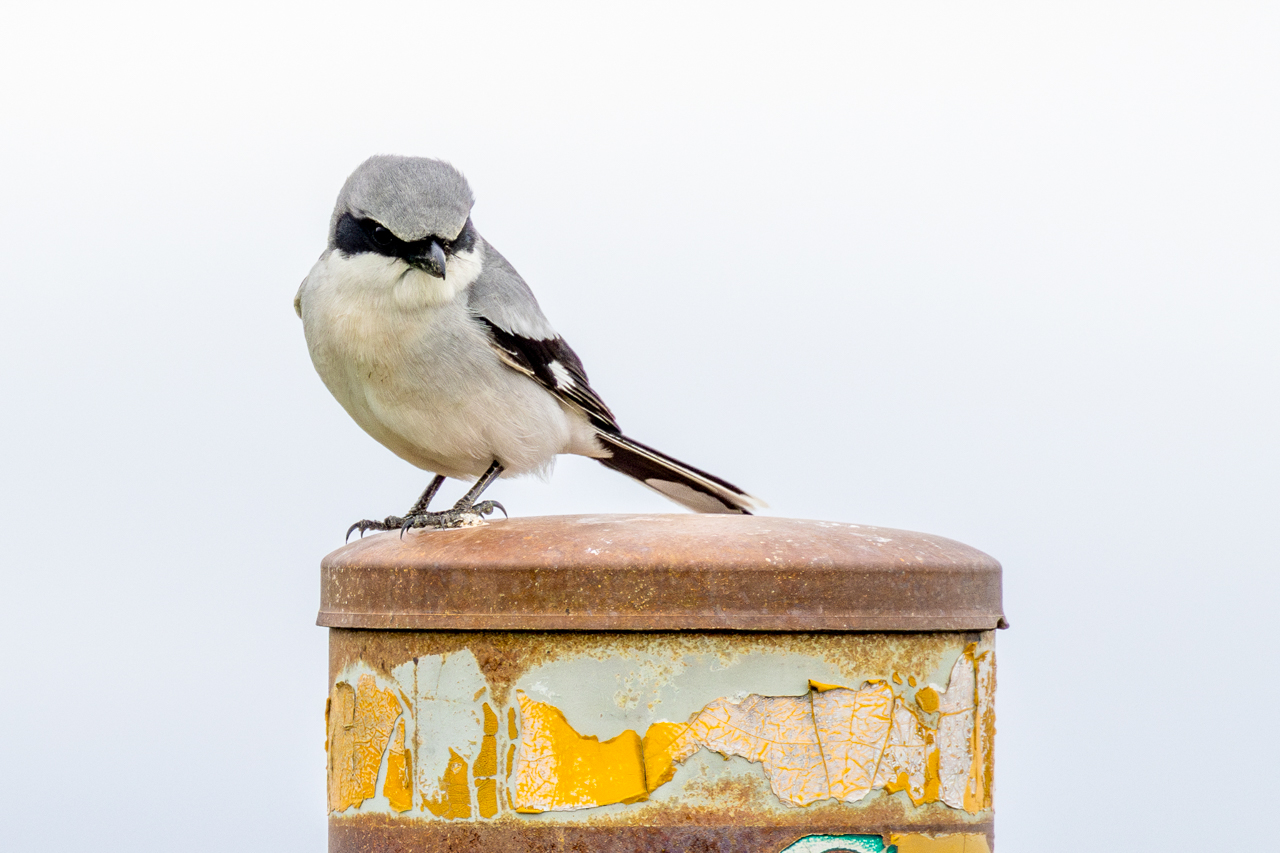
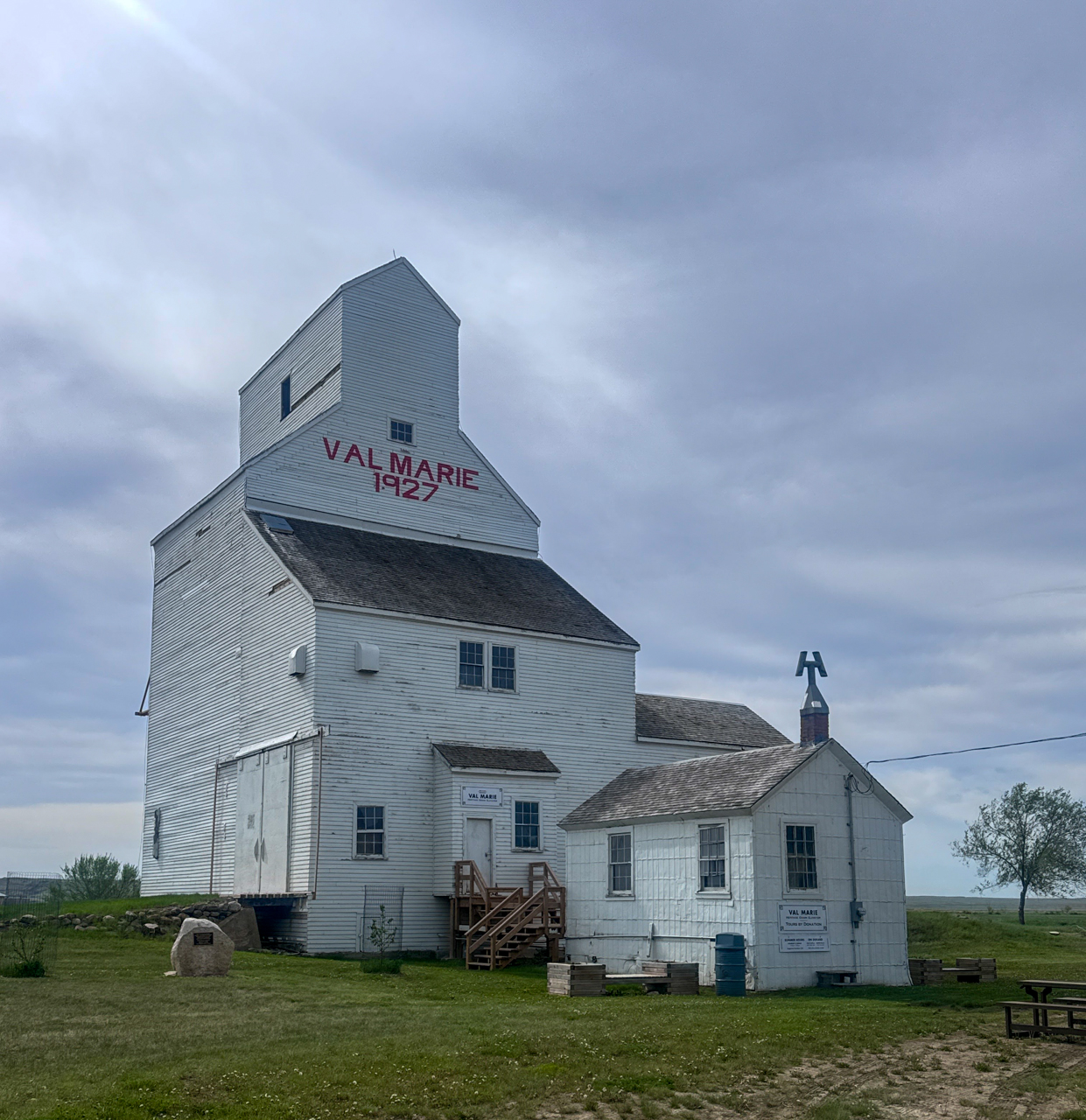
Transitioning south toward Val Marie, the expedition entered the Frenchman River Valley within Grasslands National Park. This phase of the trip shifted focus from shorebirds to grassland obligates and raptors. Field observations included the Loggerhead Shrike—a predatory songbird known for impaling prey on thorns or barbed wire—and the Swainson’s Hawk.
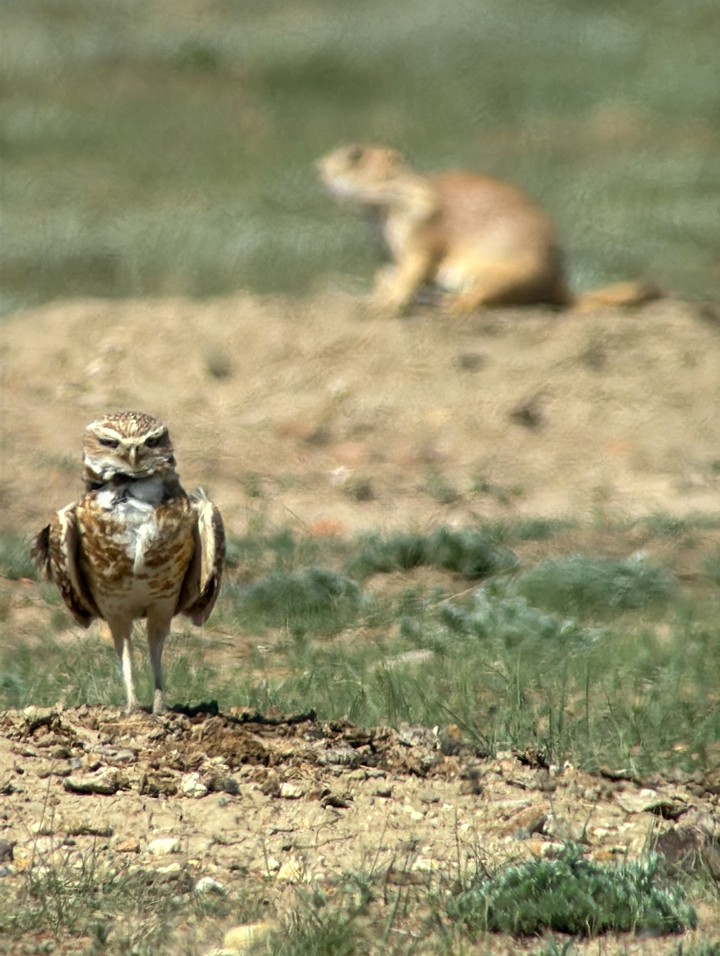
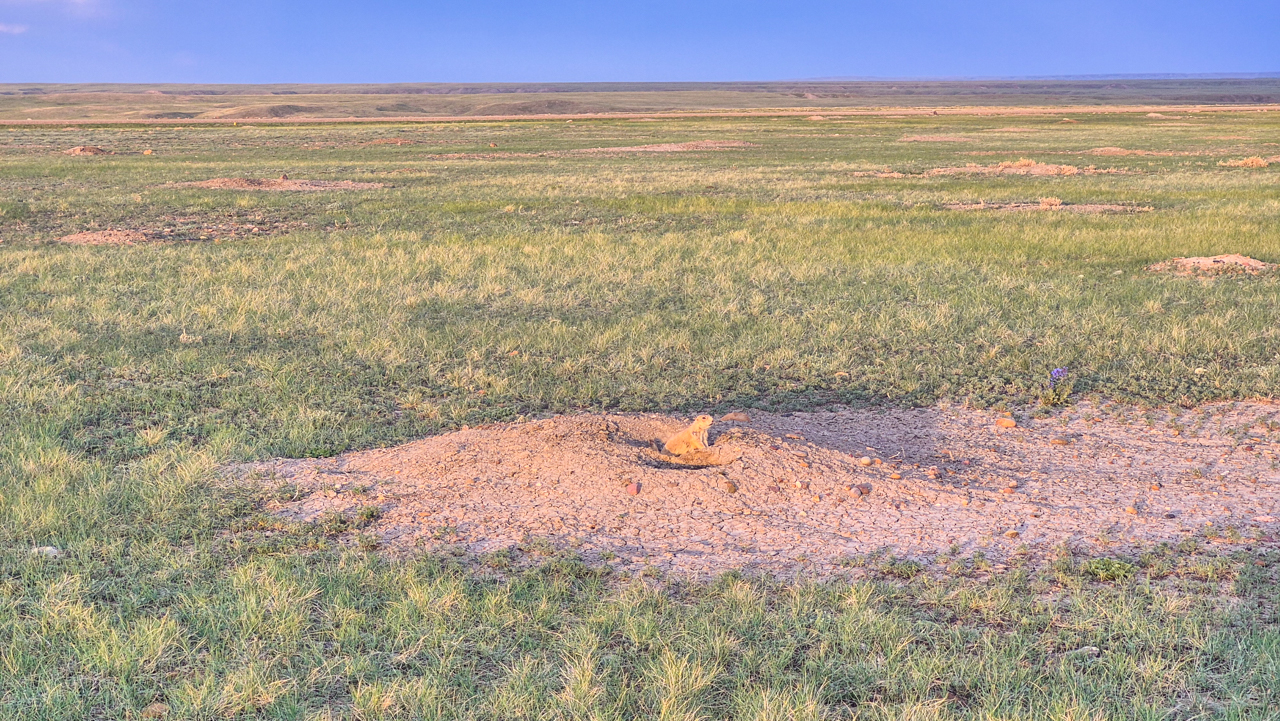
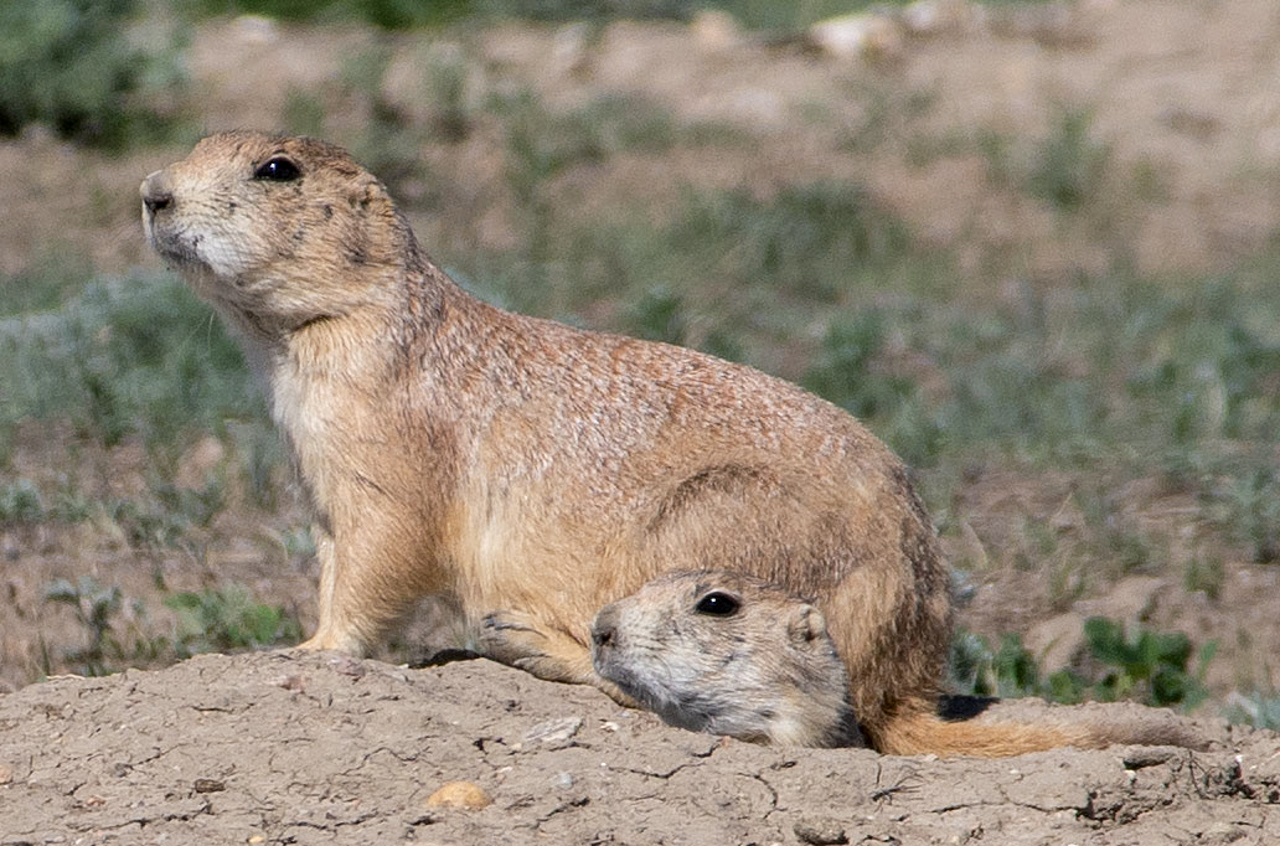
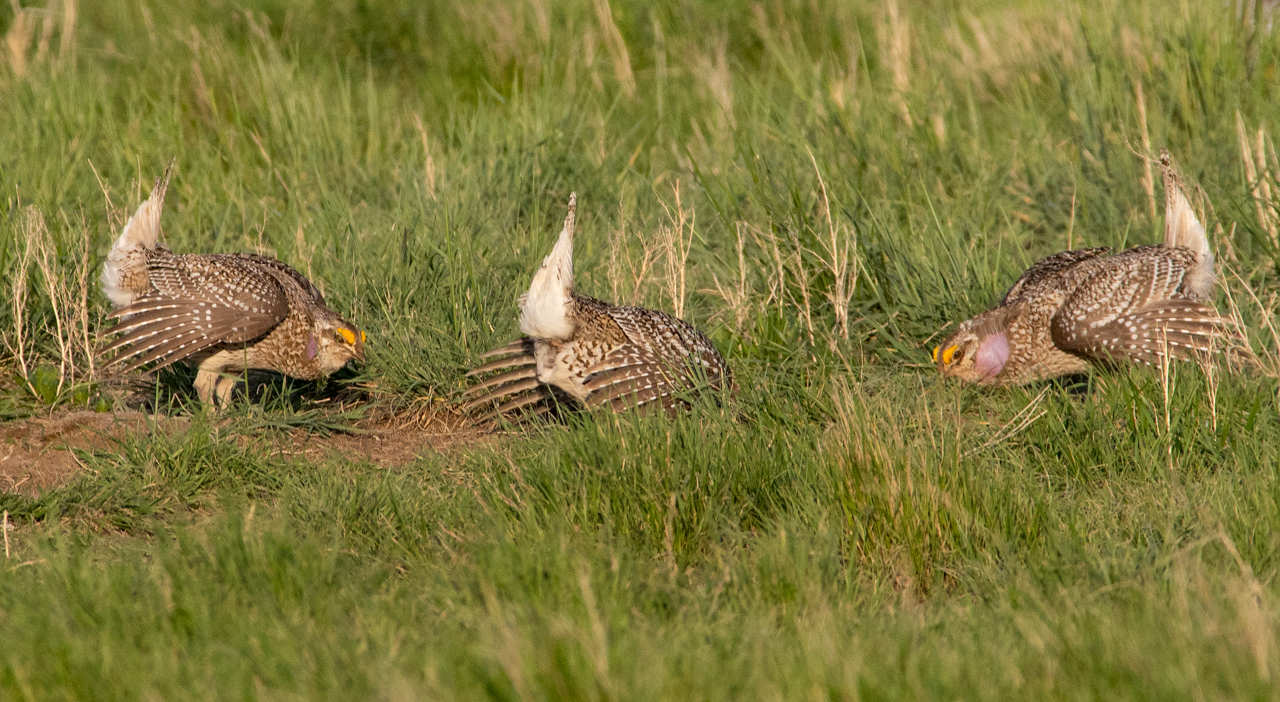
A primary highlight occurred on the fourth day with a 5:00 a.m. arrival at a Sharp-tailed Grouse lek. The lek, a communal display ground where males perform elaborate courtship dances, featured over twenty birds. Such displays are critical for the reproductive success of the species and are a hallmark of the spring prairie season. The group also documented the symbiotic relationship between Burrowing Owls and Black-tailed Prairie Dogs; the owls utilize abandoned prairie dog burrows for nesting, a behavior that makes them highly vulnerable to habitat fragmentation.
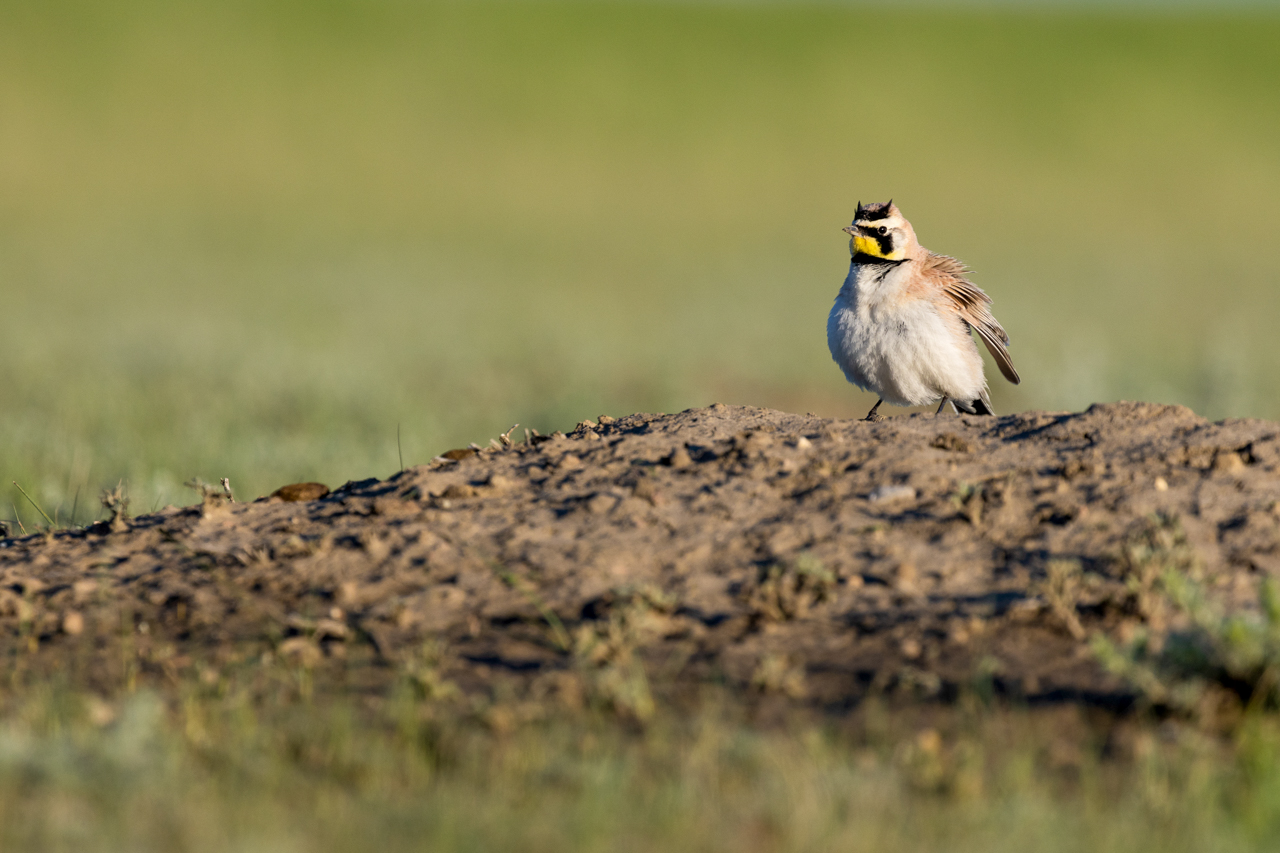
The expedition also visited the Old Man on his Back Nature Conservancy of Canada (NCC) property. This site provided successful sightings of the Thick-billed Longspur, a species that has seen significant population declines due to the loss of short-grass prairie.
Phase III: The Cypress Hills Oasis (Days 6–8)
The final segment of the journey took place in Cypress Hills Interprovincial Park. Rising over 600 meters above the surrounding plains, the hills represent an "ecological island." Because the plateau was not covered by the Wisconsin Glacier, it retains flora and fauna more typical of the Rocky Mountains than the surrounding prairies.
In this cooler, forested environment, the bird list expanded to include montane and boreal species. Observations included the Red-naped Sapsucker, MacGillivray’s Warbler, and the Pink-sided subspecies of the Dark-eyed Junco. The transition from the open, arid plains to the lush, pine-scented hills provided a stark contrast in biodiversity, allowing the group to record forest-dwelling species like the Brown Creeper and the Ovenbird.
Detailed Wildlife Observations and Data Collection
While the primary objective was ornithological, the expedition recorded a wide array of mammalian and herpetological data, contributing to a broader understanding of the region’s current biodiversity.
Mammalian Species Recorded:
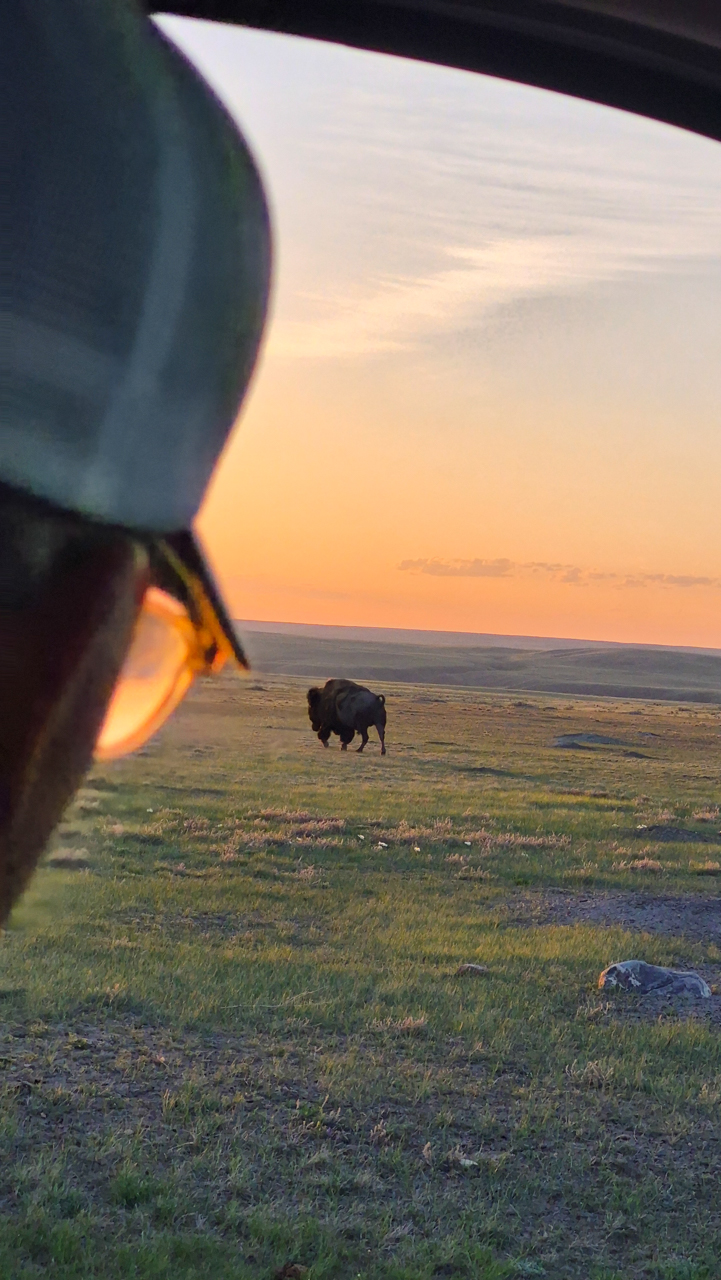
- Ungulates: Pronghorn, Mule Deer, White-tailed Deer, Moose, and Plains Bison (the latter being part of a successful reintroduction program in Grasslands National Park).
- Predators: American Badger, Coyote, Red Fox, and the endangered Swift Fox.
- Rodents and Others: Black-tailed Prairie Dog, Richardson’s Ground Squirrel, Thirteen-lined Ground Squirrel, White-tailed Jackrabbit, and Muskrat.
Herpetological Observations:
The group identified the Boreal Chorus Frog and the Northern Leopard Frog, both of which are key indicators of wetland health. Additionally, sightings of the Plains Garter Snake and the Canadian Toad were documented.
Scientific and Economic Implications
The success of this expedition reflects a growing trend in eco-tourism that prioritizes "slow travel" and deep ecological engagement. For rural communities like Val Marie, Eastend, and Maple Creek, birding tourism provides a significant seasonal economic boost. Establishments such as the Harvest Eatery in Shaunavon and various local hotels rely on the influx of naturalists who visit the province specifically for the spring migration and the grouse leks.
From a scientific perspective, the documentation of 150 species across 40 distinct checklists provides valuable "citizen science" data. When uploaded to global databases like eBird, these sightings help ornithologists track migration timing, population shifts, and the impact of climate change on breeding cycles. The observation of Sprague’s Pipits—a species that sings while flying at such heights they are often invisible to the naked eye—highlights the necessity of auditory identification skills in modern field biology.
Broader Conservation Outlook
The expedition’s findings reinforce the necessity of cross-jurisdictional conservation efforts. The birds observed in Saskatchewan are migratory international travelers; a Piping Plover seen at Chaplin Lake may spend its winter on the Gulf Coast of Texas, while a Sanderling at Reed Lake is en route to the high Arctic.
Environmental analysts suggest that the preservation of Saskatchewan’s "Great Salt Lakes" and its remaining native prairie is not merely a local concern but a continental priority. Habitat loss remains the primary threat to grassland birds, which are among the fastest-declining avian cohorts in North America. The presence of 150 species over an eight-day period is a testament to the resilience of these ecosystems, yet it also serves as a reminder of the fragility of the migratory chain.
As the group concluded their journey in Regina, the consensus among the participants and the guide was clear: Saskatchewan remains an underrated gem in the global birding community. The combination of rare species, accessible public lands, and the sheer scale of the spring migration makes the Regina-to-Cypress Hills corridor a vital area for ongoing environmental monitoring and conservation-focused tourism. The data gathered during this eight-day window offers a snapshot of a landscape in flux, teeming with life and demanding continued protection for future generations of both birds and observers.
