
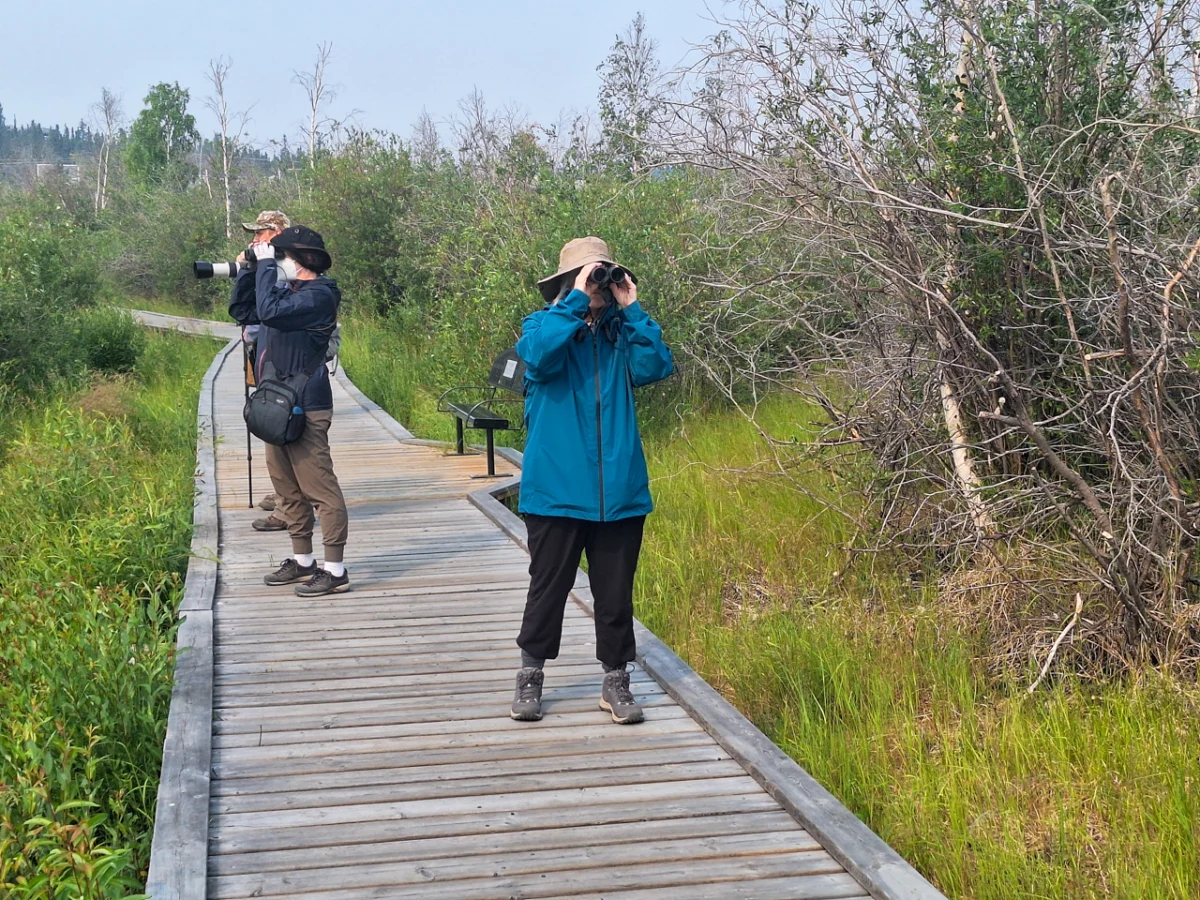
On July 3rd, an expeditionary group departed from a suburb near Edmonton, Alberta, embarking on a 2,000-kilometer scientific and observational journey that spanned the continent’s most distinct biomes: the vast grasslands of the prairies, the dense expanse of the boreal forest, and the fragile, high-latitude reaches of the arctic tundra. This 10-day expedition was designed to document the current state of Canada’s biodiversity while analyzing the tangible, accelerating impacts of climate disruption on remote ecosystems. As the Arctic shifts from a peripheral region to a focal point of global geopolitical and environmental concern, the observations gathered during this trip provide a sobering look at the resilience and vulnerability of northern wildlife.
The Prairie Mosaic: Biodiversity Under Pressure
The journey commenced at Beaverhill Lake, located east of Edmonton. This site, designated an Important Bird Area (IBA) by BirdLife International, serves as a critical stopover for migratory species. The region is a complex mosaic of managed wetlands, meadows, and woodlands, which have become increasingly vital as surrounding land is converted for agricultural use.
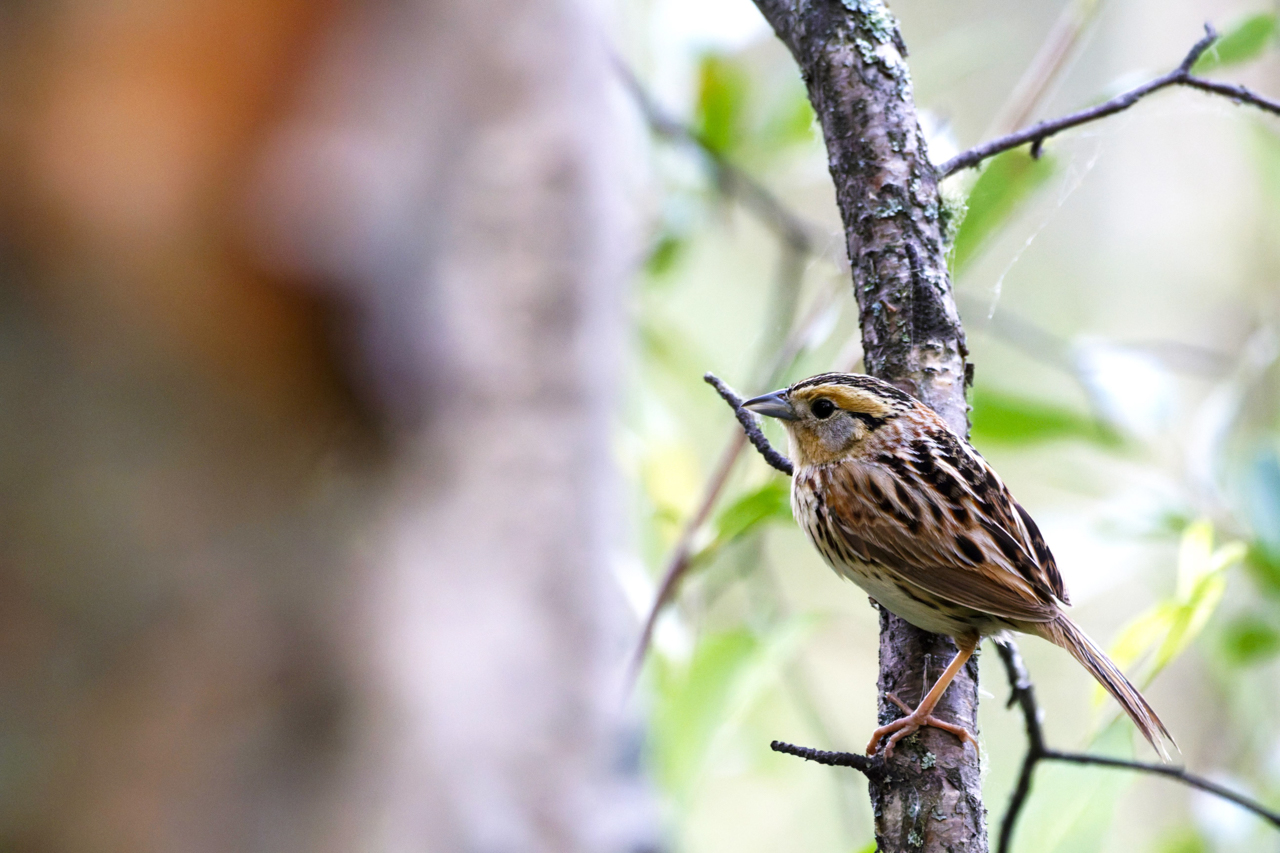
Upon arrival, the team assessed reports of insect swarms linked to recent regional flooding. While the insect activity was pronounced, the primary focus remained on the avian population. The site yielded sightings of the Common Yellowthroat, Eastern Kingbird, and the elusive Sedge Wren. Of particular note was the presence of the Black-billed Cuckoo. Beaverhill Lake marks the easternmost edge of the species’ range, making its presence a significant indicator of shifting ecological boundaries.
The team also cataloged iconic prairie species, including Yellow-headed Blackbirds, Eared Grebes, American Avocets, and Black-necked Stilts. In the nearby grazing fields, the display of Bobolinks—a species currently experiencing significant population decline across North America—underscored the importance of private land conservation. Further efforts at Francis Point focused on the Sprague’s Pipit, another species in sharp decline. The presence of these birds in the Albertan lowlands serves as a testament to the efficacy of habitat preservation initiatives led by local landowners and environmental NGOs.
Elk Island and the Boreal Transition
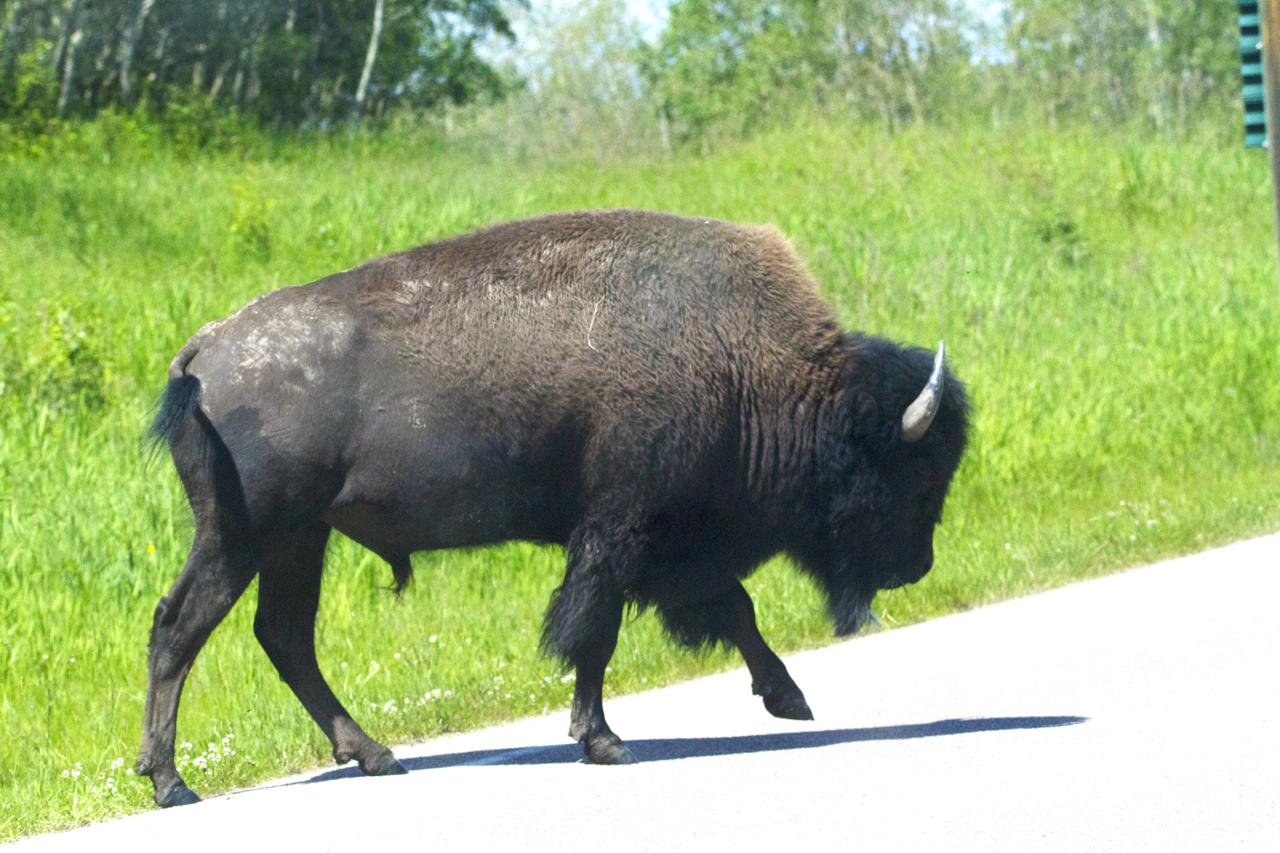
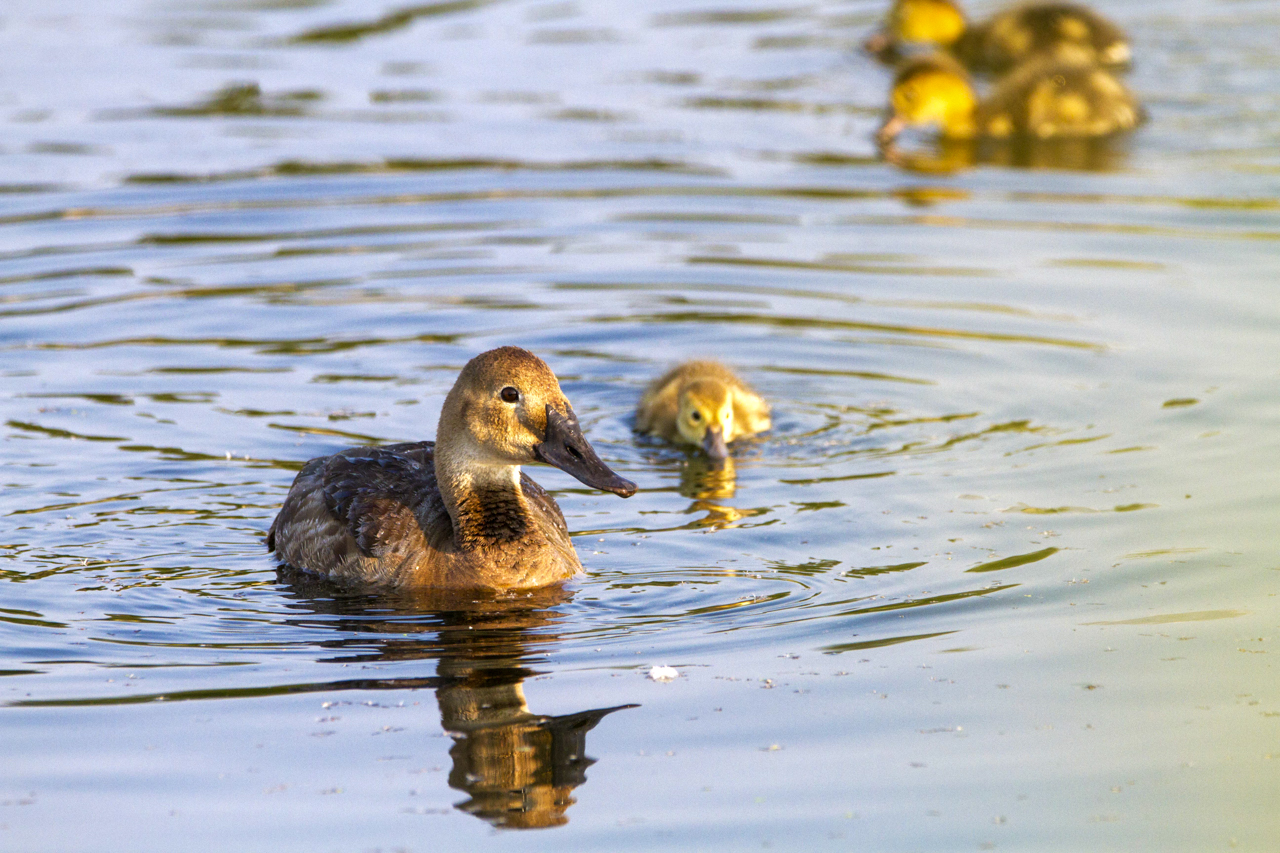
Continuing west, the expedition reached Elk Island National Park, a UNESCO-designated Biosphere Reserve. The park acts as a vital transition zone between boreal forest and prairie ecosystems. The most notable biological success story here remains the Wood Bison. Reintroduced over a century ago to prevent extinction, the population has successfully stabilized.
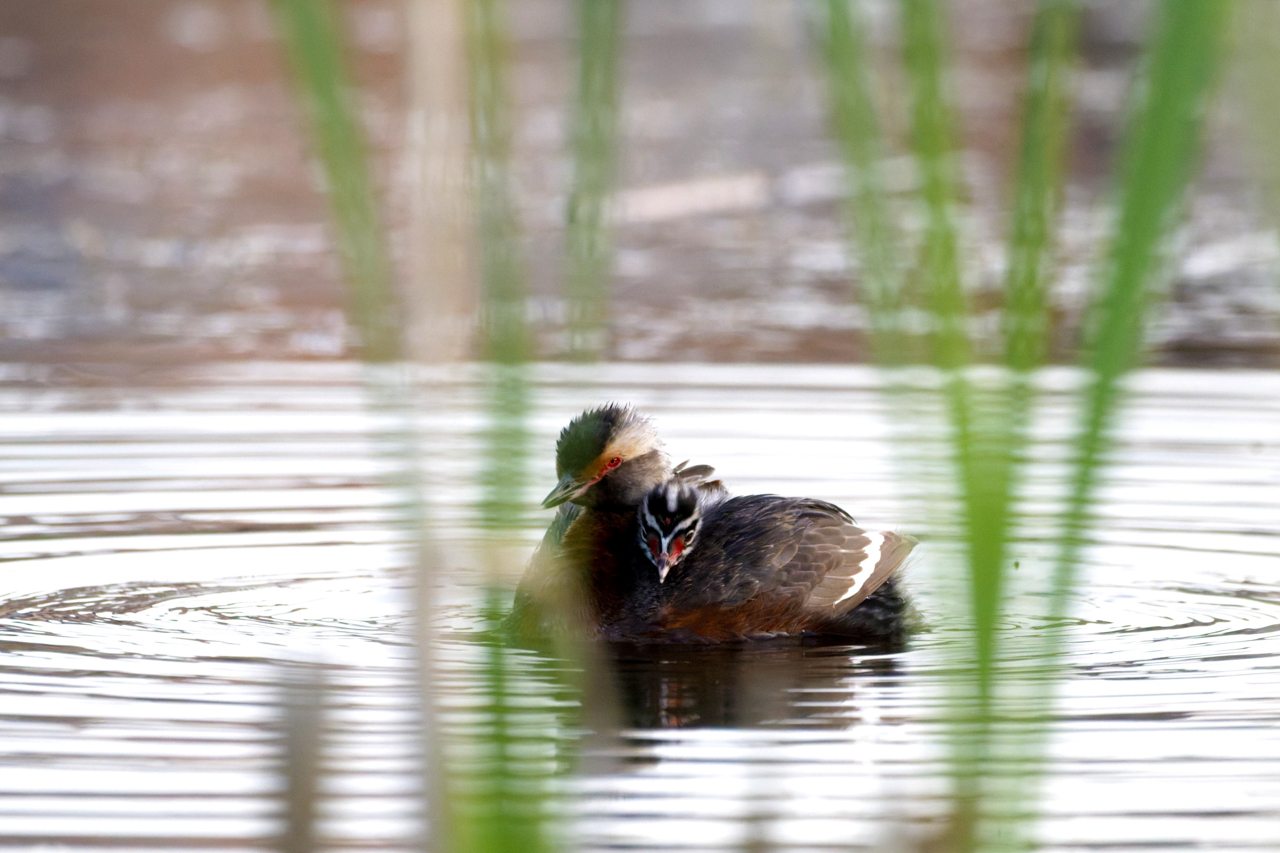
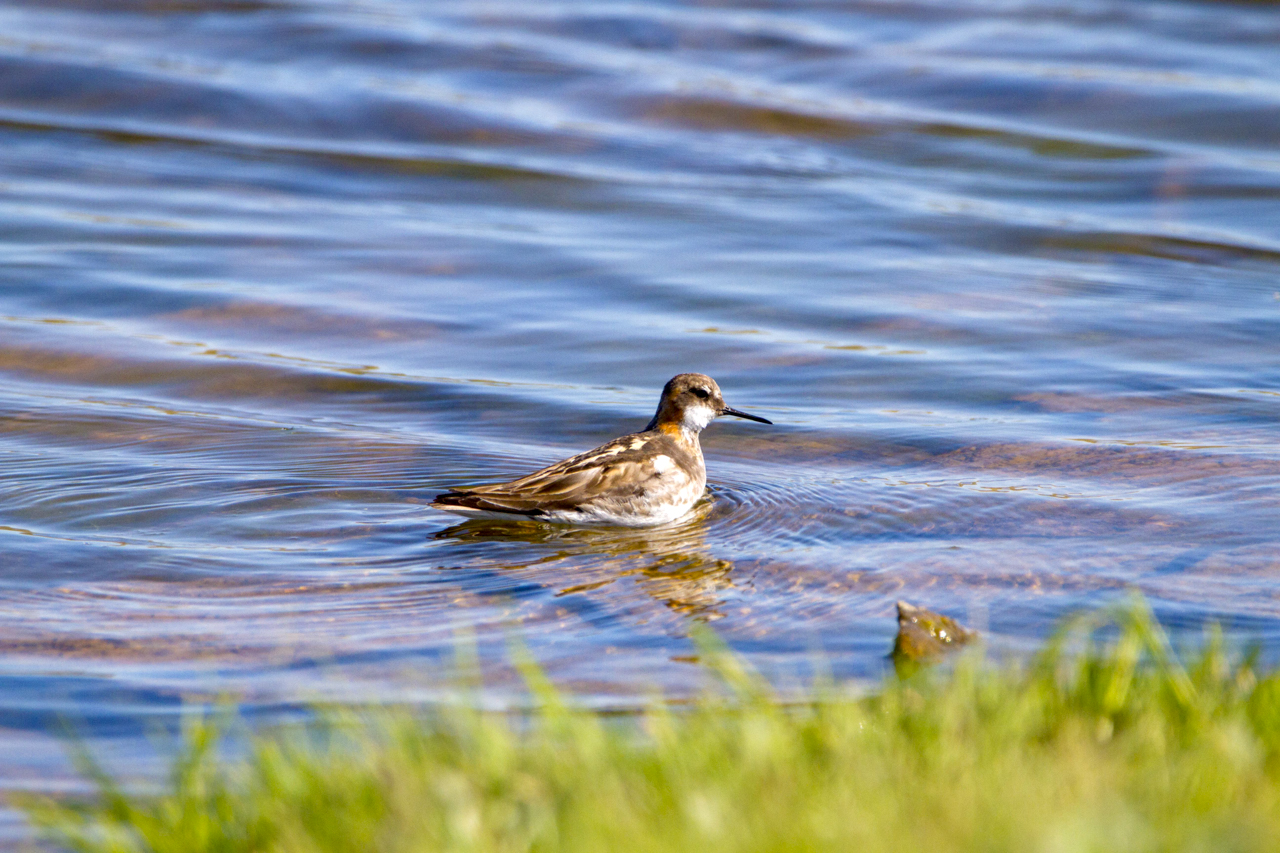
However, the park’s health is currently challenged by external factors. Observers noted a widespread infestation of Tent Caterpillars, which have denuded vast swaths of the forest canopy. This ecological stressor, exacerbated by shifting climate patterns that allow for more successful overwintering of pests, provides a clear case study in how boreal forests are struggling to maintain equilibrium. Despite the damage, the park remains a sanctuary for avian life, with observations of Red-necked Grebes successfully rearing young in the park’s interior lakes.
The Northern Frontier: Yellowknife and the Great Slave Lake
On the morning of the second leg, the group transitioned to Yellowknife, Northwest Territories. Upon arrival, the atmospheric impact of regional wildfires was immediately evident. Thick layers of smoke persisted, creating a hazy horizon—a recurring reality for northern communities as fire seasons become longer and more intense due to climate change.
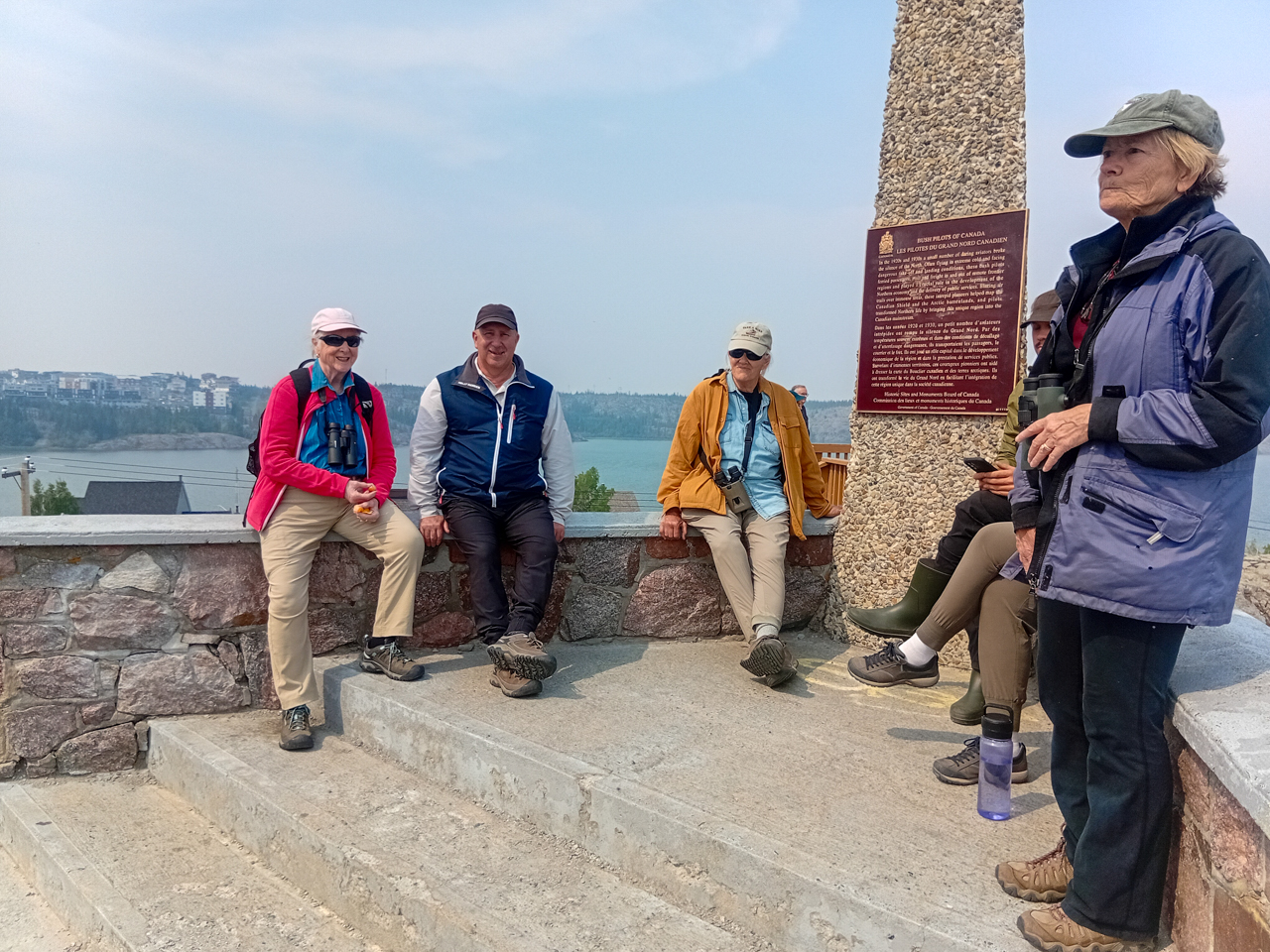
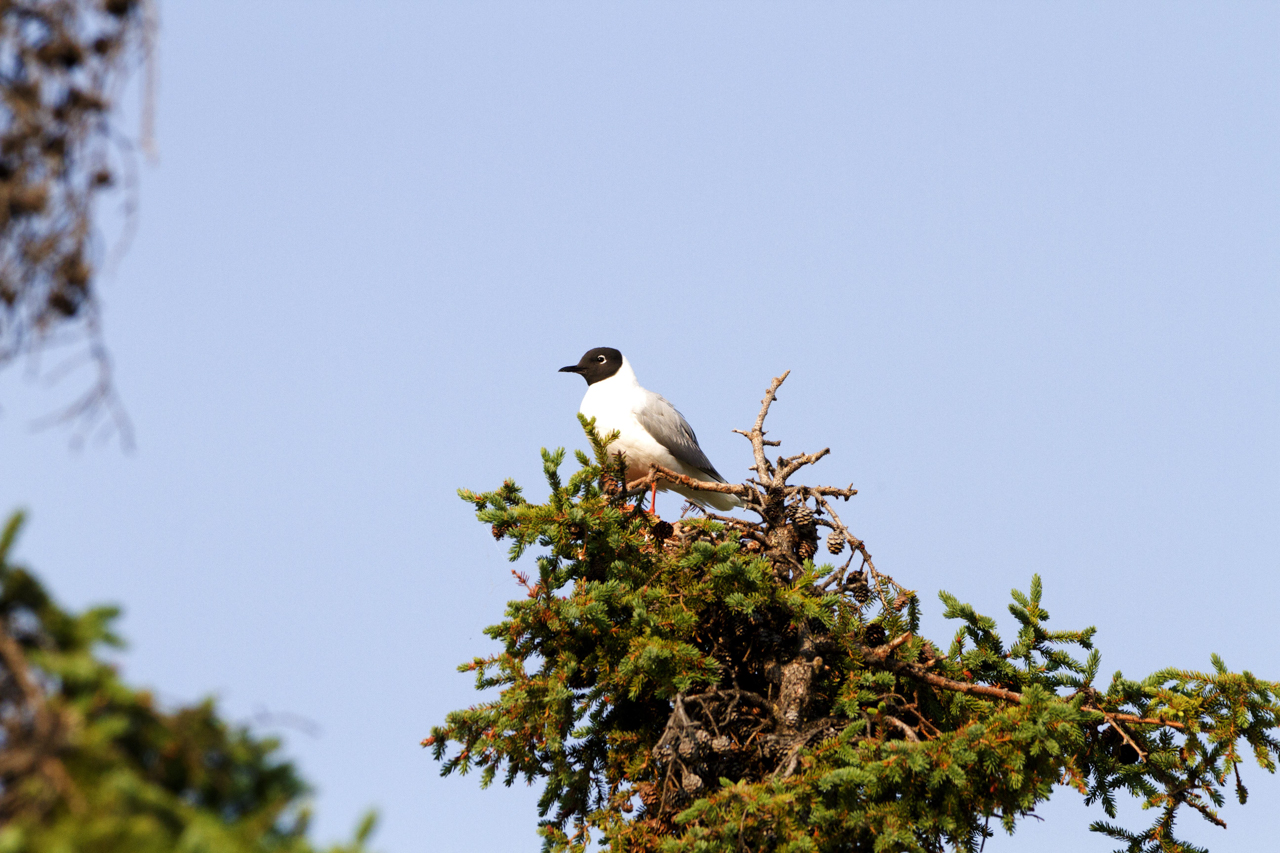
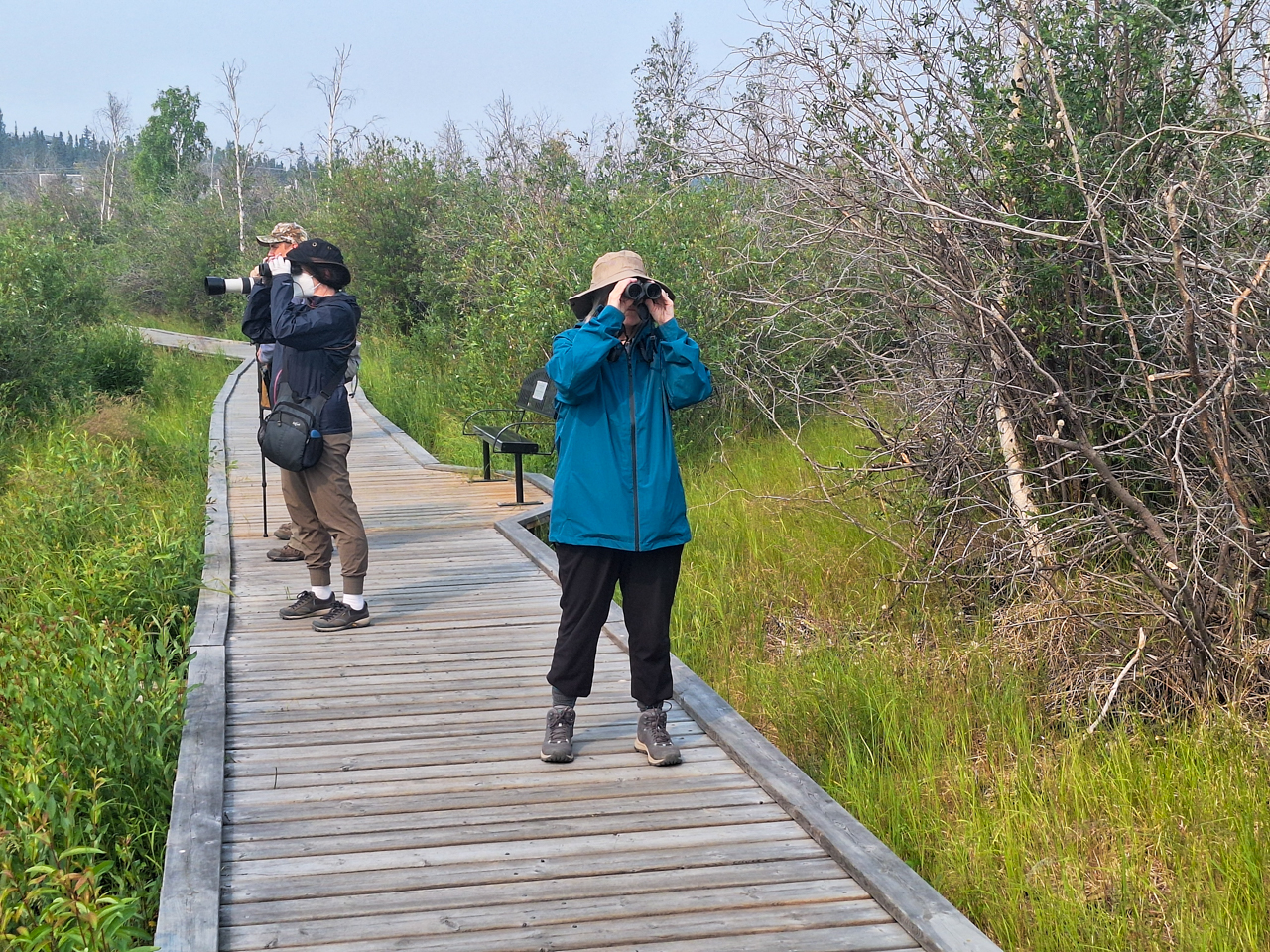
Fieldwork at Niven Lake, a prominent birding site adjacent to Yellowknife, provided a window into the breeding habits of species such as Bonaparte’s Gulls, Horned Grebes, and Canvasbacks. The visit to the Prince of Wales Northern Heritage Center provided the group with necessary cultural and natural history context, emphasizing the traditional ecological knowledge of the region’s Indigenous inhabitants.
Further exploration of the boreal woodlands and the shores of Great Slave Lake—the deepest lake in North America at 614 meters—revealed a diverse array of boreal specialists, including the Canada Jay and the Orange-crowned Warbler. At Willow Flats, the team observed a variety of migratory gulls and waterfowl, including Surf Scoters and Arctic Terns. The prevalence of fledglings in the vegetation indicated a productive breeding season, yet researchers accompanying the group noted that such productivity is increasingly dependent on stable weather windows that are becoming rarer in the sub-Arctic.
The Arctic Tundra: Cambridge Bay and Victoria Island
The final and most ambitious portion of the expedition took place in Cambridge Bay, Nunavut, on Victoria Island. The landscape, characterized by the frozen waters of the Northwest Passage, offers a stark, sci-fi-esque aesthetic that belies the fragility of the tundra.
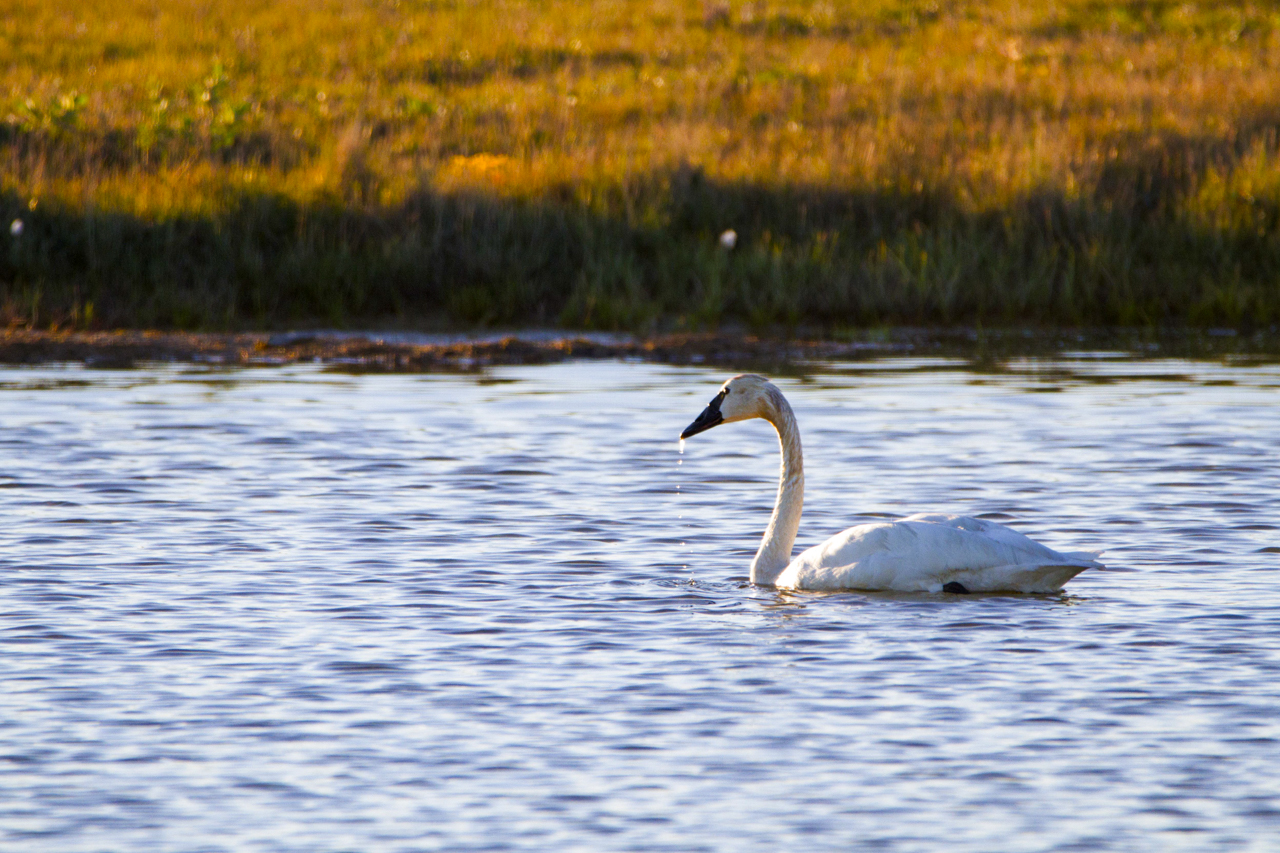
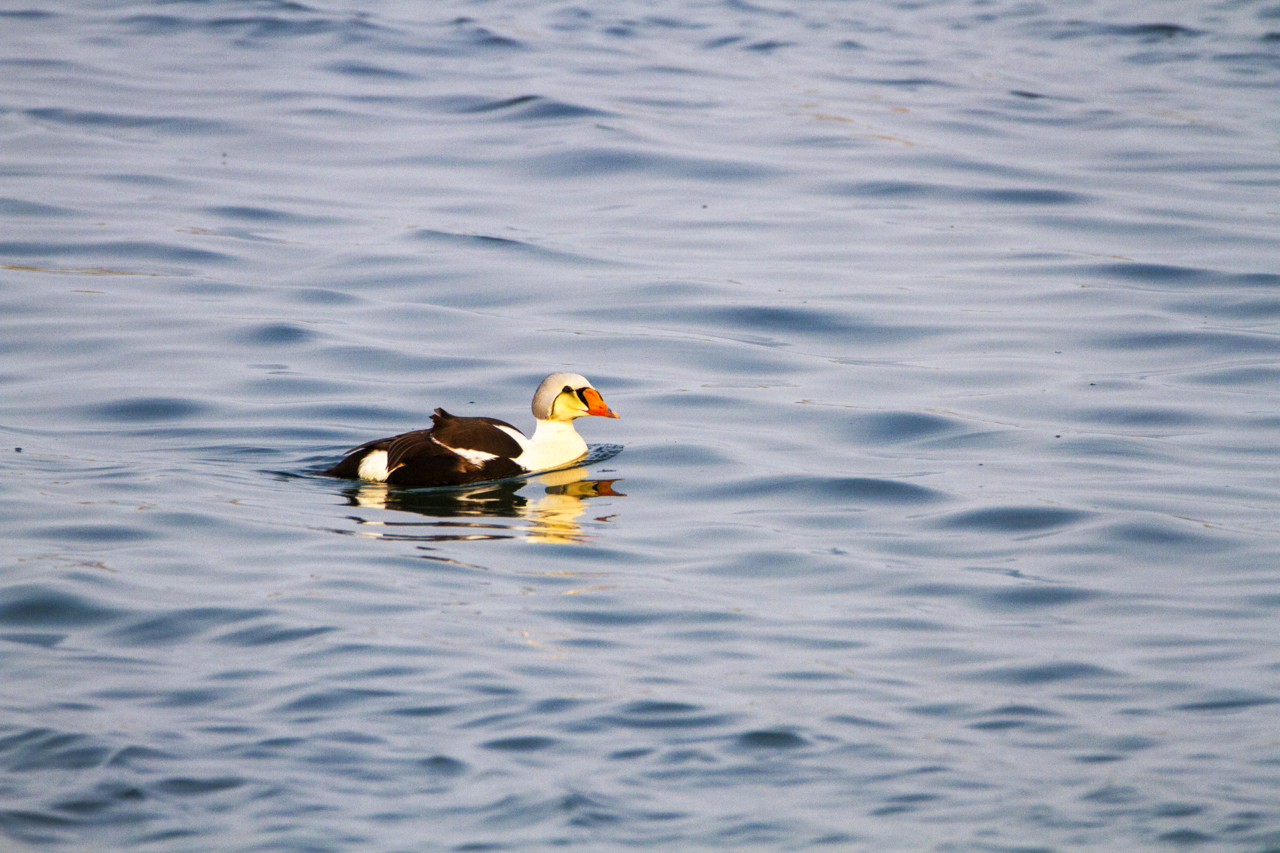
The team’s observations focused on the King Eider, a sea duck that relies on the tundra for nesting. While the males typically depart for the sea shortly after hatching, the group was able to document the final stages of the nesting season. The presence of Tundra Swans and Pacific Loons in nearby ponds underscored the importance of these small water bodies for reproductive success.
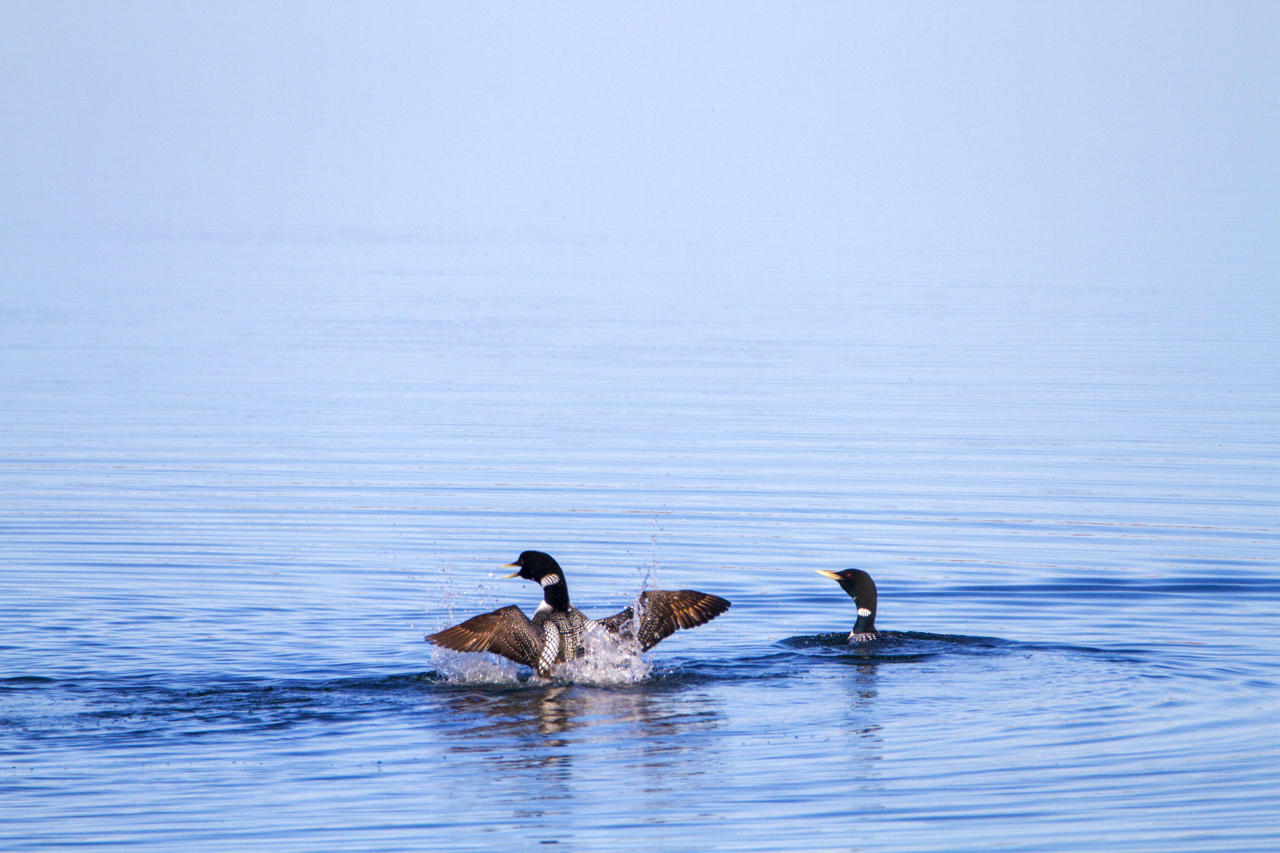
Perhaps the most significant avian encounter was the observation of a pair of Yellow-billed Loons. As a regional specialty, this species is highly sensitive to habitat degradation. The group witnessed a territorial display, providing rare insight into the behavior of this elusive loon.
Scientific Research and Climate Implications
During the final days on Victoria Island, the expedition visited the Canadian High Arctic Research Station (CHARS). The facility serves as a hub for understanding the rapid transformations occurring in the North. According to staff at the station, several key metrics are shifting:
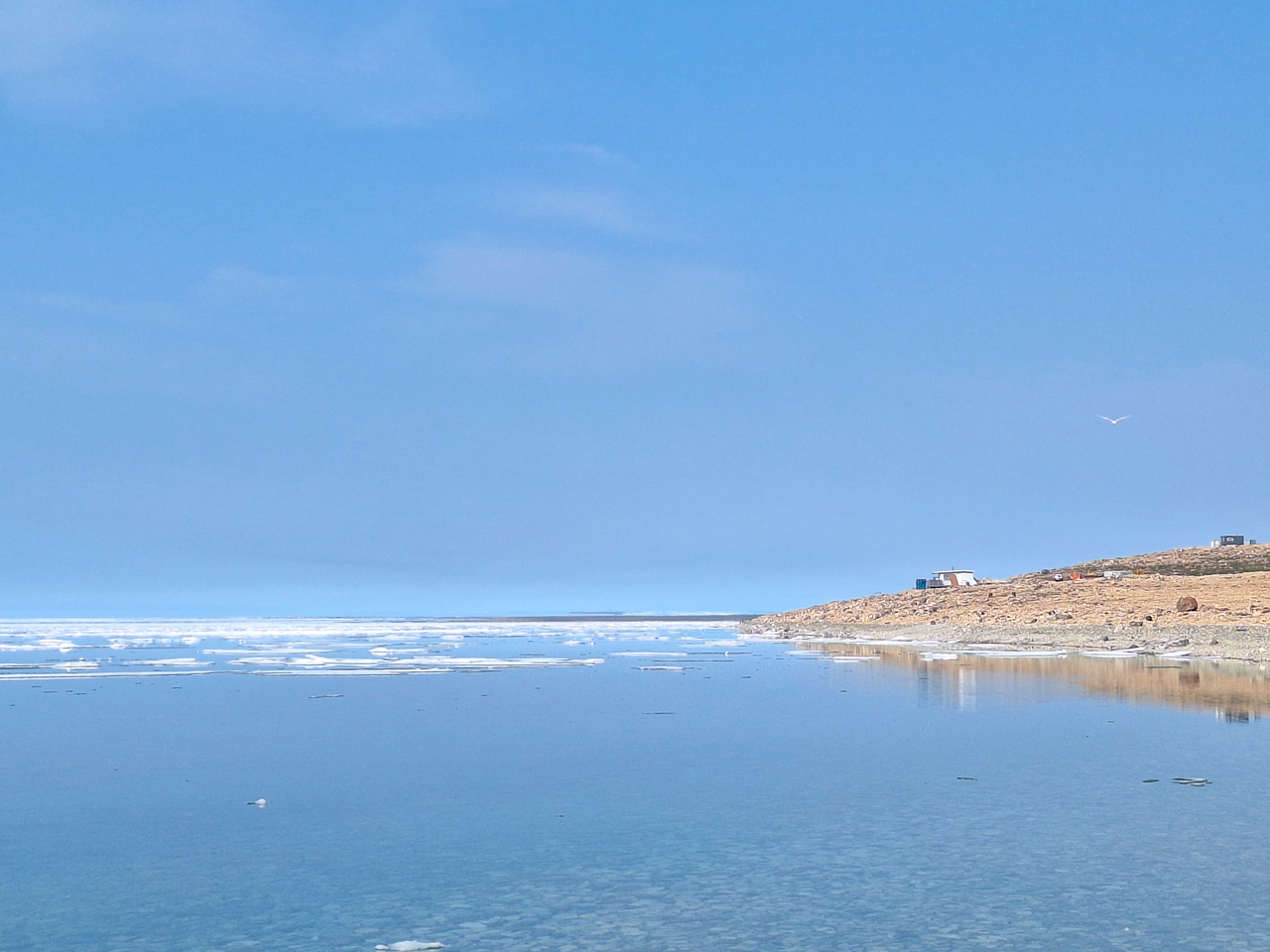
- Sea-Ice Dynamics: Sea ice is retreating earlier in the season than historical averages, impacting marine mammal hunting grounds and primary productivity.
- Temperature Anomalies: Observers and local residents reported unusually high temperatures during the summer months, which are accelerating the thaw of permafrost.
- Invasive Shifts: The arrival of species such as the Grizzly bear, which have begun appearing in regions where they were previously absent, suggests a northward expansion of southern predatory species, placing further pressure on existing tundra wildlife.
- Insect Populations: An increase in insect biomass, potentially linked to warmer temperatures, is altering the food chain for ground-nesting birds.
The contrast between the modern, state-of-the-art facilities at CHARS and the surrounding, rapidly changing landscape highlights the urgency of the research being conducted. The marine mammal autopsy room, designed to handle large-scale biological assessments, stands as a symbol of the scientific effort to track mortality and disease in an environment where climate change is the primary driver of mortality.
Socio-Ecological Synthesis
Beyond the biological data, the expedition provided a look into the social fabric of the North. Participating in the Nunavut Day festivities in Cambridge Bay highlighted a resilient community structure that remains tethered to the land. However, the closing of local amenities and the reliance on imported resources—often due to the geographic isolation of these communities—reveals the vulnerability of human settlements in the High Arctic.
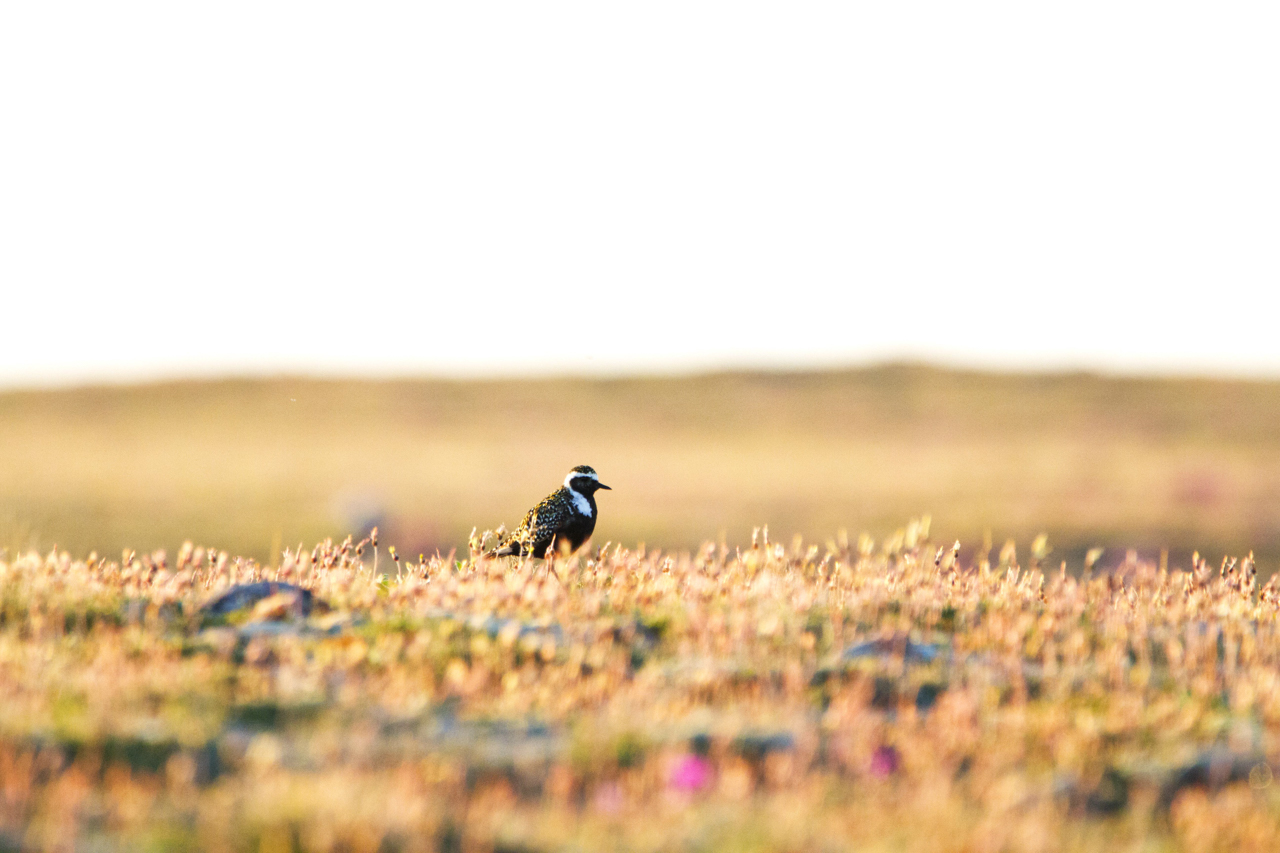
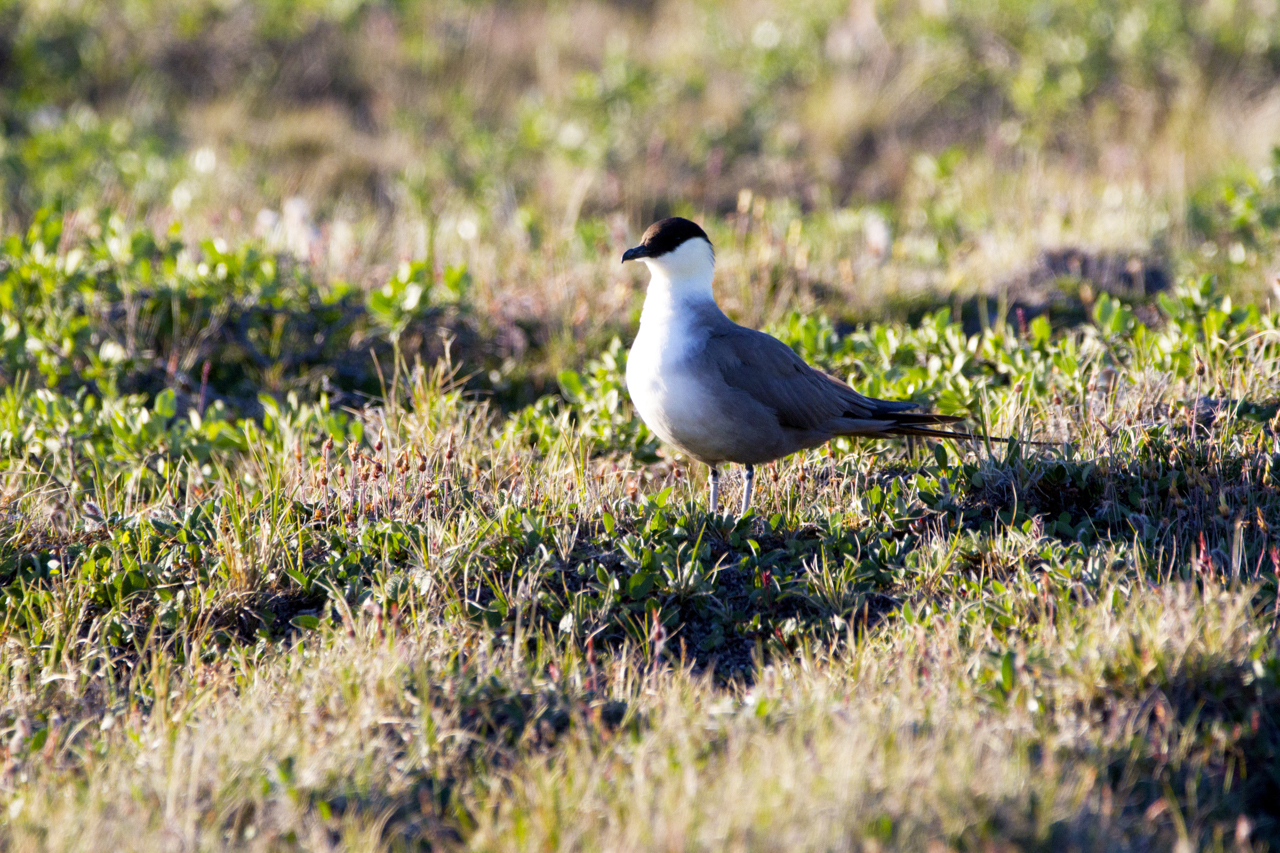
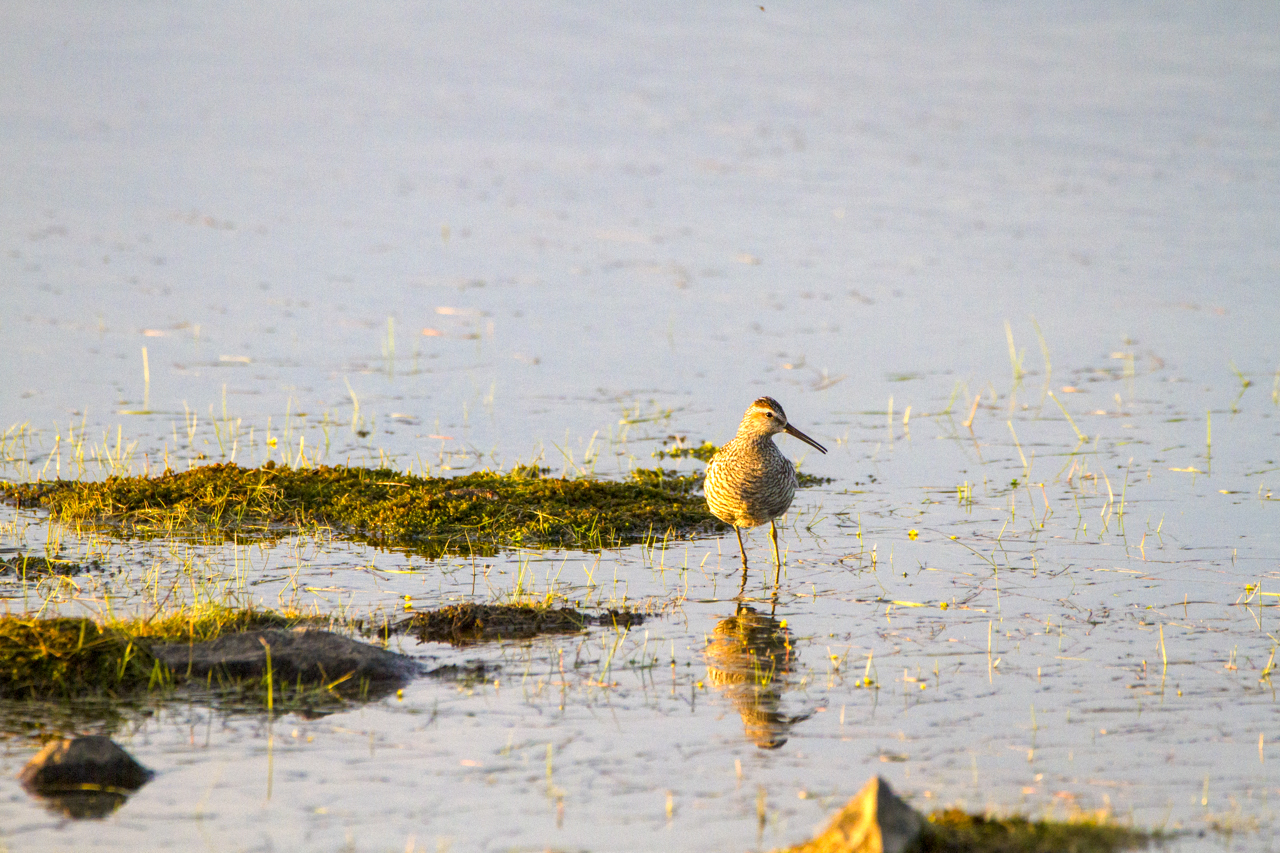
The team’s final trek to Mount Pelly, an esker formed during the last glacial maximum, provided a panoramic view of the tundra. Observations of Peregrine Falcons and Rough-legged Hawks circling above the landscape served as a reminder of the apex predators that remain in the region.
Conclusion: A Future in Flux
The 10-day expedition concluded with a synthesis of observations that paints a complex picture of the Canadian North. While biodiversity remains high and reproductive cycles continue, the underlying support systems—the permafrost, the seasonal ice, and the stability of the climate—are under significant strain. The integration of traditional knowledge with the data being gathered at institutions like CHARS will be critical for future conservation efforts. As this trip demonstrated, the Arctic is no longer a remote, isolated corner of the world; it is the frontline of the climate crisis. The challenges faced by the birds, mammals, and human communities of the North are precursors to the changes that will continue to ripple across the globe. For the members of the expedition, the experience served as a powerful call to action, highlighting that the preservation of these biomes is not merely a regional concern but a global imperative.
