

The Amazon Basin is an immense, interconnected waterscape of thousands of rivers, streams, and floodplain lakes that harbor an unparalleled diversity of freshwater life. To date, scientists have formally documented more than 2,700 freshwater fish species within the basin, with dozens of additional species cataloged annually through ongoing expeditions. Beneath this vast expanse of murky waters lies a complex ecological web and a cornerstone of human survival across South America. A comprehensive new assessment, the Amazon Forgotten Fishes report, dives deep into the biology, distribution, and critical societal importance of these aquatic organisms, shedding light on species that have long been overlooked in mainstream conservation dialogues.
The report underscores a striking ecological reality: two-thirds of the freshwater fish species found in the Amazon are endemic, meaning they exist nowhere else on Earth. These organisms are far more than passive inhabitants of a flowing landscape. They are active engineers of the Amazonian ecosystem. Many species migrate into seasonally flooded forests during high-water periods to feed on fallen fruits, subsequently dispersing seeds across thousands of square kilometers and playing a fundamental role in forest regeneration. Others serve as mobile nutrient pumps, regulating primary production and sustaining apex predators higher up the aquatic and terrestrial food webs.
Beyond their ecological functions, Amazonian fishes are foundational to human well-being throughout the basin. For millions of residents, particularly low-income households, fish represent the most reliable and affordable source of animal protein, supplying critical micronutrients necessary for healthy human development. Furthermore, the burgeoning sustainable sport fishing industry offers a lucrative economic alternative to traditional commercial extraction. Well-managed catch-and-release ecotourism initiatives have demonstrated the potential to generate more revenue in a single week than a year of commercial fishing in identical waters. Ensuring that this sector expands sustainably—while directly involving local communities in its governance—remains an urgent priority for regional planners.
A History of Increasing Pressure: The Chronology of Decline
The threats facing the Amazonian aquatic environment are neither sudden nor isolated; they are the cumulative result of decades of escalating anthropogenic pressure. Historical records indicate that large-scale alterations to the basin began accelerating in the mid-20th century with the expansion of national infrastructure projects, but the pace has quickened dramatically over the last several decades.

During the 1970s, commercial fishing in the Amazon began to intensify significantly, largely unanchored by comprehensive management, monitoring, or enforcement frameworks. This period coincided with the initial wave of major hydroelectric dam construction across several of the basin’s primary tributaries, which began to alter the natural hydrological regimes and fragment previously contiguous aquatic habitats.
By the late 1990s and early 2000s, industrial agriculture, widespread cattle ranching, and aggressive deforestation initiatives surged across the southern and eastern margins of the basin. The removal of riparian forests severed the vital reciprocal relationships between terrestrial vegetation and frugivorous fish species, while simultaneously accelerating soil erosion and sedimentation. This influx of fine sediment fundamentally altered water clarity, diminished light penetration, and clogged the delicate respiratory structures of aquatic fauna.
In recent years, the cumulative impacts have reached a critical threshold. The International Union for Conservation of Nature (IUCN) currently lists 144 Amazonian fish species on its Red List of Threatened Species, alongside 334 species categorized as Data Deficient. Conservation biologists emphasize that these figures represent a conservative estimate, constrained by profound geographic and institutional gaps in national monitoring databases and a historic lack of coordinated, cross-border data sharing.
Drivers of Degradation and the Shadow of Climate Change
The degradation of the Amazonian freshwater ecosystem is driven by a convergence of human-induced pressures. The rapid proliferation of dams, drainage channels, and water diversions fundamentally alters hydrological connectivity. By interrupting natural flood pulses and blocking migration routes, these structures disrupt the physiological triggers and behavioral patterns essential for fish reproduction and survival.
Simultaneously, chemical pollution stemming from industrial activities, unregulated mining operations, and oil extraction introduces toxic heavy metals and synthetic contaminants into the food web. These substances not only impair the feeding, growth, and reproductive capacity of aquatic species, but they also bioaccumulate, posing severe long-term risks to human populations that consume fish on a daily basis.
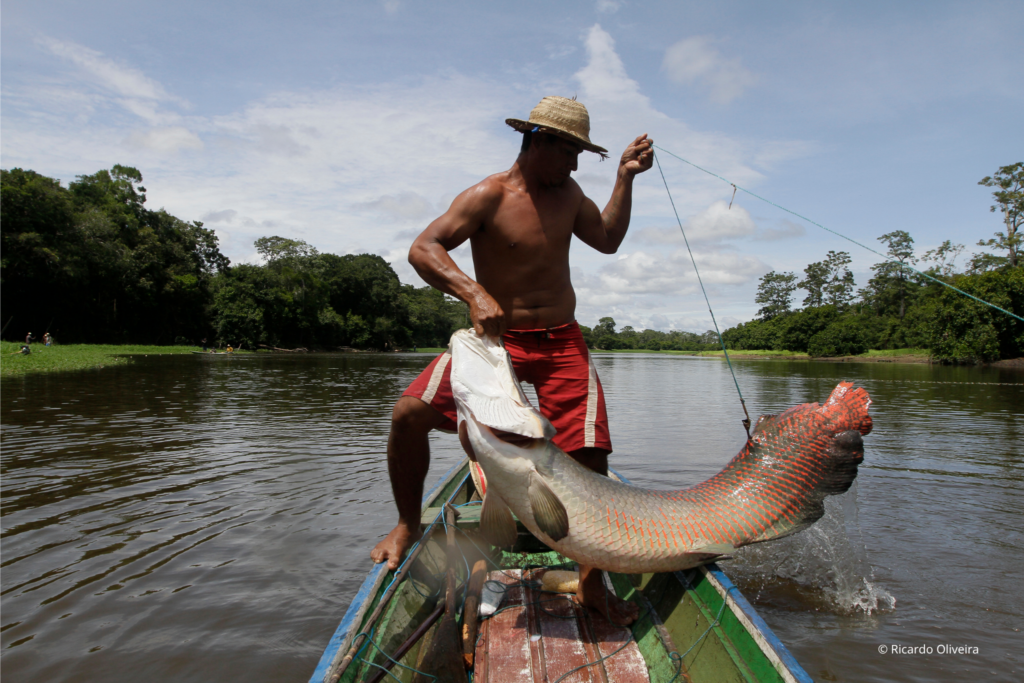
Compounding these localized stressors is the accelerating crisis of global climate change. Climate projections through the year 2050 indicate sustained regional warming and drastic alterations in river discharge patterns across the Amazon Basin. As global temperatures rise, prolonged droughts and diminished water availability during the dry season are expected to disproportionately impact floodplain-dependent species. These environmental shifts threaten to trigger localized population collapses, directly undermining food security for millions of riverine and urban citizens who depend on the basin’s fisheries.
Expert Analysis and Official Responses
Environmental scientists, indigenous leaders, and international conservation bodies have reacted to the findings of the Amazon Forgotten Fishes report with a mixture of profound concern and pragmatic resolve. Policy analysts emphasize that traditional conservation frameworks—which typically rely on isolated, nation-state management strategies—are fundamentally inadequate for protecting a transboundary aquatic system that routinely ignores geopolitical borders.
"Water, sediments, nutrients, and migratory fishes do not recognize international boundaries," notes a leading freshwater ecologist familiar with the report. "Protecting the biological integrity of the Amazon requires a radical departure from fragmented national policies. We need a unified governance architecture that operates at the scale of the entire basin."
Stakeholders have increasingly pointed to the global Emergency Recovery Plan for Freshwater Ecosystems as a viable blueprint for halting the decline of Amazonian biodiversity. Tailoring this framework to the Amazonian context necessitates a comprehensive approach based on six coordinated interventions: restoring natural flow regimes, improving water quality, protecting critical habitats, managing exploitation levels, preventing the introduction of invasive species, and safeguarding the continuity of river-floodplain connections.
The Indispensable Role of Indigenous Stewardship
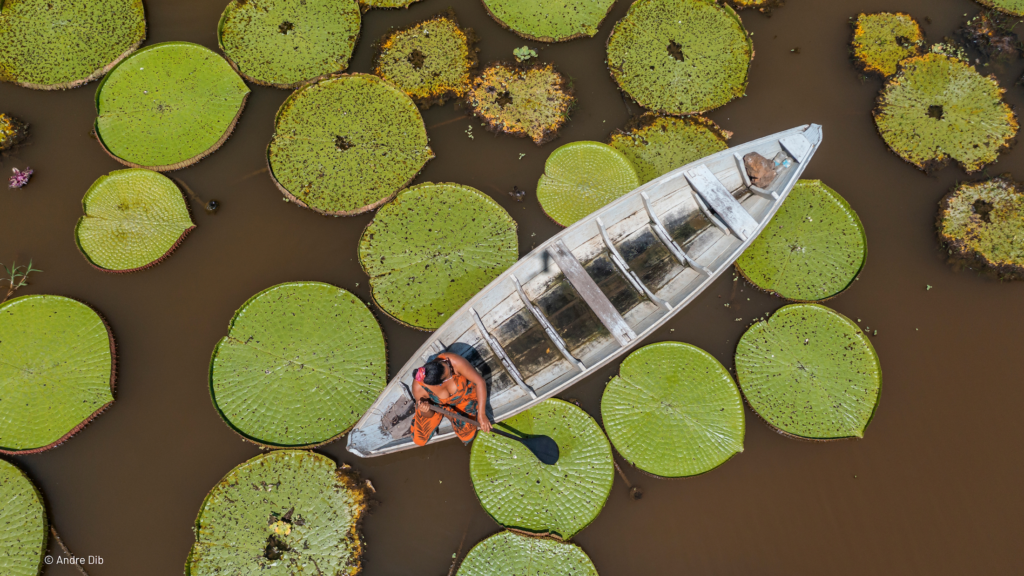
A central thesis of the new report is that long-term conservation success is impossible without the active leadership and formal empowerment of Indigenous Peoples and traditional local communities. For generations, these groups have inhabited and managed the Amazonian waterscape, accumulating sophisticated ecological knowledge regarding fish migration, seasonal water fluctuations, and sustainable harvesting practices.
Civil society organizations and policy experts argue that recognizing indigenous territorial rights and integrating traditional ecological knowledge with modern scientific research significantly enhances regional monitoring and enforcement capacity. When local communities are positioned as the primary stewards of their aquatic resources, compliance with sustainable management frameworks improves exponentially.
Pathways Forward: A Unified Basin-Wide Vision
The Amazon Forgotten Fishes report serves as both a stark warning and an actionable roadmap. It demonstrates that the future of the basin’s aquatic biodiversity depends entirely on the willingness of governments, the private sector, academic institutions, and civil society to view the Amazon as a single, indivisible, flowing entity.
By bridging the gap between ancestral wisdom and contemporary science, regional actors can build robust transboundary governance models designed to mitigate cumulative impacts. Through coordinated collective action, the nations of the Amazon Basin can ensure that this irreplaceable freshwater system remains connected, resilient, and teeming with life for generations to come.
