
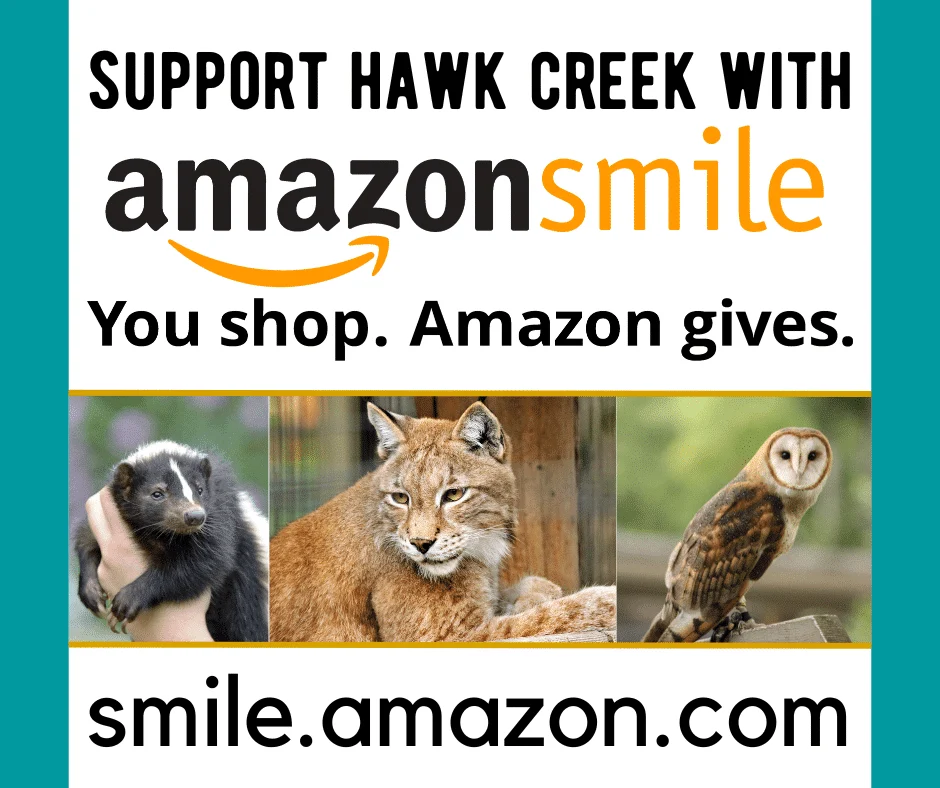
The intersection of e-commerce and charitable giving has evolved significantly over the last decade, with corporate philanthropic programs serving as a critical lifeline for non-profit organizations. Among these initiatives, the Amazon Smile program stands out as a unique mechanism that allows consumers to contribute to their chosen charitable causes through routine digital transactions. For organizations like the Hawk Creek Wildlife Center, this integration of consumer behavior and social responsibility represents a significant opportunity to secure essential funding without imposing additional financial burdens on the donor. By leveraging the scale of global online retail, institutions dedicated to wildlife rescue, rehabilitation, and education are finding new ways to bridge the funding gap inherent in the non-profit sector.
The Mechanism of Micro-Donations
The operational framework of Amazon Smile is designed for seamless integration into the existing user experience of Amazon.com. When a consumer initiates a purchase through the dedicated smile.amazon.com portal, the retail giant allocates a fixed percentage of the purchase price—typically 0.5% of the eligible product total—to a charitable organization selected by the user. While individual transactions may yield modest sums, the cumulative effect of thousands of such micro-donations provides a consistent revenue stream for non-profits.
For the Hawk Creek Wildlife Center, which relies heavily on public donations to maintain its expansive facilities, provide veterinary care for rescued animals, and conduct educational outreach programs, these funds are critical. The program removes the traditional friction associated with charitable giving: it does not require a separate transaction or a debit from the donor’s personal bank account beyond the original purchase. This "passive philanthropy" model is particularly effective in a digital economy where consumers are increasingly looking for ways to align their spending habits with their personal values regarding environmental conservation and animal welfare.
Historical Context of Corporate Philanthropy
Corporate social responsibility (CSR) has transitioned from a peripheral marketing tool to a core component of organizational strategy. The inception of programs like Amazon Smile reflects a broader trend among major corporations to utilize their logistics and infrastructure to facilitate public good. Amazon launched its charitable giving arm in 2013, aiming to simplify the process of donation for millions of its users.
For a regional wildlife center such as Hawk Creek, the impact of such a program cannot be overstated. Wildlife conservation is a resource-intensive endeavor; the costs associated with specialized nutrition, high-level veterinary intervention, and the maintenance of complex habitats are substantial. Historically, these organizations relied on localized fundraising events, grant applications, and private sponsorships. The shift toward digital-based fundraising has allowed organizations to reach a broader audience, including individuals who may not live in the immediate vicinity of the wildlife center but are nonetheless committed to its mission.

Implementation and User Engagement
To maximize the benefits of this program, the Hawk Creek Wildlife Center has implemented a straightforward onboarding process for its supporters. The initiative encourages users to select the center as their designated charity, ensuring that subsequent eligible purchases contribute directly to the facility’s operational budget.
The integration into the Amazon mobile application represents a significant technological advancement in the donation process. By navigating to the "Settings" menu and enabling the charity feature, users can ensure their donations are tracked and accounted for automatically. This transparency is a key component of building trust between the donor and the recipient organization. When supporters can see the tangible results of their contributions—through newsletters, social media updates, or reports on how the funds were utilized—they are more likely to maintain their commitment to the charity over the long term.
The Economic Reality of Wildlife Conservation
Wildlife centers operate in an environment of financial volatility. Unlike commercial enterprises, they cannot pass the rising costs of inflation—such as increases in food prices, heating costs for animal enclosures, or specialized medical equipment—on to a customer base. Therefore, the consistent, albeit small, influx of capital from programs like Amazon Smile acts as a buffer against these fiscal pressures.
Data from similar conservation-focused non-profits suggest that programmatic giving can account for a significant percentage of unrestricted operational funds. Unrestricted funds are vital because they allow organizations to pivot quickly in response to emergencies, such as a sudden influx of injured wildlife following a natural disaster or an unexpected medical crisis among the resident animal population. By removing the donor’s out-of-pocket costs, the program fosters a sustainable ecosystem of support that is resilient to economic downturns, as it is tied to necessary retail purchases rather than discretionary charitable donations.
Strategic Implications for Non-Profit Growth
The adoption of digital fundraising tools is not merely a convenience; it is a strategic imperative for organizations like Hawk Creek. As traditional methods of donation face challenges—such as the decline of physical mail solicitation and the shifting demographics of donor bases—digital integration provides a pathway to sustainability.
The "network effect" of these programs is substantial. When a user designates a charity, that choice persists for future purchases, creating a long-term annuity of support. Furthermore, the ability to share these programs via social media allows the organization to leverage the personal networks of its existing supporters to recruit new donors. This organic growth is highly cost-effective, requiring minimal marketing expenditure from the wildlife center itself, thereby ensuring that the maximum amount of money goes toward the animals rather than administrative or advertising costs.
Evaluating the Impact on Animal Welfare
The practical application of these funds at a site like the Hawk Creek Wildlife Center involves direct support for animal husbandry. This includes, but is not limited to:
- Veterinary Care: Access to specialized diagnostics and treatments for injured birds of prey and indigenous species.
- Nutritional Requirements: Procurement of high-quality, species-appropriate food, which is often significantly more expensive than standard domestic animal feed.
- Habitat Maintenance: Regular upgrades to enclosures to meet changing regulatory standards and to improve the quality of life for long-term residents.
- Educational Outreach: The development of programs aimed at teaching the public about the importance of biodiversity and the role of wildlife in local ecosystems.
By securing funds through Amazon Smile, Hawk Creek can redirect its internal fundraising efforts toward more targeted campaigns, such as capital projects or emergency response funds. This diversification of income streams is a hallmark of a mature, well-managed non-profit organization.
Future Outlook and Digital Trends
As the retail landscape continues to shift toward mobile-first and platform-integrated experiences, the success of programs like Amazon Smile will likely depend on the ease of user engagement. Organizations that actively communicate the benefits of these programs—and provide clear instructions on how to participate—are better positioned to capitalize on the digital economy.
The future of non-profit fundraising is inextricably linked to the technology that facilitates our daily lives. For the Hawk Creek Wildlife Center, the integration of retail-based giving is a testament to the power of community action. It demonstrates that when individuals are provided with frictionless ways to support the causes they care about, they respond with consistent, impactful contributions.
In conclusion, the utilization of digital shopping platforms for charitable donation is a sophisticated response to the challenges of modern conservation funding. By aligning the retail habits of the public with the urgent needs of wildlife rescue and education, the Hawk Creek Wildlife Center ensures that it can continue its vital work for years to come. This approach not only secures the financial future of the organization but also democratizes philanthropy, making it possible for any citizen to contribute to the preservation of wildlife through their everyday actions. As the digital environment matures, such partnerships between the private sector and charitable organizations will remain a cornerstone of effective and sustainable non-profit management.
