
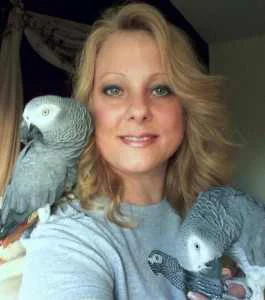
The avian community is buzzing with anticipation for a unique opportunity to gain in-depth knowledge on parrot care and behavior. Lisa Bono, a Certified Parrot Behavior Consultant (CPBC), is set to host a special live webinar titled "Ask Lisa Anything (Almost!)" on Friday, April 24, 2026, at 12:00 PM Pacific Standard Time (PST). This interactive session promises to address a wide spectrum of concerns faced by parrot owners, ranging from intricate dietary needs and behavioral challenges to optimal housing and enrichment strategies.
The webinar, which will be held virtually, is positioned as a valuable resource for both novice and experienced parrot enthusiasts. Bono, stepping in for the regular presenter Dr. Tully this week, brings a wealth of experience and a deep understanding of avian psychology and welfare. The event is designed to be a Q&A format, allowing participants to submit their most pressing questions and receive expert guidance. The organizers emphasize that while the scope is broad, participants are encouraged to bring their most curious and challenging inquiries.
Background and Context of the Webinar
The "Ask Lisa Anything" series has become a recurring feature in the educational offerings for pet bird owners, often facilitated by avian veterinarians and behaviorists. These webinars aim to bridge the knowledge gap between common pet ownership practices and the specialized needs of exotic birds, particularly parrots, which are known for their intelligence, complex social structures, and long lifespans. The decision to feature Lisa Bono highlights the growing recognition of the importance of professional guidance in parrot behavior, a field that has seen significant advancements in recent years.
Parrots, as pets, require a level of commitment and understanding that often surpasses that of more conventional domestic animals. Their intelligence means they can develop intricate social bonds, exhibit problem-solving skills, and experience a wide range of emotions. Consequently, issues such as feather plucking, aggression, excessive vocalization, and selective feeding can arise if their environmental, social, and psychological needs are not adequately met. This webinar aims to equip owners with the knowledge to proactively address these issues or to effectively manage them when they occur.
The timing of this webinar, scheduled for a Friday afternoon, suggests an effort to accommodate a broad audience, potentially including those who work traditional business hours. The organizers have provided a link to a time zone converter, underscoring their commitment to global accessibility for their online events. This proactive measure acknowledges the diverse geographical locations of parrot owners who might wish to participate.
The Expertise of Lisa Bono
Lisa Bono’s credentials as a Certified Parrot Behavior Consultant (CPBC) signify a rigorous standard of knowledge and practical experience in avian behavior modification and welfare. The certification process typically involves a comprehensive examination of scientific literature, practical case studies, and demonstrated proficiency in applying behavioral principles to parrot issues. CPBCs are often at the forefront of understanding the intricate interplay between a parrot’s natural instincts, its environment, and its relationship with its human caregivers.
Bono’s extensive experience, spanning decades, has likely exposed her to a vast array of parrot species and their unique behavioral profiles. From common household companions like African Greys and Cockatiels to more specialized species, her expertise is designed to be broadly applicable. The image accompanying the announcement, depicting Bono with African Grey parrots, subtly reinforces her specialization and hands-on familiarity with these intelligent creatures. African Greys, in particular, are renowned for their cognitive abilities and complex vocalizations, making them a focal point for many behavioral discussions in the parrot community.
Her willingness to step in for Dr. Tully, a presumably established figure in the series, indicates a collaborative spirit within the avian health and behavior community and a commitment to ensuring the continuity of expert-led educational initiatives. This substitution also suggests that Dr. Tully may have prior commitments, further emphasizing the demand for such specialized veterinary and behavioral advice.
Key Topics to Be Addressed
The webinar’s open-ended "Ask Lisa Anything" format, with the caveat "(Almost!)", suggests that while the scope is vast, some limitations may exist, likely pertaining to individual medical diagnoses or emergency situations that require immediate veterinary attention. However, the explicitly mentioned areas—behavior, diet, housing, and enrichment—cover the fundamental pillars of responsible parrot ownership.

Behavior: This is often the most challenging aspect for parrot owners. Topics could include:
- Vocalization: Understanding the purpose of different vocalizations (e.g., alarm calls, greetings, attention-seeking) and developing strategies to manage excessive noise. This can involve understanding natural flock dynamics and how they translate to a domestic environment. Data from studies on avian vocal learning, such as those conducted on parrots, indicate that their vocalizations are not merely random sounds but often serve complex communicative functions.
- Feather Destructive Behaviors: Addressing issues like feather plucking, over-preening, and feather barbering, which can have multifactorial causes including stress, boredom, dietary deficiencies, or underlying medical conditions. Research has shown that environmental enrichment and stress reduction are critical in mitigating these behaviors.
- Aggression and Biting: Understanding the triggers for aggression, which can range from territoriality and fear to hormonal fluctuations, and learning humane methods for redirection and prevention. This often involves recognizing subtle body language cues that precede an aggressive act.
- Socialization and Bonding: Strategies for building healthy relationships with parrots, understanding their social needs, and managing inter-species or intra-species aggression if multiple birds are present.
Diet: Proper nutrition is paramount for avian health. Questions might revolve around:
- Nutritional Requirements: The specific dietary needs of different parrot species, moving beyond seed-based diets to include balanced formulations of pellets, fresh fruits, vegetables, and other appropriate food items. The shift from traditional seed diets to more nutritionally complete options has been a significant development in parrot husbandry, with studies consistently showing improved health and longevity in birds fed balanced diets.
- Picky Eating: Addressing the common problem of parrots refusing to eat certain healthy foods and strategies for introducing new food items. This can involve understanding foraging behaviors and using positive reinforcement.
- Supplementation: When and if supplements are necessary, and how to avoid over-supplementation, which can be detrimental.
Housing: Creating a safe and stimulating environment is crucial. This could include:
- Cage Size and Type: Determining the appropriate dimensions and materials for parrot cages, ensuring they are spacious enough for movement and equipped with suitable perches and toys.
- Cage Placement: The optimal location of a cage within a home, considering factors like light, temperature, and proximity to family activities.
- Perches and Substrates: The importance of varied perch diameters and textures to promote foot health and the selection of appropriate cage substrates for hygiene and safety.
Enrichment: Parrots are highly intelligent and require mental stimulation to prevent boredom and behavioral issues. Topics may include:
- Foraging Devices: Creating opportunities for parrots to "work" for their food, mimicking their natural foraging behaviors. This is a key component in preventing boredom and promoting natural behaviors.
- Toys and Play: Selecting appropriate toys that encourage exploration, problem-solving, and physical activity, and rotating them to maintain interest.
- Environmental Enrichment: Incorporating elements like varied textures, scents, and opportunities for natural behaviors such as bathing and chewing.
Supporting Data and Broader Implications
The pet bird industry is a significant sector within the broader pet care market. While precise global figures for parrot ownership are difficult to ascertain, the market for avian products, including food, toys, and veterinary care, is substantial. In the United States alone, the pet industry generated an estimated $136.8 billion in sales in 2022, with bird products contributing a notable portion. This indicates a large and engaged community of pet owners seeking reliable information and support.
The increasing prevalence of social media and online platforms has democratized access to information, but it has also led to a proliferation of anecdotal advice, some of which may be inaccurate or even harmful. Webinars like this, led by certified professionals, serve as a critical counterpoint, offering evidence-based guidance. The implication is a move towards more informed and responsible pet ownership, which ultimately benefits the welfare of the birds themselves.
The long lifespan of many parrot species—some can live for 50 to 80 years or even longer—means that owners are committing to a lifelong relationship. This necessitates a thorough understanding of their needs from the outset. A poorly managed parrot can develop deeply ingrained behavioral issues that are challenging to resolve, potentially leading to stress for both the bird and the owner, and in some unfortunate cases, rehoming. Therefore, educational initiatives that empower owners with knowledge are vital for promoting the long-term well-being and successful integration of parrots into human households.
The "Ask Lisa Anything" webinar, by providing a direct channel to an expert, addresses a critical need for accessible, practical, and reliable advice. It reflects a growing understanding within the pet-owning community that specialized knowledge is essential for the care of intelligent and complex animals like parrots. The success of such events often leads to increased engagement in avian welfare initiatives and a greater appreciation for the intricate needs of these fascinating creatures.
Registration and Participation
Interested individuals are encouraged to register for the webinar in advance via the provided link. This pre-registration process allows the organizers to gauge potential attendance and, in some cases, to prepare for frequently asked questions. The link for registration is: https://us02web.zoom.us/webinar/register/WN_3YL81zVCTvqEyvj4FccW1A.
The organizers have also provided a crucial reminder to double-check local times using a time zone converter, emphasizing the global nature of the event and the potential for confusion across different time zones. This attention to detail is indicative of a well-organized event designed to maximize accessibility and participation for a worldwide audience of parrot enthusiasts. The event is poised to be an invaluable resource for anyone seeking to deepen their understanding and improve the lives of their avian companions.
