
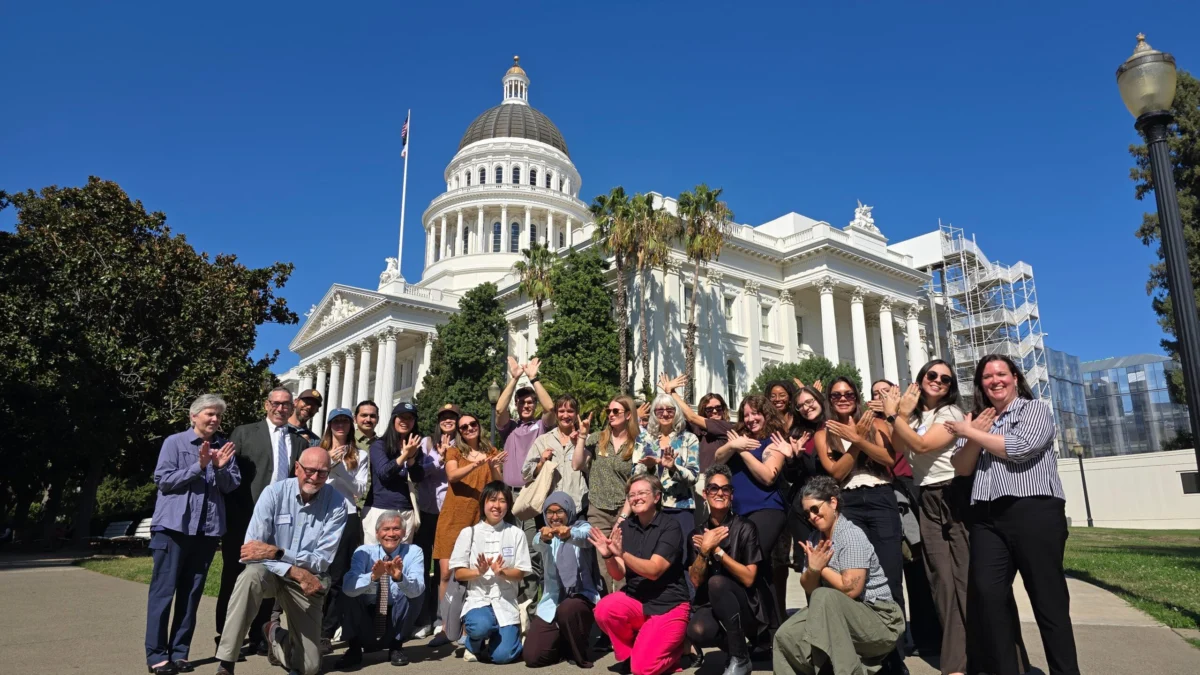
The halls of the California State Capitol were once again energized by a diverse coalition of environmental advocates as Audubon California officially relaunched its in-person Advocacy Day on August 11. After a seven-year hiatus, the event brought together a broad spectrum of stakeholders—ranging from professional staff and local chapter members to university students and alumni of the organization’s specialized leadership programs—to address the intersection of bird conservation, habitat preservation, and community resilience. The day-long series of meetings between advocates and legislative staffers marked a significant milestone in Audubon’s ongoing mission to influence state policy regarding the protection of ecosystems spanning from the Salton Sea to California’s rugged coastline and dense urban centers.
A Strategic Return to Legislative Advocacy
The decision to return to the Capitol in person underscores a shift in how environmental organizations are approaching policy change in the post-pandemic landscape. Advocacy Day serves as a formal bridge between the grassroots efforts of local Audubon chapters and the top-down legislative processes that govern environmental regulation in Sacramento. By mobilizing a cross-generational and geographically diverse group, the organization sought to demonstrate that the challenges facing avian populations are intrinsically linked to the well-being of the human communities that share those environments.
The agenda for August 11 was rigorous. Participants moved between Senate and Assembly offices, presenting a unified message that environmental protection is not a siloed issue but a critical component of public health, water security, and climate adaptation. For many attendees, the event was not merely a lobbying effort; it was an educational exercise designed to demystify the legislative process and empower individuals to serve as permanent stewards for their local habitats.
Historical Context and the Evolution of Audubon’s Advocacy
To understand the weight of this year’s event, one must look at the historical trajectory of environmental policy in California. Over the past decade, the state has faced unprecedented challenges, including severe drought, habitat loss in the Salton Sea, and the rapid urbanization of critical migratory corridors. During the seven-year absence of this specific advocacy event, the legislative landscape changed significantly, with an increased focus on climate-resilient infrastructure and the preservation of biodiversity hotspots.
In the years leading up to 2024, Audubon California pivoted toward decentralized advocacy, utilizing digital tools and local engagement to maintain pressure on lawmakers. However, the return to face-to-face meetings indicates a consensus within the conservation community that high-level policy change requires the "human element"—the ability to pair hard data with personal narratives. By incorporating alumni from the Salton Sea Leadership Program and the Coastal Leadership Program, the organization brought experts with firsthand experience in ecological restoration into the conversation, providing policymakers with nuanced insights that often go beyond standard legislative briefings.
Supporting Data: The Intersection of Habitat and Policy
The advocacy efforts were underpinned by a growing body of data highlighting the vulnerability of California’s avian species. According to recent climate reports, California serves as a vital segment of the Pacific Flyway, a major north-south flyway for migratory birds in the Americas. However, the state has lost more than 90 percent of its original wetlands, a loss that directly impacts migratory patterns and species survival.
The Salton Sea, a focal point for many of the advocates present on August 11, serves as a poignant example of the stakes involved. The shrinking of this saline lake has resulted in increased airborne dust, which threatens both local air quality for nearby communities and critical nesting grounds for millions of birds. Legislative staffers were presented with data showing that funding for wetland restoration is not just an environmental expenditure but a public health necessity. Similarly, discussions regarding urban biodiversity emphasized the role of native plantings and green spaces in mitigating the urban heat island effect, providing a clear economic and social justification for conservation-minded urban planning.
The Dynamics of the Advocacy Experience
One of the most notable features of the August 11 event was the intentional mix of experience levels among the participants. The program paired seasoned lobbyists—individuals who have spent years navigating the nuances of Assembly committee hearings—with "first-time" advocates, often students from Audubon on Campus chapters.
This mentorship model proved effective in fostering a sense of collective efficacy. For the newcomers, the ability to witness the legislative process firsthand transformed abstract concepts of "policy" into tangible actions. For the veteran advocates, the influx of fresh perspectives and personal anecdotes from younger participants provided a renewed sense of urgency. The resulting discourse in legislative offices was marked by a synthesis of technical ecological knowledge and community-focused storytelling, a combination that has historically proven effective in shifting the priorities of elected officials.
Official Perspectives and the Role of Grassroots Voices
While specific details regarding individual closed-door meetings remain confidential, the general consensus among the participants and organizational leaders was one of optimism. The goal of such meetings is rarely to pass a single piece of legislation in a single day; rather, it is to build long-term relationships with legislative offices. By establishing these connections, Audubon California ensures that when critical environmental bills reach the floor, the voices of those who work on the ground are already part of the deliberative process.
Legislative staff reactions, as reported by participants, generally trended toward receptivity. In an era where lawmakers are inundated with information from various interest groups, the testimony of constituents who live in the districts being discussed carries significant weight. By bringing together a coalition that spanned the entire state, Audubon demonstrated that the desire for environmental stewardship is not confined to wealthy coastal enclaves but is a priority for Californians from the Imperial Valley to the urban centers of the Bay Area and Los Angeles.
Broader Implications: Toward a Sustainable Future
The successful execution of Advocacy Day suggests a shift in the broader environmental movement toward "inclusive conservation." This approach recognizes that protecting nature is inseparable from addressing social equity. If the habitats that birds need to survive are also the places where marginalized communities live, work, and recreate, then conservation must be an exercise in community building.
The implications for future legislative sessions are clear: organizations like Audubon are increasingly focusing on the "human dimension" of ecology. As the state faces continued pressure from climate change, the ability of advocacy groups to mobilize a diverse and informed constituency will be a decisive factor in the success of future environmental bills. The August 11 event provided a blueprint for how this can be achieved—by training the next generation of leaders, fostering intergenerational knowledge transfer, and maintaining a constant, polite, and persistent presence in the corridors of power.
Closing the Gap: A New Chapter for Audubon
As the sun set on Sacramento, the closing reception offered more than just a celebratory conclusion; it provided a space for debriefing and strategic planning. The conversations held during this time allowed participants to compare notes on the responses they received from various assembly members and senators, helping the organization refine its messaging for the upcoming legislative year.
The return of this event marks a revitalized chapter for Audubon California. It signals that the organization is moving beyond reactive advocacy and into a phase of proactive policy shaping. By strengthening the bond between its diverse chapters and the state’s governing bodies, the organization has laid the groundwork for a more robust defense of California’s natural heritage. As preparations for the next cycle of advocacy begin, the emphasis will likely remain on maintaining the momentum built during this summer’s return to the Capitol. The success of the August 11 relaunch serves as a testament to the fact that while the challenges facing California’s ecosystems are immense, the collective power of a committed, diverse, and well-organized community remains one of the most effective tools for creating lasting, systemic change. Moving forward, the goal remains clear: to ensure that the voices of those who speak for the birds and the land are heard with increasing volume and clarity in the halls of government.
