
Leading Avian Veterinarian to Delve into Bird Cancers in Upcoming Webinar Series
[City, State] – [Date] – In an important educational initiative for avian health, Dr. Stephanie Lamb, a distinguished veterinarian specializing in avian medicine, is set to lead a comprehensive webinar series titled "Avian Vet Insider: Avian Neoplasia, Part 1." This in-depth session, scheduled for Friday, April 10, 2026, at 12:00 p.m. PST, aims to demystify the complex and often distressing topic of neoplasia in pet birds. The webinar is designed for both experienced bird owners who may have faced similar health challenges with their pets and for individuals seeking to expand their knowledge of avian diseases.
Neoplasia, a broad term encompassing the development of abnormal growths, or tumors, is a significant health concern across the animal kingdom, and birds are no exception. This inaugural session, the first of a two-part series, will meticulously explore the spectrum of neoplastic conditions encountered in avian patients. Dr. Lamb’s presentation will distinguish between benign skin masses, which can often be managed with relative ease, and more aggressive, potentially incurable diseases that can profoundly impact a bird’s quality of life. The webinar’s focus will be on identifying common types of cancers that affect birds, alongside a discussion of rarer, yet equally critical, neoplastic conditions.
Background and Context of the Webinar Series
The "Avian Vet Insider" series is a recurring educational platform developed by [Organization Name, if inferable, otherwise a generic term like "a leading avian health organization"] to provide accessible, expert-driven information to the bird-owning community and veterinary professionals. Recognizing the increasing sophistication of pet ownership and the desire for advanced care for companion animals, these webinars aim to bridge the knowledge gap between general pet care and specialized veterinary diagnostics and treatment. Avian neoplasia, while not as widely publicized as some other pet health issues, represents a growing area of concern for veterinarians and owners alike.
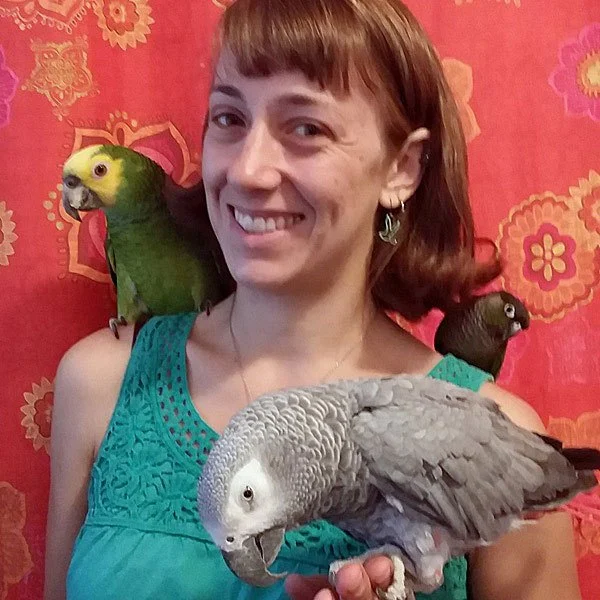
The decision to dedicate two separate sessions to avian neoplasia underscores the complexity and breadth of the subject matter. The sheer variety of avian species kept as pets, each with its own predispositions and unique physiological responses, necessitates a detailed examination. Furthermore, the diagnostic and therapeutic challenges associated with bird cancers require specialized knowledge that is not always readily available to the average pet owner. Dr. Lamb’s expertise, highlighted by her image with a prominent Amazon parrot and an African Grey – two popular pet bird species – suggests a practical, hands-on approach to the subject.
Timeline of Educational Offerings
The "Avian Vet Insider" series has a history of addressing critical topics in avian health. Previous webinars have likely covered areas such as common avian diseases, nutritional requirements, behavioral issues, and preventative care. The current focus on neoplasia marks a significant step towards addressing more complex and serious health challenges.
- Pre-Webinar: Information regarding the webinar, including the date, time, and speaker, has been disseminated through [mention potential channels like veterinary association newsletters, pet bird forums, veterinary clinic websites, or organizational social media].
- Webinar Date: Friday, April 10, 2026.
- Webinar Time: 12:00 p.m. PST. Participants are strongly advised to utilize the provided time zone converter link (https://www.timeanddate.com/worldclock/converter.html) to confirm their local broadcast time, ensuring no overlap or missed information due to time zone variations.
- Post-Webinar (Implied): Following "Part 1," an announcement for "Avian Neoplasia, Part 2" is anticipated, which will likely build upon the foundational knowledge presented in the initial session, potentially delving deeper into specific cancer types, diagnostic modalities, treatment options, and prognosis.
Expert Insight: Dr. Stephanie Lamb’s Contribution

Dr. Stephanie Lamb brings a wealth of experience and specialized knowledge to this critical topic. Her dedication to avian health is evident in her commitment to educating the wider community. In the context of avian neoplasia, her role as an "insider" suggests that she will offer insights derived from extensive clinical practice and potentially from research within the field.
During the webinar, Dr. Lamb is expected to cover:
- Common Avian Cancers: This will likely include discussions on tumors affecting organs such as the liver, spleen, kidneys, and reproductive tract. Specific examples might include lymphomas, sarcomas, and carcinomas prevalent in bird populations.
- Rarer Avian Cancers: The presentation will also shed light on less frequently encountered, but no less significant, neoplastic conditions. This may involve discussing genetic predispositions in certain breeds or species, or cancers arising from unusual tissue types.
- Diagnostic Approaches: While the primary focus is on identification and types, an overview of how veterinarians diagnose avian cancers, including imaging techniques (radiography, ultrasound), bloodwork, and biopsy procedures, may be touched upon.
- Clinical Presentation: Understanding how neoplastic diseases manifest in birds is crucial for early detection. Dr. Lamb will likely discuss common signs and symptoms that owners should be vigilant for, such as weight loss, lethargy, changes in appetite or droppings, palpable masses, or respiratory distress.
Supporting Data and Broader Context
While specific statistics on avian neoplasia are less readily available than for more common companion animals like dogs and cats, studies and veterinary observations indicate a significant presence of cancer in pet birds.
- Prevalence: Research published in veterinary journals often highlights that neoplastic diseases are a leading cause of morbidity and mortality in pet birds, particularly in older animals. The lifespan of many pet bird species has increased significantly due to advancements in husbandry and veterinary care, allowing age-related diseases like cancer to become more prominent. For example, parrots can live for several decades, with some species exceeding 50 or even 70 years.
- Species Predispositions: Certain species may exhibit higher incidences of particular types of cancer. For instance, African Greys and Amazons have been noted in some literature to be predisposed to certain tumors. This aspect will likely be addressed by Dr. Lamb, providing owners with species-specific awareness.
- Environmental and Genetic Factors: The role of environmental factors, such as exposure to toxins or viruses, and genetic predispositions are areas of ongoing research in avian oncology. Understanding these influences can inform preventative strategies.
- Diagnostic Challenges: The small size and unique anatomy of birds present specific challenges for diagnostic procedures and surgical interventions compared to larger animals. This often necessitates specialized equipment and techniques.
Implications for Pet Bird Owners and Veterinary Professionals
The implications of understanding avian neoplasia are far-reaching:
- Early Detection and Intervention: Increased owner awareness of signs and symptoms can lead to earlier veterinary intervention, which is often critical for successful management and potentially improved outcomes. This can translate to better quality of life for the bird and reduced emotional distress for the owner.
- Informed Decision-Making: Knowledge about the types of cancers, diagnostic processes, and treatment limitations empowers owners to make informed decisions in consultation with their avian veterinarian regarding diagnostic tests, palliative care, or therapeutic interventions.
- Advancement of Avian Veterinary Care: Educational initiatives like this webinar contribute to the ongoing professional development of veterinarians and veterinary technicians, ensuring they are equipped with the latest knowledge and best practices in avian oncology.
- Focus on Preventative Health: While not all cancers are preventable, understanding risk factors and promoting a healthy lifestyle for birds (proper diet, stress reduction, safe environment) can play a role in overall well-being and potentially mitigate certain risks.
Anticipated Reactions and Community Engagement
Given the sensitive nature of cancer, it is anticipated that the webinar will generate significant interest and potentially emotional responses from attendees. Many pet bird owners view their birds as integral family members, and the prospect of their beloved companions developing serious illnesses is a source of considerable anxiety.
- Expressions of Gratitude: It is likely that many participants will express their gratitude for Dr. Lamb’s willingness to share her expertise on such a difficult subject, acknowledging the value of accessible, reliable information.
- Personal Testimonials and Questions: Attendees who have experienced avian neoplasia firsthand are likely to engage by sharing their stories and posing specific questions related to their past or present situations. This will underscore the real-world impact of the topic.
- Demand for Further Information: The success of "Part 1" will undoubtedly fuel anticipation for "Part 2," with participants likely eager to delve deeper into treatment strategies, prognosis, and long-term care management.
Conclusion
The "Avian Vet Insider: Avian Neoplasia, Part 1" webinar represents a vital contribution to the field of avian health education. By providing expert insights into a complex and often challenging aspect of bird well-being, Dr. Stephanie Lamb is poised to equip pet owners and veterinary professionals with crucial knowledge. The timely offering of this webinar series underscores a growing commitment to the comprehensive health and welfare of companion birds, fostering a more informed and proactive approach to managing serious health conditions within this cherished group of animals. The date of Friday, April 10, 2026, marks an important opportunity for those invested in avian health to gain valuable understanding and support.
