
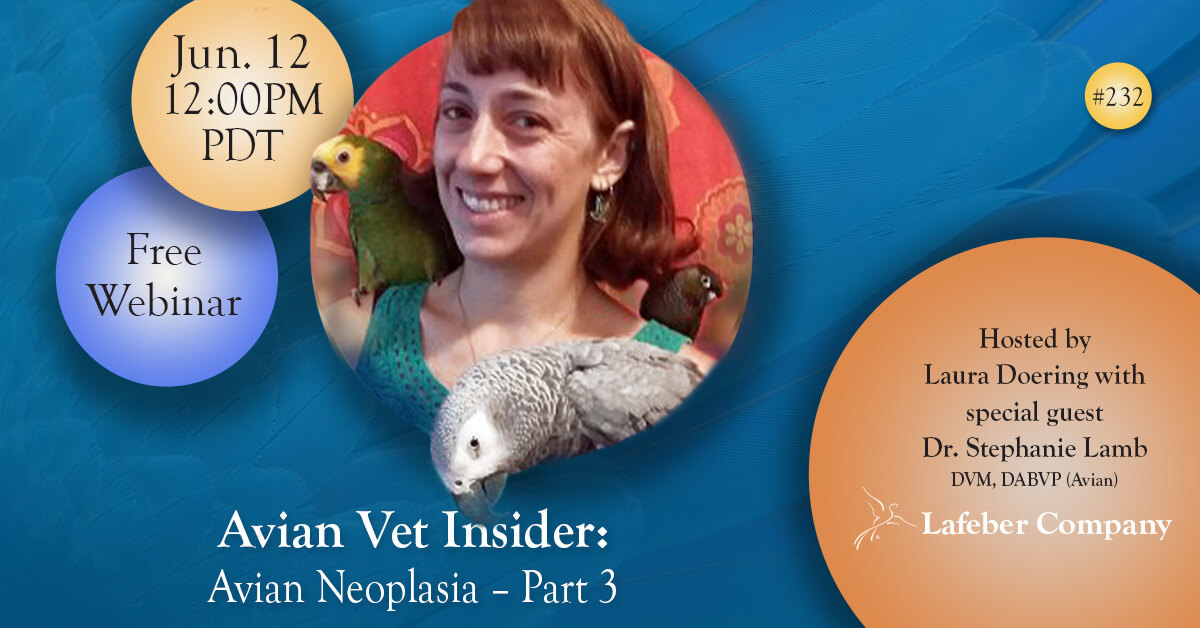
Lafeber Company is set to host the concluding segment of its three-part webinar series on avian neoplasia, featuring distinguished avian veterinarian Dr. Stephanie Lamb. Scheduled for Friday, June 12, 2026, at 12:00 p.m. PDT, this educational event aims to deepen the understanding of neoplastic conditions affecting pet birds. The webinar will build upon the foundational knowledge established in the previous two installments, delving into a broader spectrum of tumor types and their potential impact on avian health. Bird owners, veterinary professionals, and avian enthusiasts are invited to participate in this critical discussion that promises to equip attendees with enhanced knowledge for improved pet care and informed decision-making.
A Comprehensive Look at Avian Neoplasia
Avian neoplasia, commonly referred to as cancer in birds, represents a significant health concern within the pet bird population. While research into avian cancers has advanced considerably, many owners still face challenges in understanding the complexities of these diseases. Dr. Lamb’s webinar series is designed to demystify avian neoplasia, offering practical insights and up-to-date information.
Part 3 of the series is particularly crucial as it broadens the scope beyond previously discussed areas such as skin, reproductive organs, and other commonly affected systems. This final session will explore additional anatomical regions where neoplastic growths can manifest, highlighting the diverse nature of these conditions. Understanding the varied presentation of avian tumors is essential for early detection and effective management, ultimately contributing to a higher quality of life for affected birds.
The decision to host a three-part series underscores the depth and complexity of avian neoplasia. This structured approach allows for a progressive build-up of knowledge, ensuring that participants can grasp intricate details without feeling overwhelmed. The initial webinars likely covered fundamental aspects of neoplasia, including cellular mechanisms, common tumor classifications, and perhaps initial diagnostic approaches. Part 3, therefore, serves as the capstone, integrating this information with a wider clinical perspective.
Dr. Stephanie Lamb: A Leading Voice in Avian Veterinary Medicine
Dr. Stephanie Lamb is a recognized authority in the field of avian medicine, bringing a wealth of experience and expertise to this webinar series. Her dedication to advancing avian health education is evident in her commitment to sharing complex scientific information in an accessible manner. Dr. Lamb’s contributions to veterinary literature and her clinical practice have undoubtedly informed the content of this series, making it a valuable resource for the avian community.
The participation of an expert like Dr. Lamb lends significant credibility to the webinar. Attendees can anticipate receiving evidence-based information presented by a practitioner at the forefront of avian oncology. Her ability to translate intricate pathological processes into understandable terms is a vital component in empowering bird owners and veterinary staff.
Webinar Logistics and Accessibility
The webinar is scheduled for Friday, June 12, 2026, at 12:00 p.m. Pacific Daylight Time (PDT). Given the global nature of the pet bird community, Lafeber Company has thoughtfully included a link to a time zone converter (https://www.timeanddate.com/worldclock/converter.html) to assist participants in verifying their local time. This proactive measure demonstrates a commitment to ensuring broad accessibility and participation.
Registration for the webinar is facilitated through a direct link (https://us02web.zoom.us/webinar/register/WN_aiJWIEWITS-OdKTI3HRMXQ), allowing interested parties to secure their virtual seat promptly. The use of a platform like Zoom for webinars has become standard practice, offering interactive features such as Q&A sessions that can further enhance the learning experience.
Background and Context: The Growing Importance of Avian Health
The Lafeber Company, a well-established name in avian nutrition and health, has a long-standing tradition of providing educational resources for pet bird owners and veterinary professionals. Their commitment to advancing the well-being of companion birds is reflected in initiatives like this webinar series. In recent years, there has been a discernible increase in the focus on specialized veterinary care for exotic pets, including birds. As bird ownership continues to grow, so does the demand for in-depth knowledge regarding their unique health challenges.
Avian neoplasia, in particular, has become a more recognized concern as diagnostic capabilities improve and birds live longer, healthier lives under the care of dedicated owners. This increased longevity, coupled with better diagnostic tools, has led to a greater incidence of age-related diseases, including cancer. Therefore, educational events like this webinar are not just informative; they are essential for promoting proactive health management and addressing the evolving needs of the avian pet population.
Expanding the Scope: What to Expect in Part 3
Building upon the previous segments, "Avian Neoplasia, Part 3" is poised to cover a wider array of neoplastic conditions. While the specific tumor types to be discussed are not detailed in the initial announcement, it can be inferred that Dr. Lamb will extend her coverage to less common, yet significant, types of tumors. This might include neoplasms affecting:
- Respiratory System: Tumors of the trachea, syrinx, lungs, or air sacs. These can significantly impact a bird’s ability to breathe and vocalize.
- Digestive System: Neoplasms of the esophagus, proventriculus, ventriculus, intestines, or cloaca. These can lead to issues with digestion, nutrient absorption, and waste elimination.
- Nervous System: Brain tumors or tumors affecting peripheral nerves. These can manifest in neurological signs such as seizures, paralysis, or behavioral changes.
- Skeletal System: Bone tumors or tumors affecting cartilage. These can cause pain, lameness, and mobility issues.
- Other Organ Systems: Including tumors of the liver, spleen, kidneys, or even the eyes.
The announcement specifically mentions expanding on "earlier discussions of skin, reproductive, and other organ systems." This suggests that Part 3 might offer more advanced insights into these areas or revisit them with a focus on less common presentations or treatment modalities. The phrase "additional areas of the body that may be involved" further reinforces the comprehensive nature of this final installment.
The ultimate goal of understanding these conditions is to empower owners. Cancer diagnoses can be emotionally challenging for any pet owner. However, by providing clear, factual information about the types of neoplasia, their potential symptoms, diagnostic pathways, and management strategies, Dr. Lamb aims to equip owners with the knowledge to make informed decisions in collaboration with their avian veterinarians. This proactive approach can lead to earlier intervention, potentially better treatment outcomes, and improved quality of life for their feathered companions.
Supporting Data and Research in Avian Oncology
The field of avian oncology is continuously evolving, driven by ongoing research and advancements in veterinary diagnostics and therapeutics. While specific data points for this webinar are not provided, it is reasonable to assume Dr. Lamb will draw upon current literature and clinical findings.
- Prevalence: Studies on the prevalence of avian neoplasia vary depending on the bird species, age, and husbandry conditions. However, it is generally recognized as a significant cause of morbidity and mortality in pet birds, particularly in older individuals. For instance, some research indicates that tumors can account for a substantial percentage of necropsy findings in pet birds, with figures ranging from 10% to over 20% in some studies.
- Common Tumor Types: While Part 3 will broaden the scope, it is worth noting that certain tumor types are more frequently encountered. Lipomas (benign fatty tumors), squamous cell carcinomas (often skin-related), and various types of sarcomas and carcinomas are among the more common diagnoses. Reproductive tract tumors, such as ovarian or testicular tumors, are also well-documented and can be quite aggressive.
- Diagnostic Tools: Advancements in veterinary imaging, such as radiography, ultrasound, and CT scans, have greatly improved the ability to detect and stage avian tumors. Cytology and histopathology remain the gold standard for definitive diagnosis and classification of neoplastic lesions.
- Treatment Modalities: Treatment options for avian neoplasia, much like in human oncology, can include surgery, chemotherapy, radiation therapy, and palliative care. The success of treatment is highly dependent on the type and stage of the tumor, as well as the overall health of the bird.
The growing body of research in avian oncology is critical for developing more effective diagnostic and therapeutic strategies. Webinars like this serve as a vital bridge, translating this research into practical knowledge for those who care for birds.
Implications for Pet Bird Owners and the Veterinary Community
The implications of "Avian Neoplasia, Part 3" extend to both pet bird owners and the broader veterinary community. For owners, the webinar offers a pathway to becoming more informed advocates for their pets’ health. Understanding the potential signs of neoplasia, even those that are less common, can lead to earlier veterinary consultation. This is crucial because early detection is often a key determinant of successful treatment and prognosis in cancer cases.
For veterinary professionals, particularly those in general practice or with a focus on avian medicine, the webinar provides an opportunity for continuing education. Staying abreast of the latest information on avian neoplasia ensures that they can offer the most current and effective diagnostic and treatment plans to their clients. The series can also foster a greater appreciation for the complexity of avian health and the specialized care birds require.
The fact that this is the third part of a series suggests a dedicated effort by Lafeber Company and Dr. Lamb to address a significant and ongoing issue in avian health. This commitment to in-depth education highlights the growing sophistication of avian veterinary medicine and the increasing recognition of neoplasia as a critical area of concern.
Conclusion: A Vital Resource for Avian Well-being
The upcoming webinar, "Avian Neoplasia, Part 3," represents a significant educational opportunity for anyone involved in the care of pet birds. By delving into a wider range of neoplastic conditions and building upon previous discussions, Dr. Stephanie Lamb aims to equip attendees with comprehensive knowledge. This ultimately empowers them to better understand, identify, and manage these complex diseases, contributing to the long-term health and well-being of avian companions. The accessible format and expert guidance offered by Lafeber Company and Dr. Lamb make this a highly anticipated and valuable event in the realm of avian health education.
