
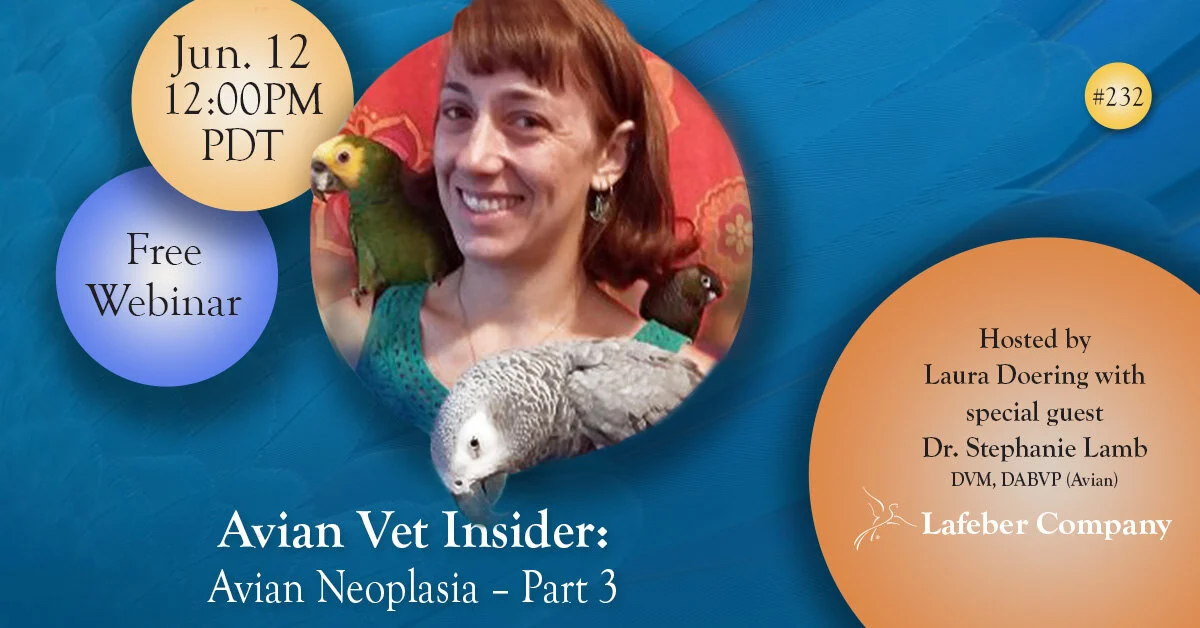
On Friday, June 12, 2026, avian veterinarians and enthusiasts will have the opportunity to delve deeper into the complex world of avian neoplasia with the final installment of a three-part webinar series. Hosted by Dr. Stephanie Lamb, this session, titled "Avian Neoplasia, Part 3," promises to expand upon the critical understanding of tumor types affecting pet birds, building upon the foundational knowledge established in the previous two parts. The webinar is scheduled to commence at 12:00 p.m. PDT. Participants are strongly encouraged to utilize a time zone converter to confirm their local broadcast time, given the global reach of such online educational events.
Building on a Foundation of Avian Oncology
The "Avian Neoplasia" webinar series represents a significant educational initiative aimed at equipping pet bird owners and veterinary professionals with advanced knowledge regarding cancer in avian species. The initial parts of the series, held prior to this concluding session, are understood to have laid the groundwork by exploring common sites and presentations of neoplastic diseases. This has likely included discussions on tumors affecting the skin, reproductive organs, and various internal organ systems, which are frequently impacted by cancerous growths in birds.
Dr. Stephanie Lamb, a recognized expert in avian medicine, brings her extensive experience and research to this series. Her contributions are vital in demystifying a subject that can be profoundly distressing for bird owners. The progression from Part 1 and Part 2 to this final segment indicates a carefully structured curriculum designed to provide a comprehensive overview of avian neoplasia. This approach ensures that attendees can progressively absorb complex information, starting with general principles and moving towards more specific and advanced topics.
Expanding the Scope: Beyond Common Presentations
"Avian Neoplasia, Part 3" is specifically designed to broaden the audience’s understanding by exploring additional areas of the avian body that can be affected by neoplastic conditions. While previous installments may have covered prevalent tumor types, this concluding session is poised to address less frequently discussed, yet equally significant, neoplastic manifestations. This could encompass a wide array of organ systems, including but not limited to, the respiratory tract, digestive system, musculoskeletal system, and neurological tissues.
The implications of such an expansion are substantial. Understanding the diverse locations and presentations of avian tumors is crucial for early detection and accurate diagnosis. Neoplasia in birds can often present with subtle clinical signs, making them easily overlooked until the disease has progressed significantly. By highlighting a wider spectrum of potential sites, Dr. Lamb aims to enhance the diagnostic acumen of attendees, enabling them to recognize potential issues across various anatomical regions.
The Importance of Informed Care and Decision-Making
The diagnosis of cancer in a beloved pet bird can be an overwhelming experience for owners. This webinar series, culminating in Part 3, serves a dual purpose: to educate on the biological aspects of avian neoplasia and to empower owners with the knowledge needed for informed care and decision-making. Understanding the nature of different tumor types, their potential origins, and their impact on a bird’s physiology allows owners to engage more effectively with their veterinarians.
This informed participation is critical for several reasons. Firstly, it facilitates a collaborative approach to diagnosis and treatment planning. When owners can articulate their observations and understand the diagnostic processes, they can work more effectively with their veterinary team. Secondly, it aids in setting realistic expectations regarding prognosis and treatment outcomes. Avian oncology is a rapidly evolving field, but it is still characterized by challenges, and a clear understanding of the disease’s complexities can help owners navigate difficult choices with greater clarity and emotional preparedness.
Background and Context of the Webinar Series
The "Avian Neoplasia" webinar series is likely hosted by an organization dedicated to advancing avian health and welfare, such as Lafeber Company, indicated by the domain in the provided image source. Lafeber Company is well-known for its commitment to providing high-quality nutritional products and educational resources for pet bird owners and avian veterinarians. Such initiatives underscore a growing recognition of the importance of specialized veterinary knowledge in the care of companion birds.
The increasing lifespan of pet birds, due to advancements in husbandry and veterinary care, has consequently led to a rise in age-related diseases, including cancer. This trend necessitates ongoing education for both veterinary professionals and informed pet owners. Webinar formats are particularly effective for delivering this specialized content, offering accessibility and flexibility to a global audience. The three-part structure suggests a deliberate pedagogical approach, ensuring that the complex subject matter is presented in a digestible and progressive manner.
Timeline and Chronology of the Series
While the exact dates for Part 1 and Part 2 of the "Avian Neoplasia" webinar series are not provided, the scheduling of "Part 3" on Friday, June 12, 2026, indicates that the series has been ongoing. Assuming a logical progression, Part 1 likely occurred earlier in 2026 or even in late 2025, establishing the fundamental principles of avian neoplasia. Part 2 would have followed, delving into more specific organ systems or types of tumors. This concluding session, Part 3, then builds upon that established knowledge base.
This chronological structuring is a hallmark of effective educational programming. It allows participants to build their understanding systematically. For those who may have missed earlier sessions, recorded versions are often made available, enabling them to catch up and fully benefit from the final installment. The anticipation for this final session suggests a strong interest within the avian veterinary community and among dedicated bird keepers.
Supporting Data and Emerging Trends in Avian Oncology
While specific statistics for "Avian Neoplasia, Part 3" are not available, broader trends in avian oncology highlight the critical need for such educational endeavors. Research indicates that neoplasia is a significant cause of morbidity and mortality in pet birds, particularly in older individuals. For instance, certain species are predisposed to specific types of tumors. Macaws, for instance, are known to have a higher incidence of lipomas and adenocarcinomas. African Grey parrots may exhibit a higher risk for certain lymphomas.
The development of diagnostic tools and treatment modalities for avian neoplasia has seen considerable progress. Histopathology remains the gold standard for definitive diagnosis, but advancements in imaging techniques such as ultrasound and CT scans are improving the ability to detect, stage, and monitor tumors. Treatment options, while often challenging and dependent on the tumor type, location, and the bird’s overall health, can include surgical excision, chemotherapy, and radiation therapy, although the latter is less common in pet birds due to specialized equipment and expertise requirements.
Potential Inferences and Reactions from Related Parties
Given the professional nature of this webinar, it is reasonable to infer that veterinary associations, avian specialty groups, and avian rescue organizations would likely endorse or promote such an educational event. These groups often prioritize continuing education for their members and stakeholders to enhance the standard of care for avian patients.
One might anticipate a statement from a representative of an avian veterinary association, such as the Association of Avian Veterinarians (AAV), acknowledging the importance of Dr. Lamb’s series. Such a statement could emphasize the growing body of knowledge in avian oncology and the critical role of continuing education in addressing emerging health concerns in companion birds. Similarly, leaders of large avian rescue organizations might express their hope that the knowledge gained from this webinar will empower their staff and volunteers to better identify and manage health issues in rescued birds, ultimately improving their adoptability and quality of life.
Broader Impact and Implications for Avian Health
The implications of successful and widely attended webinars like "Avian Neoplasia, Part 3" extend far beyond the immediate participants. Firstly, they contribute to a more informed and skilled veterinary workforce capable of diagnosing and managing complex avian diseases. This, in turn, leads to improved patient outcomes and increased client satisfaction.
Secondly, by educating pet owners, these webinars foster a more proactive approach to avian health. Owners who are better informed are more likely to seek veterinary attention early, recognize subtle signs of illness, and adhere to treatment plans. This can lead to earlier interventions, potentially improving prognoses and extending the lives of pet birds.
Finally, the ongoing dissemination of cutting-edge knowledge in avian neoplasia through accessible platforms like webinars helps to elevate the overall standard of care for pet birds. As more professionals and owners become aware of the latest research and best practices, the collective ability to address challenging conditions like cancer will undoubtedly improve, benefiting the well-being of countless avian companions worldwide. The conclusion of this series represents a significant step in this ongoing educational journey.
