
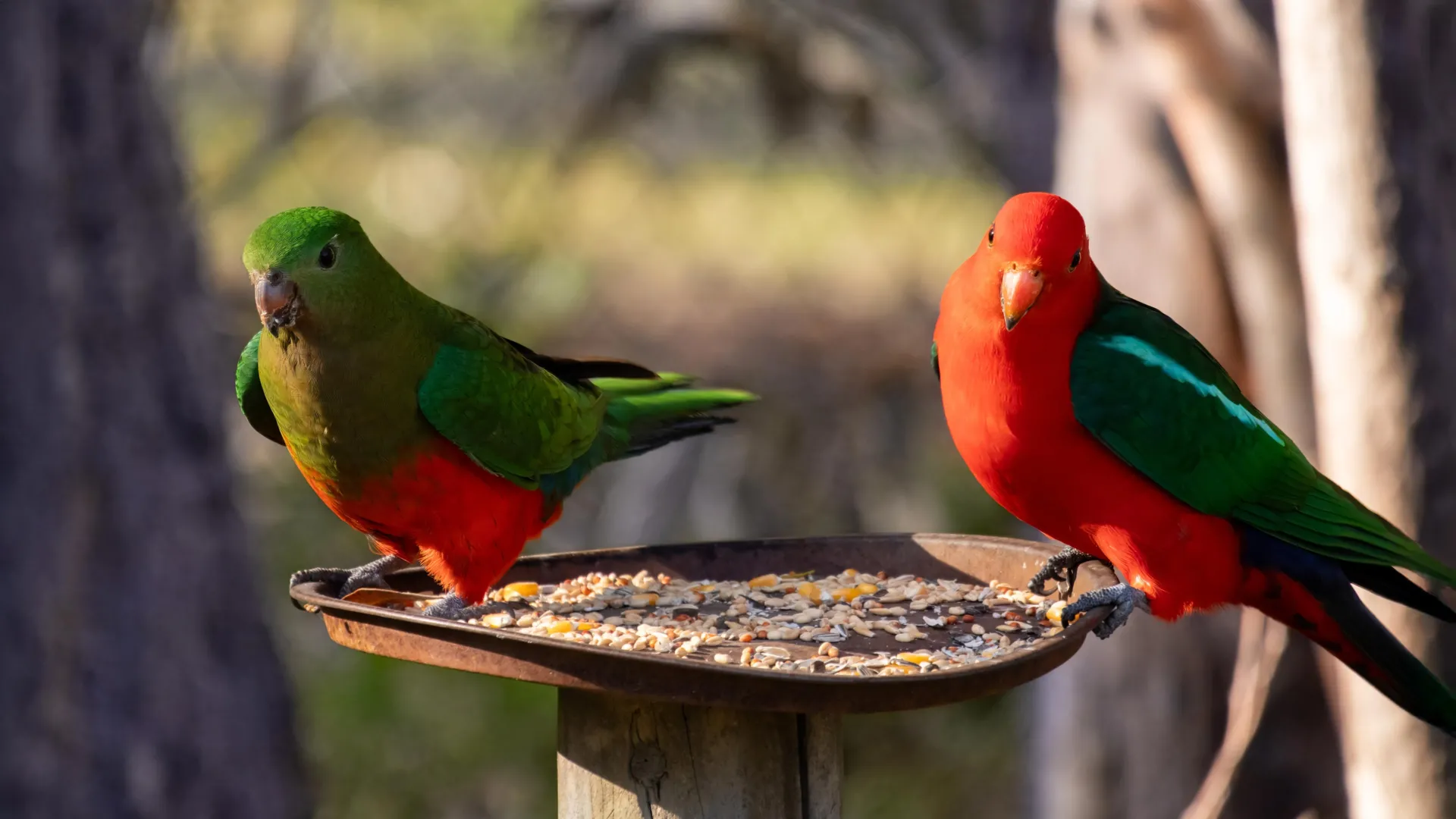
The popular pastime of backyard bird feeding, practiced by approximately half of Australian households daily, has emerged as a potential ecological catalyst for the spread of the highly pathogenic H5N1 avian influenza virus. As the deadly strain continues its unprecedented global trajectory—having already devastated wild bird and mammal populations worldwide—biosecurity experts are raising alarms regarding domestic feeding stations. These backyard hubs risk becoming viral transmission hotspots, forcing authorities to weigh the cultural benefits of connecting with urban wildlife against the catastrophic threat posed to native biodiversity, vulnerable species, and agricultural biosecurity.
The arrival and escalation of H5N1 in Australia represent a critical juncture in the nation’s wildlife health management. While Australia was historically isolated from the most aggressive strains of avian influenza, the virus has breached the continent’s geographic barriers, demonstrating a profound capacity to infect not only avian populations but also mammalian species. Recent mortality events underscore the severity of the crisis. More than 1,000 crested terns were recently found dead in a single mass mortality event, alongside the grim milestone of the first H5N1 detection in a mainland Australian mammal: a long-nosed fur seal. These incidents mark a significant escalation from previous localized outbreaks, signaling that the virus is actively circulating within local ecosystems and threatening a diverse array of fauna.
To understand the current vulnerability of Australia’s wildlife, one must examine the broader global trajectory of the H5N1 panzootic. Over the past several years, this specific lineage of the virus has swept across North America, Europe, Africa, and South America, driving millions of wild birds to their deaths and crossing the species barrier to infect farmed mink, seals, sea lions, and domestic cats. The virus’s relentless adaptability has alarmed virologists and epidemiologists globally. When H5N1 finally emerged in the Australasian region, conservationists feared its impact on endemic species that possess no prior immunity. The orange-bellied parrot, already teetering on the brink of extinction with only a handful of breeding pairs remaining in the wild, faces a disproportionate existential threat should the virus infiltrate its breeding grounds or supplementary feeding sites.
The core mechanism driving viral transmission at backyard feeding stations is the artificial aggregation of diverse species. Under normal ecological conditions, distinct bird species interact across wide geographic areas with natural spacing. However, backyard bird feeders act as ecological magnets, concentrating high densities of varied species into confined spaces. When an infected bird visits a feeder laden with seeds or meat scraps, it sheds the virus through saliva, nasal secretions, and feces. Susceptible species ingest the contaminated food or water, creating an optimal environment for cross-species viral transmission. This dynamic mirrors the superspreader events documented in human epidemiology, transforming an ordinary suburban garden deck into a viral transmission hub.
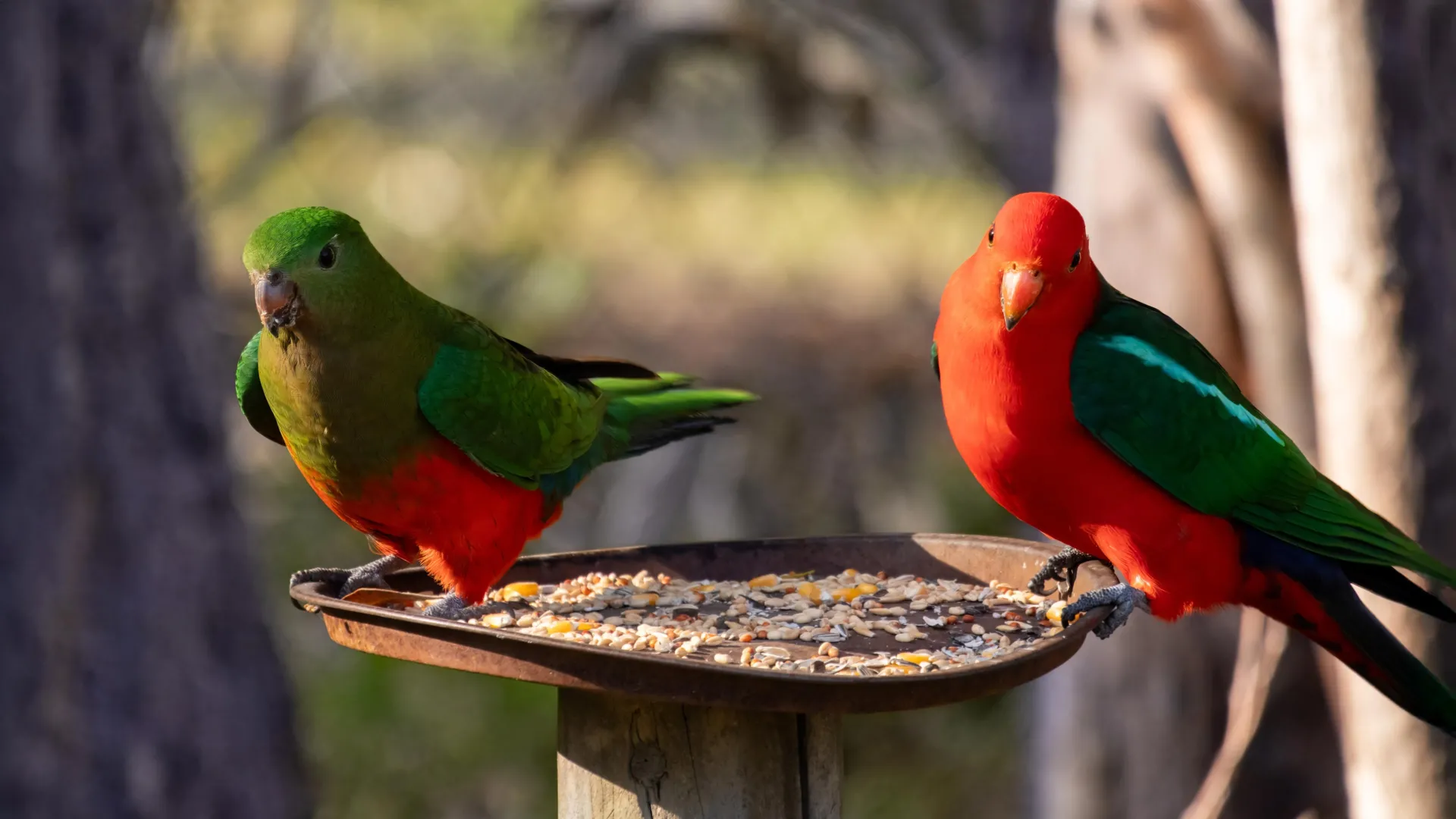
Furthermore, the implications of backyard feeding extend beyond avian-to-avian transmission. Scavenger animals—including introduced red foxes, native possums, and corvids—frequent these areas or scavenge nearby carcasses, introducing the virus into terrestrial mammalian populations. While human infections remain rare and typically manifest with mild symptoms, wildlife carers, veterinarians, and individuals engaged in close contact with sick animals face elevated occupational exposure risks. Public health authorities stress that while the immediate public health threat is low, the uncontrolled circulation of a mutating influenza virus in domestic and peri-urban environments remains a persistent variable that requires rigorous monitoring.
Faced with mounting evidence, biosecurity experts and wildlife conservation organizations are issuing urgent guidance to the public. The most scientifically sound and effective strategy to mitigate this risk is the complete cessation of backyard bird feeding. Contrary to popular belief, wild birds do not rely on human-provided food for survival. Ecological research indicates that birds visiting suburban gardens derive the vast majority of their nutritional requirements from natural sources, such as insects, nectar, and native seeds. Supplementary feeding often serves merely as an incidental snack rather than an essential caloric lifeline, meaning that removing feeders will not starve local populations but will instead encourage natural foraging behaviors and reduce dangerous congregation.
For individuals who choose to continue maintaining feeding stations, public health and agricultural departments recommend strict adherence to risk-reduction protocols. The first precaution is a significant reduction in the volume of food provided. Limiting the supply prevents large flocks from gathering in dense clusters, effectively enforcing a form of social distancing among wildlife. The second critical measure is the absolute cessation of hand-feeding. While hand-feeding is treasured as an intimate wildlife interaction, the physical proximity introduces unnecessary vectors for zoonotic transfer and elevates the risk of accidental exposure. Finally, rigorous sanitation is mandatory. Feeding surfaces, trays, and water baths must be regularly disinfected using commercial-grade domestic bleach solutions. Experts emphasize that individuals unwilling to commit to this rigorous sanitation routine should dismantle their feeding stations immediately.
The broader implications of the H5N1 crisis extend far beyond suburban backyards, threatening commercial poultry industries, international trade, and the conservation status of numerous indigenous species. State and federal agencies have established emergency response protocols to track and contain outbreaks, urging the public to remain vigilant. Citizens are explicitly instructed to avoid all physical contact with sick or dead wild birds and marine mammals. Standard reporting procedures require individuals to record precise locations, capture photographs from a safe distance, restrict pets from accessing carcasses, and immediately report suspicious wildlife mortalities to the Emergency Animal Disease Hotline. As Australia navigates this unprecedented biosecurity challenge, public cooperation in modifying backyard habits will play a pivotal role in curbing the trajectory of the H5N1 virus and safeguarding the nation’s fragile ecosystems.
