
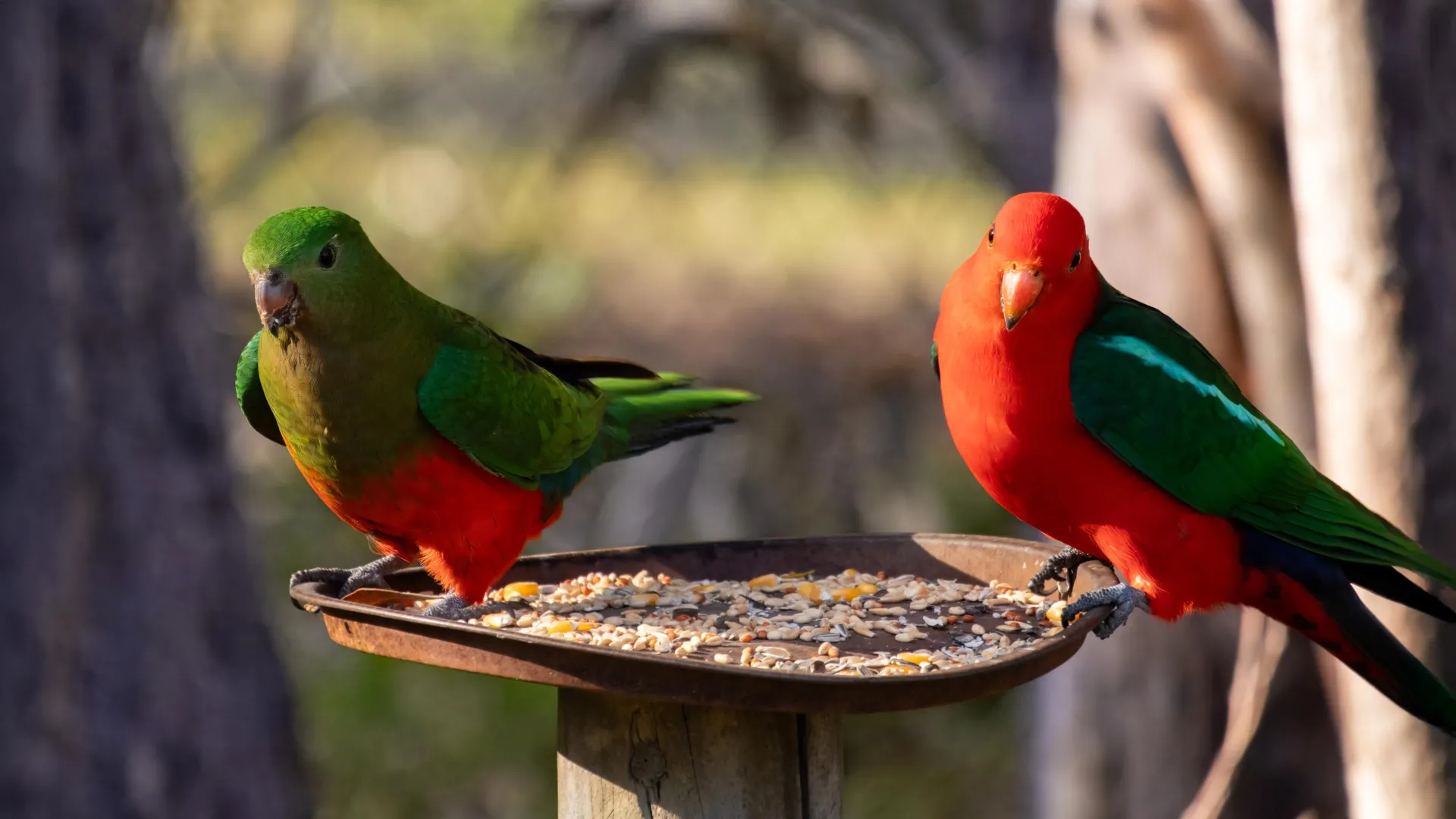
For millions of households across Australia, stepping onto the veranda with a handful of seed or a scrap of meat to greet the morning’s local birdlife is a cherished daily routine. Research indicates that approximately half of all Australian households engage in backyard bird feeding, motivated by a genuine desire to support local wildlife, forge a connection with nature, and provide sustenance during leaner environmental periods. However, public health officials, conservationists, and biosecurity experts are issuing urgent warnings that this well-intentioned pastime may be inadvertently fueling a national ecological emergency.
As the highly pathogenic H5N1 strain of avian influenza sweeps across the continent, suburban backyards and residential gardens risk transforming into transmission hotspots. Biosecurity analysts caution that supplementary feeding practices congregate unnaturally high densities and diverse mixes of species in close quarters, creating ideal conditions for a viral superspreader event. With recent mass mortality events claiming the lives of more than 1,000 crested terns and marking the first mainland mammal death in an Australian long-nosed fur seal, experts are urging the public to rethink how they interact with wild animals before the virus further devastates already vulnerable native species.
The Evolution of the H5N1 Threat in Australia
To understand the gravity of the current situation, context must be drawn from the global trajectory of the H5N1 virus. Over recent years, this specific lineage of highly pathogenic avian influenza has rewritten ecological expectations, spreading across international borders and decimating wild bird populations and mammalian species worldwide. Marine mammals, scavenging carnivores, and apex predators have all fallen victim to the relentless spread of the pathogen, which thrives in environments where host animals congregate in high numbers.
Australia remained uniquely isolated from this global wave for an extended period, largely owing to its geographic insularity. However, that isolation has steadily eroded. The virus has arrived, manifesting in sudden and devastating localized outbreaks along coastal and regional areas. The recent death of more than 1,000 crested terns served as a grim indicator of the virus’s virulence among coastal seabirds. More alarmingly, the confirmation of H5N1 in a long-nosed fur seal on the Australian mainland crossed a critical threshold, proving that the virus has successfully transitioned into local mammalian populations with devastating efficiency.
This chronology of infection highlights a rapidly accelerating timeline. What began as an overseas phenomenon affecting distant ecosystems is now an immediate domestic crisis. As migratory patterns and local wildlife movements intersect with populated residential corridors, the potential for interaction between infected wildlife and human-managed spaces increases exponentially.
Unpacking the Mechanics of Residential Transmission Hotspots
The core danger of backyard bird feeding lies in the artificial aggregation of wildlife. In a natural ecosystem, birds forage across vast distances, maintaining biological spacing that naturally limits the rapid horizontal transmission of pathogens. When humans introduce artificial food sources—such as birdseed stations, suet blocks, or meat scraps—they fundamentally alter this ecological dynamic.
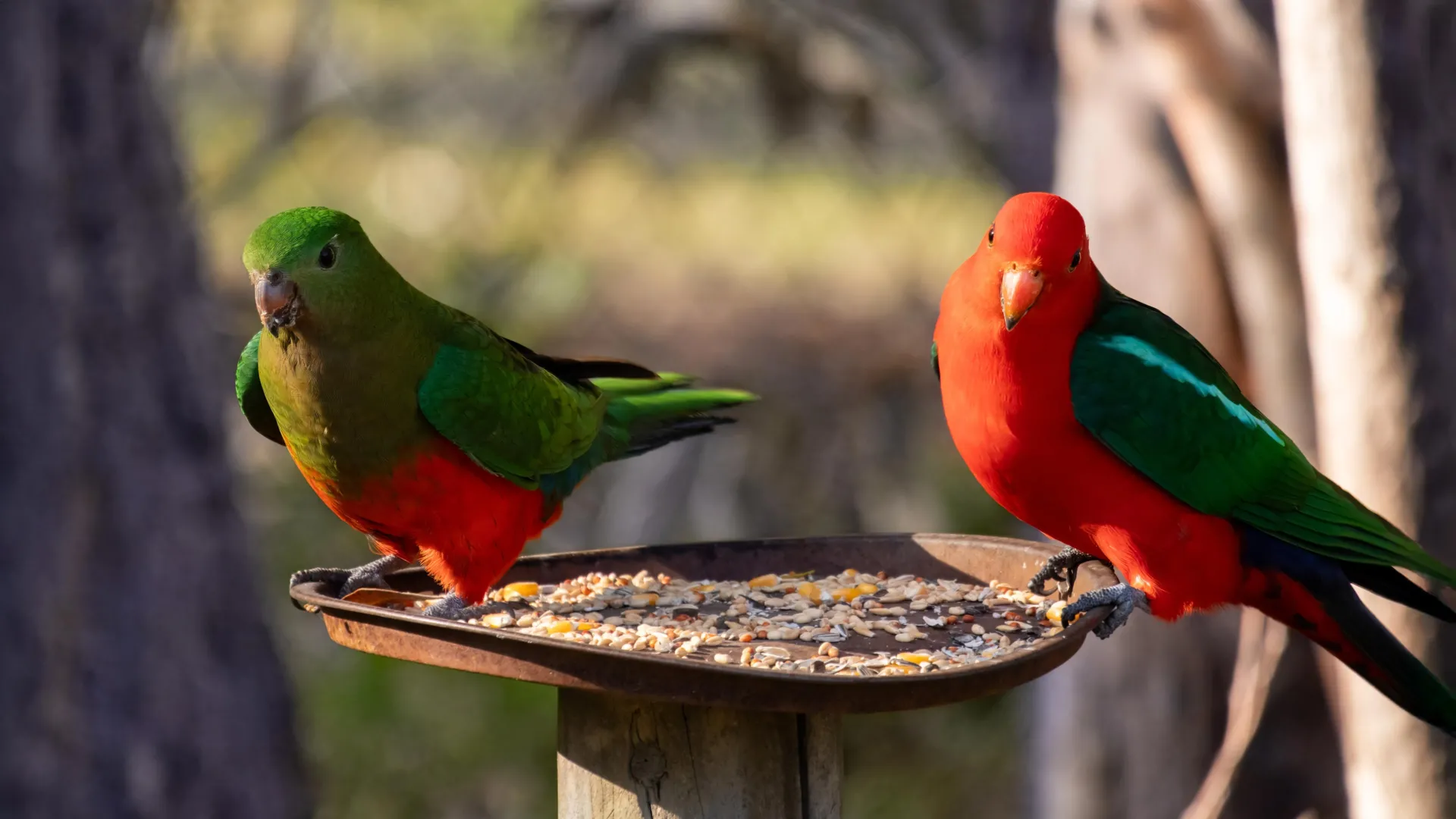
These feeding stations act as ecological magnets, drawing in numerous species, including honeyeaters, parrots, cockatoos, and various urban scavengers, that would rarely interact in such high-density settings. If a single infected bird visits a feeder, it can contaminate perches, feeding trays, and the surrounding soil with viral particles shed through saliva, nasal secretions, or feces. Subsequent visitors ingest or come into close contact with the contaminated material, effectively turning a suburban deck or garden into a localized viral amplifier.
This risk is not merely theoretical. Conservation scientists emphasize that pushing endangered or threatened species—such as the critically endangered orange-bellied parrot—into contact with H5N1 through shared feeding stations could drive vulnerable populations past the brink of extinction. Unlike abundant urban species that may demonstrate higher resilience or genetic diversity, threatened taxa possess smaller baseline populations, meaning a single localized disease event could wipe out decades of conservation recovery efforts.
Beyond Birds: Risks to Scavengers and Human Health
While the primary victims of H5N1 are avian, the secondary and tertiary impacts extend across the broader biological community. Scavenger species—including red foxes, domestic cats, dogs, possums, and corvids like ravens and crows—frequently visit backyard feeding stations or prey upon weakened birds. When these scavengers consume infected carcasses, they expose themselves to high viral loads, serving as bridging hosts that can carry the disease further into domestic and agricultural environments.
The risk profile for humans, while currently considered low, remains a point of active monitoring for health authorities. Direct human contraction of H5N1 is rare, typically occurring only among individuals who maintain prolonged, unprotected contact with infected animals, such as agricultural workers, wildlife rehabilitators, and veterinarians. When human infections do occur, symptoms can range from mild conjunctivitis and respiratory illness to more severe systemic complications. Nevertheless, public health officials stress that complacency is unwarranted. Hand-feeding wildlife—an intimate interaction prized by many backyard bird enthusiasts—drastically increases the risk of accidental exposure through direct contact with saliva or respiratory droplets, a practice health bodies are now advising the public to abandon entirely.
Official Responses and Biosecurity Recommendations
Federal and state agricultural departments, alongside biodiversity councils and environmental agencies, have amplified their messaging regarding biosecurity protocols. Authorities are urging citizens to shift away from passive observation models that rely on high-contact feeding toward passive appreciation, which emphasizes habitat preservation through native planting rather than supplementary feeding.
The Biodiversity Council and associated wildlife health organizations have outlined explicit guidelines for the public to mitigate the risk of disease transmission. These recommendations form a clear hierarchy of safety:
- Cease Feeding Entirely: Experts agree that the single most effective strategy to prevent backyard superspreader events is to stop feeding wild birds altogether. Research demonstrates that backyard visitors derive the vast majority of their nutritional needs from natural sources, such as native flora, insects, and worms. The food provided by humans serves merely as a supplemental snack rather than an essential meal, meaning birds will readily adapt and thrive without residential intervention.
- Drastically Reduce Food Volumes: For those who feel compelled to continue feeding, reducing the quantity of food offered limits the duration and density of congregation. Mirroring social distancing protocols utilized during human public health crises, lowering the number of available feeding sites and reducing food availability encourages birds to disperse, thereby dampening the transmission velocity of H5N1.
- Eliminate Hand-Feeding: Physical interactions with wild animals must cease. The intimacy of having a bird land on a hand or shoulder creates an unnecessary vector for potential zoonotic transmission.
- Enforce Strict Hygiene Standards: If feeding equipment remains operational, rigorous sanitation is non-negotiable. All surfaces, trays, and surrounding grounds must be regularly and thoroughly disinfected using commercial domestic bleach solutions. Biosecurity experts emphasize that individuals unwilling to maintain rigorous cleaning regimens should immediately decommission their feeding stations.
Broader Implications for Australian Ecosystems and Communities
The intersection of backyard bird feeding and the H5N1 crisis underscores a deeper lesson in human-wildlife coexistence. As urban expansion encroaches further into natural habitats, the boundaries separating human domestic spaces from wild ecological systems become increasingly porous.
The economic, agricultural, and conservation implications of an unchecked H5N1 outbreak in Australia are profound. Beyond the immediate tragedy of wildlife mortality, widespread transmission could threaten Australia’s multibillion-dollar poultry industry, trigger severe trade restrictions, and lead to irreversible losses in biodiversity. Biosecurity analysts point out that individual residential choices, multiplied across millions of households, hold tangible sway over the macro-level trajectory of the disease.
While modifying or ending long-held backyard traditions may cause temporary disappointment among wildlife enthusiasts, the temporary curtailment of these habits is a vital sacrifice. By adopting precautionary measures, the Australian public can actively participate in safeguarding the nation’s unique fauna, protecting domestic animals, and mitigating public health risks during a critical period of ecological vulnerability.
Members of the public who encounter sick, distressed, or dead wild birds or marine mammals are strongly advised to maintain a safe distance, refrain from physical contact, secure domestic pets, document locations and photographic evidence, and immediately report the sighting to the Emergency Animal Disease Hotline on 1800 675 888.
