
The survival of coastal bird populations hinges on a delicate balance of habitat management, public awareness, and intensive scientific monitoring. For professionals like the coastal bird technicians at Audubon Delta, the work is a year-round commitment that shifts from the granular details of nest success rates during the breeding season to the broader challenges of migratory advocacy. By combining field data collection with community outreach, these specialists act as the frontline defenders of shorebird species that face increasing environmental pressures.
The Role of a Coastal Bird Technician: Monitoring and Advocacy
A coastal bird technician’s responsibilities are inherently seasonal, defined primarily by the reproductive cycles of avian species. During the spring and summer breeding seasons, the primary focus is population census and reproductive success monitoring. Technicians meticulously count nesting pairs and monitor individual nests to determine how many chicks survive to the fledgling stage—the point at which they are capable of flight.
This data is crucial for assessing the overall health of a population. Beyond counting, technicians must advocate for the birds, ensuring that human activity on beaches does not interfere with nesting sites. This involves educating the public on how to respect cordoned-off areas and minimizing human disturbance. This dual role—part researcher, part educator—is essential in high-traffic coastal zones where human recreation often conflicts with wildlife needs. The work is physically demanding, often requiring long hours in challenging conditions, including intense heat and significant exposure to insects, yet it remains the primary method for gathering the data necessary to inform conservation policy.
Reflecting on Long-Term Research and Success Stories
The impact of this work is often best measured over time. For many technicians, the reward comes in the form of "recaptures" or sightings of previously banded birds. Banding—the practice of attaching a small, unique metal or color-coded tag to a bird’s leg—allows researchers to track individual life histories.
A significant milestone for a technician is witnessing a bird they banded as a chick return to the same area as a mature adult to nest. Such events are not merely anecdotal; they provide vital data on site fidelity and survival rates. When a bird returns to its natal grounds, it signals that the habitat remains viable and that the conservation efforts implemented by organizations like Audubon are successfully maintaining the ecological integrity of the nesting sites.
Expanding Specialized Skills: The Hummingbird Banding Workshop
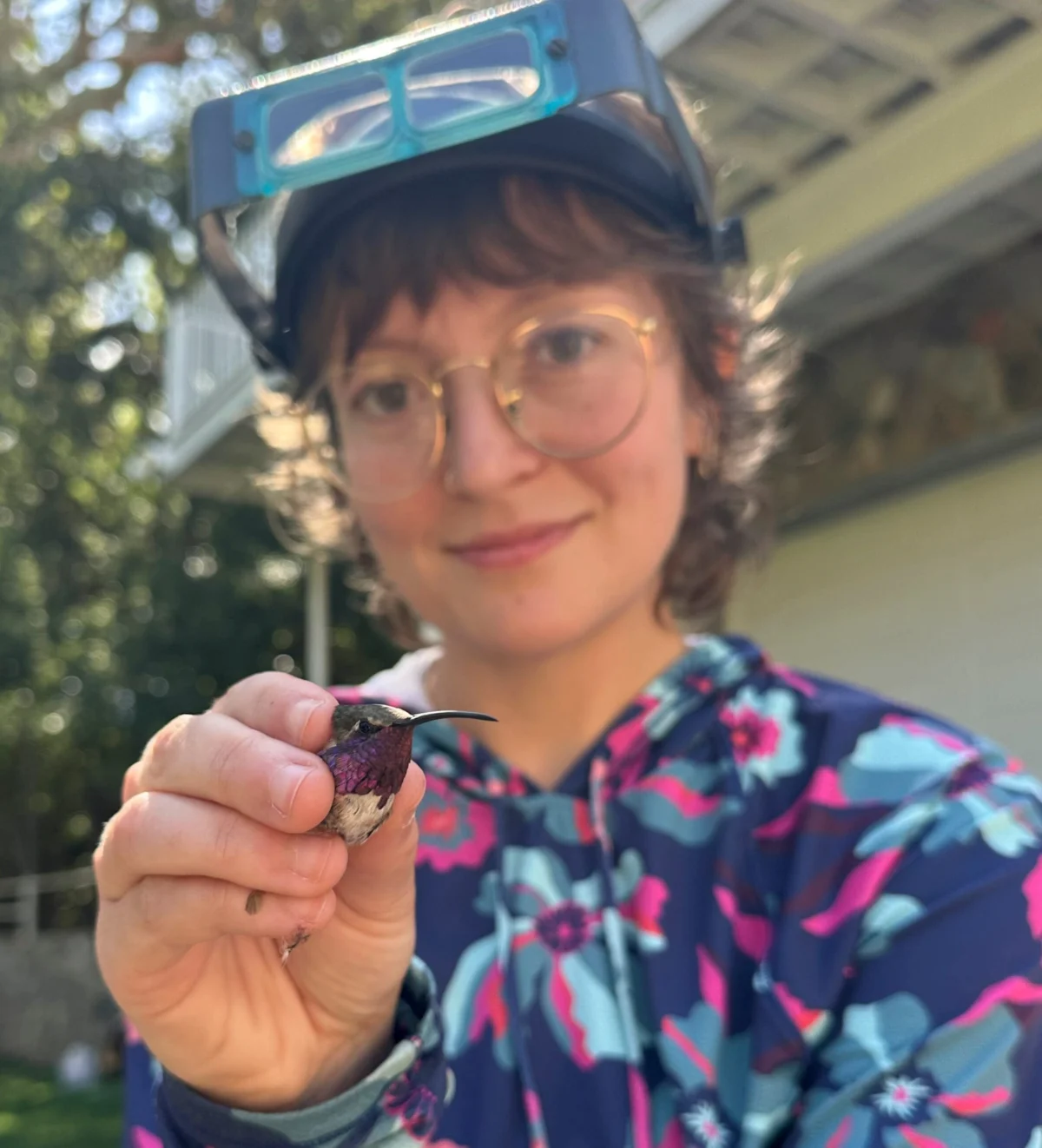
While coastal monitoring is the core of the technician’s role, professional development in avian research is a continuous process. Recently, a member of the Audubon Delta team attended an intensive 10-day hummingbird banding workshop in the Chiricahua Mountains of Arizona, hosted by the Hummingbird Conservation Network and the Southwestern Research Station.
Hummingbird banding is a highly specialized field, distinct from the banding of larger shorebirds. Because hummingbirds are small, delicate, and anatomically unique, the equipment required is remarkably niche. The workshop emphasized the manual fabrication of bands, which involves cutting strips from aluminum sheets, shaping them into microscopic semicircles, and ensuring the final product is free of imperfections that could harm the bird. The process requires extreme precision, as even a minor error in band size or finish can prove fatal to a hummingbird.
The workshop provided hands-on experience in trapping, processing, and measuring these birds. Participants worked at diverse field sites, including documented "hotspots" for rare species such as the Lucifer Hummingbird. By engaging in the Hummingbird Monitoring Network’s census protocols, technicians learned how to integrate banding data with broader migration monitoring, providing a more comprehensive view of population trends during seasonal movements.
Logistics and the "DIY" Nature of Avian Research
A surprising revelation for many professionals entering the world of hummingbird research is the reliance on custom-engineered equipment. Unlike more standardized sectors of ornithology, hummingbird banding often requires researchers to fabricate their own tools, including banding pliers, shears, and specialized formers. This DIY culture exists because the field is relatively young and the tools required to handle the smallest birds in the world are not mass-produced in a way that serves the specialized needs of modern researchers. This insight highlights the importance of institutional knowledge sharing and inter-agency collaboration, as technicians must often rely on the expertise of veterans within the community to acquire or build the necessary instrumentation.
Integrating New Insights into Regional Conservation
The acquisition of these specialized skills has immediate implications for the work performed at Audubon Delta. Currently, the lack of a resident hummingbird bander on staff creates a gap in the organization’s ability to conduct independent research on local hummingbird migration. Training staff members enables the organization to support larger, continent-wide initiatives during birding festivals and scientific monitoring events. Furthermore, the networking opportunities provided by such workshops foster a stronger connection between regional Audubon offices and national scientific bodies, facilitating a more unified approach to bird conservation across different flyways.
Conservation Beyond the Lab: The Impact of Public Awareness
While technical data is vital, the survival of shorebirds and migratory species ultimately depends on the actions of the general public. Shorebirds often use beaches as vital stopover sites during long-distance migrations, some of which span from the Arctic to the tip of South America. When these birds arrive, they are often exhausted and in urgent need of energy.
The primary directive for beachgoers is simple: give birds space. Signs of stress in shorebirds are often subtle; if a flock takes flight as a person approaches, they have already been disturbed. Every time a bird is forced to fly away from a resting or feeding site, it burns precious fat reserves that are necessary for its migration. If this occurs repeatedly throughout a single day, the bird’s ability to successfully complete its journey is significantly diminished.
By understanding that a beach is not just a recreational area but a critical habitat for migratory survival, the public can play a direct role in conservation. Educating the community about these behaviors is perhaps the most effective way to protect species that are increasingly vulnerable to habitat loss and environmental changes.
Broader Implications for Avian Conservation
The integration of advanced banding techniques, dedicated field monitoring, and public advocacy forms a robust framework for conservation. As climate change alters migration patterns and habitat availability, the data collected by coastal bird technicians becomes increasingly valuable. These individuals are not just observers; they are active participants in the management of natural resources.
The future of coastal bird conservation will likely rely on a combination of high-tech tracking, such as light-level geolocators and satellite tags, and the traditional, human-centric methods of observation and banding. By nurturing a workforce that is well-versed in both, organizations like Audubon Delta ensure that they are prepared to face the complex challenges of the 21st century.
The story of the American Dipper—a favorite among many avian researchers—serves as a reminder of why this work matters. As the only semi-aquatic songbird, the Dipper’s unique behavior and specialized foraging style reflect the incredible diversity and adaptation of the avian world. Protecting such species, along with the more common shorebirds and the delicate, high-energy hummingbirds, requires a long-term commitment to the science of ornithology. Through the efforts of skilled technicians and an informed public, these species have a greater chance of navigating an increasingly crowded and changing world. The work is rarely easy, and the mosquitoes are an omnipresent reality, but the cumulative effect of these efforts is a more resilient and better-understood natural environment.
