
GARNER, NC—As the autumn landscape begins its transformation, North Carolina is set to observe Native Plants Week from October 19 through October 25. This annual initiative, which serves as a cornerstone for state environmental advocacy, aims to educate the public on the critical nexus between local flora and the survival of regional bird species and pollinators. Beyond the aesthetic appeal of a colorful fall, the week underscores a growing movement to restore ecological integrity through intentional landscaping and habitat preservation.
The Ecological Imperative: A Symbiotic Relationship
The fundamental philosophy behind the week is rooted in the evolutionary history of the southeastern United States. Native plants are defined as those species that have existed in a specific region for thousands of years, evolving in concert with the local fauna. This co-evolutionary process has created a complex web of dependency.
For avian species such as the Carolina Wren and the Brown-headed Nuthatch, native trees and shrubs are not merely shelters; they are essential life-support systems. During the critical breeding season, native oaks and birches serve as primary hosts for caterpillars. These insects, which are often overlooked by the casual observer, are the primary source of protein for growing chicks. Scientific research indicates that non-native or "exotic" ornamental plants often fail to support the insect populations necessary to sustain avian reproductive cycles, creating an "ecological trap" where birds may nest but struggle to provide adequate nutrition for their offspring.
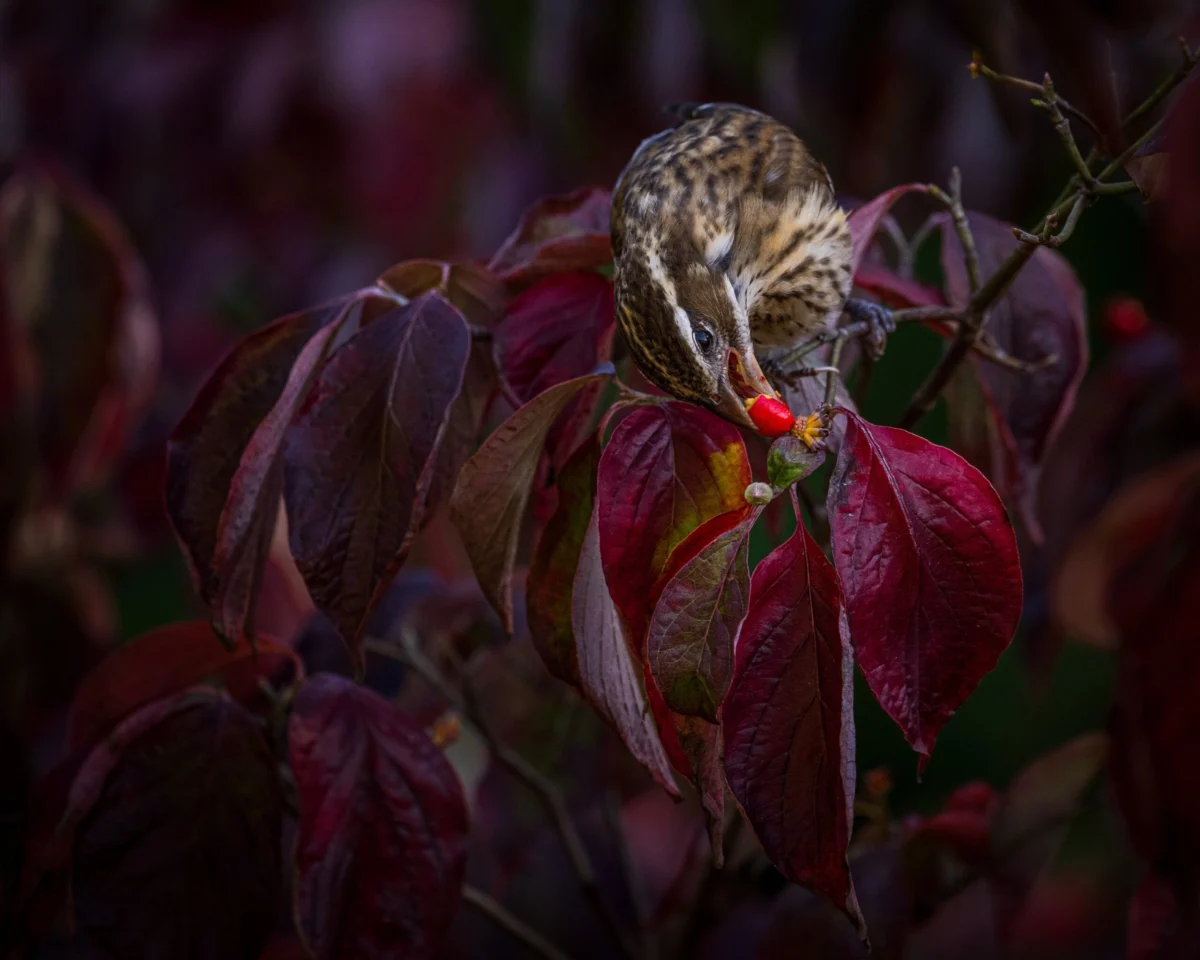
As the season shifts toward winter, the importance of native flora persists. The berries produced by native shrubs provide vital caloric fuel for migratory species like thrushes and catbirds, while the dense canopies of indigenous trees offer refuge from the cooling temperatures.
A Historical Context of Advocacy
The designation of North Carolina Native Plants Week is the result of years of dedicated lobbying by conservation groups, botanists, and state agencies. The movement gained significant momentum over the last decade as reports on declining insect and bird populations began to circulate widely within the scientific community.
Chronologically, the initiative follows a series of state-level policy shifts designed to encourage biodiversity. In recent years, North Carolina has seen increased legislative support for programs that incentivize the removal of invasive species—plants introduced from other regions that outcompete native flora—and the installation of "pollinator corridors." These corridors, which span across residential, commercial, and agricultural zones, are designed to create uninterrupted pathways for butterflies, bees, and birds to travel across the state.
Supporting Data: Why Native Species Matter
North Carolina boasts an impressive botanical diversity, with more than 3,900 native plant species documented within its borders. From the iconic Flowering Dogwood, the state flower, to the ecologically significant Longleaf Pine, the state tree, this diversity is the backbone of the local food web.
Data provided by conservation organizations, including the National Audubon Society, suggests that a significant percentage of residential land in the United States is currently underutilized from an ecological standpoint. By transitioning even a small portion of a residential yard to native plantings, homeowners can contribute to a "homegrown national park" network. Experts point out that a single native oak tree can support hundreds of species of butterflies and moths, whereas a common non-native ornamental tree may support fewer than a dozen.
The Role of Urban Planning and Horticulture
The push for native planting is not limited to rural conservation efforts; it is increasingly a focus of urban planning. As cities like Raleigh, Durham, and Wilmington experience rapid population growth, the loss of green space has become a primary concern for local planners.
"The way we landscape our urban environments directly correlates to the bird species we see in our backyards," notes an environmental analyst familiar with current municipal greening projects. "When developers and homeowners choose native species, they are essentially performing an act of infrastructure maintenance for our local ecosystem."
To assist in this transition, various advocacy groups have released specialized literature, such as comprehensive tree care guides. These documents offer practical advice on selecting the right species for specific soil conditions, light requirements, and regional climate zones, ensuring that the act of planting leads to long-term success rather than immediate plant failure.
Official Perspectives and Institutional Support
Audubon North Carolina, a state program of the National Audubon Society, has emerged as a leading voice in this week’s festivities. With offices strategically located in Durham, Boone, Corolla, and Wilmington, the organization utilizes a multi-pronged approach of advocacy, education, and on-the-ground conservation to push its agenda.
In discussions surrounding this year’s event, representatives from Audubon emphasize that conservation is no longer a task relegated solely to national parks or wilderness preserves. "The future of bird conservation depends on what happens in our private yards and public parks," said an Audubon representative. "By choosing native species, every citizen has the power to play a direct role in protecting the species they see outside their windows."
The National Audubon Society, which has been a nonprofit leader in conservation since 1905, has increasingly shifted its focus toward the intersection of human habitation and avian life. Their work across the Americas demonstrates that science-based conservation—when coupled with public education—can reverse downward trends in avian populations.
Broader Implications: The "Native Advantage"
The implications of prioritizing native plants extend beyond bird watching. Native species are generally better adapted to the North Carolina climate, requiring less supplemental water, fewer fertilizers, and minimal pesticide intervention once established. This makes them a cost-effective choice for the modern homeowner and a sustainable option for large-scale landscaping.
Furthermore, native plants play a critical role in soil health and water management. Their deep, complex root systems are superior at preventing erosion and filtering runoff compared to the shallow root systems of many non-native turf grasses. During the heavy rainfall events that periodically impact the North Carolina coast and piedmont, these plants provide essential flood mitigation services.
How to Participate
For residents looking to participate in North Carolina Native Plants Week, the process is straightforward:
- Assess Your Space: Identify areas in your yard or community space that could benefit from a native tree or shrub.
- Consult Local Guides: Utilize resources from the North Carolina Native Plant Society or local Audubon chapters to select species that are native to your specific county.
- Prioritize Diversity: Aim for a mix of trees, shrubs, and perennials to provide a continuous source of food and shelter throughout the changing seasons.
- Remove Invasives: Where possible, replace non-native, invasive species that may be encroaching on your property.
- Monitor Progress: Observe the changes in local bird and insect activity throughout the following year to witness the immediate impact of your efforts.
As the state marks this week, the focus remains on the long-term vision of a healthier, more resilient North Carolina. By fostering a deeper appreciation for the plants that have defined the landscape for millennia, residents are ensuring that the state remains a hospitable home for its diverse bird populations for generations to come. The goal is simple: to transform every patch of soil into a sanctuary, one native plant at a time.
