
The Stratford Democratic Town Committee has officially announced Corrie Folsom-O’Keefe, the Director of Bird Conservation for Audubon Connecticut, as the 2026 recipient of the prestigious Terry Backer Environmental Champion Award. This recognition honors Folsom-O’Keefe’s multi-faceted contributions to ecological restoration, community-based conservation initiatives, and the sustained protection of Connecticut’s coastal biodiversity. The award, named in memory of the late Terry Backer—a legendary environmental advocate and former state representative—seeks to highlight individuals who emulate his lifelong commitment to public service and environmental stewardship.
The Legacy of Terry Backer and the Award’s Significance
Terry Backer (1954–2015) was a transformative figure in Connecticut environmentalism. Known affectionately as the “Long Island Soundkeeper,” he spent his career fighting for the health of the state’s waterways and coastal ecosystems. His legislative work was characterized by a pragmatic, hands-on approach to problem-solving, a trait that the committee specifically cited as the primary reason for selecting Folsom-O’Keefe for this year’s honors.
The award serves as a bellwether for environmental advocacy in the region, focusing not merely on research, but on the practical application of conservation strategies that integrate community involvement with policy reform. By selecting Folsom-O’Keefe, the Stratford Democratic Town Committee has underscored the importance of protecting the fragile interface between urban development and critical wildlife habitats.
A Track Record of Ecological Restoration
Folsom-O’Keefe’s tenure at Audubon Connecticut has been defined by a series of ambitious projects that have yielded measurable improvements in regional biodiversity. Central to her work is the restoration of the Great Meadows Marsh, an expansive 44-acre project that stands as one of the most critical coastal habitats in the Northeast.
Salt marshes are essential to the ecological health of Connecticut; they serve as natural carbon sinks, provide storm surge protection for inland communities, and offer nurseries for various marine species. Folsom-O’Keefe’s leadership in managing these wetlands has not only preserved existing flora and fauna but has also created a more resilient landscape capable of withstanding the accelerating impacts of climate change, including rising sea levels and increased storm intensity.
Furthermore, her oversight of the Audubon Alliance for Coastal Waterbirds has played a pivotal role in the recovery of shorebird populations. The Alliance focuses on the complex task of balancing human recreational use of Connecticut’s beaches with the nesting requirements of protected species. By implementing strategic signage, nesting enclosures, and public education campaigns, the Alliance has significantly reduced human-wildlife conflicts.
Measurable Impacts: The Piping Plover Success Story
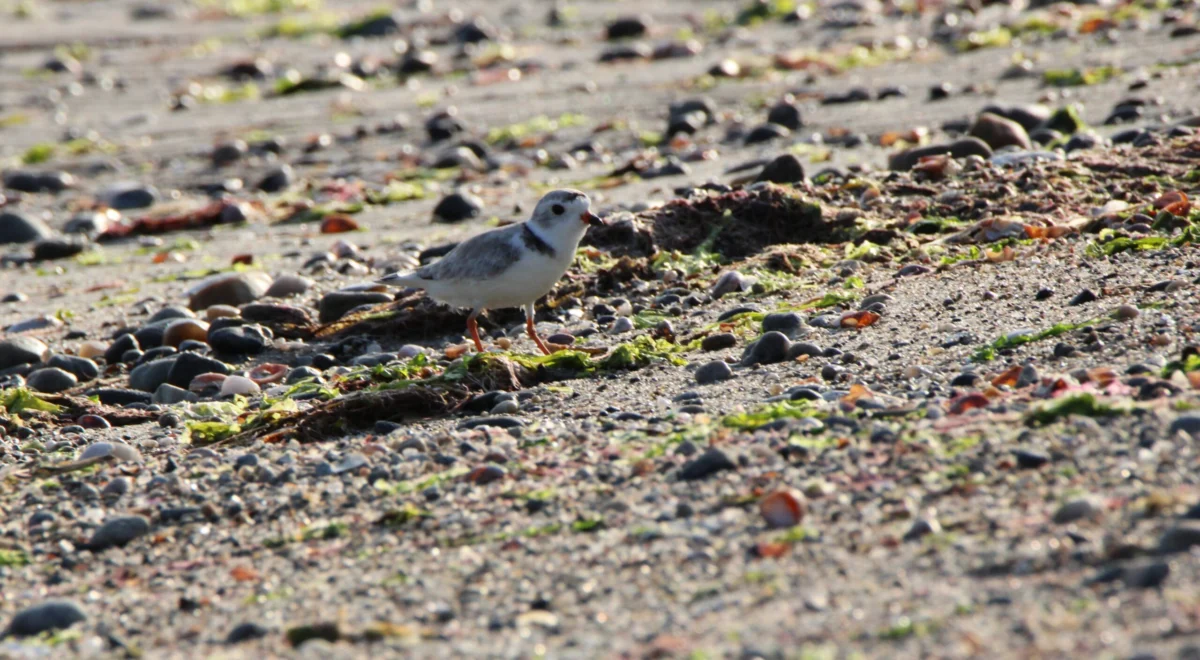
Perhaps the most striking evidence of the success of Folsom-O’Keefe’s strategies can be found in the dramatic recovery of the Piping Plover population in Stratford. These small, shore-dwelling birds are listed as state-endangered, making their breeding success a high-priority metric for conservationists.
In 2019, the nesting site at Long Beach in Stratford managed to fledge only a single chick, a statistic that highlighted the extreme vulnerability of the population to predation, habitat loss, and human disturbance. Through a concerted effort involving rigorous habitat monitoring and the implementation of protective protocols, that number has experienced an extraordinary turnaround. This summer, the site saw approximately 25 chicks successfully fledge. This twenty-fold increase serves as a powerful testament to the efficacy of the programs Folsom-O’Keefe has championed.
Bridging the Gap: The WildLife Guards Program
A distinguishing feature of Folsom-O’Keefe’s professional philosophy is the integration of youth education into the fabric of conservation work. The creation of the WildLife Guards program is widely considered one of her most significant contributions to long-term environmental sustainability.
The program employs local high school students during the summer months, tasking them with the daily monitoring of shorebird populations and public engagement efforts. By involving the next generation in the direct protection of their local environment, the program achieves two objectives: it provides the necessary human capital to monitor nesting sites during the peak of the busy summer season, and it fosters a culture of stewardship among local youth. This intergenerational approach ensures that the conservation values promoted by organizations like Audubon are deeply rooted in the community.
Official Responses and Legislative Recognition
The ceremony marking the presentation of the award was attended by various state officials, reflecting the broad-based support for Folsom-O’Keefe’s initiatives. Kathleen Callahan, Chairwoman of the Stratford Democratic Town Committee, emphasized the alignment between Folsom-O’Keefe’s work and the legacy of the award’s namesake.
“The Stratford Democratic Town Committee is proud to recognize Corrie Folsom-O’Keefe as this year’s Terry Backer Environmental Champion,” Callahan stated. “Her leadership reflects the spirit of service and environmental dedication that Terry Backer championed throughout his life. She has been a steadfast partner in protecting Stratford’s natural assets—including Great Meadows Marsh and the Stewart B. McKinney National Wildlife Refuge.”
State Representative Joe Gresko, who introduced Folsom-O’Keefe, highlighted the practical nature of her work. “Corrie has been getting her hands dirty for Stratford for years,” Gresko noted. “There are people who lead by walking the walk, and demonstrating for others how to get problems solved, and Corrie personifies that.”
In recognition of her professional accomplishments, Folsom-O’Keefe was presented with several honors, including:
- An Official Citation from the Connecticut General Assembly.
- A Certificate of Special Recognition from U.S. Senator Richard Blumenthal and U.S. Representative Rosa DeLauro.
- An Official Statement from Lieutenant Governor Susan Bysiewicz.
Broader Implications for Coastal Conservation
The success of the conservation efforts in Stratford offers a replicable model for other coastal towns throughout the United States. As global temperatures rise and habitat fragmentation continues to threaten biodiversity, the “hands-on” model practiced by Audubon Connecticut provides a framework for how small municipalities can make a disproportionately positive impact on regional environmental health.
The implications of these efforts are two-fold. First, they demonstrate the effectiveness of science-based management in reversing the decline of endangered species. The recovery of the Piping Plover at Long Beach is not a coincidence, but the result of evidence-based intervention. Second, the community-centric approach—exemplified by the WildLife Guards—shows that public buy-in is essential for the long-term survival of conservation projects. When residents, particularly students, understand the value of their local ecosystem, they become the most effective advocates for its protection.
Conclusion: The Road Ahead
As the National Audubon Society marks 120 years of science-based, community-driven impact, the recognition of Folsom-O’Keefe serves to highlight the importance of the organization’s mission. With over 1,000 staff members and millions of supporters, Audubon remains a pillar of environmental policy and field work.
The 2026 Terry Backer Environmental Champion Award is not merely a reflection of past achievements; it is a signal of the ongoing need for dedicated leadership in the face of environmental change. Corrie Folsom-O’Keefe’s work in Stratford remains a focal point for those looking to understand how the intersection of scientific research, legislative support, and community engagement can lead to tangible, lasting improvements in the health of our planet. As the birds continue to return to the marshes and beaches of Stratford, they carry with them the legacy of those who have worked to ensure their survival, a legacy that Folsom-O’Keefe has now cemented through her own dedication and results.
