
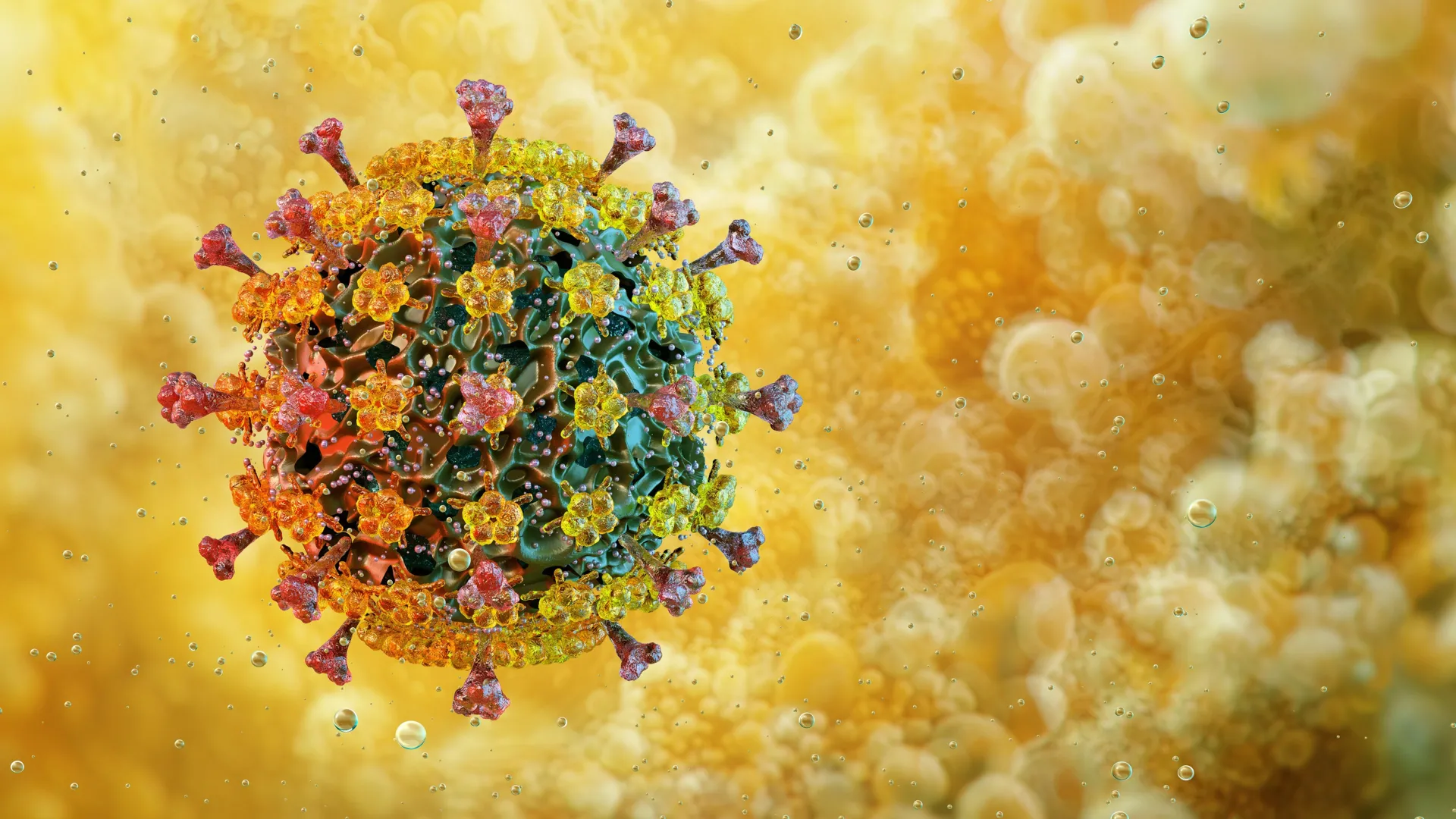
New research from the universities of Cambridge and Glasgow has revealed a critical mechanism by which avian influenza viruses pose a significant threat to human health: their alarming ability to continue multiplying at temperatures warmer than a typical human fever. This discovery challenges one of the human body’s primary defenses against viral infections and underscores the persistent pandemic potential of bird flu strains. Published on November 28 in the esteemed journal Science, the study identifies a specific gene, PB1, as a central factor influencing a virus’s sensitivity to heat, a gene that ominously transitioned from avian influenza viruses into human circulating flu strains during the major flu pandemics of 1957 and 1968, thereby enhancing their virulence and spread.
Understanding the Avian Influenza Threat
Avian influenza, commonly known as bird flu, refers to a group of influenza A viruses that primarily infect birds. These viruses are naturally found in wild aquatic birds, which serve as reservoirs and can carry the viruses without showing signs of illness. However, when these viruses spread to domestic poultry, they can cause severe disease, leading to mass culling events and significant economic losses. The primary concern for human health arises from the zoonotic potential of these viruses—their ability to jump the species barrier from birds to humans. While human-to-human transmission of highly pathogenic avian influenza (HPAI) strains remains rare, the occasional spillover events are often characterized by severe illness and alarmingly high fatality rates, making them a persistent global health threat.
Unlike seasonal human flu viruses, which typically thrive in the cooler upper airways of the respiratory tract, avian influenza viruses are adapted to warmer environments. In their natural hosts, such as ducks and seagulls, they frequently infect the gut, where temperatures can range from 40-42°C. This intrinsic thermal tolerance is a key differentiator from human flu strains, which generally multiply most effectively around 33°C in the nasal passages and throat, struggling to spread efficiently in the warmer lower respiratory tract, where temperatures are closer to the human core body temperature of 37°C. This fundamental difference has profound implications for how the human body responds to avian flu infections.
Fever: The Body’s Ancient Defense Mechanism
Fever is a cornerstone of the innate immune response, a physiological reaction that elevates the body’s core temperature in response to infection or inflammation. This adaptive mechanism serves multiple critical functions in combating pathogens. Elevated temperatures can directly inhibit the replication of many viruses and bacteria by denaturing their proteins, impairing enzyme activity, and disrupting their life cycles. Simultaneously, fever enhances various aspects of the immune system, such as increasing the production and activity of immune cells like T-lymphocytes and macrophages, accelerating the repair of damaged tissues, and boosting the effectiveness of antiviral interferon responses.
In the context of typical human influenza A viruses, a fever, which can raise core body temperature to as high as 41°C, is highly effective in slowing viral proliferation. The body’s ability to induce a fever acts as a natural brake, limiting the spread of the virus through the body and often mitigating the severity of the illness. However, until recently, the precise mechanisms by which fever exerts its antiviral effects, and crucially, why some viruses appear to be impervious to this vital defense, remained incompletely understood. The new research offers groundbreaking insights into this critical knowledge gap, particularly concerning avian influenza.
Unveiling the Genetic Key: The PB1 Gene’s Role in Thermal Resistance
The study, led by scientists from the Medical Research Council Centre for Virus Research at the University of Glasgow and the Cambridge Institute of Therapeutic Immunology and Infectious Disease at the University of Cambridge, utilized a combination of in vitro and in vivo experiments to elucidate the avian flu’s thermal resilience. Earlier work using cultured cells had hinted that bird flu viruses possessed a greater tolerance for fever-level temperatures compared to human flu viruses. The latest research moved beyond cell cultures, employing mouse models to directly observe how fever provides protection against human flu and why this protection is inadequate against avian strains.
In a clever experimental design, the researchers simulated fever conditions in mice, which typically do not develop a fever when infected with influenza A viruses. They achieved this by increasing the ambient temperature of the mice’s environment, thereby elevating their core body temperature. The results were stark and revealing. When mice were infected with a laboratory-adapted human-origin influenza strain known as PR8 (a strain not harmful to humans), raising their body temperature to fever levels was exceptionally effective at preventing the virus from replicating. However, when avian influenza viruses were introduced, similar temperature increases failed to halt their replication. A modest rise of just 2°C in body temperature was sufficient to transform what would ordinarily be a deadly human-origin influenza infection into a mild one, highlighting the potency of fever against typical human strains.
The pivotal discovery of the research centers around the PB1 gene. This gene is crucial for the viral RNA polymerase complex, a molecular machinery essential for copying the viral genome inside infected cells. The team found that the PB1 gene plays a central role in conferring temperature resistance. Viruses possessing an avian-like PB1 gene demonstrated a remarkable ability to tolerate the high temperatures associated with fever, leading to serious disease in the infected mice. This finding is particularly significant because influenza viruses are notorious for their ability to exchange genetic material through a process called reassortment when different strains co-infect the same host, such as pigs. This genetic swapping can lead to the emergence of novel strains with new or enhanced pathogenic properties, as seen in past pandemics.
A Historical Echo: The Pandemics of 1957 and 1968
The implications of the PB1 gene discovery resonate with historical pandemic events. Dr. Matt Turnbull, the study’s first author from the University of Glasgow, emphasized this point: "The ability of viruses to swap genes is a continued source of threat for emerging flu viruses. We’ve seen it happen before during previous pandemics, such as in 1957 and 1968, where a human virus swapped its PB1 gene with that from an avian strain. This may help explain why these pandemics caused serious illness in people."
The 1957 Asian Flu pandemic (H2N2) and the 1968 Hong Kong Flu pandemic (H3N2) were both significant global health crises, causing millions of deaths worldwide. Virological analyses of these strains later confirmed that they were reassortant viruses, meaning they contained genetic segments from both human and avian influenza viruses. Specifically, the 1957 H2N2 virus emerged through the reassortment of avian and human influenza viruses, introducing new hemagglutinin (H2) and neuraminidase (N2) genes, along with the PB1 gene, into a circulating human strain. Similarly, the 1968 H3N2 virus was also a reassortant, with its H3 and PB1 genes originating from an avian influenza virus. The new research strongly suggests that the acquisition of the avian-like PB1 gene, conferring enhanced thermal resilience, could have been a critical factor in these viruses’ ability to cause widespread and severe illness in human populations, by allowing them to bypass the protective effects of fever.
A Chronology of Avian Flu’s Global March
The threat of avian influenza is not new, but its epidemiology is constantly evolving. While evidence suggests avian influenza components contributed to the devastating 1918 "Spanish Flu" pandemic, the modern era of intense surveillance began with more recent outbreaks.
- 1997, Hong Kong: The first documented major outbreak of H5N1 avian influenza in humans, with 18 confirmed cases and 6 deaths. This event led to the immediate culling of all poultry in Hong Kong, demonstrating the severity of the threat and the drastic measures required to contain it.
- Early 2000s, Southeast Asia: H5N1 resurfaced and spread globally, primarily affecting poultry but with recurrent human spillover events in countries like Vietnam, Thailand, and Indonesia. This period saw the highest number of human H5N1 cases and fatalities, with a cumulative case fatality rate often exceeding 50% in reported cases. The World Health Organization (WHO) reported over 860 human cases of H5N1 globally between 2003 and 2023, with over 450 deaths.
- 2013, China: A new avian influenza strain, H7N9, emerged, causing severe respiratory illness in humans, often with a high fatality rate (around 39%). While less geographically widespread than H5N1, H7N9 demonstrated a worrying capacity for efficient transmission from poultry to humans.
- 2014-Present: Various H5N1 clades and other HPAI strains (e.g., H5N8, H5N6) have continued to circulate globally in wild birds and poultry, causing significant outbreaks. The current wave of H5N1, particularly clade 2.3.4.4b, has been unprecedented in its geographical spread and impact on wild bird populations and mammals across North America, Europe, Asia, and Africa. There have been increasing reports of spillover into various mammalian species, including foxes, bears, seals, and even cattle, raising concerns about the virus adapting to new hosts and potentially increasing its risk to humans.
This ongoing chronology underscores the dynamic nature of avian influenza viruses and the continuous need for vigilance and adaptive preparedness strategies.
Statements from Public Health Authorities and Experts
Senior author Professor Sam Wilson, from the Cambridge Institute of Therapeutic Immunology and Infectious Disease at the University of Cambridge, reiterated the urgency of the findings. "Thankfully, humans don’t tend to get infected by bird flu viruses very frequently, but we still see dozens of human cases a year. Bird flu fatality rates in humans have traditionally been worryingly high, such as in historic H5N1 infections that caused more than 40% mortality," he stated. "Understanding what makes bird flu viruses cause serious illness in humans is crucial for surveillance and pandemic preparedness efforts. This is especially important because of the pandemic threat posed by avian H5N1 viruses."
Public health organizations globally echo these concerns. The World Health Organization (WHO) and the U.S. Centers for Disease Control and Prevention (CDC) continuously monitor avian influenza activity worldwide, conducting risk assessments and developing pandemic preparedness plans. Their guidelines emphasize the importance of a "One Health" approach, integrating human, animal, and environmental health sectors to detect, prevent, and respond to zoonotic disease threats. The Food and Agriculture Organization (FAO) and the World Organisation for Animal Health (WOAH, formerly OIE) play crucial roles in monitoring animal outbreaks, promoting biosecurity in poultry farms, and facilitating international cooperation to control the spread of avian influenza in animal populations. These bodies routinely issue alerts and recommendations for surveillance, vaccination strategies for poultry where appropriate, and measures to minimize human exposure.
Broader Impact and Implications for Public Health
The findings of this research have several profound implications:
-
Enhanced Surveillance and Risk Assessment: The identification of the PB1 gene as a key determinant of thermal resistance provides a new molecular marker for assessing the pandemic potential of emerging avian influenza strains. Public health agencies can now prioritize the monitoring of bird flu strains that possess avian-like PB1 genes, especially in areas where human and avian flu viruses co-circulate. "It’s crucial that we monitor bird flu strains to help us prepare for potential outbreaks. Testing potential spillover viruses for how resistant they are likely to be to fever may help us identify more virulent strains," noted Dr. Turnbull. This can help identify more virulent strains that pose a higher risk of causing severe human disease.
-
Clinical Management and Fever Treatment: Perhaps one of the most immediate and intriguing implications concerns the management of fever in influenza patients. Fever is often treated with antipyretic medications like ibuprofen and aspirin to alleviate discomfort. However, some clinical evidence already suggests that lowering fever might not always be beneficial for patients with influenza A and could potentially support the spread of the virus. This new research provides a strong scientific basis for re-evaluating these practices, particularly for suspected avian influenza cases. If a virus can thrive at elevated temperatures, aggressively suppressing fever might inadvertently remove a crucial host defense, potentially exacerbating the infection. More studies are certainly needed, but these findings could eventually influence treatment recommendations, guiding clinicians on when and whether to intervene with antipyretics.
-
Vaccine and Antiviral Development: Understanding the specific genetic adaptations that enable avian flu to bypass human immune responses can inform the development of more effective vaccines and antiviral therapies. Future vaccine strategies might need to account for the thermal resilience conferred by genes like PB1, potentially targeting conserved viral components or host pathways that are critical even under fever conditions. Antiviral drugs could be designed to specifically disrupt the function of temperature-resistant viral proteins, like those encoded by the avian PB1 gene.
-
One Health Approach Reinforcement: The study underscores the interconnectedness of animal and human health. The ability of viruses to reassort between different hosts (birds, pigs, humans) highlights the necessity of a comprehensive "One Health" strategy that integrates surveillance, research, and intervention efforts across veterinary and human health sectors. Collaborative efforts are essential to detect novel reassortant viruses early, assess their pandemic potential, and implement timely control measures.
-
Economic and Food Security: Persistent outbreaks of highly pathogenic avian influenza continue to devastate poultry industries globally, leading to mass culling of birds, trade restrictions, and significant economic losses. The ongoing threat posed by these viruses to both animal and human health necessitates sustained investment in biosecurity measures, rapid diagnostic tools, and effective disease control strategies to protect livelihoods and ensure food security.
The research received primary funding from the Medical Research Council, with additional support from the Wellcome Trust, Biotechnology and Biological Sciences Research Council, European Research Council, European Union Horizon 2020, UK Department for Environment, Food & Agriculture, and US Department of Agriculture. These significant investments highlight the global recognition of avian influenza as a critical area of scientific inquiry and public health concern. As avian influenza viruses continue their global spread and adaptation, research such as this is indispensable for equipping humanity with the knowledge and tools necessary to anticipate, prevent, and mitigate future pandemics.
