
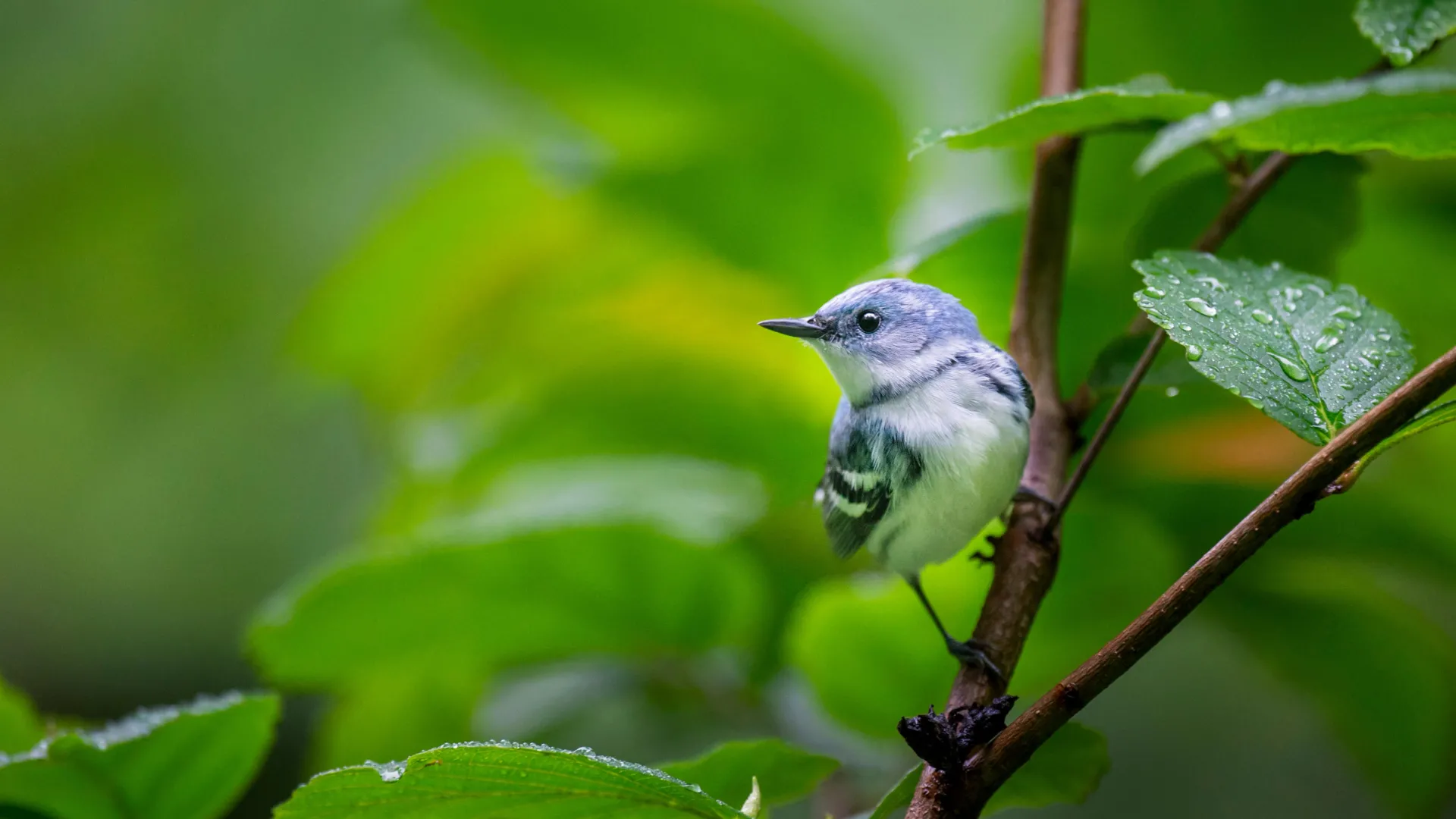
Every spring, the familiar songs of Wood Thrushes and various warbler species drift back into parks and neighborhoods across eastern North America, signaling the renewal of life. What many listeners may not realize is that these iconic avian travelers spend the vast majority of their lives much farther south, relying on the lush, biodiverse, and often remote forests of Central America to survive the rest of the year. A groundbreaking new study underscores the critical, irreplaceable role these southern sanctuaries play in sustaining the populations of dozens of North American migratory bird species, many of which are experiencing alarming rates of decline.
Unveiling a Hemispheric Connection: The Study’s Core Findings
A recent collaborative study from the Wildlife Conservation Society (WCS) and the Cornell Lab of Ornithology, published in the peer-reviewed journal Biological Conservation, presents compelling evidence that the Five Great Forests of Central America are essential for a significant proportion of migratory bird species that annually traverse the two continents. These expansive forest blocks—stretching from southern Mexico through Central America to northern Colombia—represent a vital ecological bridge, sustaining avian populations for more than half their annual cycle.
The researchers leveraged an unprecedented volume of detailed information on weekly bird distribution, made possible by millions of citizen science sightings submitted to the Cornell Lab’s global eBird platform. This massive dataset allowed scientists to meticulously map the distribution and concentration of migratory species across their non-breeding ranges. The findings were stark: these five forests collectively provide critical habitat for between one-tenth and nearly one-half of the global populations of 40 distinct migratory species. This revelation highlights an extraordinary density of avian life within these specific regions, underscoring their disproportionate importance to continental biodiversity. Among these species are many that have been identified as among the fastest declining in North America, including the Wood Thrush, Golden-winged Warbler, Kentucky Warbler, and Scarlet Tanager, whose populations have plummeted by as much as 60% or more in recent decades.
"What happens in Central America directly affects the birds we cherish in the United States and Canada," explained Anna Lello-Smith, lead author of the study and a conservation scientist at WCS. Her statement emphasizes the interconnectedness of ecosystems across geopolitical boundaries. "These forests aren’t merely tropical wildernesses; they are at the very heart of the migratory phenomenon, sustaining many of our birds for more than half the year. They provide the crucial food resources and shelter that enable species like Wood Thrushes, Magnolia Warblers, and countless others to successfully return north, enriching our spring seasons with their vibrant songs and colors."
The Five Great Forests: A Corridor of Life
The study specifically identifies five contiguous forest blocks: the Selva Maya (spanning Guatemala, Belize, and Mexico), the Moskitia (Honduras and Nicaragua), Indio Maíz-Tortuguero (Nicaragua and Costa Rica), La Amistad (Costa Rica and Panama), and the Darién (Panama and Colombia). Together, these regions form an uninterrupted ecological corridor roughly the size of the U.S. state of Virginia, covering approximately 11.7 million hectares. This vast expanse is not only a haven for billions of migratory songbirds but also a critical stronghold for a multitude of other iconic wildlife, including jaguars, Baird’s tapirs, and scarlet macaws, many of which are globally endangered. For birds undertaking arduous journeys of thousands of miles each year, these forests serve as indispensable wintering grounds and vital stopover points, offering essential respite and foraging opportunities.
"Every fall, billions of birds embark on a remarkable journey south, funneling through the narrow land bridge of Central America," commented Viviana Ruiz-Gutierrez, director of Conservation Science at the Cornell Lab of Ornithology and co-author of the study. She further elaborated on the ecological significance: "The sheer density of migratory warblers, flycatchers, and vireos concentrated within these five forests is truly astounding. This means that every single hectare protected within these regions safeguards a disproportionately large number of individual birds, making conservation efforts here incredibly impactful." This concentration effect amplifies the urgency of protecting these areas, as habitat loss in these specific locations has a far greater impact on overall bird populations than similar losses elsewhere.
A Race Against Time: The Alarming Pace of Deforestation
Despite their unparalleled ecological significance, these vital forests are disappearing at an alarming and accelerating pace. The primary driver of this deforestation is illegal cattle ranching, which has already destroyed millions of acres across the region. The economic pressures and lack of robust governance in many areas lead to a cycle where forests are cleared for pasture, often through slash-and-burn techniques, resulting in irreversible habitat loss and significant carbon emissions.
The situation in the Moskitia region serves as a particularly stark example. In this critical forest, almost one-third of the forest cover has vanished in just 20 years, a rate that far outstrips sustainable land use practices. This rapid conversion of forest to agricultural land not only eliminates bird habitat but also degrades water quality, increases soil erosion, and contributes to climate change. The UN Environment Programme (UNEP) has consistently highlighted Central America as one of the world’s most vulnerable regions to climate change impacts, making forest preservation even more critical for regional resilience.
"If we lose the last great forests of Central America—and current trends suggest we are on that path—we risk losing the very birds that define our eastern forests in North America," warned Jeremy Radachowsky, Regional Director for WCS’s Mesoamerica Program. His statement underscores the direct and tangible link between habitat destruction thousands of miles away and the ecological health of temperate ecosystems. "However, by strategically supporting rural communities, strengthening government capacities, and empowering conservation partners already on the ground, we still possess a window of opportunity to reverse this destructive tide." This perspective highlights the importance of integrated conservation strategies that address both ecological and socio-economic factors.
Indigenous Stewardship: A Model for Sustainable Conservation
Amidst these grave threats, a powerful and often overlooked force for conservation lies within the region’s Indigenous and local communities. Across Central America, these communities are actively engaged in restoring damaged lands, implementing fire prevention strategies, and reviving traditional, bird-friendly livelihoods. Practices such as sustainable allspice and cacao production offer economic alternatives that value the standing forest rather than incentivizing its destruction. These communities often serve as the first line of defense against illegal deforestation, leveraging generations of ecological knowledge and deep cultural connections to the land.
However, their dedication often comes at a profound cost. Indigenous land defenders and environmental activists in Central America face serious risks, including violence, intimidation, and even assassination, for their efforts to protect critical habitats from illegal logging, mining, and agricultural expansion. Reports from organizations like Global Witness consistently rank Central America among the most dangerous regions for environmental defenders. Despite these grave challenges, their efforts remain absolutely essential for protecting the remaining forest habitat and biodiversity.
"Imagine the transformative possibility of linking with these local and Indigenous efforts," mused Ruiz-Gutierrez, reflecting on the potential for broader collaboration. "By working together across the Americas, we can collectively strive to bring back our shared migratory birds and secure a future for these vital ecosystems." This vision emphasizes a paradigm shift towards truly collaborative, bottom-up conservation models that respect local autonomy and traditional ecological knowledge.
Mapping Hemispheric Connectivity: The "Sister Landscapes" Framework
For many years, effective international cooperation on migratory bird conservation was hampered by a fundamental lack of clear, actionable information regarding how migratory birds connect different habitats and human communities throughout their annual cycle. To overcome this critical hurdle and facilitate more targeted, cross-border conservation initiatives, researchers utilized an innovative framework developed by Partners in Flight and the Cornell Lab. This framework allowed them to precisely map "stewardship connections"—regions in North America where species dependent on the Five Great Forests gather to breed.
These groundbreaking findings reveal that the Five Great Forests are not isolated ecological entities but are intimately tied to specific forest regions across North America. These include the Appalachian Mountains, the vast Mississippi Delta, the critical Great Lakes region, the forests of New England, and even the fragmented yet important landscapes surrounding major urban centers like New York City. Researchers have aptly termed these paired regions "sister landscapes" because they are inextricably linked by the same bird species at different points in their annual migratory cycle. This concept provides a powerful tool for policymakers and conservationists, allowing them to visualize and understand the direct impact of actions taken in one hemisphere on bird populations thousands of miles away. It necessitates a coordinated, hemispheric approach to conservation, moving beyond traditional national boundaries.
For instance, a Wood Thrush that breeds in the Appalachian Mountains may spend its winter in the Moskitia. A Golden-winged Warbler nesting near the Great Lakes could be relying on the Indio Maíz-Tortuguero forests for survival during the non-breeding season. The framework highlights that conservation success for these species requires robust habitat protection in both their breeding grounds in North America and their wintering grounds in Central America.
Protecting Forests, Securing Futures: Broader Implications and a Call to Action
In many profound ways, the Five Great Forests serve as the tropical counterparts to North America’s eastern forests. They shelter the exact same suite of forest-loving birds, including species like Scarlet Tanagers, Kentucky Warblers, Golden-winged Warblers, and Broad-winged Hawks, during the crucial months when these species are far from their breeding territories. These forests provide not just refuge but also essential resources like insects, fruits, and safe roosting sites, allowing birds to refuel and recuperate after their arduous migrations. Safeguarding these wintering and stopover habitats is therefore not merely beneficial; it is absolutely essential for ensuring that these birds continue to return north each spring, perpetuating the ecological and cultural richness of both continents.
The implications of this study extend far beyond avian conservation. The healthy functioning of these extensive forest ecosystems provides invaluable ecosystem services to human populations. These services include regulating regional climates, purifying water resources, preventing soil erosion, and providing livelihoods for local communities through sustainable forestry and ecotourism. The destruction of these forests leads to a cascade of negative consequences, impacting not only biodiversity but also human well-being and economic stability in the region.
"Every hectare we protect in Central America has profound ripple effects for birds and people across the entire hemisphere," reiterated Lello-Smith, emphasizing the holistic nature of conservation. "The forests that sustain thrushes and warblers also directly support human communities, providing them with resources and opportunities. If you cherish watching your beloved birds return each spring, we invite you to delve deeper, discover the tropical forests they call home for most of the year, and actively contribute to their protection."
This study serves as a powerful call to action, urging a greater understanding of the complex, interconnected web of life that spans the Americas. It highlights the urgent need for increased international funding, stronger governance to combat illegal activities, and enhanced support for Indigenous and local communities who are at the forefront of conservation efforts. The future of billions of migratory birds, and the ecological health of two continents, hinges on the fate of Central America’s Five Great Forests. The choice to protect them is a choice to protect a shared natural heritage and ensure the continued vibrant symphony of spring.
