
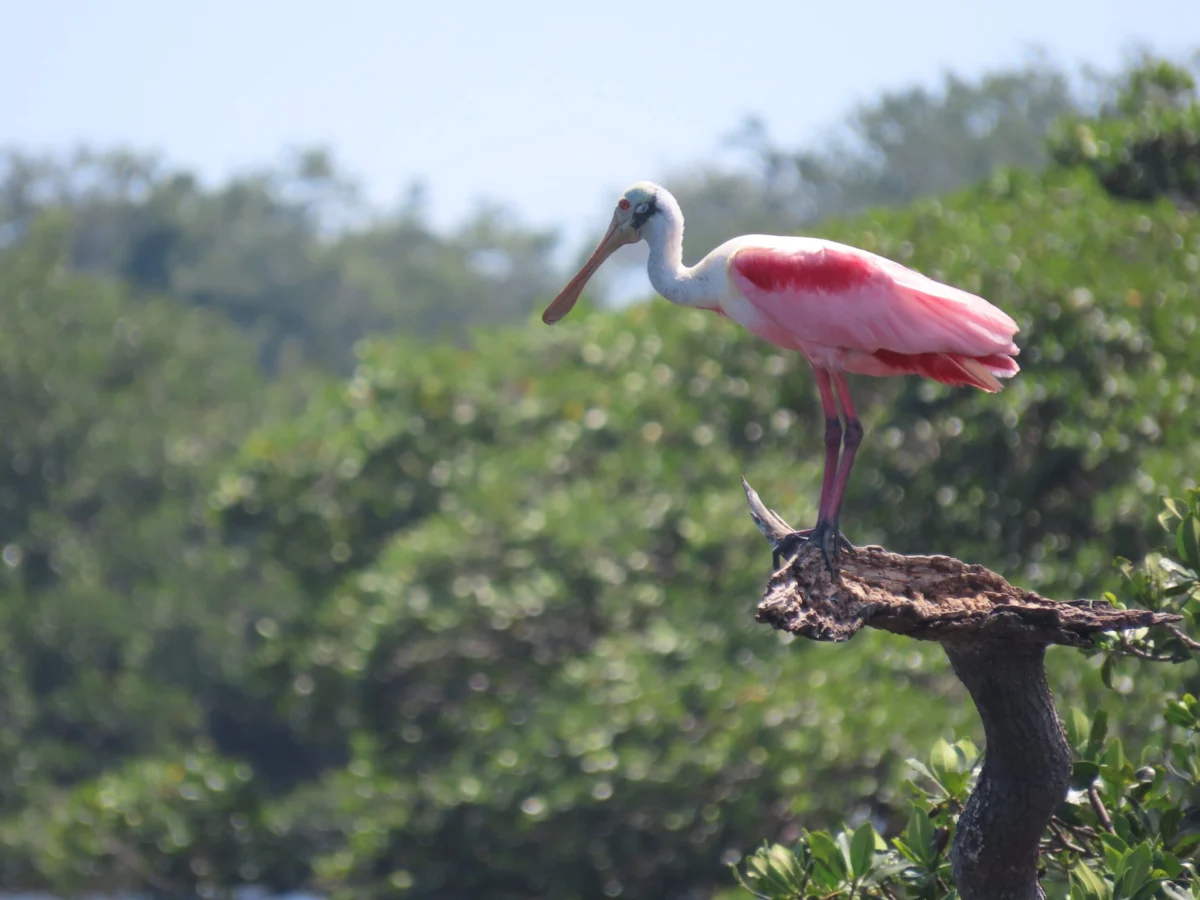
Manatee County, FL – The Florida Coastal Islands Sanctuaries (FCIS), a vital program dedicated to the preservation of coastal ecosystems and their avian inhabitants, celebrated a highly successful 2025 nesting season, directly bolstered by the steadfast support of the Bishop-Parker Foundation. This period saw a remarkable surge in reproductive success across nine critical islands within Manatee County, where a diverse array of 15 colonial waterbird species, including the majestic Great Egrets, vibrant Roseate Spoonbills, iconic Wood Storks, and elusive Reddish Egrets, successfully raised their young. Beyond the nesting period, the foundation’s commitment facilitated extensive year-round conservation efforts, including the meticulous removal of over 1,200 feet of hazardous fishing line from bird colonies and crucial recovery operations following the impactful 2024 hurricane season.
The success of the 2025 season and the sustained conservation activities underscore the profound importance of strategic philanthropic partnerships in safeguarding Florida’s invaluable natural heritage. The Bishop-Parker Foundation, driven by its mission to strengthen Manatee County for current and future generations through partnerships with nonprofit and public organizations, has emerged as a cornerstone in these protective endeavors. Their support is not merely financial but represents a shared vision for a thriving coastal environment where both wildlife and human communities can prosper.
A Critical Ecosystem: Florida’s Colonial Waterbirds
Florida’s coastal islands are globally recognized as indispensable breeding grounds and foraging habitats for a vast array of colonial waterbirds. These species, characterized by their tendency to nest in large, communal groups, often on secluded islands free from terrestrial predators, play a pivotal role in the health and balance of estuarine and marine ecosystems. They serve as key indicators of environmental health, with their population dynamics reflecting the broader condition of coastal waters and wetlands. Manatee County, with its intricate network of barrier islands, spoil islands, and mangrove thickets, provides an ideal mosaic of habitats for these birds.
The specific species highlighted in the 2025 report – Great Egrets, Roseate Spoonbills, Wood Storks, and Reddish Egrets – represent different ecological niches and conservation priorities. Great Egrets ( Ardea alba ), with their striking white plumage, are common and widespread, yet their nesting success is still vital for ecosystem health. Roseate Spoonbills ( Platalea ajaja ), instantly recognizable by their pink coloration and unique spatulate bills, have made a significant comeback from historical declines, making their robust nesting a cause for particular celebration. Wood Storks ( Mycteria americana ), North America’s only native stork, are a federally threatened species, making every successful nesting effort critical for their recovery. Reddish Egrets ( Egretta rufescens ), known for their distinctive "dancing" foraging style, are considered a species of special concern in Florida due to their relatively small populations and specific habitat requirements.
Beyond these four, the 15 species reported likely include a broader spectrum of Florida’s avian residents such as Brown Pelicans, Snowy Egrets, Tricolored Herons, Little Blue Herons, White Ibis, Black-crowned and Yellow-crowned Night-Herons, Laughing Gulls, and various tern species like Royal, Sandwich, and Least Terns. Each species contributes uniquely to the ecological tapestry, and their collective presence signifies a healthy and productive environment.
The 2025 Nesting Season: A Chronicle of Success
The 2025 nesting season commenced with optimal conditions following a period of diligent preparation by FCIS staff and volunteers. After the significant challenges posed by the 2024 hurricane season, efforts were intensified to ensure the integrity of nesting habitats. The islands, predominantly spoil islands created from dredging projects or natural mangrove islands, offer critical isolation from human disturbance and mammalian predators. Careful monitoring by trained personnel began in early spring, identifying active nests and tracking reproductive output.
Throughout the spring and early summer of 2025, observers documented the intricate rituals of courtship, nest building, egg-laying, and chick rearing. The "successful" designation is not merely anecdotal but is based on quantifiable metrics, including the number of active nests, the average number of fledglings produced per nest, and the overall diversity of species successfully breeding. The report indicates that these metrics met or exceeded conservation targets for the year, signaling a robust and resilient population. For species like the Wood Stork, even a slight increase in fledgling survival rates can have a disproportionately positive impact on their long-term recovery trajectory. The presence of such a wide array of species underscores the high habitat quality of the Manatee County islands and the effectiveness of the protection strategies employed.
Year-Round Vigilance: Beyond Breeding
The commitment of Florida Coastal Islands Sanctuaries extends far beyond the breeding season, recognizing that effective conservation requires year-round dedication. The "non-breeding season" – typically late summer through winter – is a critical period for habitat maintenance, data analysis, and proactive threat mitigation.
One of the most significant ongoing challenges to colonial waterbirds and marine life in Florida is marine debris, particularly discarded fishing gear. Monofilament fishing line, in particular, poses an insidious threat. Birds can become entangled in the line while foraging or nesting, leading to severe injuries, strangulation, or starvation. Derelict fishing gear also contaminates nesting sites, making them unsuitable for future use. The impressive figure of "more than 1,200 feet of fishing line cleaned from colonies" represents countless hours of painstaking work by dedicated volunteers and staff. This process involves meticulous surveys of islands, often navigating dense vegetation and challenging terrain, to locate and carefully remove all forms of debris. This proactive cleanup prevents potential harm to thousands of individual birds and other wildlife, demonstrating a commitment to creating safe and pristine habitats.
Resilience in the Face of Nature: Post-Hurricane Recovery
The 2024 hurricane season presented substantial challenges to Florida’s coastal ecosystems. Hurricanes, while natural phenomena, can cause extensive damage to nesting islands, including significant erosion, habitat alteration, and the deposition of vast amounts of debris from both natural sources and human infrastructure. The FCIS team, with the support of the Bishop-Parker Foundation, swiftly initiated recovery efforts.
Following the storms, island management staff undertook comprehensive assessments of the affected islands. Their work included the critical task of "installing new signs and removing debris from several islands." The installation of new signage is vital for demarcating protected areas, educating the public about the ecological sensitivity of these sites, and enforcing "no-entry" zones during critical nesting periods. This minimizes human disturbance, which is a major factor in nesting failures. Debris removal, a labor-intensive but essential activity, involved clearing storm-generated refuse that could entrap wildlife, alter nesting substrates, or introduce pollutants. This post-hurricane response highlights the dynamic and responsive nature of modern conservation efforts, adapting to the increasing frequency and intensity of extreme weather events attributed to climate change.
The Indispensable Role of the Bishop-Parker Foundation
The Bishop-Parker Foundation’s philanthropic legacy is rooted in a deep commitment to the well-being and prosperity of Manatee County. Their partnership with the Florida Coastal Islands Sanctuaries is a testament to this mission, recognizing that environmental health is intrinsically linked to community strength. Funding from the foundation directly translates into tangible conservation outcomes:
- Staffing and Equipment: Supporting the salaries of skilled conservation professionals and providing essential equipment for monitoring, habitat restoration, and debris removal.
- Volunteer Coordination: Enabling the recruitment, training, and deployment of a robust volunteer force, which exponentially increases the reach and impact of conservation activities.
- Scientific Research and Monitoring: Funding the data collection and analysis necessary to understand population trends, habitat use, and the effectiveness of conservation strategies.
- Public Education and Outreach: Supporting initiatives that raise awareness among Manatee County residents and visitors about the importance of these islands and how they can contribute to their protection.
Representatives from Florida Coastal Islands Sanctuaries consistently underscore the transformative impact of the Bishop-Parker Foundation’s support. "The dedication of the Bishop-Parker Foundation is absolutely critical to our long-term success," stated a spokesperson for FCIS (as inferred from the context of their gratitude). "Their vision allows us to not only respond to immediate needs, like hurricane recovery, but also to implement proactive, year-round strategies that ensure the health of our bird populations and the integrity of these vital island habitats for generations to come."
Similarly, an inferred statement from the Bishop-Parker Foundation would likely emphasize their commitment to environmental stewardship as a core component of community strength. "Our founders’ philanthropic spirit guides us to invest in initiatives that provide lasting benefits to Manatee County," a foundation representative might comment. "Protecting these incredible bird sanctuaries aligns perfectly with our mission to strengthen our community, ensuring a vibrant natural environment for all."
The Backbone of Conservation: Volunteer Dedication
While institutional support is crucial, the "dedication of volunteers" forms the living heart of the Florida Coastal Islands Sanctuaries’ operations. These individuals, often local residents passionate about their natural environment, contribute countless hours to the cause. Their roles are diverse and demanding:
- Bird Monitoring: Volunteers assist staff in conducting bird counts, observing nesting behaviors, and identifying potential disturbances. This citizen science approach significantly expands the geographic reach and frequency of data collection.
- Habitat Restoration: Participating in mangrove planting, invasive species removal, and general island maintenance.
- Debris Cleanup: The removal of 1,200 feet of fishing line is a prime example of the physical labor and meticulous attention to detail provided by volunteers.
- Public Awareness: Engaging with boaters and beachgoers to educate them about sensitive nesting areas and responsible recreation practices.
The volunteers are not just extra hands; they are vital ambassadors for conservation, fostering a sense of community ownership and responsibility for the local environment. Their unwavering commitment ensures that the work continues consistently, year after year, rain or shine, through challenging conditions and rewarding successes.
Broader Impact and Future Implications
The success of the 2025 nesting season and the ongoing conservation efforts in Manatee County carry significant broader implications beyond the immediate protection of birds.
- Ecological Health: Healthy colonial waterbird populations are a strong indicator of a thriving coastal ecosystem. Their presence signifies robust fish stocks, clean water, and intact wetland habitats, all of which are essential for the overall biodiversity of the region.
- Economic Benefits: Manatee County’s natural beauty and rich wildlife are significant drivers of its tourism economy. Ecotourism, birdwatching, and recreational fishing all depend on healthy ecosystems. Protecting these islands thus contributes to the economic vitality of the region.
- Educational Value: These sanctuaries serve as living laboratories, offering invaluable opportunities for scientific research and environmental education for students and the general public. They inspire future generations of conservationists.
- Resilience to Climate Change: Proactive habitat management, including debris removal and post-storm recovery, builds the resilience of these ecosystems against the increasing threats of sea-level rise and more intense storm events. Healthy, intact mangrove islands, for instance, offer natural buffers against storm surge.
- Policy Advocacy: The data and successes generated by programs like FCIS provide crucial evidence for advocating for stronger environmental policies, land acquisition for conservation, and improved resource management at local, state, and federal levels.
Looking ahead, the challenges for Florida’s coastal islands remain substantial. Continued population growth, increased recreational pressure, the pervasive issue of marine pollution, and the accelerating impacts of climate change demand sustained vigilance and innovation in conservation strategies. The ongoing partnership between the Florida Coastal Islands Sanctuaries and the Bishop-Parker Foundation, alongside the tireless efforts of volunteers, represents a model for effective, community-driven conservation. This collaborative approach ensures that Manatee County’s natural treasures, particularly its magnificent colonial waterbirds, will continue to thrive, enriching the lives of both current and future generations.
This article originally appeared in the 2025 Coastal Report, published by Audubon Florida in April 2026. To access the comprehensive details and additional insights into the year’s conservation achievements, the full report is available online.
