
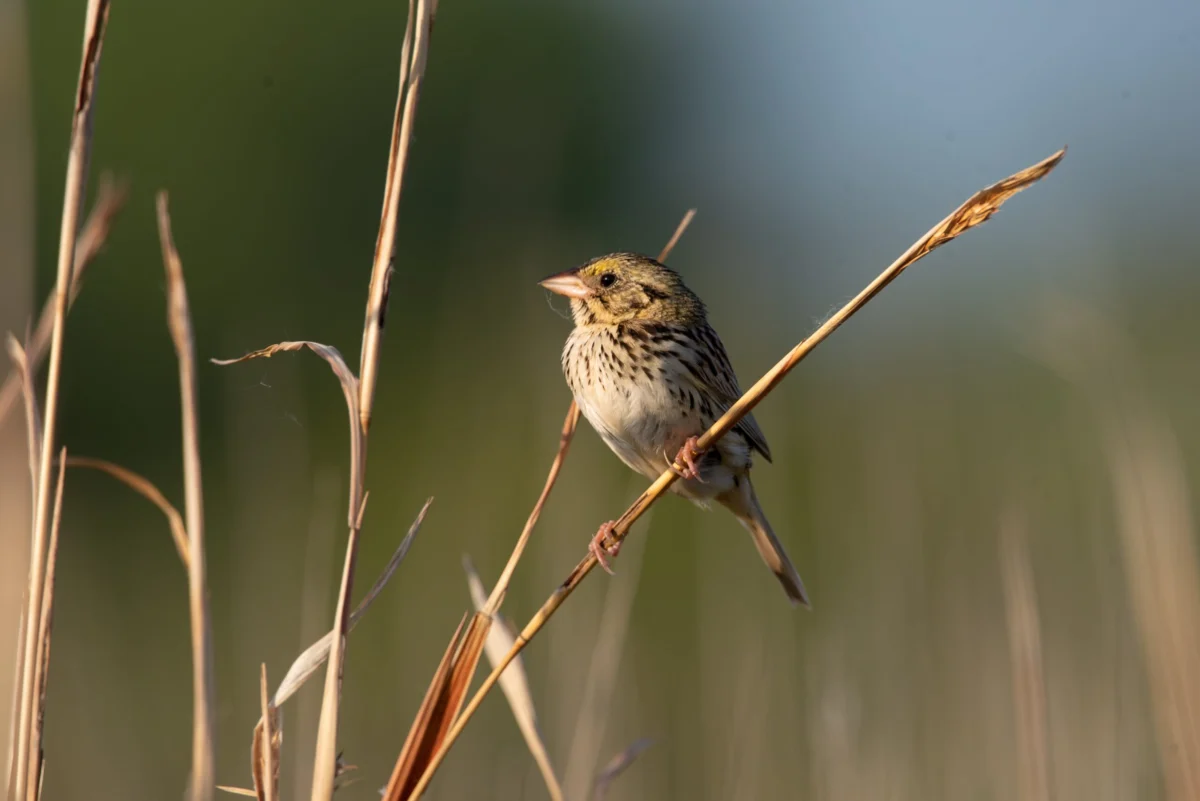
OWENSVILLE, Missouri (April 29, 2026) — Horstmann Cattle Company, a family-operated ranch nestled in the scenic Ozark Highlands of Gasconade County, Missouri, has officially earned the esteemed National Audubon Society’s Bird-Friendly Land Certification. This significant achievement, obtained through Audubon’s rigorous Conservation Ranching program, marks a pivotal moment for sustainable agriculture in the region, recognizing land managed with exceptional dedication to supporting diverse bird populations and broader biodiversity. The certification underscores August Horstmann’s pioneering efforts in regenerative grazing and habitat restoration, showcasing how robust cattle operations can coexist and thrive alongside vital ecological conservation.
A Beacon of Conservation in the Ozark Highlands
The certification of Horstmann Cattle Company represents more than just an accolade; it signifies a growing movement within the agricultural sector to integrate ecological health with economic viability. August Horstmann, who has steered the ranch since 2012, has been a quiet leader in this transformation, progressively implementing regenerative grazing practices that prioritize soil health, enhance plant diversity, and foster a deeper alignment with natural ecological systems. His philosophy, as he articulates, reflects years of diligent observation and a willingness "to let nature lead." This ethos has culminated in a landscape that not only supports a thriving cattle operation but also serves as a crucial sanctuary for myriad bird species and other wildlife.
The Ozark Highlands, a distinctive physiographic province, is characterized by its unique geology, diverse forest types, glades, and spring-fed streams. This region, while rich in natural heritage, faces ongoing ecological pressures from habitat fragmentation, land conversion, and invasive species. Horstmann Cattle Company, encompassing a dynamic mosaic of pasture, woodland, glade, and riparian habitats along Red Oak Creek, stands as a testament to the potential for private lands to become linchpins in regional conservation strategies. Its location in southeastern Gasconade County places it within an ecologically significant area, making its certified status particularly impactful for the broader health of the Ozark ecosystem.
Addressing a Crisis: The Decline of Grassland Birds
The urgency of programs like Audubon Conservation Ranching cannot be overstated. Since 1970, North America has witnessed a staggering decline in bird populations, with grassland birds experiencing the steepest losses of any terrestrial biome. Scientists estimate that nearly three billion birds have vanished across the continent, and grassland species account for over 700 million of these losses – a reduction of more than 50%. This precipitous decline is primarily driven by extensive habitat loss due to agricultural intensification, urban sprawl, the degradation of remaining grasslands, woody encroachment into open landscapes, and the widespread use of intensive chemical inputs in farming.
Audubon Conservation Ranching (ACR) was specifically designed to confront these challenges head-on. It operates as a multi-faceted program, combining conservation, certification, and science-based methodologies to reverse the alarming trend of grassland bird decline. Simultaneously, it aims to bolster the ecological and economic resilience of participating farm and ranch operations. The program provides ranchers with a framework and support system to implement practices that benefit both their livestock and the native ecosystems they inhabit. By fostering active grassland management, ACR seeks to restore vital habitats and ensure the long-term survival of these imperiled species.
The Horstmann Method: Regenerative Practices in Action
The transformation at Horstmann Cattle Company is a direct result of August Horstmann’s commitment to regenerative principles. At the core of the ranch’s management strategy is a high-intensity, short-duration grazing approach, a cornerstone of regenerative agriculture. This method involves frequently moving cattle—often daily—across pastures using portable fencing and strategically placed water infrastructure. This practice achieves several critical objectives: it ensures an even distribution of grazing pressure, prevents overgrazing in any single area, and allows for extended rest periods for pastures to recover and regrow. This rotational grazing mimics the historical patterns of large herbivore herds, which were instrumental in shaping North American grasslands.
The benefits of this approach are manifold. The brief, intense grazing stimulates plant growth, while the long recovery periods allow native grasses and wildflowers to flourish, increasing plant diversity. This process also enhances soil health by promoting the growth of deep root systems, increasing organic matter, and improving water infiltration and retention. Furthermore, the cattle’s natural impact helps to break up soil compaction and cycle nutrients. August Horstmann proudly notes, "By moving cattle frequently and giving pastures the rest they need, we’re seeing native grasses and wildflowers return. It’s rewarding to know that the way we raise beef can also create meaningful habitat for birds and other wildlife."
Beyond grazing, Horstmann Cattle Company’s Habitat Management Plan outlines a comprehensive suite of conservation actions:
- Enhancing Existing Grassland Bird Habitat: Proactive management to improve the quality of current habitats.
- Restoring Native Prairie: Efforts to re-establish historically dominant native prairie species.
- Controlling Invasive Species: Targeted removal of detrimental invasives like sericea lespedeza and bush honeysuckle, which outcompete native plants and degrade habitat structure.
- Reintroducing Prescribed Fire and Forest Thinning: These practices are crucial for improving open woodland and savanna structures, preventing woody encroachment, and promoting the growth of fire-adapted native vegetation. Prescribed fire, a historically natural process, helps maintain healthy ecosystems by clearing underbrush and releasing nutrients.
- Deferred Grazing: Certain pastures are specifically designated to provide optimal nesting cover during peak breeding season. Grazing is deferred until mid-summer in these areas, offering undisturbed sanctuary for ground-nesting birds.
The culmination of these practices creates a dynamic "habitat mosaic" across the landscape—a desirable patchwork of differing vegetation heights and densities that benefits an array of bird species, each with unique habitat requirements.
Restoring Native Flora and Fostering Biodiversity
A significant undertaking at Horstmann Cattle Company involves transitioning fescue-dominated pastures to more diverse native plant communities. Tall fescue, while a common forage grass, is an introduced species that often outcompetes native vegetation, creating monocultures that offer limited ecological value for native wildlife. Through a combination of interseeding and targeted replanting, Horstmann is reintroducing warm-season grasses such as big bluestem, little bluestem, and Indiangrass, alongside a robust mix of native forbs (wildflowers).
These native plant restoration efforts are critical for several reasons:
- Improved Forage Resilience: Native warm-season grasses are better adapted to the local climate, particularly drought conditions, enhancing forage resilience.
- Increased Pollinator Habitat: The diverse mix of native wildflowers provides essential nectar and pollen sources for native bees, butterflies, and other pollinators, species that are also experiencing significant declines.
- Enhanced Soil Carbon Storage: Deep-rooted native grasses are highly effective at sequestering atmospheric carbon in the soil, contributing to climate change mitigation.
- High-Quality Habitat Structure: The varied structure provided by native grasses and forbs offers superior nesting sites, foraging grounds, and cover from predators for birds and other wildlife.
Impact on Imperiled Bird Species
The cumulative effect of these bird-friendly practices at Horstmann Cattle Company stands to significantly benefit numerous bird species, many of which are designated as Birds of Conservation Concern (BCC) by the U.S. Fish and Wildlife Service or Species of Greatest Conservation Need (SGCN) in Missouri. These designations highlight species that are experiencing population declines or are vulnerable to extinction. The birds poised to benefit from Horstmann’s efforts include:
- Eastern Meadowlark: An iconic grassland bird whose distinctive song is becoming rarer across its range.
- Grasshopper Sparrow: A small, elusive sparrow that relies on dense, undisturbed grasslands for nesting.
- Henslow’s Sparrow: A highly specialized grassland sparrow, extremely sensitive to habitat fragmentation and degradation.
- Loggerhead Shrike: A predatory songbird known as the "butcher bird" for impaling its prey, requiring open grasslands with scattered shrubs.
- Northern Bobwhite: A popular game bird that serves as an indicator species for grassland and early successional habitat health.
- Bobolink: A long-distance migrant that breeds in hayfields and grasslands, facing threats from early haying practices.
- Field Sparrow: A common but declining sparrow found in shrubby grasslands and forest edges.
- Bell’s Vireo: A small songbird that prefers dense, low shrubby habitats, often found in riparian corridors.
- Red-headed Woodpecker: A striking cavity-nesting bird that thrives in open woodlands and savannas, areas maintained by prescribed fire and thinning.
By actively managing for these species, Horstmann Cattle Company is playing a vital role in regional conservation efforts, contributing directly to the recovery goals for Missouri’s avian biodiversity.
A Growing Network of Conservation-Minded Ranches
Horstmann Cattle Company joins a rapidly expanding network of over 150 ranches across the United States, encompassing an impressive 4.5 million acres, all working in concert for birds and people as Audubon Certified Bird-Friendly Land. This network is a powerful demonstration of how conservation and agricultural productivity can be mutually reinforcing goals. To earn this prestigious certification, ranches must meet rigorous standards encompassing habitat management, environmental sustainability, and animal welfare—all verified through meticulous third-party audits conducted by independent experts. This ensures the integrity and credibility of the Audubon certification, providing consumers with confidence in their purchasing choices.
Scientific Monitoring and Adaptive Management
A critical component of the Audubon Conservation Ranching program, and a commitment undertaken by Horstmann Cattle Company, is ongoing scientific monitoring. In partnership with the Missouri River Bird Observatory (MRBO) and EarthOptics, Horstmann Ranch will participate in regular bird and soil health monitoring. Avian surveys, conducted every two to three years, will track bird populations and species diversity, providing empirical data on the effectiveness of habitat management practices. Alongside this, baseline and repeat soil carbon sampling will quantify the ecological outcomes related to soil health, carbon sequestration, and overall ecosystem function.
This data-driven approach is fundamental to "adaptive management," allowing August Horstmann and his conservation partners to refine and adjust management strategies based on observed ecological responses. This ensures that the ranch’s practices are continually optimized for maximum conservation benefit and operational efficiency. The collaboration with MRBO, a renowned bird conservation organization in Missouri, and EarthOptics, a leader in soil data measurement and analytics, provides Horstmann Cattle Company with cutting-edge tools and expertise to inform its stewardship.
Broader Implications and Support
Tara Hohman, Senior Conservation Manager in Missouri for Audubon Upper Mississippi River, emphasizes the profound significance of private land stewardship. "Private lands are essential to the future of Missouri’s grassland and savanna birds," Hohman states. "The Horstmann family’s commitment to adaptive grazing, native plant restoration, and thoughtful woodland management epitomizes the term ‘working lands’ in that their ranch is working in a multitude of ways for birds and people." Her statement highlights the understanding that conservation cannot succeed without the active participation and dedication of private landowners, who collectively manage a vast majority of the nation’s land.
The success of programs like Audubon Conservation Ranching also has broader economic and social implications. For ranchers, the certification can open doors to premium markets, allowing them to differentiate their products and potentially command higher prices for beef raised in an ecologically responsible manner. This provides an economic incentive for conservation, fostering a more sustainable agricultural economy. For consumers, purchasing products from Audubon Certified Bird-Friendly Land offers a direct way to support conservation efforts and contribute to the health of grassland ecosystems. It transforms a simple consumer choice into an act of environmental stewardship.
Additional funding for the Audubon Conservation Ranching initiative in Missouri is generously provided by the Love Foundation, underscoring the philanthropic commitment to supporting innovative conservation models. This financial backing is crucial for expanding the program’s reach and impact, enabling more ranchers to adopt bird-friendly practices.
Horstmann Cattle Company’s certification is a powerful narrative of how intentional land management can restore ecological balance while sustaining agricultural livelihoods. It serves as a compelling model for ranchers across the Ozarks and beyond, demonstrating that a future where cattle and conservation thrive together is not just an ideal, but an achievable reality. The ongoing collaboration between landowners, conservation organizations, and scientific partners promises a brighter future for America’s imperiled grassland birds and the vital ecosystems they inhabit.
