
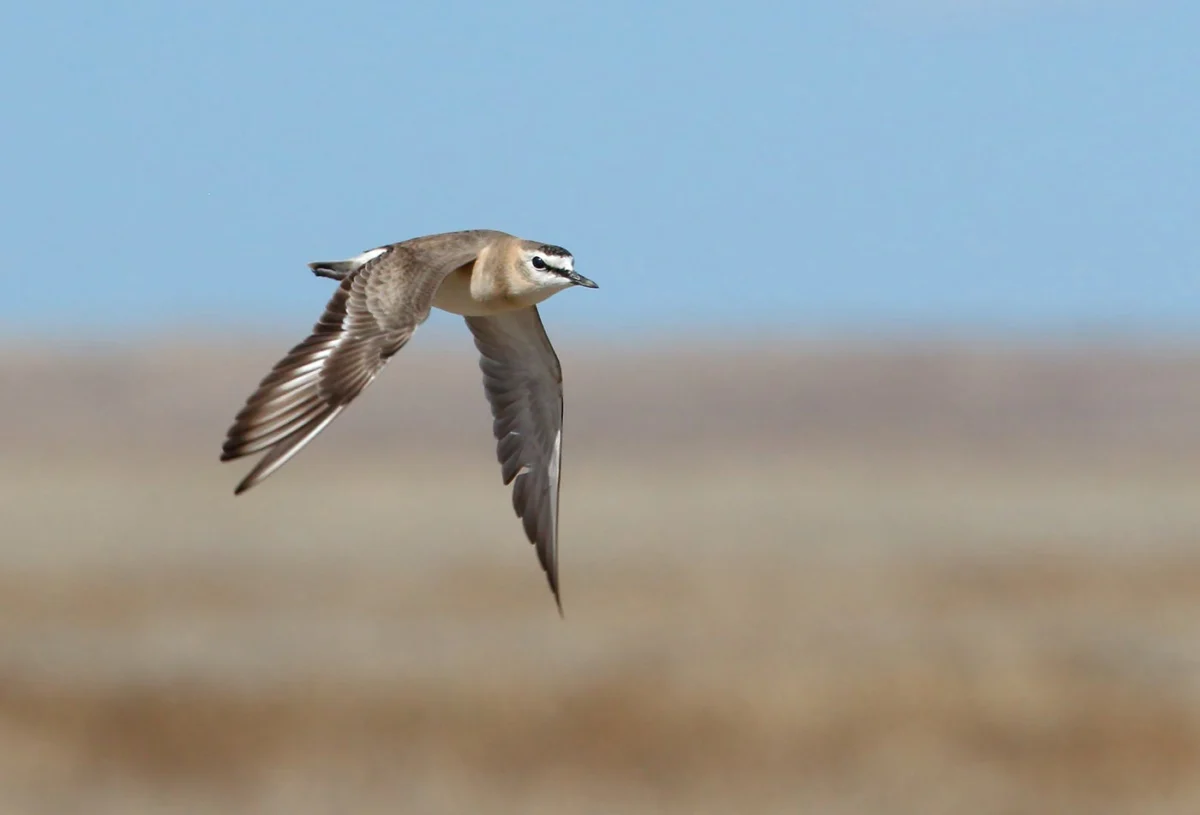
RUSH, COLO. (September 18, 2026) — The landscape of Colorado’s eastern plains has undergone a significant ecological milestone as the 50,000-acre Brett Gray Ranch, owned by the Colorado State Land Board, has officially earned the National Audubon Society’s Bird-Friendly Land Certification. This recognition, facilitated through the Audubon Conservation Ranching (ACR) program, marks a pivotal development in the ongoing effort to arrest the decline of grassland bird populations across North America. The certification serves as a formal validation of the regenerative, science-based land management practices employed by Round River Resource Management, LLC, which has overseen the property for the past 17 years in partnership with The Nature Conservancy.
The Urgent Need for Grassland Preservation
The North American grassland biome represents one of the most endangered ecosystems on the planet. Over the past half-century, grassland birds have suffered more severe population declines than any other terrestrial avian group in the United States. Ornithological data indicates that these losses are primarily driven by the "three pillars" of habitat degradation: widespread land conversion for industrial development, the encroachment of woody vegetation into historic prairies, and the systemic over-application of synthetic chemicals.
Grassland birds—including specialized species such as the Mountain Plover and the Chestnut-collared Longspur—are highly sensitive to environmental fragmentation. These species require vast, continuous stretches of open prairie to thrive, breed, and migrate. When these habitats are carved into smaller segments or altered by woody growth, the resulting "edge effects" increase vulnerability to predators and reduce the available nesting grounds for birds that have evolved to live in wide-open, treeless vistas.
A Timeline of Stewardship and Transformation
The journey to this certification at Brett Gray Ranch was not an overnight endeavor but the culmination of nearly two decades of strategic land management.
- 2009–2012: Round River Resource Management initiates a foundational assessment of the ranch’s native prairie health, identifying areas where historical overgrazing had diminished biodiversity.
- 2013–2017: Implementation of intensive, planned rotational grazing systems begins. This strategy mimics the natural migratory patterns of historical bison herds, preventing overgrazing of preferred grasses and allowing for the rest and recovery of plant species.
- 2018–2022: Infrastructure development—including water distribution systems and strategic fencing—allows for more precise livestock movement, leading to a measurable resurgence of native tallgrass species and an improvement in the overall carrying capacity of the land.
- 2023–2025: The ranch undergoes rigorous independent auditing by third-party environmental specialists to verify that its management practices meet the stringent criteria set forth by the Audubon Society.
- September 2026: Official designation as Audubon Certified Bird-Friendly Land is conferred, integrating the ranch into a network of 16 certified Colorado properties covering nearly 750,000 acres.
The Mechanics of Bird-Friendly Ranching
To achieve certification, a ranch must move beyond conventional agricultural practices. The Audubon Conservation Ranching program requires that land managers adhere to a set of high-performance standards focused on habitat heterogeneity—the diversity of structural and plant species within a landscape.
At Brett Gray, this is achieved through a "holistic management" approach. By managing the intensity and timing of livestock grazing, the ranch creates a mosaic of vegetation heights. Some areas are grazed shorter, which is essential for species like the Mountain Plover that require short, sparse vegetation for camouflage and foraging. Other areas are left taller or ungrazed, providing critical nesting cover for ground-nesting birds and shelter for wildlife during winter months.
Furthermore, the management team at Round River has placed a heavy emphasis on the protection of riparian corridors and wetlands. While the region is characterized by shortgrass prairie, these aquatic features act as "biodiversity magnets." Through controlled grazing, the team ensures that cattle do not degrade these sensitive banks, thereby maintaining water quality and providing a critical resource for both resident and migratory avian species.
Insights from the Field
Louis Martin, the principal behind Round River Resource Management, views the certification as a validation of the intersection between ecological health and economic viability. "By working with nature and the four ecosystem processes, we increase the diversity of both plant and animal species," Martin stated following the announcement. "We improve the overall production of our natural resources, which results in an enhanced natural resource base that increases the profitability of our business and benefits both the ecosystem and society at large."
The scientific community has taken note of these results. Louisa Kimmell, a Range Ecologist with the Audubon Conservation Ranching program in Colorado, highlighted the ranch’s exceptional status in the birding community. "It is no accident that Brett Gray Ranch has one of the longest and most impressive bird species lists on eBird among ranches across the state," Kimmell remarked. She noted that the commitment to riparian habitat restoration, in particular, has transformed the ranch into a regional "hotspot" for biodiversity, proving that working lands can serve as vital refuges for wildlife.
Broader Economic and Ecological Implications
The Audubon certification serves a dual purpose: ecological restoration and market differentiation. Consumers are increasingly seeking transparency in the food supply chain, particularly regarding the environmental footprint of their meat consumption. By carrying the Audubon Certified Bird-Friendly seal, the beef and bison products produced at Brett Gray Ranch provide a tangible link between the grocery store shelf and the prairie landscape.
This market-based incentive is crucial for the future of the Great Plains. As ranching operations face rising operational costs and the pressures of climate change, the ability to command a premium price for products that support biodiversity provides a necessary financial buffer. It incentivizes landowners to keep their properties in ranching rather than selling them for subdivision or industrial conversion, which would irrevocably destroy the habitat.
The National Context
Brett Gray Ranch is now part of a much larger national experiment. Across the United States, more than 155 farms and ranches, spanning 4.5 million acres, are now certified through the ACR program. The data gathered from these sites is providing researchers with unprecedented insight into how managed grazing can mitigate the effects of climate change, sequester carbon in soil, and maintain water cycles in arid environments.
The annual avian monitoring protocols required by the certification provide a feedback loop for the managers. If bird populations of specific species begin to dip, the grazing plan can be adjusted in real-time to create the conditions necessary for recovery. This adaptive management style is far removed from the static, extraction-based agriculture of the 20th century.
Conclusion: A Model for Future Stewardship
The inclusion of the Brett Gray Ranch into the Audubon network represents a template for the future of the American West. It demonstrates that the interests of the cattle industry and the interests of conservationists are not mutually exclusive. When managed with an eye toward the ecological complexity of the shortgrass prairie, livestock can act as a catalyst for environmental health rather than a detriment.
As the program moves forward, the success of the 50,000-acre Brett Gray project will likely serve as a case study for other state land boards and private ranchers across the region. By proving that profitability and biodiversity can grow in tandem, the project provides a blueprint for sustaining the grasslands that remain, ensuring that species like the Mountain Plover and the Chestnut-collared Longspur have a fighting chance at long-term survival in an increasingly fragmented world. For the Colorado State Land Board and the team at Round River, the certification is not merely a badge of honor, but a commitment to continue the meticulous, science-driven stewardship that has allowed the Brett Gray Ranch to become a sanctuary for the winged inhabitants of the Great Plains.
