
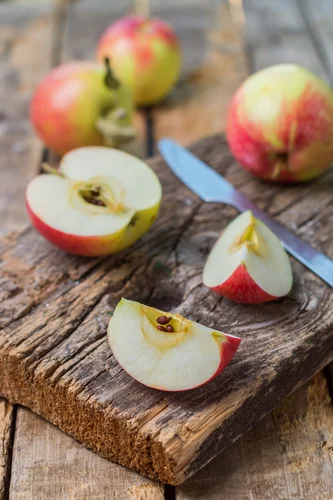
The inclusion of fruits and vegetables in the diet of backyard poultry is a common practice among hobbyists and small-scale farmers, yet it necessitates a rigorous understanding of avian physiology and potential toxicological risks. Apples, while widely regarded as a nutritious treat rich in fiber and antioxidants, present specific challenges regarding their seeds. The seeds of apples, along with those of other stone fruits, contain amygdalin, a cyanogenic glycoside that can pose health risks to chickens if consumed in sufficient quantities. While the flesh and skin of the apple are entirely safe and beneficial, the necessity of proper preparation—specifically coring—is a standard recommendation for those maintaining the long-term health of a flock.
Nutritional Profile and Avian Health
Apples (Malus domestica) are nutrient-dense, providing essential vitamins such as Vitamin C and A, as well as significant dietary fiber. For chickens, these nutrients support digestive health and general immune function. When provided in moderation, apples serve as an excellent enrichment tool, encouraging natural foraging behaviors. Owners often employ creative feeding methods, such as suspending whole apples to mimic tetherball or slicing them to facilitate easier consumption.

However, the primary concern for poultry managers remains the chemical composition of the seeds. Amygdalin is a naturally occurring compound found in the seeds of many fruits within the Rosaceae family. When the seed is crushed or chewed, the amygdalin interacts with enzymes in the digestive tract, releasing hydrogen cyanide. Cyanide is a potent respiratory toxin that inhibits cellular respiration by binding to cytochrome c oxidase, an enzyme essential for the electron transport chain. By blocking this process, the substance effectively prevents cells from utilizing oxygen, which can lead to metabolic distress.
Toxicology and Clinical Symptoms
The susceptibility of a chicken to cyanide poisoning is highly variable and depends on factors such as the bird’s age, overall weight, health status, and the volume of seeds consumed. While a single apple seed is unlikely to cause acute toxicity in a mature, healthy hen, the cumulative risk or the vulnerability of younger birds—specifically chicks or those with compromised immune systems—cannot be ignored.
Clinical manifestations of cyanide poisoning in poultry are rapid and severe. Because the toxin directly interferes with the blood’s ability to oxygenate tissues, the first signs often involve the respiratory and cardiovascular systems. These include, but are not limited to:

- Dyspnea (shortness of breath) and respiratory distress.
- Cyanosis (manifesting as a bluish-purple discoloration of the comb and wattles).
- Tachycardia (rapid heart rate) followed by potential bradycardia as the system fails.
- Neurological impairment, including lethargy, loss of consciousness, and seizures.
- Cardiac arrest leading to rapid mortality.
In a clinical setting, veterinarians often look for the distinct scent of bitter almonds, a hallmark of cyanide exposure. Given that these symptoms can progress in minutes, prevention through the physical removal of seeds remains the most effective management strategy.
Chronology of Fruit Safety Standards
The discourse surrounding the safety of "human foods" for poultry has evolved significantly over the last two decades. In the early 2000s, the practice of providing kitchen scraps to backyard flocks was often informal, with little regard for botanical toxicity. As urban farming and backyard chicken keeping gained mainstream popularity, organizations and agricultural experts began to codify "safe versus toxic" lists.
- 2010–2015: Increased advocacy from agricultural extension services and poultry welfare groups emphasized that while chickens are omnivores, their digestive systems are not universal trash compactors. The "10% Rule" was popularized during this period, establishing that treats—including fruits like apples—should not exceed 10% of a chicken’s total daily caloric intake.
- 2016–2020: Research into the bioavailability of cyanogenic glycosides in common garden fruits confirmed that while the toxin is present in stone fruit pits (peaches, plums, apricots) and apple seeds, the mechanical barrier of the hard pits often prevents ingestion in stone fruits. Conversely, apple seeds are soft enough to be crushed by the gizzard, making them a more immediate ingestion risk.
- 2021–Present: Current industry consensus focuses on proactive preparation. Whether through formal education or community forums, the standard practice has shifted to the mandatory removal of cores and pits before feeding any fruit from the Rosaceae family to poultry.
Supporting Data on Dietary Ratios
Maintaining a balanced diet is critical for egg production and bone density. Poultry experts consistently recommend that layers receive a balanced commercial feed as the foundation of their nutrition. Treats, while beneficial for behavioral enrichment, must be strictly limited to prevent nutritional dilution.

The 10% threshold translates to approximately 1 to 2 tablespoons of treats per bird, per day. Excessive intake of fruit, which is high in fructose and fiber, can lead to digestive upset, including osmotic diarrhea. Furthermore, over-reliance on treats can lead to obesity in captive birds, which in turn causes complications such as egg binding and fatty liver syndrome. By ensuring that apple consumption is limited and that only the flesh and skin are provided, owners can maximize the antioxidant benefits without the associated metabolic risks.
Broader Implications for Small-Scale Agriculture
The decision to feed poultry garden produce is not merely a matter of waste reduction; it is an exercise in resource management. Many small-scale farmers integrate their flocks into a circular ecosystem, feeding them surplus produce to reduce feed costs and provide variety. However, this practice carries an implied responsibility for the owner to understand the biological composition of the food being offered.
From a regulatory and veterinary perspective, the incident of accidental poisoning is relatively rare, yet it remains a preventable cause of loss. Educational outreach regarding the dangers of apple seeds, cherry pits, and other potentially harmful plant matter has contributed to a decrease in preventable avian fatalities. Veterinary professionals emphasize that if an owner suspects the ingestion of a large quantity of apple seeds, immediate action—such as observing for respiratory distress and contacting an avian-specialized veterinarian—is the recommended course of action.

Strategic Management Recommendations
To ensure the health and longevity of a backyard flock, owners are advised to adopt the following protocols:
- Preparation: Always core and slice apples. Do not toss whole, un-cored apples into the coop.
- Moderation: Treat the fruit as an occasional supplement rather than a primary food source. Adhere to the 10% dietary rule to prevent obesity and nutrient deficiencies.
- Observation: Monitor the flock for behavioral changes after the introduction of new food items.
- Education: Familiarize oneself with the broader list of toxic items, including items often overlooked such as raw beans, potato skins, and chocolate, which contain different but equally dangerous toxins.
By treating the diet of the flock with the same scientific rigor applied to livestock management in larger agricultural settings, backyard chicken keepers can ensure that their birds remain productive, healthy, and safe from common, yet avoidable, environmental toxins. The shift toward evidence-based feeding practices marks a maturation of the backyard poultry movement, moving away from anecdotal methods toward a more structured, biology-informed approach to animal husbandry. As the popularity of home-raised poultry continues to rise, the dissemination of these safety protocols remains essential to protecting the welfare of both the birds and the ecosystems they inhabit.
