
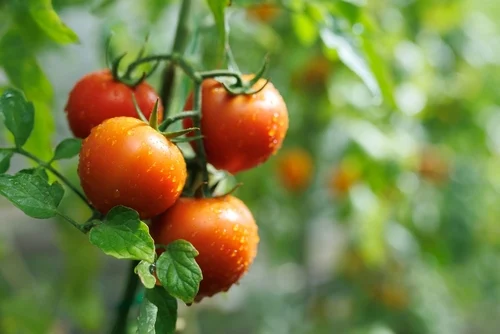
The inclusion of tomatoes in the diet of backyard poultry remains a subject of nuanced debate among avian nutritionists and agricultural experts. While tomatoes are botanically categorized as fruits and possess a high density of beneficial nutrients, they belong to the Solanaceae, or nightshade, family. This biological classification introduces significant considerations regarding the presence of natural glycoalkaloids, specifically solanine and tomatine, which can pose health risks to chickens if ingested in improper forms or quantities. For poultry keepers, understanding the distinction between the safe, ripe fruit and the toxic components of the plant is essential for maintaining flock health.
Botanical Context and the Science of Nightshade Toxins
The Solanaceae family is widespread and includes several common garden vegetables such as potatoes, peppers, and eggplants, alongside tomatoes. A defining characteristic of these plants is the synthesis of glycoalkaloids as a natural defense mechanism against pests and fungal pathogens. In the tomato plant (Solanum lycopersicum), the concentration of these compounds varies significantly depending on the part of the plant and its stage of maturity.

Solanine is a toxic glycoalkaloid found throughout the nightshade family, while tomatine is a specific alkaloid unique to the tomato plant. Research indicates that the highest concentrations of these toxins are located in the leaves, stems, and vines of the tomato plant. Furthermore, the concentration is highest in green, unripe fruit and progressively diminishes as the fruit undergoes the ripening process. For the backyard poultry keeper, this means that the "green" portions of the plant are significantly more hazardous than a fully vine-ripened tomato.
Physiological Impact on Poultry
When chickens ingest toxic levels of solanine or tomatine, the physiological response can be severe. These compounds interfere with the permeability of cellular membranes and inhibit the enzyme acetylcholinesterase, which is vital for proper nervous system function.
Clinical observations of solanine poisoning in birds frequently include symptoms such as:

- Gastrointestinal distress: Manifesting as severe diarrhea, vomiting, and abdominal cramping.
- Neurological impairment: Including a noticeably slowed pulse and lethargy.
- Thermoregulatory failure: A drop in body temperature that can lead to shock.
Tomatine poisoning often presents with similar gastrointestinal symptoms, including nausea and acute cramping. Because these toxins affect the digestive and nervous systems, young chicks and elderly or immunocompromised birds are at a significantly higher risk of mortality compared to healthy adult hens.
Chronology of Dietary Management
The historical perspective on feeding garden scraps to poultry has shifted toward more evidence-based practices. In the mid-20th century, garden waste was frequently repurposed as feed with little regard for botanical classification. However, as the backyard chicken movement gained momentum in the 21st century, experts such as Lisa Steele and other poultry husbandry specialists have established clearer protocols.
The modern consensus on the timeline of feeding is as follows:

- Early development: Chicks should strictly avoid any exposure to nightshade family vegetation. Their developing immune and digestive systems are highly susceptible to alkaloid toxicity.
- Maintenance phase: Adult, healthy birds may consume small, controlled amounts of ripe, red fruit.
- Seasonal management: During the summer harvest, owners must ensure that birds do not have free access to the green foliage of tomato plants in the garden, as they may forage on the stems and leaves if forage is otherwise limited.
Nutritional Profile of Ripe Tomatoes
Despite the inherent risks, a fully ripe tomato is not without nutritional merit. When provided in moderation, tomatoes offer a profile of essential nutrients that can complement a balanced commercial feed. These include:
- Carotenoids: Which support immune system function and the vibrant color of egg yolks.
- Potassium: Essential for fluid balance and muscle function.
- Vitamin C and K: Antioxidants that support bone health and cellular repair.
- Vitamin A: Crucial for vision and reproductive health.
The challenge for the poultry keeper is to leverage these benefits without crossing the threshold into toxicity. The nutritional utility of the fruit is outweighed by the risk if the frequency of feeding is not strictly managed.
Industry Standards and Quantitative Limits
Poultry science professionals recommend that "treats"—defined as any food outside of the nutritionally complete commercial layer ration—should constitute no more than 10% of a bird’s total daily caloric intake. In practical terms, for an average-sized hen, this equates to approximately one to two tablespoons of tomato fruit per day.

To provide context, if an owner offers a handful of tomatoes to a flock of six, the distribution must be monitored to ensure that no single bird consumes an excessive portion. Furthermore, the fruit must be washed to remove any potential pesticide residue, which is a common concern in home-grown or commercial produce.
Analytical Overview of Risk Mitigation
The management of tomato consumption is essentially a lesson in risk mitigation. The risks are not merely theoretical; they are grounded in plant biology. The following analytical points summarize the industry-standard approach to this dietary inclusion:
- Exclusion of Green Matter: There is no safe, moderated amount for tomato leaves, stems, or green fruit. These must be completely removed from any area accessible to the flock.
- Maturity Threshold: Feeding should only occur when the fruit has reached full ripeness. Color is a primary indicator of reduced alkaloid levels; however, even then, the fruit remains a "treat" rather than a staple.
- Flock Health Assessment: Before introducing new treats, owners should evaluate the general health of their birds. If a flock is experiencing environmental stress, temperature fluctuations, or existing health issues, the introduction of potentially inflammatory or toxic foods should be paused.
- Environmental Control: In a free-range setting, the primary concern is the accidental consumption of garden foliage. Fencing off vegetable patches to prevent birds from picking at tomato vines is a standard and recommended practice.
Broader Implications for Sustainable Poultry Keeping
The trend toward self-sufficiency and urban farming requires a higher level of education regarding the inputs provided to livestock. As urban and suburban poultry keeping continues to grow, the ability of the average owner to distinguish between safe botanical inclusions and toxic hazards becomes a matter of animal welfare.

Regulatory bodies and agricultural extension services emphasize that the primary source of nutrition for a backyard flock should remain a formulated, balanced ration designed to meet the specific requirements of the species. When owners deviate from this, they take on the responsibility of managing the biochemical consequences of the plants they provide.
In conclusion, while tomatoes can be a healthy, vitamin-rich addition to a chicken’s diet, the risks associated with the nightshade family necessitate a disciplined approach. By strictly prohibiting the consumption of leaves, stems, and unripe fruit, and by limiting the intake of ripe fruit to less than 10% of the total diet, owners can safely provide their flocks with the benefits of this garden harvest without compromising the health or safety of their birds. The golden rule for the modern poultry keeper remains: when in doubt regarding the toxicity of a plant, it is safer to exclude it from the diet entirely.
