
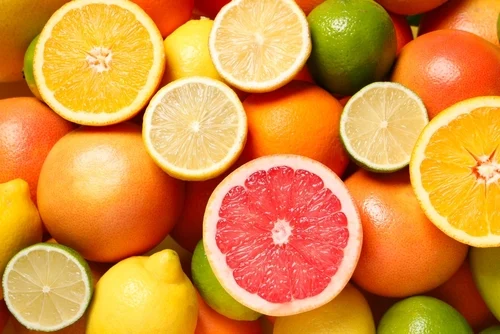
For many backyard poultry enthusiasts, the practice of recycling kitchen scraps into chicken feed is a cornerstone of sustainable flock management. However, not all organic waste is created equal. Among the items frequently debated in agricultural circles are citrus fruits, including oranges, lemons, limes, and grapefruits. While these fruits are staples of the human diet, their inclusion in the avian diet requires a nuanced understanding of poultry physiology, nutrient absorption, and long-term flock health.
The Nutritional Physiology of Poultry
To understand why citrus is generally discouraged in a poultry diet, one must first look at the biological requirements of the chicken. Unlike humans, who are dietary dependent on external sources of Vitamin C (ascorbic acid) to prevent conditions like scurvy, chickens are physiologically capable of synthesizing their own Vitamin C within their kidneys. Because the avian body produces sufficient levels of this vitamin under normal conditions, the high acidity and concentrated Vitamin C levels found in citrus offer no significant nutritional advantage to a healthy flock.
Furthermore, the chemical composition of citrus fruit, particularly the citric acid, can interact negatively with the delicate mineral balance required for optimal egg production. Poultry nutritionists have long noted that the consumption of high-acid foods can disrupt the metabolic pathways responsible for calcium sequestration.

Calcium Absorption and Shell Quality
The most significant concern regarding the frequent feeding of citrus to chickens is the potential interference with calcium metabolism. Chickens, particularly laying hens, have a voracious requirement for calcium to maintain the structural integrity of their eggshells and their own skeletal system. When a hen prepares to lay an egg, she draws a significant portion of her calcium reserves directly from her medullary bone—a specialized form of bone tissue that serves as a mineral reservoir.
If the acidity of citrus fruits interferes with the absorption of dietary calcium in the gut, the hen may face a chronic mineral deficit. Over time, this deficiency manifests in several observable ways:
- Soft-Shelled Eggs: The most immediate indicator, where the shell gland fails to deposit a sufficient calcified layer, resulting in thin, rubbery, or non-existent shells.
- Reduced Egg Production: The hen’s body, sensing a calcium crisis, may enter a protective state, effectively slowing or halting the reproductive cycle to prevent further skeletal depletion.
- Osteoporosis and Skeletal Fragility: Long-term calcium leaching leads to brittle bones, making the flock more susceptible to fractures and mobility issues, which significantly degrades the quality of life for the birds.
Chronology of Dietary Recommendations
The debate surrounding citrus as a potential feed additive has evolved alongside the growth of the backyard chicken movement. In the early 20th century, agricultural manuals often focused on high-protein grains and forage. As suburban farming expanded in the 1970s and 1980s, the trend of "zero-waste" homesteading encouraged the feeding of all vegetable scraps.
However, by the early 2000s, avian veterinarians and poultry scientists began documenting a rise in metabolic issues in backyard flocks. Researchers noted that hobbyist owners often prioritized convenience over nutritional science, leading to an over-reliance on acidic kitchen waste. By the 2010s, formal consensus emerged among major agricultural extension services: citrus, while not immediately toxic in the way that nightshade plants (like raw potatoes or green tomatoes) are, serves no functional purpose in the diet and poses a distinct risk to shell quality.

Data on Nutrient Requirements
The dietary requirements for a standard laying hen are precise. A high-quality layer ration usually contains between 3.5% and 4.5% calcium. This ratio is carefully calibrated to ensure that the absorption rate remains efficient. The introduction of citric acid into the digestive tract can lower the pH of the gastrointestinal environment. While a slightly acidic environment is normal for avian digestion, excessive acidity can inhibit the solubility of calcium carbonate, the primary source of calcium in a hen’s diet.
Supporting data from various poultry science journals suggests that when the gut pH is consistently disrupted, the percentage of "seconds" (eggs with defective shells) can increase by as much as 15% to 20% within a three-week period. This data point is a crucial metric for commercial operations, but it is equally relevant for the small-scale keeper who may see a sudden drop in egg quality after a surplus of citrus is introduced to the feed bin.
Behavioral Indicators and Flock Management
Interestingly, anecdotal evidence from long-term flock owners suggests that chickens possess an innate biological aversion to the strong essential oils and acidic compounds found in citrus rinds. When offered a variety of kitchen scraps, chickens will typically consume greens, grains, and vegetable matter first, often ignoring citrus rinds or discarded segments entirely.
This self-regulating behavior is a protective mechanism. The strong volatile compounds in the rinds of lemons and oranges serve as a deterrent in the wild, and this behavior persists in domesticated breeds. When a keeper observes their flock consistently avoiding a specific food item, it is often an indication that the item is either nutritionally useless or potentially harmful. Foraging experts recommend that if owners choose to dispose of citrus, they should do so via a compost system rather than the feeding trough.

Broader Implications for Sustainable Poultry Keeping
The trend toward sustainable agriculture often encourages the repurposing of organic waste. While this is an admirable goal, it must be balanced with the reality of avian nutritional biology. The "waste" produced by a kitchen is not always "food" for a chicken.
The broader implication of this feeding practice touches on the welfare of the flock. A flock that is fed a high-acid diet may not present immediate symptoms of toxicity, but it will suffer from a cumulative reduction in health. The focus of the modern backyard keeper should be on high-density nutrition: proteins, balanced carbohydrates, and appropriate mineral supplements.
Expert Perspectives
Industry experts, including seasoned breeders and veterinary consultants, emphasize that the goal of backyard poultry keeping should be the maximization of the bird’s health rather than the mere disposal of waste. While a single orange peel discarded in a large, diverse range will likely cause no harm, the habit of including citrus in daily scraps is discouraged.
The professional consensus remains consistent:

- Avoidance of Toxicity: While not lethal in small doses, the cumulative effect of acidic foods is detrimental to long-term skeletal health.
- Nutritional Redundancy: Since chickens synthesize their own Vitamin C, the inclusion of citrus provides no health benefits that cannot be derived from safer, more biologically appropriate food sources.
- Optimization of Production: Maintaining strict control over the dietary inputs is the most effective way to ensure high-quality egg production and strong bone density in the flock.
Conclusion: Best Practices for Disposal
For those committed to sustainable living, the best destination for citrus waste remains the compost pile rather than the feeder. In the compost, the acidity of the citrus breaks down through microbial action and oxidation, eventually becoming a nutrient-rich soil amendment that can support the growth of safe, non-toxic vegetables for the flock.
By distinguishing between "edible" and "beneficial," poultry keepers can ensure that their flocks are not only productive but also thriving in a managed environment. The health of the bird should always supersede the convenience of waste disposal, ensuring that the legacy of the backyard flock is one of vitality, longevity, and high-quality output. Understanding the limitations of the avian digestive system is not just a technicality—it is an essential component of responsible animal husbandry in the 21st century.
