
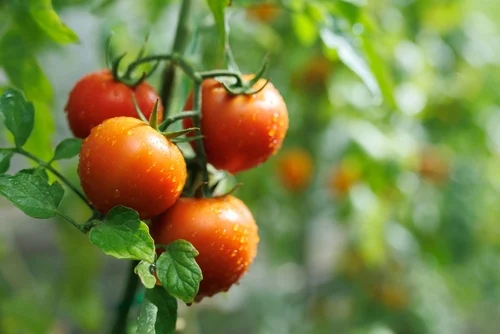
The question of whether tomatoes are safe for backyard poultry consumption is a frequent topic of inquiry among small-scale agriculturalists and hobbyist chicken keepers. While tomatoes are a common garden crop, their classification within the Solanaceae, or nightshade, family introduces specific biochemical risks that necessitate a disciplined approach to poultry nutrition. Understanding the interaction between avian physiology and the glycoalkaloids present in these plants is essential for maintaining flock health and preventing accidental poisoning.
Botanical Background and the Nightshade Connection
To understand the risks associated with tomatoes, one must first consider the taxonomy of the Solanaceae family. This botanical group includes not only tomatoes but also peppers, eggplants, and potatoes. A defining characteristic of many plants within this family is the synthesis of glycoalkaloids, which serve as natural chemical defenses against insects, fungi, and herbivores.

In the case of the tomato plant (Solanum lycopersicum), the primary toxins are solanine and tomatine. These compounds are distributed throughout the plant, with the highest concentrations found in the foliage, stems, and unripe, green fruit. Solanine is a potent neurotoxin that can interfere with the nervous system, while tomatine is a glycoalkaloid that, in high concentrations, can cause significant gastrointestinal distress in various animal species, including poultry.
Historical Context and Nutritional Evolution
For decades, the practice of allowing chickens to forage in vegetable gardens has been standard in rural subsistence farming. However, as backyard chicken keeping has evolved into a more formalized practice, veterinary research and avian nutrition studies have provided clearer guidelines on plant-based toxicity. Historically, anecdotal evidence from older generations of farmers suggested that chickens would instinctively avoid toxic foliage. Modern veterinary consensus, however, argues that domestic chickens, particularly those raised in confined spaces or with limited access to diverse forage, may lack the discernment to avoid potentially harmful plant matter when they are hungry or bored. Consequently, the burden of safety management has shifted to the owner.
Chronology of Toxicity Exposure

The danger posed by tomatoes is not uniform across the lifecycle of the plant or the fruit. The concentration of toxins follows a predictable biological decline as the plant matures. In the early stages of fruit development, green tomatoes possess high levels of tomatine. As the fruit undergoes the ripening process—a complex physiological transition involving the degradation of chlorophyll and the synthesis of carotenoids—the concentration of these toxins decreases significantly.
By the time a tomato has reached full maturity and ripeness, the levels of glycoalkaloids are typically low enough to be considered safe for ingestion by adult chickens, provided they are offered in moderation. Conversely, the leaves and stems of the plant maintain high levels of solanine throughout the growing season. Therefore, while a ripe tomato may be a permissible occasional treat, the vegetative parts of the plant remain permanently off-limits for avian consumption.
Clinical Manifestations of Toxicity
Should a chicken ingest a toxic quantity of nightshade foliage or unripe fruit, the onset of symptoms can be rapid. Clinical indicators of solanine poisoning include a marked reduction in heart rate (bradycardia), lethargy, and a decrease in core body temperature. Gastrointestinal symptoms are also common, manifesting as persistent diarrhea, abdominal cramping, and, in severe cases, vomiting—a phenomenon that is less common in birds than in mammals but remains a diagnostic red flag in avian pathology.

Tomatine poisoning, while closely related, often presents with acute gastrointestinal irritation, characterized by nausea and cramping. Because these toxins affect the nervous system, owners might also observe neurological signs, such as loss of coordination or tremors. The susceptibility to these toxins is not uniform; younger birds, specifically baby chicks, and geriatric or immunosuppressed hens are at a significantly higher risk of systemic failure even when exposed to lower doses of toxins.
Quantitative Guidelines for Safe Feeding
For poultry keepers who choose to incorporate tomatoes into their flock’s diet, adherence to strict quantitative limits is vital. Nutritional experts and experienced avian keepers emphasize that treats should never constitute more than 10% of a chicken’s total daily caloric intake. For an average-sized hen, this equates to roughly one to two tablespoons of tomato fruit per day.
Exceeding this limit can lead to nutritional imbalances. While tomatoes contain beneficial nutrients—including vitamins A, C, and K, as well as potassium, antioxidants, and carotenoids—these benefits are easily overshadowed by the risks if the fruit is served improperly or in excessive amounts. The primary goal of a poultry diet should be a balanced, formulated layer feed, which is specifically designed to meet the complex metabolic requirements of egg-laying hens. Relying too heavily on supplemental treats like tomatoes can displace more nutrient-dense feed, leading to potential drops in egg production or declines in shell quality.

Broader Implications for Backyard Flock Management
The management of a healthy flock requires a proactive stance on environmental hazards. The inclusion of nightshades in a backyard garden layout necessitates physical barriers or vigilant monitoring. If a flock has free-range access to the garden, it is incumbent upon the owner to ensure that the tomato plants are either caged or inaccessible to the birds.
From a public health perspective, the implications of feeding garden waste to poultry are twofold. First, there is the risk of direct toxicity to the flock. Second, there is the potential for bioaccumulation. While there is no definitive evidence suggesting that moderate consumption of ripe tomatoes transfers dangerous levels of solanine into the eggs produced, the general principle of food safety remains: if the source material is suspect or potentially toxic, it should be excluded from the food chain.
Expert Recommendations and Best Practices

Professional advice from agricultural extension services and avian health experts consistently emphasizes three core principles: maturity, moderation, and monitoring.
- Maturity: Only fully ripened, red tomatoes should be considered for feeding. Green tomatoes, regardless of size, must be discarded or composted away from the reach of the birds.
- Moderation: The 10% rule is the gold standard for supplemental feeding. It is better to provide smaller, more frequent portions than to dump large quantities of produce into the coop.
- Monitoring: Owners should observe their flock for 24 to 48 hours after introducing any new treat to the diet. If any bird exhibits signs of lethargy, digestive distress, or reduced appetite, the treat should be immediately removed from the rotation.
In conclusion, while tomatoes are not inherently "poisonous" in every context, they carry significant risks that require informed management. The botanical reality of the Solanaceae family cannot be ignored. By distinguishing between the ripe fruit and the toxic vegetative parts of the plant, and by strictly regulating the frequency and quantity of ingestion, owners can safely provide their flocks with the nutritional advantages of tomatoes without compromising the long-term health and productivity of their birds. As with all aspects of animal husbandry, the key lies in the balance between enrichment and safety, ensuring that the supplemental diet supports the overall vitality of the flock rather than threatening it.
