
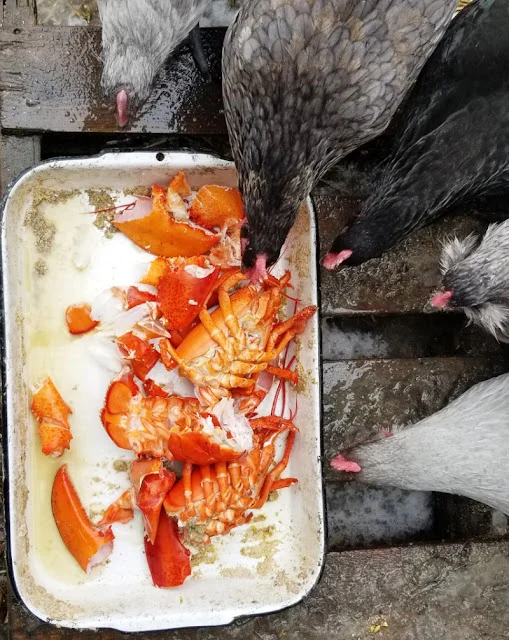
The practice of feeding kitchen scraps to backyard poultry is a long-standing tradition in sustainable agriculture, aimed at reducing household waste while providing birds with supplemental nutrition. However, a recent trend of introducing high-value seafood, specifically lobster, into chicken diets has garnered attention from agricultural experts and poultry enthusiasts alike. While unconventional, the consumption of lobster by domestic chickens is biologically feasible and, when managed correctly, offers a unique source of protein and calcium for the flock.

The Nutritional Profile of Lobster for Poultry
Lobster is frequently categorized as a high-value protein source. From a nutritional standpoint, a three-ounce serving of cooked lobster meat contains approximately 19 grams of high-quality protein. Beyond its macro-nutrients, lobster provides essential minerals such as selenium, zinc, copper, and phosphorus, all of which support metabolic functions and immune system health in avian species.
The primary concern often raised by skeptics involves the cholesterol and sodium content of crustaceans. Poultry nutritionists note that while lobster meat contains dietary cholesterol, this substance does not necessarily correlate with adverse health outcomes in chickens in the same way it is scrutinized in human dietary guidelines. Provided the lobster is served plain—without the common culinary accompaniments of butter, excessive salt, or garlic, which can be toxic to birds—the meat serves as a lean, nutrient-dense treat.

Chronology of Poultry Dietary Shifts
The shift toward more diverse, and at times exotic, poultry diets has evolved over the past decade, mirroring a broader movement toward "farm-to-table" sustainability. Historically, backyard chickens were provided with grains, corn, and standard kitchen vegetable scraps. As the backyard chicken-keeping movement expanded into urban and suburban environments, owners began seeking more creative ways to utilize food waste.
In coastal regions, such as Maine, where the abundance of lobster leads to a surplus during the off-season, residents began observing the efficiency of utilizing crustacean shells and meat scraps as a feed supplement. By 2015, online forums and agricultural blogs began documenting the transition, noting that chickens displayed a high degree of interest in picking through discarded shells. This behavioral enrichment serves as a psychological benefit, as the task of extracting small morsels of meat from the exoskeleton mimics natural foraging behaviors.

The Role of Crustacean Exoskeletons in Calcium Supplementation
One of the most significant advantages of providing lobster to a flock is the accessibility of the shells. Calcium is a critical mineral for laying hens, required to maintain eggshell integrity and prevent metabolic bone disease. While commercial feed often includes calcium carbonate, natural sources such as crushed oyster shells or eggshells are standard supplements.
Lobster shells, composed primarily of chitin and calcium carbonate, offer a viable, organic alternative. When exposed to sunlight and the elements, these shells become brittle and can be processed into a fine grit. Once crushed—via mechanical means such as a food processor or a mortar and pestle—the resulting powder provides a highly bioavailable form of calcium. This process not only diverts waste from landfills but also closes a nutritional loop within the homestead ecosystem.

Expert Perspectives and Safety Guidelines
Poultry health experts emphasize that while chickens are omnivorous and capable of consuming a wide variety of proteins, moderation remains the governing principle. Dr. Helen Richardson, an avian nutritionist, notes, "The primary risk in feeding seafood to poultry is not the meat itself, but the potential for high mercury levels or sodium content if the scraps are seasoned. If a keeper intends to feed lobster, it must be completely unseasoned and provided as an occasional treat rather than a primary food source."
Furthermore, there is a logistical caution regarding shell size. If shells are not properly crushed or if they are offered in large, jagged pieces, they may pose a choking hazard or cause internal irritation. Owners are advised to ensure that any shells provided are either thoroughly sun-dried and brittle or sufficiently pulverized to prevent impaction.

Economic and Environmental Implications
The economic viability of using lobster as a feed supplement depends heavily on geography. In regions where lobster is a local commodity, price fluctuations during the off-season can render it more cost-effective than some high-protein commercial feeds. During peak tourist seasons, when prices for a standard lobster roll can exceed $30, the practice becomes less practical. However, in the off-season, when prices drop to approximately $7.99 per pound, the economic argument for utilizing scraps becomes more compelling.
From an environmental standpoint, the practice aligns with circular economy principles. By utilizing the entirety of the animal—meat for human consumption and shells for mineral supplementation—the waste footprint of the household is significantly reduced. This practice is emblematic of the "zero-waste" philosophy that has become a hallmark of modern small-scale agriculture.

Potential Risks and Best Practices
Despite the nutritional benefits, potential risks must be acknowledged. Mercury accumulation in marine life is a documented phenomenon. While the amount of mercury in a small portion of lobster is unlikely to reach toxic levels in a chicken, cumulative exposure from a diet consisting exclusively of seafood scraps could, theoretically, lead to heavy metal accumulation. Consequently, veterinarians recommend that seafood intake be limited to no more than 5% of the total weekly diet.
Furthermore, poultry keepers should avoid feeding shells that have been exposed to chemical preservatives or excessive amounts of salt. In a commercial context, if lobster waste were to be used as a feed ingredient, it would need to undergo rigorous processing to remove pathogens and ensure consistency in mineral levels. For the average backyard enthusiast, however, the recommendation remains: keep it clean, keep it small, and ensure the shells are properly prepared.

Conclusion: A Sustainable Supplemental Strategy
The inclusion of lobster in a backyard chicken’s diet is a testament to the versatility of poultry as part of a sustainable household. By providing a source of high-quality protein and a natural calcium boost, lobster scraps can contribute to the overall health and productivity of a flock. While it should not replace a balanced, nutritionally complete commercial layer ration, it serves as an excellent enrichment activity that turns what would otherwise be waste into a valuable resource. As with all dietary additions, the key to success lies in informed application and a commitment to moderation, ensuring that the flock remains both satisfied and healthy. Through careful management, the modern poultry keeper can effectively integrate the bounty of the coast into their daily routine, reinforcing the link between regional resources and sustainable food production.
